
Light Requirements
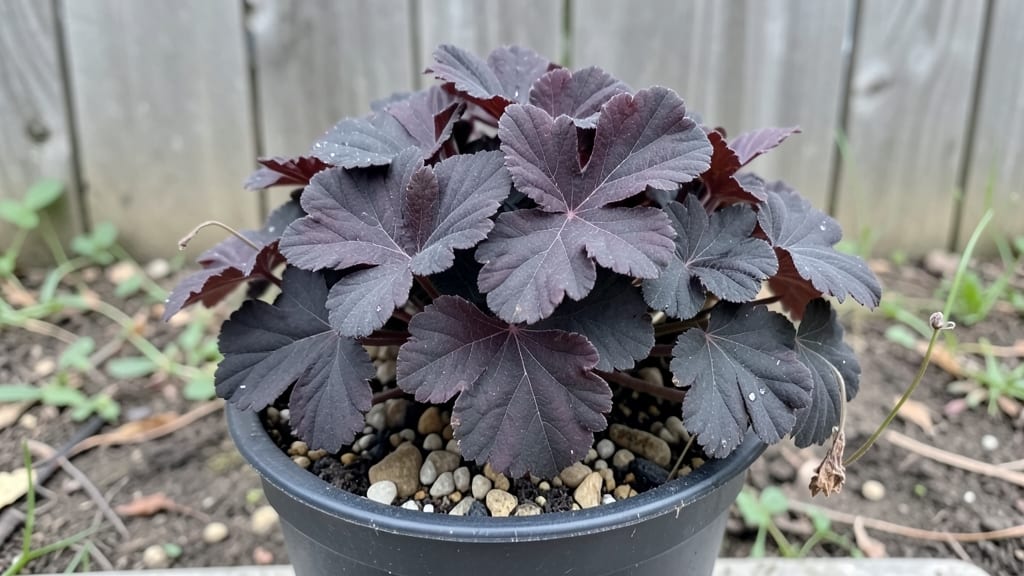
Shade-loving container flowers bring life to dark corners where sunstruck plants refuse to grow. I’ve turned my shady patio into a riot of color by choosing plants that thrive where others wilt—no direct sunlight required.
The secret isn’t complicated: pick the right varieties, give them proper drainage, and let their natural beauty shine without harsh afternoon rays.
Begonias with waxy leaves, impatiens that spill over container edges, and heucheras with jewel-toned foliage all do beautifully in partial to full shade. A 12- to 14-inch container works for most, but larger varieties like hostas need 16 inches or more.
The key is keeping soil moist but not soggy—these plants hate wet feet. Pair them with ferns or caladiums for texture, and you’ll create a lush, low-maintenance display that lasts all season.
What you’ll end up with is a shaded oasis that feels alive and intentional—no sun, no problem. The colors pop against dark backdrops, the foliage stays vibrant, and you’ll enjoy blooms from spring through fall without the fuss.
These containers become the stars of any dim corner, proving shade gardens can be just as stunning as their sun-drenched counterparts.
Works for balconies, porches, or even a north-facing yard. The same principles apply whether you’re filling a single pot or creating a multi-plant arrangement. Let’s get those containers planted!
📚 In This Guide
- What you need
- Instructions
- Tips and common mistakes
- Wrapping up and next steps
What you need
- ● Containers: 1–3 large pots (12–18 inches in diameter) with drainage holes. Tip: Terracotta or fiberglass works best for moisture control!
- ● Potting soil: 1–2 bags of well-draining, peat-based mix (or add perlite for extra aeration). Avoid heavy garden soil!
- ● Shade-tolerant flowers: 3–5 impatiens (for cascading color)
- ● 2–3 heuchera (for textured foliage)
- ● 1–2 begonias (for vibrant blooms)
- ● 1 fern (e.g., maidenhair or Boston) for lush greenery
- ● Mulch: 1 bag of organic mulch (e.g., shredded bark) to retain moisture.
- ● Fertilizer: Slow-release balanced fertilizer (10-10-10) or liquid shade plant food.
- ● Gloves & trowel (for easy planting)
- ● Watering can or hose with a gentle spray nozzle
- ○ Optional: Decorative stones or pebbles for a polished look
- ● Self-watering pot liner (if you travel often)
- ● Stakes or trellis (for climbing plants like fuchsia)
Step-by-step guide to selecting and planting shade-loving container flowers
Creating vibrant container displays in shaded spots is easier than you think—here’s how to choose the right plants and set them up for lasting beauty.
Choose the Right Containers for Low-Light Conditions
Opt for containers with 10-12 inch depth to accommodate root systems of shade-loving perennials like heuchera, astilbe, or ferns. Glazed ceramic or lightweight plastic works best—glazed retains moisture longer in shaded spots, while plastic prevents overheating in indirect sunlight. Ensure each container has multiple drainage holes to prevent soggy soil, which shade plants are especially prone to developing.
I always select containers with wide mouths (at least 8 inches across) to make planting and maintenance easier. The wider surface area helps soil dry more evenly, reducing the risk of fungal issues. For 4 containers, choose ones that coordinate in size but vary in shape—round, square, and oblong—to create visual interest while keeping a cohesive look.
Select Shade-Tolerant Flowers and Foliage Plants
For bold colors in shade, focus on plants that thrive in partial to full shade (2-6 hours of sunlight). My top picks include heuchera (for striking foliage), impatiens (for vibrant blooms), begonias (for glossy leaves and flowers), and coleus (for dynamic patterns). Each of these handles moisture well and won’t wilt in low-light conditions.
When selecting, prioritize slow-growing varieties—they require less frequent repotting. For 4 containers, I recommend 2-3 plants per pot to avoid overcrowding. Group plants with similar water needs together to simplify care. For example, pair heuchera with ferns, which both prefer consistently moist soil, and place impatiens with begonias, which tolerate slightly drier conditions.
Prepare Soil for Optimal Drainage and Moisture Retention
Use a high-quality potting mix blended with 20% perlite or orchid bark to improve aeration and drainage. Shade plants often suffer from compacted soil, which leads to root rot. Mix in a slow-release fertilizer (like 10-10-10) at planting time to provide nutrients without risking burn from over-fertilizing.
Fill each container ¾ full with the mix, leaving room for roots to expand. Press the soil down gently but firmly—you want it to hold moisture without becoming dense. For 4 containers, you’ll need about 3 gallons of mix per pot. Water the soil thoroughly before planting to help settle it and eliminate air pockets.
Plant and Arrange for Visual Impact
Dig a hole twice as wide as the root ball but no deeper than the container’s original soil line. Place each plant in its hole, ensuring the top of the root ball sits flush with the container’s rim. This prevents water from pooling around the stem, which can cause rot. Gently backfill with soil, pressing lightly to remove air gaps but avoiding compaction.
Arrange plants by height—tallest in the back, medium in the middle, and trailing or bushy varieties in front. For example, place heuchera or hostas at the center, astilbe or foamflower behind them, and impatiens or sweet potato vine at the edges. This creates a layered, full look that maximizes visual appeal in shaded areas.
Water and Maintain for Long-Lasting Beauty
Water deeply immediately after planting to help roots establish. Shade-loving plants need consistently moist soil but not soggy conditions. Check soil moisture by sticking your finger 1 inch deep—if it feels dry, water until it drains from the bottom. Over time, you’ll adjust watering based on how quickly the soil dries, but morning watering is ideal to reduce evaporation.
Fertilize every 4-6 weeks during the growing season with a balanced liquid fertilizer (like 20-20-20) diluted to half strength. Shade plants grow slower, so they don’t need heavy feeding. Prune spent blooms regularly to encourage new growth—this keeps your containers looking fresh and prevents legginess. With proper care, your shade containers will stay vibrant for months without fading.
Tips & tricks for perfect shade-loving container gardens
Transforming shady spots into vibrant displays doesn't have to be complicated—these insider tips will help you create containers that stay lush and colorful all season long.
Container Material Matters: While glazed ceramic and lightweight plastic are great choices, don't overlook terracotta for its natural breathability—it helps prevent fungal issues in consistently moist shade conditions. For containers without drainage holes, add a layer of pebbles at the bottom before your potting mix to create a natural drainage barrier. This simple adjustment prevents waterlogging, which is especially critical for shade plants that can't dry out quickly.
Layering for Depth and Texture: When arranging your shade-loving plants, think vertically as well as horizontally. Place trailing varieties like sweet potato vine or ferns at the edges to spill over beautifully, while bushy plants like heuchera or hostas create a lush middle layer. For a truly dramatic effect, incorporate plants with different leaf textures—like the velvety foliage of begonias alongside the delicate fronds of ferns—to create visual interest that catches the eye from every angle.
Soil Mix Secrets: The 20% perlite or orchid bark recommendation is perfect, but for an extra boost, consider adding a handful of worm castings to your potting mix. This organic amendment improves soil structure and provides gentle, long-lasting nutrients that shade plants appreciate. If you're working with heavy clay soil, mix in an additional 10% coconut coir to enhance moisture retention without compacting the mix.
Watering Wisdom: Morning watering is ideal, but if your schedule doesn't allow it, water in the early evening instead of late afternoon. This timing prevents water from evaporating too quickly in the heat and gives plants a chance to absorb moisture before nightfall. For containers without saucers, place them on a bed of pebbles or a moisture-trapping tray to catch excess water and prevent root rot.
Pro Tips for Shade Loving Container Flowers
- Transforming shady spots into vibrant displays doesn't have to be complicated—these insider tips will help you create containers that stay lush and colorful all season long.
- Container Material Matters: While glazed ceramic and lightweight plastic are great choices, don't overlook terracotta for its natural breathability—it helps prevent fungal issues in consistently moist shade conditions.
- Layering for Depth and Texture: When arranging your shade-loving plants, think vertically as well as horizontally.
Frequently asked questions
Got questions about keeping your shade-loving container flowers happy? We’ve got answers! Here are some of the most common concerns—plus quick fixes to keep your plants thriving in low-light spots.
What are the best shade-tolerant flowers for containers?
Top picks include impatiens (for vibrant bursts), fuchsias (elegant and drought-tolerant), begonias (great for texture), and coleus (bold foliage). For height, try heuchera or astilbe. Mix textures and colors for a lush, layered look!
How often should I water shade-loving container flowers?
Water when the top inch of soil feels dry—usually every 2–3 days in summer, but less in cooler months. Containers dry out faster, so check daily during heatwaves. Pro tip: Use well-draining soil and self-watering pots to prevent root rot.
Can I grow shade flowers in containers without direct sunlight?
These plants thrive in partial to full shade (2–6 hours of dappled light). Avoid deep, dark corners—even shade-lovers need some indirect light. East-facing spots or filtered light under trees work perfectly.
Why are my shade flowers wilting or drooping?
Overwatering or poor drainage are common culprits. Check for soggy roots or pests (like aphids). Adjust watering, ensure pots have drainage holes, and repot if soil compacts. Yellow leaves? Could be too much shade—try moving to a brighter spot gradually.
What’s a low-maintenance alternative to high-water impatiens?
Try heuchera (perennial, drought-tolerant) or lobelia (spiky blooms, thrives in moist soil). Sweet potato vine is another great option—it handles shade well and adds trailing greenery. All three need minimal fuss!
Bonus Tip:
Rotate containers every few weeks to ensure even growth—shade can be uneven! And fertilize lightly every 4–6 weeks with a balanced, water-soluble formula. Your shade garden will thank you.
Wrapping up and next steps
Shade-loving container flowers prove that you don’t need sunshine to create a vibrant, thriving garden! 🌿 From heucheras to impatiens, these bold beauties bring life to shady spots with minimal effort.
Whether you’re working with a tiny balcony or a cozy patio, the right plants and containers can transform dull spaces into lush, colorful retreats.
Ready to dive in? Start small—pick one or two shade-tolerant varieties, gather your supplies, and let your creativity bloom! 🌸 Next up: Experiment with textures, heights, and seasonal swaps to keep your containers fresh all year.