
Flowers
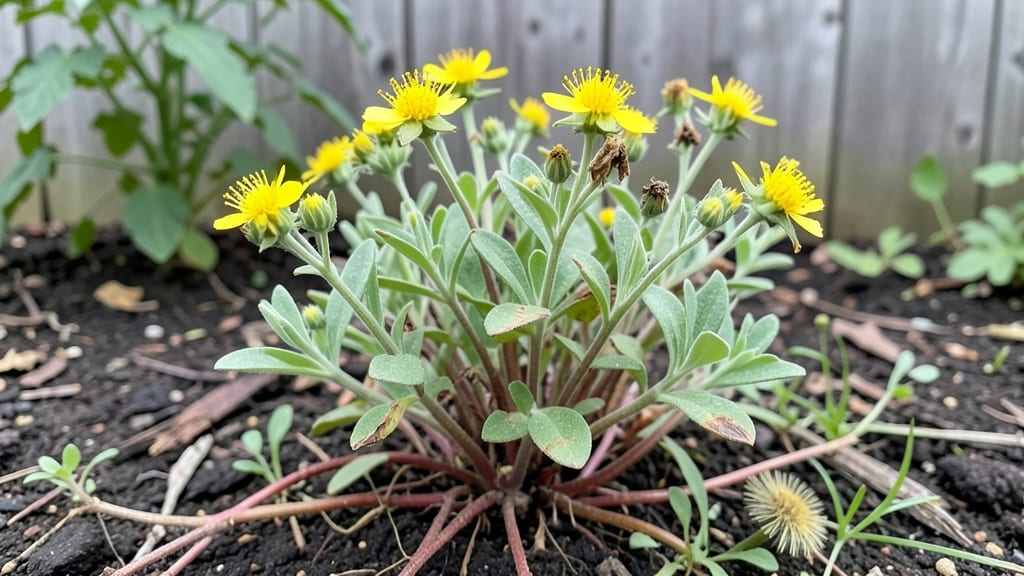
St. John's wort flowers burst into golden-yellow brilliance like tiny suns in the garden, drawing bees and butterflies with a magnetism that turns heads. 🌻 I first fell for them during a summer stroll through a cottage garden where they spilled over stone walls, their petals glowing against lavender and purple blooms.
These aren't just flowers—they're living magnets for pollinators, with a cultural history stretching back to medieval herbalists who used them for everything from healing wounds to warding off evil spirits.
Their late-summer-to-fall bloom time makes them a standout performer when many other perennials are winding down. Plant them in full sun where their cheerful faces will catch the golden hour light, or let them climb through shrubs for a cascading effect.
Pair them with catmint, coneflowers, or black-eyed Susans for a pollinator party that lasts all season—they thrive in well-drained soil and come back year after year with minimal fuss.
What you'll love most is how they transform a garden from ordinary to extraordinary. Imagine a border where their sunburst blooms contrast against deep purple salvia or a meadow-style planting where they blend seamlessly with native grasses.
The scent—warm, slightly resinous—adds another layer of charm, especially on humid evenings when bees hum around them in a golden haze.
For maximum impact, let some stems go to seed—they're a bird magnet in winter. In containers, they spill over edges like a waterfall of sunshine, while in borders, they create vertical drama when allowed to grow 2-3 feet tall.
Whether you're designing a pollinator paradise or simply want a low-maintenance golden accent, St. John's wort delivers beauty with purpose.
📚 In This Guide
- What you need
- Instructions
- Tips and common mistakes
- Wrapping up and next steps
What you need
- ● St. John’s wort seeds or seedlings: 1–3 plants (or 10–20 seeds) per 4–6 sq ft of garden space
- ● Choose Hypericum perforatum (common St. John’s wort) or Hypericum calycinum (rose of Sharon) for variety
- ● Well-draining soil: pH 6.0–7.5 (slightly acidic to neutral)
- ● Amend with compost (1–2 cups per planting hole) for fertility
- ● Sunlight access: Full sun (6+ hours/day) for optimal blooms
- ● Watering can or hose: With a gentle spray nozzle for even moisture
- ● Pruning shears or scissors: Sharp, clean tools for trimming
- ● Organic mulch: Straw, wood chips, or pine needles (2–3 inches thick)
- ● Slow-release fertilizer (balanced 10-10-10 or organic options like fish emulsion)
- ● Drip irrigation system for consistent moisture
- ● Pollinator-friendly companion plants (e.g., lavender, coneflowers, or bee balm)
- ● Support stakes (for taller varieties like Hypericum calycinum)
- ● Gloves (to protect hands from mild skin irritation)
How to grow St. john's wort flowers for maximum pollinator appeal
This golden-yellow powerhouse thrives in full sun and rewards you with vibrant blooms that hum with bee activity.
🌱 Step 1: Select the Right Location and Prepare the Soil
St. John's wort demands full sun—at least 6-8 hours daily—and tolerates poor, dry soil better than most perennials. I always choose a spot where the soil drains quickly, as soggy roots invite rot. Amend heavy clay with 2-3 inches of compost to improve aeration without making the soil too rich.
Loosen the top 6 inches of soil with a garden fork to break up compaction. The roots of St. John's wort spread aggressively, so give each plant 2-3 feet of space between neighbors. If your soil is sandy, mix in a thin layer of organic matter to help retain some moisture without suffocating the roots.
☀️ Step 2: Plant at the Right Time and Depth
Spring is ideal for planting St. John's wort, but you can also establish it in early fall. Dig a hole twice as wide as the root ball but only as deep as the container. The crown should sit just below the soil line—burying it too deep smothers the plant, while leaving it exposed invites disease.
Gently tease out any circling roots before placing the plant in the hole. Backfill with native soil, firming it lightly around the base. Water deeply right after planting to settle the soil and eliminate air pockets. You'll see new growth within 2-3 weeks if conditions are right.
💧 Step 3: Water and Maintain for Healthy Growth
St. John's wort is drought-tolerant once established, but young plants need 1 inch of water weekly during the first growing season. Water at the base rather than overhead to prevent fungal spores from splashing onto the leaves. Mulch with 2-3 inches of straw or pine needles to conserve moisture and suppress weeds.
Fertilize lightly in early spring with a balanced 10-10-10 formula at half strength. Too much nitrogen encourages leafy growth at the expense of those prized golden blooms. You'll know you're on track when stems reach 12-18 inches tall before flowering begins.
✂️ Step 4: Prune and Deadhead for Continuous Blooms
Cut back faded flower clusters to the nearest leaf node to encourage more blooms. I also trim back one-third of the plant's height in early summer to promote bushier growth and prevent flopping. Wear gloves—St. John's wort's sap can irritate sensitive skin.
In late fall, cut back the entire plant to 2-3 inches above ground level. The woody stems will die back naturally, but the roots remain dormant until spring. This pruning keeps the plant tidy and prevents self-seeding, which can become invasive.
🪴 Step 5: Divide and Propagate Every 3-4 Years
St. John's wort forms dense clumps over time, so dig up and divide mature plants in early spring. Use a sharp spade to slice through the root ball, ensuring each section has 3-5 stems. Replant divisions immediately in prepared soil, watering deeply to help them establish.
You can also propagate from stem cuttings in summer. Snip 4-6 inch sections just below a leaf node, strip the lower leaves, and root in moist perlite or water. New plants will root within 3-4 weeks, ready for transplanting into the garden.
Tips & tricks for perfect St. john's wort growth
Here's what nobody tells you about getting the most vibrant blooms from this sun-loving perennial.
Location is Everything: That 6-8 hours of daily sun isn't negotiable—think of it as the golden rule for St. John's wort. I've seen plants struggle in partial shade, producing sparse blooms with pale yellow centers. If your garden only gets 4-5 hours of sun, consider growing it in containers where you can move it to sunnier spots during peak afternoon hours. The more direct sunlight, the more intense those golden blooms will be.
Soil Science: The 2-3 inches of compost recommendation is non-negotiable for heavy clay soils, but don't overdo it—St. John's wort dislikes rich, fertile soil. Too much organic matter can lead to excessive leaf growth at the expense of flowers. For sandy soils, that thin layer of organic matter helps retain just enough moisture without creating soggy conditions. Think of it as creating a Goldilocks zone—not too wet, not too dry.
Planting Precision: When you're planting, that "twice as wide" hole might seem excessive, but it's crucial for the aggressive root system. I've seen plants struggle when crowded—give them that 2-3 feet of space between neighbors. And that crown placement? It's a delicate balance—the crown should sit just below soil level, not buried too deep (which smothers) or exposed (which invites disease). Think of it like Goldilocks' porridge—just right is everything.
Pruning Strategy: That one-third height trim in early summer might seem drastic, but it's a game-changer for bushier growth. I've seen plants become leggy and flop over without this step. And when you're cutting back faded blooms, always cut to the nearest leaf node—this encourages new growth and more flowers. Just remember to wear gloves—the sap can be irritating to sensitive skin.
Pro Tips for St Johns Wort Flowers
- Here's what nobody tells you about getting the most vibrant blooms from this sun-loving perennial.
- Location is Everything: That 6-8 hours of daily sun isn't negotiable—think of it as the golden rule for St.
- Soil Science: The 2-3 inches of compost recommendation is non-negotiable for heavy clay soils, but don't overdo it—St.
Frequently asked questions
When is the best time to plant St. John’s wort seeds or cuttings?
Plant seeds in early spring or late summer after the last frost, as they thrive in warm soil (60–70°F). For cuttings, late spring or early summer works best—just ensure roots have time to establish before winter. Pro tip: Start indoors 6–8 weeks before your last frost date for a head start!
Is St. John’s wort safe for pets or children?
Nope! While stunning, these flowers contain hypericin, which can cause photosensitivity in pets (like cats and dogs) and may interact with medications in humans. Keep them out of reach or in containers if you have curious kids or furry friends. Always consult a vet or doctor if exposure occurs.
How do I keep St. John’s wort from spreading too aggressively?
These plants are perennial powerhouses and can self-seed prolifically. To control spread:
- Deadhead spent blooms regularly.
- Plant in containers or raised beds with barriers.
- Divide roots every 2–3 years to manage growth.
Can I use St. John’s wort flowers for tea or remedies?
Yes, but with caution! Dried flowers are used in herbal teas for mood support (consult a practitioner first). Never consume raw flowers or large amounts—stick to 1 tsp dried herb per cup of water. Harvest blooms in peak sunlight (late morning) for maximum potency. Warning: Avoid if on SSRIs or other medications.
Why aren’t bees visiting my St. John’s wort flowers?
Bees love these flowers—but if they’re skipping them, check:
- Timing: Peak nectar is midday (10 AM–4 PM).
- Location: Plant in full sun (6+ hours/day).
- Health: Pests (like aphids) or fungal spots can deter pollinators.
What’s a good alternative if St. John’s wort is too high-maintenance?
Try these low-fuss, bee-friendly alternatives with similar golden blooms:
Plant
Why It’s Great
Black-eyed Susan (Rudbeckia)
Drought-tolerant, long blooms, and self-seeds easily.
Goldenrod (Solidago)
Late-season nectar source; thrives in poor soil.
Coreopsis (Tickseed)
Heat-loving, deer-resistant, and blooms all summer.
Wrapping up and next steps
St. John’s wort flowers aren’t just a sunshine-loving beauty—they’re a powerhouse for pollinators, garden resilience, and even natural remedies! 🌻 Whether you’re growing them for their golden blooms, supporting bees, or exploring their herbal benefits, these plants bring joy and purpose to any sunny garden.
Ready to harness their magic?
Take the next step: plant a patch this season, experiment with their uses, or share their wonders with fellow gardeners. Your garden—and the pollinators—will thank you! 🌱✨