Planting
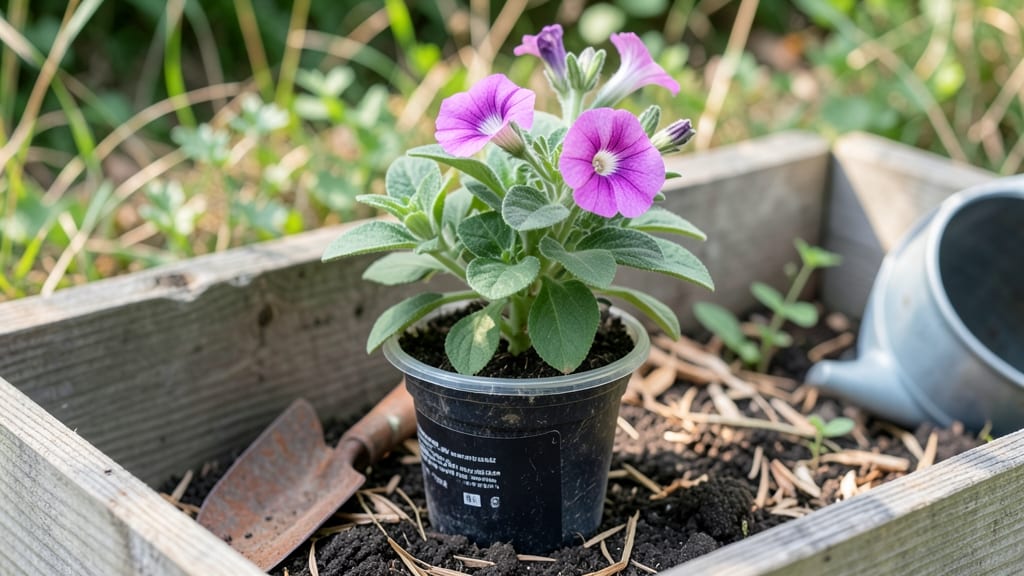
Follow these steps to plant flowers the right way for blooms that last from spring through fall—no guesswork, just vibrant results. 🌸 I’ve learned that the difference between a garden that thrives and one that fades starts with the first shovel in the ground.
The secret isn’t fancy tools or expensive soil; it’s knowing exactly how deep to plant, how far apart to space them, and when to water without drowning the roots.
You’ll need a few simple supplies: a trowel, gloves, your chosen flowers (annuals or perennials), and a mix of compost to enrich the soil. Most people overlook soil prep, but amending it with compost or aged manure gives roots the nutrients they need to establish quickly.
A 30-minute prep session now saves weeks of struggling later.
After planting, keep the soil consistently moist but not soggy—think of a damp sponge, not a swamp. Mulch helps retain moisture and keeps weeds at bay, so spread a 2-inch layer around each plant.
Within 2-3 weeks, you’ll see new growth, and by summer, your garden will be a burst of color that neighbors will envy.
This method works for containers, beds, or even window boxes—adjust spacing based on mature plant size. The key is patience: flowers planted correctly in early spring or fall give you the strongest start. Let’s get those blooms growing!
📚 In This Guide
- What you need
- Instructions
- Tips and common mistakes
- Wrapping up and next steps
What you need
- ● Flower seeds or seedlings: Choose season-appropriate varieties (e.g., marigolds for summer, pansies for fall). Buy 1-2 packets (or 3-5 seedlings) per flower type for a fuller look.
- ● Garden soil or potting mix: 5-10 gallons (depending on garden size). Opt for well-draining mix with compost for nutrients.
- ● Gloves: A pair of sturdy gardening gloves to protect your hands from dirt, thorns, or sharp tools.
- ● Watering can or hose: A 5-gallon watering can (or a hose with a gentle spray nozzle) for even hydration.
- ● Trowel or small shovel: A hand trowel (for small gardens) or a border shovel (for larger plots) to dig holes.
- ○ Pruners (optional but helpful): 1 pair for trimming seedlings or deadheading spent blooms.
- ● Mulch: 2-3 inches of organic mulch (e.g., straw, wood chips) to retain moisture and suppress weeds.
- ○ Fertilizer (optional but recommended): A balanced, slow-release granular fertilizer (e.g., 10-10-10) or compost tea for a natural boost.
- ● Plant markers: 5-10 wooden or biodegradable labels to track flower varieties.
- ● Knee pad or small stool: For comfort during long planting sessions!
- ● Soil pH tester: To check if your soil needs amendments (e.g., lime for acid-loving flowers).
- ● Bird netting: If planting edible flowers (like nasturtiums) to deter hungry birds.
- ● Sunlight meter or app: To confirm your garden’s light conditions (full sun, partial shade, etc.).
Step-by-step instructions for planting flowers that thrive
Here's how I plant flowers that keep blooming all season—no green thumb required.
🌱 Step 1: Choose the Right Spot and Prepare the Soil
Pick a location with the right light for your flowers—most need 6+ hours of sun daily, while others thrive in partial shade. I always check the plant tag first. Before digging, loosen the top 6 inches of soil with a garden fork to help roots spread easily.
Add 2-3 inches of compost to the soil and mix it in. This boosts nutrients without overwhelming new plants. If your soil drains poorly, mix in sand or perlite to improve aeration. You'll know it's ready when the soil crumbles easily between your fingers.
🌿 Step 2: Dig Holes and Plant at the Right Depth
Dig holes twice as wide as the root ball but no deeper. This gives roots room to expand without sinking too far. Gently remove the plant from its pot, tapping the sides to loosen roots if they're circling. For bare-root plants, soak roots in water for 10-15 minutes before planting.
Place the plant in the hole so the top of the root ball sits level with the ground—burying too deep can suffocate stems. Fill the hole with soil, pressing lightly to remove air pockets. Water deeply right after planting to settle the soil around the roots.
☀️ Step 3: Water and Mulch for Long-Term Success
Water the newly planted flowers until moisture reaches 6 inches deep. You'll see water pooling at the base before draining away—that's your signal to stop. Avoid wetting the leaves to prevent fungal diseases. After watering, spread 2-3 inches of mulch around the base, keeping it 2 inches away from stems.
Mulch locks in moisture and keeps roots cool. I use shredded bark or straw—both work well. Water again in 3-5 days to encourage roots to spread into the surrounding soil. Resist the urge to overwater; most flowers prefer slightly dry soil over soggy conditions.
✂️ Step 4: Maintain and Encourage More Blooms
Deadhead spent blooms regularly to redirect energy into new flowers. Pinch off faded blooms with your fingers or small pruners—this keeps plants bushier and flowering longer. Fertilize lightly every 4-6 weeks with a balanced, slow-release fertilizer to avoid burning roots.
Watch for pests like aphids or powdery mildew early in the season. A strong spray of water usually clears aphids, while neem oil prevents mildew. Rotate plants every 2-3 years to refresh the soil and prevent disease buildup. With consistent care, your flowers will reward you with vibrant blooms all season.
Tips & tricks for perfect flower planting
A few simple tricks will help your flowers thrive from the very first planting.
Soil Prep Secret: Before adding compost, test your soil's drainage by digging a small hole and filling it with water. If it drains within 15 minutes (like the bare-root soaking time), your soil is ready. If water pools for longer, mix in more sand or perlite until you achieve that crumbly texture—this prevents root rot while keeping moisture just right.
Root Handling: When removing plants from pots, gently squeeze the sides to release circling roots—this encourages outward growth instead of tight root balls. For bare-root plants, that 10-15 minute soak isn't just about hydration; it also helps roots absorb water faster once planted. I always soak mine in room-temperature water to avoid shocking the roots.
Planting Depth: The "level with the ground" rule is crucial—burying too deep smothers stems while planting too shallow exposes roots. Use a small stick as a reference marker when digging holes, then adjust the plant until the top of the root ball aligns perfectly with your marker. This simple trick saves me from having to dig up plants later.
Mulching Strategy: That 2-3 inch layer of mulch does more than just look pretty. Apply it right after watering when the soil is moist—this helps mulch settle properly and creates a moisture barrier. I always keep mulch 2 inches away from stems to prevent rot, and I use straw for flowers because it breaks down slower than bark.
Pro Tips for Steps To Plant Flowers
- A few simple tricks will help your flowers thrive from the very first planting.
- Soil Prep Secret: Before adding compost, test your soil's drainage by digging a small hole and filling it with water....
- Root Handling: When removing plants from pots, gently squeeze the sides to release circling roots—this encourages out...
Frequently asked questions
Got questions about planting flowers? You’re not alone! Here are answers to the most common concerns—from timing to troubleshooting—so you can plant with confidence.
What’s the best time of year to plant flowers?
The ideal time depends on your climate and flower type. Cool-season blooms (like pansies or snapdragons) thrive when planted 4–6 weeks before the first frost, while warm-season flowers (such as marigolds or petunias) should go in after the last frost when soil is at least 60°F (15°C). Perennials often do best in early spring or fall to establish roots before extreme weather.
How long does it take for flowers to grow after planting?
Growth timelines vary! Annuals (like zinnias) may bloom in 6–8 weeks, while perennials (such as coneflowers) can take 3–5 months to mature. Bulbs (daffodils, tulips) often wait until next spring for their first show. Patience pays off—consistent watering and sunlight speed up the process!
How often should I water newly planted flowers?
Water deeply 1–2 times per week (or daily in extreme heat) for the first 2–4 weeks to help roots establish. Aim for 1 inch (2.5 cm) of water per week, soaking the soil 6 inches deep. Morning watering reduces evaporation and fungal risks. Once established, most flowers tolerate drought better than soggy soil!
What should I do if my flowers aren’t blooming?
Lack of blooms often stems from over-fertilizing (too much nitrogen), poor sunlight, or stress. Try these fixes:
- Check sunlight: Most flowers need 6+ hours of sun daily.
- Deadhead spent blooms to encourage new growth.
- Use a balanced fertilizer (like 10-10-10) after blooming starts.
- Adjust watering: Some flowers (like succulents) hate wet feet!
Can I plant flowers in containers or just in the ground?
Containers are great for small spaces, renters, or delicate flowers. Choose pots with drainage holes and use well-draining soil. Compact varieties (like petunias or dwarf marigolds) thrive in containers, while larger plants (e.g., roses) need big pots (10+ gallons). Rotate containers occasionally for even growth!
Wrapping up and next steps
Planting flowers is easier than you think—and the rewards are worth every bit of effort! 🌸 Whether you’re a beginner or a seasoned gardener, these steps ensure your blooms thrive year-round.
Start small, stay consistent, and soon you’ll enjoy a vibrant, flourishing garden that brightens your space and lifts your spirits.
Ready to turn your green thumb dreams into reality? Grab your tools, pick your favorite flowers, and get planting today! Next, explore seasonal care tips to keep your garden blooming beautifully all year.