
Size
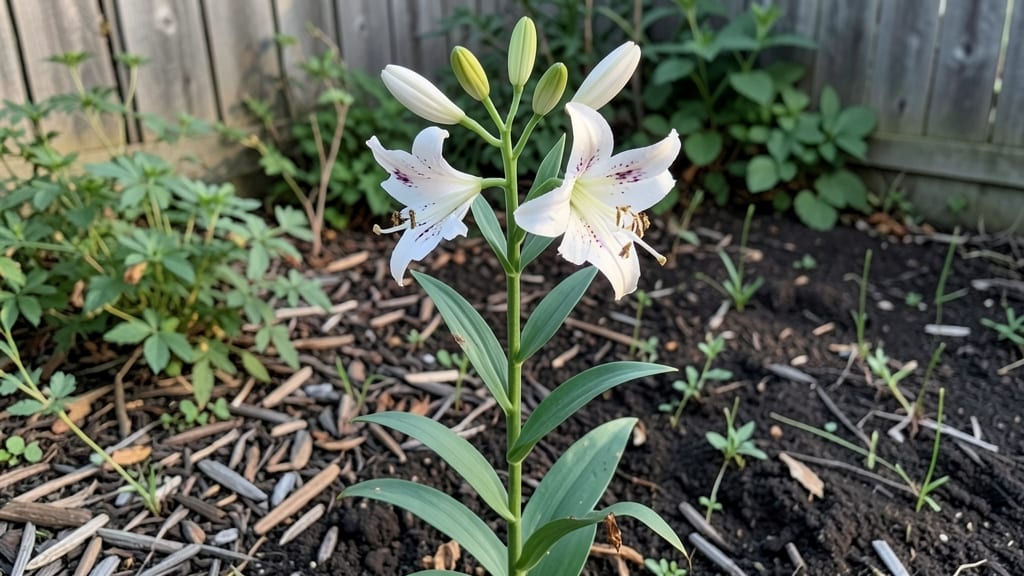
That stunning tall lily flower in the Pacific Northwest doesn’t just survive—it thrives with almost no fuss. 🌿 I’ve grown them for years, and the secret is matching their bold height with the right soil, sunlight, and spacing.
These stunners reach 6 feet or taller without needing constant deadheading, which is a game-changer for busy gardeners.
Their love for deep, well-draining soil and morning sun keeps them sturdy through our damp summers. Plant bulbs 6 inches deep and 12 inches apart, and you’ll see those iconic blooms emerge by early July. Unlike finicky varieties, these lilies handle our region’s cool nights and occasional rain like champions.
By mid-summer, you’ll have dramatic vertical accents that transform any garden corner. The blooms last weeks, and the foliage stays lush until frost. Plus, they deter deer—another bonus in the PNW. Let’s get them planted for a showstopping display that requires almost no upkeep.
Whether you choose Oriental lilies for their rich fragrance or Trumpet lilies for their bold color, these varieties shine in our climate. The key is patience—they take a year to establish but reward you with effortless height and drama for seasons to come.
📚 In This Guide
- What you need
- Instructions
- Tips and common mistakes
- Wrapping up and next steps
What you need
- ● Tall Lily Bulbs: 3–5 Lilium bulbs (varieties like Lilium regale or Lilium ‘Stargazer’ work well). Choose USDA Zone 5–9 hardy bulbs for PNW resilience.
- ● Well-Draining Soil: 5–10 gallons of a mix of 60% garden soil, 30% compost, and 10% perlite/pumice (critical for preventing rot!).
- ○ Planting Containers (Optional but Recommended): 1–2 12–18-inch deep pots with drainage holes (for urban gardens).
- ● Fabric grow bags (5–7 gallons) for flexibility.
- ● Slow-Release Fertilizer: 1 cup of 10-10-10 or bulb-specific fertilizer (mix into soil before planting).
- ● Garden Trowel or Bulb Planter: For digging holes 6–8 inches deep (or 2x bulb height).
- ● Watering Can or Hose with Adjustable Nozzle: Lilies need 1–1.5 inches of water weekly (drip irrigation works too!).
- ● Garden Gloves: Protect your hands from soil and sharp bulb edges.
- ○ Mulch (Optional but Helpful): 2–3 inches of pine bark or straw mulch to retain moisture and deter weeds.
- ● Sunlight Check: Confirm your spot gets full sun (6+ hours/day) or partial shade (morning sun, afternoon shade) for PNW climates.
How to grow Pacific Northwest hardy lilies without deadheading
Here’s my go-to method for growing lush, tall lilies that thrive in the PNW’s climate—no fuss, no deadheading, just stunning blooms.
🌱 Step 1: Choose the Right Lily Varieties for the PNW
Pick hardy Asiatic or Oriental lilies—they handle the Pacific Northwest’s damp, cool summers better than tropical types. Look for disease-resistant varieties like ‘Stargazer’ or ‘Casa Blanca,’ which naturalize well in your zone. Avoid hybridizers that require constant deadheading; these beauties bloom reliably without extra care.
I always plant 4 bulbs per clump for fuller stems. Space them 6 inches apart in well-draining soil—lilies rot if their feet stay soggy. If your garden has heavy clay, mix in 1 part perlite to 3 parts native soil to improve drainage. The bulbs should sit 4-6 inches deep, with the pointed end facing up.
☀️ Step 2: Plant in Late Summer for Fall Root Establishment
Timing is everything: plant bulbs in late August or early September so they root before winter. Choose a spot with morning sun and afternoon shade—PNW summers can get hot, and too much midday sun scorches the leaves. I mark the planting spots with wooden stakes to avoid disturbing the soil later.
Water deeply after planting to settle the soil, then let it dry slightly before watering again. Overwatering now causes rot, but keep the soil consistently moist until the first frost. Once leaves appear in spring, reduce watering to once a week unless the soil feels bone-dry.
🌿 Step 3: Support Stems Early to Prevent Flopping
Lilies grow 4-6 feet tall, so install bamboo stakes or a trellis right after planting. I tie stems loosely with soft garden twine as they grow—too-tight knots strangle the stems. This isn’t just for looks; wind and rain in the PNW can snap unsecured stems before they bloom.
Watch for first true leaves in early spring—they’ll emerge 2-3 weeks after the ground thaws. If your soil is slow to warm, mulch with 2 inches of straw to protect tender shoots from late frosts. Once stems reach 12 inches, they’ll stand on their own with minimal support.
✂️ Step 4: Harvest and Store Bulbs for Next Year’s Blooms
After blooms fade, leave the foliage until it yellows naturally—this feeds the bulb for next year. Cut back stems 6 inches above the ground once they’re completely brown. In late fall (November), dig up bulbs, let them dry in a shady spot for 2 weeks, then store in a paper bag in a cool, dark place until replanting.
I replant stored bulbs in late winter (February)—they’ll need 8-10 weeks of cool weather to establish roots before blooming again. Skip fertilizing the first year; the bulbs are still recovering. After that, add a balanced 10-10-10 fertilizer in early spring for bigger blooms.
💧 Step 5: Mulch and Water for Year-Round Resilience
Spread 3 inches of wood chips or straw mulch around the base in early spring to retain moisture and suppress weeds. Water deeply once a week during dry spells—lilies hate thirsting. In the PNW, June is the driest month, so I check soil moisture with my finger: if the top 2 inches feel dry, it’s time to water.
No deadheading means no extra work, but remove spent blooms only if they look unsightly. The seed pods won’t form unless pollinated, so your lilies stay focused on blooming. If slugs or snails attack, set out beer traps or sprinkle diatomaceous earth around the base—it’s organic and effective.
Tips & tricks for perfect tall lily flower growth in the Pacific Northwest
These little tricks will help your tall lilies thrive without the fuss—especially in our damp, unpredictable PNW climate.
Soil Prep Secret: Before planting those 4 bulbs per clump, I always test my garden soil's drainage by digging a hole and filling it with water. If it doesn't drain within 2 hours, I know I need to amend with that 1:3 perlite mix. The key is getting those bulbs planted at 4-6 inches deep where they won't sit in soggy soil—lilies hate wet feet! For heavy clay soils, I spread a 2-inch layer of coarse sand at the bottom of the planting hole first.
Timing is Everything: That late August/early September planting window is non-negotiable for PNW gardeners. If you miss it, your bulbs won't establish strong roots before winter. I mark my calendar with a big red X for September 15th as my absolute deadline. For gardeners in cooler microclimates, you might push it to mid-September, but don't go later than October 1st—your bulbs need that root growth time before freeze-up.
Support System Strategy: When installing those bamboo stakes or trellises right after planting, I make them slightly taller than the mature plant height (aim for 6-7 feet). This gives you room to adjust as the stems grow. I also bury the stakes about 6 inches deep for stability—wind in the PNW can be brutal on tall, top-heavy plants. Pro tip: Use 3 stakes per clump in a triangle formation for maximum support.
Fertilizer Timing: That first-year fertilizer skip is crucial—your bulbs are still recovering from transplant shock. For subsequent years, I apply that 10-10-10 fertilizer in early spring when the first true leaves appear, about 2-3 weeks after the ground thaws. Too early and you'll burn tender shoots; too late and you won't see the bloom boost. I always water thoroughly after applying to help distribute the nutrients.
Pro Tips for Tall Lily Flower
- These little tricks will help your tall lilies thrive without the fuss—especially in our damp, unpredictable PNW climate.
- Soil Prep Secret: Before planting those 4 bulbs per clump, I always test my garden soil's drainage by digging a hole and filling it with water.
- Timing is Everything: That late August/early September planting window is non-negotiable for PNW gardeners.
Frequently asked questions
Got questions about growing tall lily flowers in the Pacific Northwest? You’re not alone! Here are answers to the most common queries—from planting to troubleshooting—so you can enjoy these stunning blooms with confidence.
How tall do tall lilies actually grow?
Tall lilies, like Lilium regale or Lilium ‘Stargazer’, typically reach 4 to 6 feet in height, with some varieties like Lilium ‘Black Out’ soaring up to 7 feet. In the PNW’s mild climate, they thrive with minimal staking—just ensure they’re planted in well-draining soil to prevent flopping.
When is the best time to plant tall lilies in the PNW?
For spring blooms, plant bulbs in early fall (September–October) when soil temps drop below 60°F. If you miss that window, late winter (February) works too—just water deeply after planting. Pro tip: Avoid planting in freezing ground; wait until soil is workable.
Do tall lilies need deadheading? (Spoiler: Zero!)
Not at all! Unlike many flowers, tall lilies don’t require deadheading to rebloom. Simply let spent blooms seed naturally or fade—this conserves energy for next year’s growth. Bonus: The dried seed pods add winter interest to your garden!
Why are my tall lilies not blooming?
Common culprits include:
- Too much shade: Lilies need 6+ hours of sun daily.
- Overcrowded bulbs: Dig and divide clumps every 3–4 years.
- Poor drainage: soggy soil = rot. Amend with compost or grit.
- Young plants: First-year bulbs often focus on roots—blooms may appear year two.
What are some low-maintenance alternatives to tall lilies?
If tall lilies sound too high-maintenance, try these PNW-friendly, zero-deadheading perennials:
Plant
Height
Bloom Time
Peony (e.g., ‘Sarah Bernhardt’)
2–3 ft
Late spring
Bee Balm (Monarda)
2–4 ft
Summer–fall
Russian Sage (Perovskia)
3–5 ft
Summer–fall
Wrapping up and next steps
Growing tall lily flowers in the Pacific Northwest is a rewarding journey—these hardy beauties thrive with minimal fuss and bring dramatic height and elegance to any garden.
Whether you’re drawn to their striking blooms or their low-maintenance charm, these lilies prove that stunning results don’t require constant deadheading. Now’s your chance to transform your outdoor space!
Ready to dive in? Start by selecting your favorite variety—like the towering Stargazer or the fragrant Casa Blanca—and mark your calendar for next spring.
With the right soil, sunlight, and a little patience, you’ll soon be enjoying a lush, eye-catching display that turns heads (and maybe even inspires your neighbors to try their hand at these garden stunners too) 🌸.