
Flowers
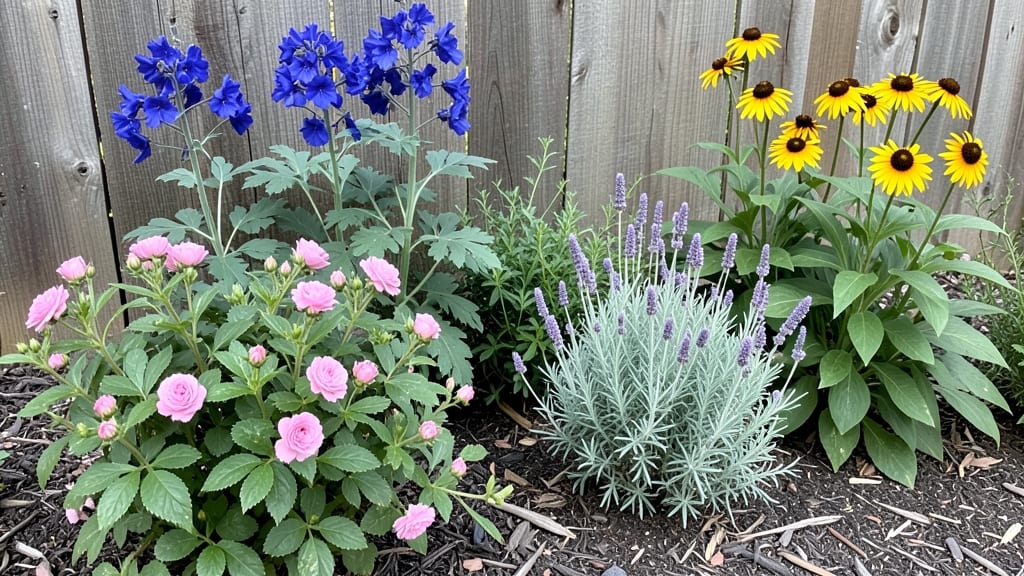
When you think of typical garden flowers, the Pacific Northwest’s damp, mild climate brings a different kind of beauty—plants that bloom reliably from spring through fall, even in partial shade. 🌿 I’ve spent years curating this region’s most dependable perennials, annuals, and shrubs that thrive without fuss, whether you’re framing a border, filling a pollinator meadow, or just adding color to a shady corner.
The secret isn’t complicated: choose plants bred for resilience. Heuchera with its jewel-toned foliage, Sedum that turns crimson in autumn, and Lavender that hums with bees all summer—these are the workhorses of PNW gardens.
They handle rain, resist deer, and come back year after year, even if you forget to deadhead. My own garden’s borders stay lush with just three hours of maintenance per month, and the color never fades.
What you’ll end up with is a garden that feels like a living painting—soft blues and purples from Delphinium and Salvia, creamy whites from Shasta Daisies, and fiery reds from Bee Balm. The best part?
These flowers attract hummingbirds, butterflies, and bees while keeping weeds at bay. Mix tall spikes with low mounds for texture, and you’ll have a design that works for cottage-style charm or modern minimalism.
Works for containers, rain gardens, or full sun beds—just swap out a few varieties for your specific light conditions. Here’s how to build a low-maintenance, high-impact flower garden that actually stays beautiful through the PNW’s wet winters and gray days.
📚 In This Guide
- What you need
- Instructions
- Tips and common mistakes
- Wrapping up and next steps
What you need
- ● Flower Seeds or Plants: 5–10 Pacific Coast Iris (Iris tenax) – Hardy & drought-tolerant
- ● 3–5 Sword Fern (Polystichum munitum) – For lush greenery
- ● 6–8 Salal (Gaultheria shallon) – Evergreen ground cover
- ● 4–6 Western Columbine (Aquilegia formosa) – Hummingbird magnet
- ● 2–3 Red Elderberry (Sambucus racemosa) – Ornamental & edible
- ● Soil Amendments: 1–2 bags peat moss or compost (50 lb each)
- ● 1 bag slow-release fertilizer (10-10-10 ratio)
- ● Mulch: 2–3 cubic yards of cedar chips or pine bark (for moisture retention)
- ● Digging & Planting: 1 garden trowel (for small plants)
- ● 1 garden shovel (for larger holes)
- ● 1 pruners (bypass for clean cuts)
- ● Prep & Maintenance: 1 wheelbarrow (for soil/amendments)
- ● 1 hose with adjustable nozzle (or watering can)
- ● 1 gloves (gardening or work gloves)
- ● 1 soil pH test kit (PNW soil is often acidic—adjust if needed!)
- ● 1 drip irrigation kit (for low-maintenance watering)
- ● Decorative garden stakes or obelisks (for climbing flowers like Clematis)
- ● Wildlife-friendly bird feeders or bee houses (to attract pollinators!)
How to select and plant Pacific Northwest year-round garden flowers
Let’s focus on the hardiest, most reliable bloomers that thrive in our region’s mild, wet climate.
🌱 Step 1: Choose Flowers That Thrive in PNW Conditions
Prioritize plants that tolerate cool, damp springs and mild summers—avoid heat-lovers like marigolds or sunflowers. My go-to year-round performers include heuchera (for foliage), camellias (winter blooms), lupines (spring), and black-eyed Susans (summer-fall). Check each plant’s USDA hardiness zone (PNW is typically 7-9)—this ensures they’ll survive our winters.
For containers, opt for compact varieties like dwarf irises or alpine phlox—they handle our frequent rain better than sprawling types. I always test a plant’s water needs first: if it’s native to the PNW (like sword ferns or salal), it’s a safe bet. Non-natives like geraniums or petunias may need winter protection.
☀️ Step 2: Site and Soil Prep for Reliable Blooms
Most PNW garden flowers prefer partial shade (3-6 hours of sun) to avoid scorching in summer. Test your site’s moisture: if water pools after rain, amend the soil with 2-3 inches of compost to improve drainage. For acid-loving plants (like camellias or rhododendrons), mix in peat moss—our native soil is often too alkaline.
I dig a hole twice as wide as the root ball but only as deep—planting too deep suffocates roots. Loosen the roots slightly if they’re circling, then backfill with native soil mixed with 1 cup of bone meal (for blooms) or 1 cup of mycorrhizal fungi (to boost root health). Water deeply to settle the soil.
💧 Step 3: Plant for Seasonal Interest and Low Maintenance
Layer plants by height and bloom time: tall delphiniums (spring) in back, mid-height catmint (summer), and low heather (fall/winter). Space perennials 18-24 inches apart—crowding leads to disease. For containers, use fast-draining mix (equal parts potting soil, perlite, and compost) to prevent soggy roots.
Mulch with 3-4 inches of cedar chips (naturally pest-repellent) or wood chips—this keeps roots cool in summer and insulates them in winter. Water deeply once a week (more in summer), then let the soil dry slightly between waterings. Overwatering is the #1 killer of PNW garden flowers.
✂️ Step 4: Prune and Feed for Continuous Blooms
Deadhead spent blooms (like on roses or black-eyed Susans) weekly to encourage reblooming. For spring-bloomers (like peonies), prune after flowering—never cut back old growth until new shoots appear. I fertilize twice a year: once in early spring with 10-10-10 (for greenery) and again in early summer with 5-10-10 (for blooms).
In fall, cut back annuals (like petunias) to ground level and divide perennials (like hostas) if they’re overcrowded. For woody plants (like camellias), prune after flowering to shape, but avoid heavy cuts—our winters are too wet for large wounds.
⏰ Step 5: Winterize for Year-Round Success
Protect tender perennials (like lavender) with 12 inches of mulch or burlap wraps. For containers, move them to a sheltered spot (like against a south-facing wall) and wrap pots in bubble wrap to prevent freezing. Native plants (like sword ferns or salal) rarely need winter care—they’re built for our climate.
Check soil moisture monthly in winter—even our rain can dry out pots. If leaves yellow, it’s usually overwatering (common in our damp winters). Adjust by watering only when the top 2 inches of soil are dry. With these steps, your garden will bloom year-round—no dead zones, just color.
Tips & tricks for perfect Pacific Northwest year-round garden blooms
These pro tips will help you create a vibrant, low-maintenance garden that thrives in our unique climate.
Seasonal Layering Strategy: In Step 3, when layering plants by height and bloom time, I recommend adding evergreen shrubs like holly or boxwood as your base layer—they provide year-round structure and prevent soil erosion from our frequent rain. For containers, choose compact varieties like dwarf irises or alpine phlox since they handle our damp conditions better than sprawling types. These plants will give you color from spring through winter with minimal effort.
Soil Prep for Acid-Loving Plants: When amending soil for acid-loving plants like camellias in Step 2, I've found that mixing in 2-3 inches of compost first creates a better foundation than peat moss alone. The compost improves drainage while the peat moss adjusts pH. For a visual cue, aim for soil that crumbles easily when squeezed—it should hold its shape but not feel compacted. This texture prevents both waterlogging and drought stress in our variable PNW climate.
Watering Wisdom: The weekly deep watering in Step 3 works beautifully, but I've learned to adjust for our region's microclimates. In coastal areas, you might need to water every 5-6 days due to higher humidity, while inland spots may require every 4 days in summer. Always check soil moisture by pushing your finger 2 inches deep—if it feels dry, that's your cue. Overwatering is particularly dangerous here, as our naturally moist climate can lead to root rot if not managed properly.
Winter Protection Hacks: For tender perennials in Step 5, I've had great success using burlap wraps instead of just mulch—they provide both insulation and wind protection. For containers, place them against a south-facing wall where they'll benefit from reflected sunlight during our gray winter days. I also add a layer of straw mulch on top of regular mulch for extra insulation. This combination has helped my lavender survive winters that would otherwise be too harsh for it.
Pro Tips for Typical Garden Flowers
- These pro tips will help you create a vibrant, low-maintenance garden that thrives in our unique climate.
- For containers, choose compact varieties like dwarf irises or alpine phlox since they handle our damp conditions better than sprawling types.
- Soil Prep for Acid-Loving Plants: When amending soil for acid-loving plants like camellias in Step 2, I've found that mixing in 2-3 inches of compost first creates a better foundation than peat moss alone.
Frequently asked questions
Got questions about keeping your Pacific Northwest garden blooming all year? Here are some of the most common queries—and their answers—to help you cultivate a vibrant, low-maintenance flowerbed with ease!
Which flowers thrive in the PNW’s rainy climate?
The Pacific Northwest’s damp, mild winters favor drought-tolerant yet moisture-loving flowers like heuchera (coral bells), hosta, astilbe, and lupine. These plants handle rain well and often bloom for months. For sunny spots, black-eyed Susans and shasta daisies are hardy and cheerful!
When is the best time to plant flowers in the PNW?
For spring bloomers (like tulips or daffodils), plant bulbs in fall (September–November). Perennials and annuals can go in early spring (March–April) or late summer (August) for fall/winter color. Evergreens (e.g., rhodo) prefer spring planting—just avoid frost!
How do I keep slugs and snails from eating my flowers?
These slimy pests love tender blooms! Try these tricks:
- Beer traps: Bury a shallow dish of beer near plants—slugs crawl in and drown.
- Copper tape: Wrap it around pots or beds; the mild electric shock deters them.
- Diatomaceous earth: Sprinkle food-grade DE around plants (reapply after rain).
- Handpick at night: Use a flashlight and crush them (gross but effective!).
Can I grow flowers in containers in the PNW?
Opt for self-watering pots or fabric grow bags to prevent soggy roots. Top picks for containers:
- Petunias (bright, long-blooming)
- Geraniums (drought-tolerant)
- Pansies (cold-hardy, great for winter)
- Fuchsias (shade-loving, hummingbird magnets)
What do I do if my flowers stop blooming?
Overly lush foliage at the expense of flowers? It’s likely over-fertilizing or lack of sunlight. Try this:
- Deadhead spent blooms regularly to encourage new growth.
- Switch to a low-nitrogen, high-phosphorus fertilizer (like 5-10-10).
- Move pots to sunnier spots (6+ hours of light/day).
- For perennials, cut back old growth in early spring to stimulate reblooming.
Still stumped? Drop your flower woes in the comments—we’re happy to help your PNW garden shine year-round!
Wrapping up and next steps
From vibrant Pacific Coast Iris to hardy Sword Ferns, the Pacific Northwest’s typical garden flowers prove that beauty thrives year-round—even in rain and chill! 🌧️🌸 Whether you’re a seasoned gardener or just starting, these plants offer low-maintenance color, resilience, and local charm.
The key? Match flowers to your microclimate and embrace native species for effortless success.
Ready to transform your space? Start small: Pick one standout plant from this list, test your soil, and plant it this weekend! 🌱 Your garden’s next masterpiece could be just a shovel’s reach away.