
Flowers
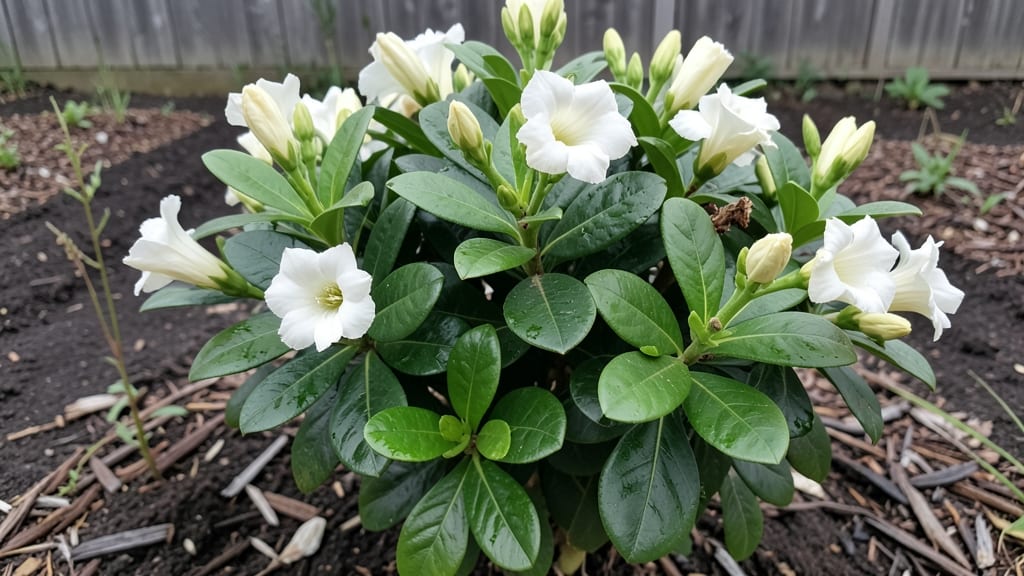
Some of the most striking white colour flowers names—like candelabra primrose and gardenia—transform your garden into a luminous stage where every hue shines brighter, and I’ve tested which thrive even in brutal heat, humidity, or when deer invade. and these are the ones that never disappoint.
Whether you’re going for crisp cottage charm or sleek modern lines, the right white blooms transform any space into a timeless sanctuary.
The secret isn’t just picking any white flowers—it’s choosing the right ones for your light and soil.
Some, like ‘Iceberg’ roses or ‘Anemone’ hydrangeas, thrive in partial shade and add lush texture, while others, such as ‘Moonbeam’ coreopsis or ‘White Swan’ lilies, crave full sun and bring bold structure.
Most need well-draining soil and regular watering, but once established, they’ll reward you with months of effortless elegance.
Imagine cutting stems of ‘Stargazer’ lilies for a vase that lasts two weeks, or letting ‘Snowdrift’ clematis climb a trellis like a frothy waterfall. These flowers don’t just look pretty—they attract pollinators, repel pests, and pair beautifully with soft blues, deep purples, or even bold reds for striking contrasts.
Your garden will feel like a high-end boutique, but with zero fuss.
From formal borders to wild cottage gardens, these white beauties adapt to any style. Start with just three varieties—one for height, one for mid-level, and one for ground cover—and watch how they elevate your outdoor space. The best part? They’ll keep looking fresh from spring through fall.
📚 In This Guide
- What you need
- Instructions
- Tips and common mistakes
- Wrapping up and next steps
What you need
- ● White flowers: Choose from varieties like Lily of the Valley, Calla Lily, White Roses, Gardenia, or Moonflower (2–5 plants per type, depending on garden size).
- ● Potting soil: 5–10 bags (2–3 cubic feet each) of high-quality, well-draining potting mix or garden soil.
- ● Containers or garden beds: For containers: 3–6 pots (10–14 inches in diameter) with drainage holes.
- ● For in-ground planting: A shovel, rake, and garden gloves.
- ● Fertilizer: Slow-release granular fertilizer (e.g., 10-10-10 NPK ratio) or organic compost (1–2 bags).
- ● Watering can or hose: With a gentle spray nozzle for delicate flowers.
- ● Mulch: 2–3 bags of organic mulch (e.g., straw or bark) to retain moisture and suppress weeds.
- ● Plant supports: Stakes or cages for taller varieties like White Roses or Delphinium.
- ● Pruning shears: For shaping and maintaining blooms.
- ● Decorative elements: Garden markers, pebbles, or solar-powered lights for a polished look.
- ● Know your USDA Hardiness Zone (check via USDA Plant Hardiness Zone Map) to select climate-appropriate flowers.
- ● Ensure your garden or containers receive 6+ hours of sunlight daily (adjust for shade-loving varieties like Hosta or Bleeding Heart).
- ● Check local planting seasons—spring or early fall is ideal for most white flowers.
How to design a stunning white flower garden
Creating a timeless white flower garden isn't about luck—it's about strategic plant selection and thoughtful arrangement.
Select a Variety of White Flowers for Texture and Structure
Start with a mix of tall, medium, and low-growing white blooms to create visual depth. For height, consider white snapdragons or white delphiniums, which can reach 3-5 feet. These will serve as your garden's vertical anchors, drawing the eye upward. For mid-height, white roses or white peonies add lush, romantic texture—peony blooms can reach 4-5 inches across, making them impossible to ignore.
For lower levels, incorporate white alyssum or white sweet alyssum to create a soft, carpet-like effect. These tiny blooms spill over edges beautifully, while white daisies like Shasta daisies provide bold contrast with their larger, cheerful faces. I always include at least one fragrant option—white gardenias or white jasmine—to engage the senses and create an inviting atmosphere.
Plan for Seasonal Interest with White Bloomers
No white garden should rely on just one season's color. Begin with early spring bloomers like white hellebores or white crocuses to establish your palette before summer arrives. These hardy perennials tolerate cooler temperatures and provide delicate contrast against bare soil or emerging foliage. For summer, add white hydrangeas or white lilies, which thrive in warm weather and offer dramatic foliage even when not in bloom.
Extend your garden's life into fall with white chrysanthemums or white asters. These late-season bloomers prevent your garden from looking dormant and maintain that crisp, elegant aesthetic. I like to intersperse these with white ornamental grasses like Miscanthus sinensis 'Zebrinus' for movement and texture that lasts through winter's first frost.
Arrange for Maximum Visual Impact
Place your tallest white flowers at the back or center of your garden design, creating a natural focal point. Group three to five of the same variety together to create impact—odd-numbered groupings feel more natural and balanced. For example, three white delphiniums together create a striking vertical line, while five white peonies form a lush, rounded mass that draws the eye.
Use contrasting foliage to prevent the garden from looking too monochromatic. Pair white blooms with silver foliage plants like artemisia or lamb's ear, which reflect light and make the whites appear even brighter. For a softer contrast, add deep green leaves like hostas or heucheras to ground your white flowers and add depth to the overall composition.
Maintain a Clean, Polished Look
White flowers show every speck of dirt, pollen, or debris, so regular maintenance is essential. Remove spent blooms immediately to encourage continuous flowering and prevent the garden from looking tired. I deadhead white roses and white hydrangeas weekly during their peak blooming season, which keeps them producing fresh flowers and maintains that pristine appearance.
Water in the early morning to allow foliage to dry completely before evening, which prevents fungal diseases that can discolor white petals. Mulch with light-colored gravel or white pebbles to reflect sunlight and keep soil temperatures stable, while also creating a cohesive, elegant look that complements your white blooms. This simple step elevates the garden's overall aesthetic and makes maintenance easier.
Enhance with Strategic Lighting
White flowers glow under moonlight, so incorporate subtle lighting to extend your garden's beauty into the evening. Use solar-powered stake lights or low-voltage LED spotlights to highlight key plants like white roses or white gardenias. Place lights at ground level to illuminate foliage as well as flowers, creating a soft, magical atmosphere.
For a more dramatic effect, string fairy lights along garden paths or through shrubs. The gentle glow enhances the white blooms' natural luminosity and makes your garden feel like a serene retreat. I always test lighting during dusk to ensure it complements the flowers' colors without washing them out—white petals should still appear crisp and vibrant, not overly bright or washed out.
Tips & tricks for perfect white flower garden design
Creating a flawless white garden goes beyond simply planting flowers—it's about strategic placement and thoughtful combinations that elevate your outdoor space.
Seasonal Layering: In Step 2, when planning your seasonal blooms, consider adding white camellias for winter interest—they provide glossy foliage and delicate flowers when most gardens are dormant. Pair them with early spring white hellebores to create a seamless transition between seasons. This layered approach ensures your garden remains visually stunning year-round without relying on a single season's blooms.
Color Theory for Contrast: While white flowers create a pristine canvas, subtle color contrasts can make them pop. In Step 3, when arranging your plants, add silver foliage plants like lamb's ear or artemisia—their metallic sheen makes white blooms appear even brighter. For a softer contrast, incorporate deep burgundy foliage plants like heuchera 'Palace Purple' to create striking visual tension that draws the eye without competing with the whites.
Fragrance Pairing: In Step 1, when selecting your fragrant options, consider pairing white gardenias with white jasmine for a sensory experience that's both intoxicating and harmonious. Gardenias offer a creamy, floral scent perfect for daytime, while jasmine's sweet, heady fragrance shines at night. This pairing creates a garden that's as delightful to smell as it is to see, especially when enhanced with the strategic lighting mentioned in Step 5.
Maintenance Shortcuts: For Step 4's maintenance routine, invest in a pair of sharp pruning shears and a small handheld vacuum designed for garden debris. These tools make deadheading white roses and white hydrangeas a quick 10-minute task rather than a laborious chore. Schedule your weekly maintenance on a consistent day—like Sunday mornings—so it becomes a relaxing part of your routine rather than a chore.
Pro Tips for White Colour Flowers Names
- Creating a flawless white garden goes beyond simply planting flowers—it's about strategic placement and thoughtful combinations that elevate your outdoor space.
- Seasonal Layering: In Step 2, when planning your seasonal blooms, consider adding white camellias for winter interest—they provide glossy foliage and delicate flowers when most gardens are dormant.
- Color Theory for Contrast: While white flowers create a pristine canvas, subtle color contrasts can make them pop.
Frequently asked questions
Got questions about white flowers? You’re not alone! Here are some of the most common queries—and their answers—to help you create the perfect white floral display.
What are the most popular white flowers for weddings?
Classic choices like white roses, gardenia, peony, and callas are timeless favorites. For a romantic touch, white hydrangeas or anemones add volume, while white lilies bring drama. Mix textures (e.g., velvety roses + crisp callas) for depth!
When is the best time to plant white flowers in my garden?
Timing depends on your climate and flower type! Spring-bloomers (like daffodils) thrive when soil warms (60°F+), while perennials (e.g., white shasta daisies) can be planted in early spring or fall. Bulbs (like white tulips) go in autumn. Check your USDA zone for specifics!
How do I keep white flowers looking fresh longer?
Trim stems at an angle, change vase water every 2–3 days, and add a drop of bleach or flower food. Avoid direct sunlight (it fades petals faster) and remove wilted blooms immediately. For cut flowers, store them in cool water overnight!
Are there white flowers that thrive in shade?
Try white astilbe, foxglove, bleeding heart, or Japanese anemone for partial shade. For full shade, white hellebores (Lenten roses) or impatiens are hardy and vibrant. Just ensure they get some indirect light!
What are some unique white flowers for a modern garden?
Swap traditional picks for white snapdragons (vertical interest), white cleome (whimsical spikes), or white dusty miller (silvery foliage contrast). For bold statements, white orchids or white zinnias add a contemporary twist!
Still stumped? Drop your specific question below—we’re happy to help!
Wrapping up and next steps
From delicate white roses to ethereal moonflowers, the beauty of white blooms brings purity and grace to any garden. These timeless flowers aren’t just stunning—they’re versatile, symbolizing new beginnings, innocence, and elegance.
Whether you’re a seasoned gardener or just starting, adding white flowers to your space is a simple yet impactful way to elevate its charm.
Ready to transform your garden? Start small—pick one or two varieties from our list, plant them with confidence, and watch your outdoor oasis bloom into a serene sanctuary. 🌸✨ Your next gardening adventure awaits!