
Flowers
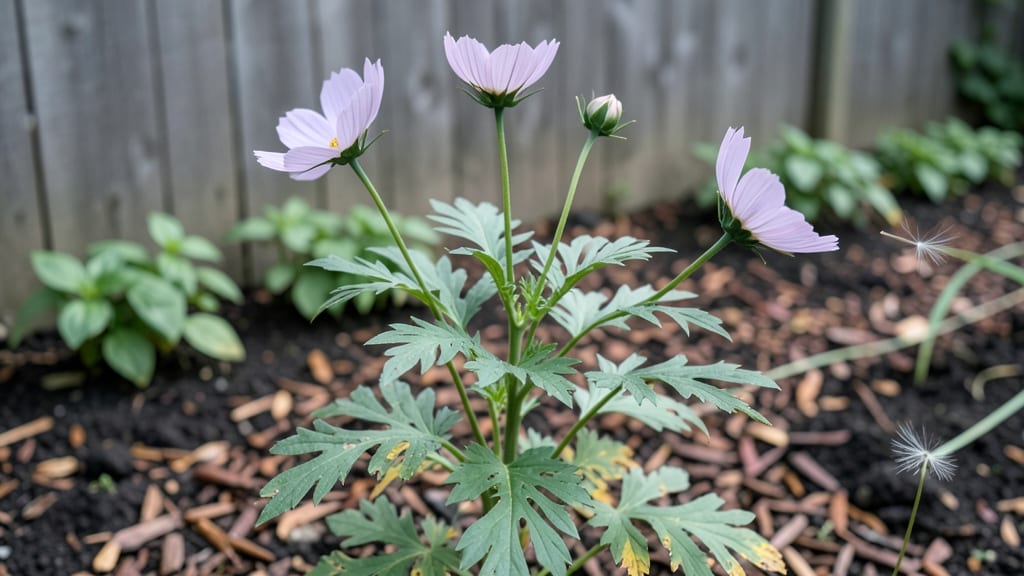
Wind blown flowers turn your garden into a living dance—no choreography required. 🌿 I learned the hard way that letting plants sway naturally creates drama that static blooms never match.
The secret lies in choosing the right species and placing them where breezes can work their magic, whether that’s a coastal garden or an open meadow.
Think grasses like switchgrass or feather reed grass, wildflowers such as cosmos or milkweed, and even airy shrubs like butterfly bush. These plants thrive with minimal fuss—just good soil and space to move. The result? A garden that feels alive, shifting colors and textures with every gust.
You’ll end up with a space that looks effortless but is actually thoughtfully designed. The movement adds depth, attracts pollinators, and creates a soothing rhythm that static plants can’t match. Best of all, it’s low-maintenance—just plant, water, and let nature take over.
Perfect for coastal gardens, prairie-style landscapes, or even small urban spaces with a breeze. Once you see how wind-blown flowers transform a garden, you’ll never plant a static border again.
📚 In This Guide
- What you need
- Instructions
- Tips and common mistakes
- Wrapping up and next steps
What you need
- ● Flowering plants: Choose lightweight, flexible stems like Cosmos, Baby’s Breath, Statice, or Lavender (3–5 plants per section for full effect).
- ● Shears or pruners: Sharp, clean pair to trim stems to 12–18 inches long.
- ● Sturdy stakes or trellis: 3–5 wooden or metal stakes (6–12 inches tall) or a lightweight trellis for anchoring.
- ● Twine or floral wire: 1–2 yards of soft twine or 22-gauge floral wire for securing stems.
- ● Water source: A watering can or hose with a gentle spray nozzle.
- ● Garden soil or potting mix: 1–2 bags (depending on container size).
- ● Containers or garden bed: Shallow pots (6–8 inches deep) or a well-drained in-ground area.
- ● Decorative accents: Small rocks, pebbles, or lightweight ornaments to add texture.
- ● Slow-release fertilizer: A 10–15 lb bag to boost growth.
- ● Mulch: 1–2 yards of straw or shredded bark to retain moisture.
- ● Wind chimes or breeze makers: For extra whimsy (and to encourage movement!).
How to create a wind-blown flower display that looks effortless
Here's how to craft a breezy, naturalistic flower arrangement that thrives on movement—no fuss, just pure garden drama.
🌿 Step 1: Select Tall, Flexible Plants for Natural Movement
Choose plants with slender stems and lightweight blooms that sway easily in the breeze. Grasses like feather reed grass or maiden grass provide vertical structure, while airy flowers like black-eyed Susans, queen anne’s lace, or Russian sage will dance with the wind. I avoid heavy-headed blooms—they won’t move naturally and can snap under pressure.
For a 4-foot-tall display, plant 3-5 stems per variety spaced 12-18 inches apart. This spacing lets stems sway without crowding. If your garden gets strong winds, opt for shorter varieties like catmint or lavender—they’ll still flutter beautifully without flopping.
☀️ Step 2: Plant in a Sheltered but Windy Spot
Wind-blown flowers need gentle breezes, not hurricane-force gusts. I look for locations where wind flows steadily but isn’t blocked by buildings or fences. A spot 10-20 feet from a windbreak (like a hedge or wall) creates the perfect sway—enough movement to look wild, but not so much that stems break.
Dig holes twice as wide as the root ball but only as deep as the container’s root zone. This prevents stems from bending at the base when they sway. Water deeply right after planting to settle the soil and encourage root spread—you’ll see stems standing straighter within a week.
🪴 Step 3: Stake Strategically for Controlled Movement
Here’s the thing—you do need stakes, but only one per plant, placed 3-4 inches from the stem at a 45-degree angle. This lets the flower move naturally while preventing it from flopping. I use bamboo or flexible metal stakes—they’re sturdy but won’t restrict swaying like rigid supports.
Tie stems loosely with soft garden twine or fabric strips, leaving room for growth. Check ties every 2-3 weeks—if they dig into the stem, the plant will weaken. You’ll know it’s working when flowers move in unison but never look forced.
✂️ Step 4: Prune for Airflow and Continued Movement
Deadhead spent blooms weekly to encourage new growth—this keeps the plant producing lightweight flowers that move easily. I snip just above the first set of healthy leaves, which signals the plant to branch out and create more swaying stems.
In late summer, trim back one-third of the tallest stems to promote bushier growth. This prevents the display from looking top-heavy and ensures the wind can still reach lower blooms. You’ll notice a fuller, more dynamic look within 4-6 weeks of pruning.
💧 Step 5: Water Deeply but Infrequently
Wind-blown flowers hate soggy roots—overwatering makes stems weak and prone to snapping. Water deeply every 5-7 days, soaking the soil 6-8 inches down. You’ll know it’s right when the top 2 inches of soil feel dry but the lower layers stay moist.
Mulch with 2-3 inches of shredded bark to retain moisture and protect roots from temperature swings. Avoid heavy mulch like wood chips—it can weigh down stems and restrict movement. A light layer keeps the garden looking airy while supporting those graceful sways.
Tips & tricks for perfect wind-blown flower displays
Here's what I've learned after creating these dreamy displays for years—tricks that make all the difference between a static arrangement and one that truly dances.
Plant Selection Strategy: The key to natural movement lies in the plant-to-space ratio. For a truly wind-blown effect, aim for 3-5 stems per variety spaced 12-18 inches apart—this creates the perfect wind tunnel. I've found that grasses like feather reed grass actually work better when planted in odd-numbered groupings (3 or 5 stems) because they create more visual interest when swaying. For the most dramatic effect, mix plants with different bloom heights—tall Russian sage at the back, medium black-eyed Susans in the middle, and low catmint in front.
Wind Direction Intelligence: Observe your garden's prevailing wind direction before planting. I always position my displays so the wind flows from the back to front—this creates a cascading effect as flowers bend backward. If you're unsure, plant a temporary flag or ribbon in your desired location for a week to track wind patterns. This simple step prevents that awkward, one-sided flopping that ruins the natural look.
Staking Like a Pro: The 45-degree angle stake placement in Step 3 is critical, but here's the secret: use stakes that are 1/3 taller than your plants. This gives the stems room to sway without hitting the stake. I've ruined several displays by using stakes that were too short—plants would hit them mid-sway and snap. For extra security in windy areas, bury stakes 6 inches deep but leave the top 4 inches exposed for tying. This creates a stable base while allowing full movement.
Pruning for Perpetual Motion: When you're deadheading weekly in Step 4, focus on removing only the spent flower heads, not the entire stem. This preserves the plant's structure while encouraging new blooms at the stem tips—where the wind can catch them most easily. In late summer, when you trim back one-third of the tallest stems, make your cuts just above a leaf node where you see new growth starting. This hidden trick creates bushier plants that sway more dramatically without looking overgrown.
Pro Tips for Wind Blown Flowers
- Here's what I've learned after creating these dreamy displays for years—tricks that make all the difference between a static arrangement and one that truly dances.
- Plant Selection Strategy: The key to natural movement lies in the plant-to-space ratio.
- Wind Direction Intelligence: Observe your garden's prevailing wind direction before planting.
Frequently asked questions
How do I prevent wind-blown flowers from scattering seeds everywhere?
Wind-blown flowers like cosmos, poppies, and Queen Anne’s lace naturally self-seed. To contain seeds, plant them in containers with drainage holes or use a lightweight mesh barrier around the base. Deadheading (removing spent blooms) can also reduce seed spread while keeping your garden tidy.
What’s the best time to plant wind-blown flowers for maximum drama?
Most wind-blown flowers thrive when planted in early spring or late summer. Cool-season varieties (like sweet alyssum) handle light frosts, while heat-lovers (like zinnia) prefer warmer soil. Check your USDA zone for specifics—just know they’re forgiving and often reseed themselves year after year!
Can I grow wind-blown flowers in pots or just gardens?
Many wind-blown flowers (e.g., nasturtiums, baby’s breath) adapt well to containers. Use pots at least 6 inches deep with good drainage. Just ensure they get enough airflow—place them near a breezy spot or gently shake pots to mimic wind movement for a whimsical effect.
Why aren’t my wind-blown flowers blooming as expected?
Check these common issues:
- Too much shade—most need full sun (6+ hours/day).
- Overwatering—these flowers often thrive in dry soil.
- Lack of wind—if your garden is sheltered, place a small fan nearby or trim nearby tall plants to create airflow.
What are some low-maintenance alternatives to traditional wind-blown flowers?
Try these fuss-free picks:
- Lavender – Fragrant, drought-tolerant, and attracts pollinators.
- Russian sage – Silvery foliage and purple spikes that sway dramatically.
- Ornamental grasses (like fountain grass) – Add movement without blooms.
Wrapping up and next steps
Wind-blown flowers bring a touch of effortless charm to any garden—no fuss, just pure whimsy! 🌸 From lightweight blooms to strategic placement, these tips make it easy to create a dreamy, natural look with minimal effort.
Whether you’re a seasoned gardener or just starting out, these plants prove that beauty doesn’t require backbreaking work.
Ready to transform your space? Start small—pick one or two varieties, experiment with placement, and let nature do the rest! Grab your seeds, get planting, and enjoy the magic of wind-swayed petals fluttering in the breeze.