
Planting
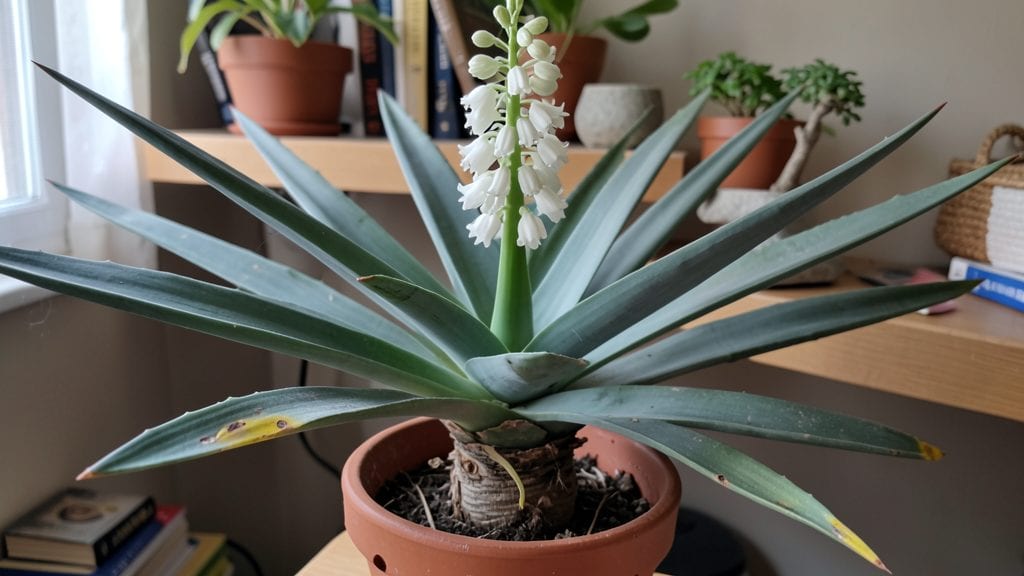
Yucca plants with their stunning white flowers are the showstoppers of drought-tolerant gardens. 🌿 I fell for them after seeing their dramatic spikes of blossoms towering over my desert landscape—each bloom lasting for days with minimal care.
The secret to their bold vertical presence lies in mimicking their natural habitat: full sun, well-draining soil, and infrequent watering.
These plants thrive in hot, dry climates but adapt surprisingly well to other regions too. You’ll need a sunny spot (at least 6 hours of direct sun daily), rocky or sandy soil, and a container with drainage if growing in pots.
Water deeply only when the top 2-3 inches of soil are bone dry—overwatering is the fastest way to kill them.
When happy, your yucca will reward you with fragrant, bell-shaped flowers that appear in late spring or summer, often lasting for weeks. The foliage stays striking year-round, with sword-like leaves that add architectural interest. Prune dead flower stalks after blooming to encourage new growth.
Perfect for low-maintenance gardens, containers, or even as a dramatic focal point. Once established, they’re nearly indestructible—just give them space to grow and they’ll thrive for decades. Here’s how to coax those show-stopping blooms every season.
📚 In This Guide
- What you need
- Instructions
- Tips and common mistakes
- Wrapping up and next steps
What you need
- ● Yucca plant: 1–3 mature plants (for transplanting) OR
- ● Yucca seeds (if starting from scratch)
- ● Well-draining soil: 5–10 gallons (depending on pot size) of a mix like: 60% cactus/succulent soil
- ● 30% perlite or pumice
- ● 10% coarse sand (for drainage)
- ○ Containers (optional but recommended): 1–3 pots (12–18 inches in diameter) with drainage holes
- ● Garden gloves (to protect hands from sharp leaves)
- ● Trowel or spade (for digging)
- ● Watering can or hose with a gentle spray nozzle
- ● Pruning shears (for trimming dead foliage)
- ○ Mulch (optional):**2–3 inches of gravel or bark chips (to retain moisture and deter weeds)
- ● A sunny spot with 6+ hours of direct sunlight daily (yuccas thrive in full sun!)
- ● Drought-tolerant zone (USDA Zones 4–11) or a sheltered indoor space with bright light
- ● Patience! Yuccas grow slowly but reward you with striking white blooms in 2–3 years.
How to grow and care for yucca plants with stunning white flowers
Yucca plants bring architectural beauty and drought-resistant charm to sun-drenched gardens.
🌱 Step 1: Select the Right Yucca Variety for White Blooms
For those signature white flower spikes, focus on species like Yucca filamentosa (Adam's needle) or Yucca gloriosa (Spanish dagger), both known for their dramatic vertical flower stalks. These varieties thrive in USDA zones 4-10 and tolerate poor, rocky soil better than most ornamental plants. I always check the mature height—some varieties reach 10 feet tall, while others stay compact at 3-4 feet.
Buy established plants from reputable nurseries to avoid the slow growth of container-grown seedlings. Look for plants with thick, sword-like leaves and no signs of brown tips (a sign of overwatering). The roots should be dense and white, not mushy or blackened. If planting in fall, choose bare-root specimens for better winter survival.
☀️ Step 2: Site and Soil Preparation for Optimal Growth
Yuccas demand full sun—at least 6-8 hours daily—and perform best in well-draining soil. Amend heavy clay with sand or gravel to prevent root rot, which is their #1 killer. I dig a hole twice as wide as the root ball but only as deep as the container it came in. Yuccas hate having their crowns buried.
For containers, use a mix of 50% cactus/succulent soil and 50% perlite or pumice. Add a slow-release fertilizer (like 10-10-10) at planting time, but skip organic matter—yuccas despise soggy roots. Place pots in south-facing locations where they’ll get maximum heat. If your climate has freezing winters, mulch heavily around the base with gravel (not wood chips) to protect roots.
💧 Step 3: Watering and Fertilizing for Healthy Flowering
Water deeply only when the top 4 inches of soil are bone-dry—yuccas store moisture in their thick leaves. Overwatering causes leaf scorch (brown edges) or root rot (mushy stems). I use a soaker hose to deliver water at the base, avoiding wetting the leaves, which can lead to fungal issues. In summer, one deep watering every 10-14 days is usually enough unless you’re in extreme heat.
Fertilize lightly in spring with a balanced, water-soluble fertilizer (diluted to half strength). Too much nitrogen encourages leafy growth at the expense of those showstopping white flower spikes. Watch for yellowing leaves—this is often a sign of over-fertilizing. Yuccas in containers may need monthly feeding during the growing season, while in-ground plants rarely need supplements.
✂️ Step 4: Pruning and Encouraging Flower Production
Remove dead or damaged leaves with clean, sharp pruners in early spring. Cut back to the base of the plant, but never more than one-third of the foliage at a time—yuccas are slow to regenerate. If a flower stalk dies back after blooming, leave it until it turns completely brown before cutting. This prevents pests from moving into fresh cuts.
To encourage more flowers, divide mature clumps every 3-4 years in early spring. Use a sharp spade to separate pups (baby plants) from the main root ball. Replant divisions 2-3 feet apart in full sun. The more established the plant, the larger and more abundant the flower spikes will be. I’ve seen 10-foot-tall yuccas produce 6-foot flower stalks—worth the wait!
🌿 Step 5: Winter Care and Pest Prevention
Yuccas are surprisingly cold-hardy, but young plants or container-grown specimens need protection in zones 4-6. Wrap the base with burlap or frost cloth and cover with 2-3 inches of mulch. In containers, move pots to a sheltered, unheated garage if temperatures drop below 10°F. Never let the soil freeze—yuccas can’t recover from frozen roots.
Watch for yucca moths (harmless) and scale insects (harmful). Wipe leaves with neem oil if you spot sticky residue or tiny white bumps. Avoid chemical sprays—they can damage the plant’s waxy coating. If leaves develop black spots, it’s likely fungal leaf spot, which thrives in humid conditions. Space plants 3-4 feet apart for airflow to prevent this issue.
Tips & tricks for perfect yucca plant white flowers
These game-changing tips will help you coax those dramatic white flower spikes from your yucca plants—without the common pitfalls that leave gardeners frustrated.
Variety Matters: For the most spectacular white blooms, prioritize Yucca filamentosa or Yucca gloriosa—they're the showstoppers of the yucca world. I've seen Yucca gloriosa produce 6-foot flower stalks from a 10-foot-tall plant, while smaller varieties like Yucca filamentosa still deliver impressive 3-4 foot spikes. Check your zone—these varieties thrive in USDA zones 4-10, making them versatile for most climates.
Planting Precision: The hole you dig makes all the difference. Always make it twice as wide as the root ball but only as deep as the container it came in—yuccas hate having their crowns buried. This simple adjustment prevents the #1 killer of yuccas: root rot. For containers, that 50/50 mix of cactus/succulent soil and perlite is non-negotiable—it mimics their natural rocky habitat and ensures proper drainage.
Watering Wisdom: The 10-14 day watering schedule in summer is your friend, but timing is everything. Water deeply only when the top 4 inches of soil are completely dry—yuccas store moisture in their thick leaves, not the soil. I use a soaker hose to deliver water at the base, avoiding the leaves completely. This prevents fungal issues that can ruin those beautiful white blooms before they even appear.
Flower Power: To encourage more dramatic blooms, divide mature clumps every 3-4 years in early spring. The secret? Replant divisions 2-3 feet apart in full sun. More established plants mean bigger, more abundant flower spikes. And here's a pro tip: leave dead flower stalks until they're completely brown before cutting—this prevents pests from moving into fresh cuts and gives your plant time to redirect energy for next season's blooms.
Pro Tips for Yucca Plant White Flowers
- These game-changing tips will help you coax those dramatic white flower spikes from your yucca plants—without the common pitfalls that leave gardeners frustrated.
- Variety Matters: For the most spectacular white blooms, prioritize Yucca filamentosa or Yucca gloriosa—they're the showstoppers of the yucca world.
- Planting Precision: The hole you dig makes all the difference.
Frequently asked questions
When do yucca plants bloom with white flowers?
Yucca plants typically bloom in late spring or summer, though timing depends on your climate and plant maturity. Mature yuccas (3+ years old) are most likely to produce those dramatic white flower spikes. If yours isn’t blooming, check for enough sunlight (6+ hours daily) and well-draining soil—both are key triggers!
Why aren’t my yucca plant’s white flowers opening?
Don’t panic! White yucca blooms may stay closed if the plant is stressed—think overwatering, poor drainage, or sudden temperature drops. Try moving it to a sunnier spot (full sun is ideal) and let the soil dry out between waterings. If the buds are mushy, fungal issues might be at play; trim them off and improve airflow around the plant.
Can I grow a yucca plant indoors with white flowers?
While possible, yuccas thrive outdoors in USDA zones 4–11 with bright light. For indoor growth, place it near a south-facing window and supplement with grow lights (12+ hours/day). Expect slower growth and fewer blooms—outdoor yuccas get the drama, but a potted yucca adds architectural flair to sunrooms or conservatories!
How often should I water a yucca plant with white flowers?
Yuccas are drought-tolerant—water deeply only when the top 2–3 inches of soil are dry (usually every 2–3 weeks). Overwatering is the #1 killer! In containers, drainage holes are a must to prevent root rot. During blooming season, you might water slightly more, but never let the plant sit in soggy soil.
Are there alternatives to yucca for white vertical flowers?
If yuccas aren’t your style, try these white-flowering vertical stars:
- Agave parryi – Spiky, drought-loving, and architectural.
- Dracaena marginata – "Dragon tree" with slender, striped leaves.
- Cordyline fruticosa – Tropical "ti plant" with feathery white blooms.
- Yucca filamentosa – A hardier cousin with thread-like leaf edges.
Wrapping up and next steps
Adding a yucca plant with white flowers to your garden is a fantastic way to bring bold vertical drama and effortless elegance to sun-drenched spaces. These drought-tolerant beauties thrive with minimal fuss, making them perfect for both seasoned gardeners and beginners alike. 🌵✨
Ready to elevate your outdoor space? Start by choosing the right variety for your climate and soil, then give your yucca the care it deserves. Before you know it, you’ll be enjoying stunning white blooms that turn heads—and maybe even inspire your neighbors to follow suit!
Next step: Pick a sunny spot, grab your gloves, and get planting! 🌞🌱