
Pests
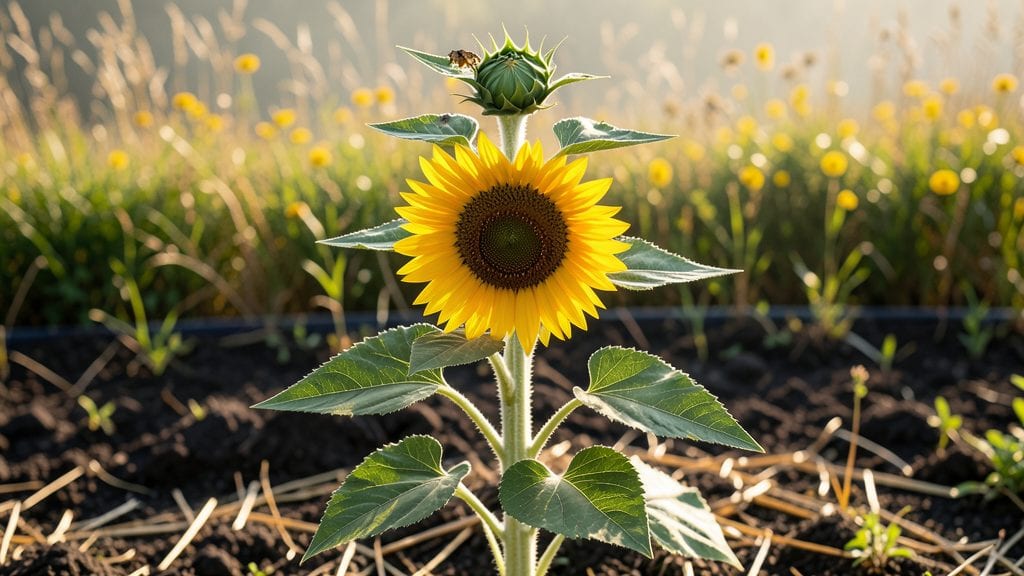
The 5 stages of a sunflower—from a shy sprout to a golden crown—unfold like a living time-lapse, each step a masterclass in nature’s patience and power. 🌻 autumn.
I’ve tracked sunflowers through every phase, and I’ll show you what to expect at each milestone so you can nurture them like a pro.
The journey starts with a cotyledon stage, where those first two round leaves unfurl like tiny hands reaching for light. Then comes the vegetative phase, when the plant shoots up rapidly, developing serrated leaves and a sturdy stem.
Most gardeners miss the subtle shift into bud formation, when the flower head tightens into a fuzzy green ball—this is where proper support (like staking) prevents flopping later.
By full bloom, your sunflower becomes a golden beacon for pollinators, with petals radiating outward like sunrays. The final stage is often overlooked: the seed development phase, when the flower head turns brown and heavy with potential.
Harvesting those seeds properly ensures next year’s crop starts strong—and you’ll recognize each stage instantly after seeing them once.
Whether you’re growing sunflowers for cut flowers, birdseed, or just the joy of watching them grow, these five stages are your roadmap. Each phase has its own quirks, from slug attacks on young sprouts to powdery mildew on buds—here’s how to spot and solve them before they become problems.
📚 In This Guide
- What you need
- Instructions
- Tips and common mistakes
- Wrapping up and next steps
What you need
- ● Sunflower seeds: Choose Helianthus annuus varieties (e.g., 'Mammoth' or 'Autumn Beauty'). Buy 5–10 seeds for observation or 20+ seeds for a full garden patch.
- ● Potting soil or garden bed: Use well-draining soil (pH 6.0–7.5). For pots, a 5–10 gallon container per plant is ideal.
- ● Watering can or hose: A gentle spray nozzle helps avoid disturbing seedlings.
- ○ Fertilizer (optional but helpful): Balanced 10-10-10 fertilizer (1 tbsp per plant every 4–6 weeks).
- ● Or compost (mix 1 cup into soil before planting).
- ● Stake or trellis (for tall varieties): A 6-foot wooden stake or flexible bamboo trellis to support mature plants.
- ● Garden journal or camera: To document each stage! Sketch or snap photos of changes weekly.
- ● Neem oil (1–2 tbsp per gallon of water): Spray to deter aphids, beetles, or powdery mildew (common pests in stages 3–5).
- ● Row covers (fine mesh): Use for seedlings to block cabbage worms or birds.
- ● Pruning shears: Small, sharp pair to remove damaged leaves or dead blooms.
- ● Sunflower companion plants: Marigolds or basil to repel pests naturally.
- ● Glow-in-the-dark plant markers: Label stages (e.g., "Germination," "Bud") for kids or classrooms!
- ● Birdseed mix: Once flowers fade, leave seed heads for wildlife observation.
How to identify each growth stage of a sunflower
Watch your sunflower transform from a tiny seed to a towering masterpiece—here’s how to spot each milestone.
🌱 Stage 1: Germination and Seedling Emergence
The first sign of life appears 7-14 days after planting, when the seedling pushes through the soil with its cotyledons—those first two round leaves. You’ll notice a tiny sprout breaking the surface, often with a slightly curved stem as it fights upward. This stage is delicate, so keep the soil consistently moist but never soggy—sunflowers hate wet feet.
At this point, the seedling relies entirely on its seed reserves. Once the first true leaves appear (they’ll be narrow and serrated, not round like cotyledons), you can ease up on watering slightly. Watch for yellowing leaves—this usually means either overwatering or poor drainage, both of which can stunt growth.
🌿 Stage 2: Vegetative Growth and Leaf Development
Between 2-6 weeks, your sunflower will shoot up rapidly, developing its characteristic lance-shaped leaves along a sturdy stem. This is the phase where you’ll see the most dramatic height increase—sometimes 3-5 inches per week under ideal conditions. The plant focuses on building strong roots and foliage before flowering.
Here’s the thing—sunflowers are heavy feeders. If you notice pale leaves or stunted growth, it’s time to fertilize with a balanced 10-10-10 formula. The stem should feel firm when touched; if it feels hollow or weak, it’s a sign of nutrient deficiency or poor soil structure. This stage is also when you’ll spot the bud forming at the top—it’ll look like a fuzzy, green bump.
☀️ Stage 3: Bud Formation and Pre-Flowering
The bud stage begins when the top of the plant swells into a rounded, fuzzy ball—this is the flower head developing. You’ll see the bracts (those small, leaf-like structures) tighten around the center. This phase lasts 1-2 weeks, and the bud will gradually change from green to a deeper, richer hue. Sunflowers need full sun (6+ hours daily) now—any shade will delay blooming.
If your plant is in a container, you might notice it leaning toward the light. This is normal, but if the stem bends sharply, it’s a sign the pot is too small. The bud should feel firm when gently squeezed—if it’s soft or mushy, it’s a sign of overwatering or fungal issues. At this point, reduce watering slightly to let the roots strengthen before the heavy bloom.
🌻 Stage 4: Full Bloom and Pollination
When the petals fully unfurl, you’ve reached the bloom stage—usually 8-12 weeks after planting. The flower will open wide, revealing the dark center where pollination happens. Sunflowers are self-pollinating, but bees and butterflies help spread pollen. You’ll see the anthers (those yellow-tipped structures) release pollen, which dusts the pistils below.
This is the sunflower’s most vibrant phase, but it’s also when you need to protect it from pests. Check daily for aphids or earwigs, which love to nest in the center. If you see chewed petals or holes, remove the pests by hand or spray with neem oil. The bloom lasts 7-10 days—once the petals start wilting, it’s time to prepare for the final stage.
🪴 Stage 5: Seed Maturation and Plant Decline
The last stage begins when the petals drop and the seed head turns from green to brown. Inside, the seeds are maturing—30-50 days after flowering, they’ll be fully ripe when the back of the head turns papery and yellowish-brown. To harvest, cut the head when the outer petals are dry and brittle, then hang it upside down in a dry, dark place for 2 weeks to dry completely.
Don’t let the dying foliage fool you—this stage is crucial. If you leave the seeds too long, they’ll scatter on their own. You’ll know they’re ready when the seeds rattle inside the head when shaken. Once harvested, store them in a cool, dry place for next year’s planting. The plant itself will wither, but its legacy lives on in the seeds.
Tips & tricks for perfect sunflower growth
Growing sunflowers from seed to towering bloom requires patience and attention to detail—here are the insights that'll help you nurture each stage like a pro.
Germination Timing: The 7-14 day window for seedling emergence can feel like an eternity, but consistency is key. Plant seeds about 1/2 inch deep in well-draining soil and maintain 70-75°F soil temperature for optimal sprouting. I've found that using a seedling heat mat during cool weather can cut germination time by nearly half. Once you spot those first cotyledons, resist the urge to overwater—they're delicate and can rot if soil stays too damp.
Growth Monitoring: During the 2-6 week vegetative stage, track your sunflower's height weekly to ensure it's growing at least 3-5 inches per week. If growth stalls, check for pale leaves (nutrient deficiency) or hollow stems (poor soil structure). I always mix in a handful of compost when transplanting to give roots a nutrient boost. The bud forming at the top signals the plant is ready to shift energy from leaves to flowers.
Bud Care: When the bud stage begins, reduce watering slightly to prevent fungal issues—mushy buds mean overwatering. Position containers near a sunny window to prevent leaning, or rotate pots daily if growing indoors. The 1-2 week bud phase is when sunflowers need the most light; supplement with grow lights if natural sunlight falls short of 6 hours daily.
Harvesting Secrets: For perfect seed maturation, harvest when the back of the head turns papery and seeds rattle inside. I hang heads upside down in a dark, dry place to finish drying—this prevents mold and ensures crisp seeds. Store harvested seeds in airtight containers with a silica packet to maintain freshness for up to a year.
Pro Tips for 5 Stages Of A Sunflower
- Growing sunflowers from seed to towering bloom requires patience and attention to detail—here are the insights that'll help you nurture each stage like a pro.
- Germination Timing: The 7-14 day window for seedling emergence can feel like an eternity, but consistency is key.
- Growth Monitoring: During the 2-6 week vegetative stage, track your sunflower's height weekly to ensure it's growing at least 3-5 inches per week.
Frequently asked questions
Got questions about sunflower growth? You’re not alone! Here are some of the most common queries about the 5 stages of a sunflower—from curious gardeners to seasoned farmers.
How long does it take for a sunflower to go from seed to full bloom?
A sunflower typically takes 80 to 120 days to reach maturity, depending on the variety. Dwarf sunflowers may bloom faster (around 60 days), while giant varieties can take up to 150 days. Warm temperatures and consistent sunlight speed up the process!
What do I do if my sunflower seedling wilts or turns yellow?
Yellowing or wilting seedlings often signal overwatering, underwatering, or poor drainage. Let the soil dry slightly between waterings and ensure pots or beds have drainage holes. If pests like aphids are present, spray with soapy water or neem oil.
Can sunflowers bloom in partial shade?
Sunflowers thrive in full sun (6+ hours daily), but they can tolerate partial shade—especially in hot climates. If grown in shady spots, expect smaller blooms and weaker stems. Rotate plants occasionally to maximize sunlight exposure.
What pests commonly attack sunflowers at each growth stage?
Here’s a quick breakdown:
- Seedling stage: Cutworms and slugs chew stems.
- Vegetative stage: Aphids and spider mites suck sap.
- Bud stage: Sunflower moths lay eggs in buds.
- Flowering stage: Birds may peck seeds; deer browse stems.
- Seed stage: Squirrels and birds steal seeds.
Can I harvest sunflower seeds before they fully mature?
Yes! For immature seeds (green and soft), harvest when the back of the bloom turns yellow. Roast them like nuts! For fully mature seeds (brown and dry), wait until the petals drop. Store seeds in a cool, dry place to prevent mold.
Wrapping up and next steps
Watching a sunflower grow through its five transformative stages is like witnessing nature’s own masterpiece unfold—from a tiny seed to a radiant bloom standing tall against pests and challenges. Each phase, from sprouting to seed-setting, teaches patience, resilience, and the beauty of persistence. 🌻✨
Now that you’ve learned how to nurture your sunflower through every step, why not take action? Plant a seed today, observe its journey, and share your progress with fellow gardeners. Every sunflower you grow is a victory against pests and a celebration of life’s simple, stunning cycles!