
Shrubs
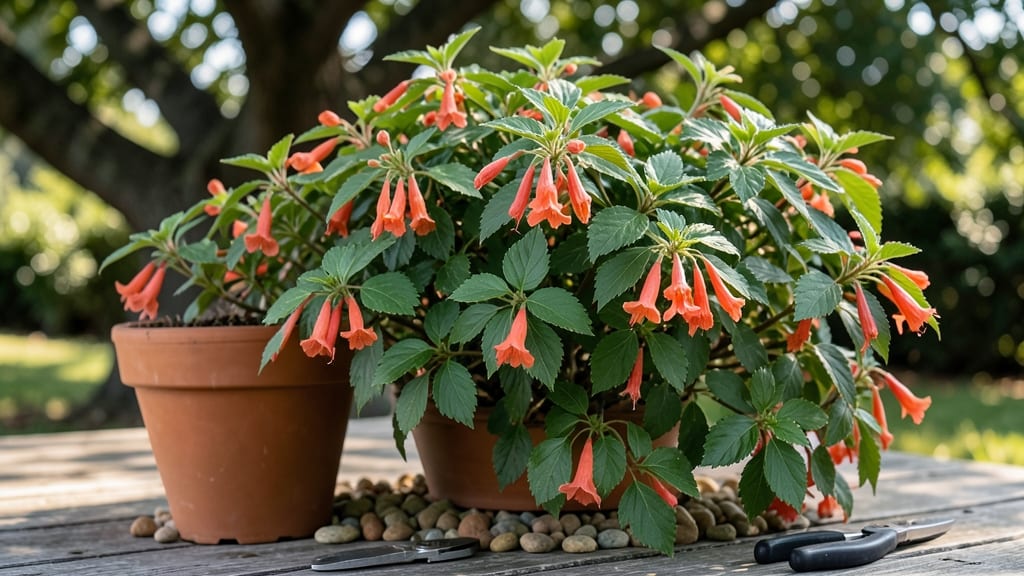
The Abutilon 'Red Tiger' flowering maple brings bold red blooms and year-round hummingbird visits to Pacific Northwest gardens—if you nail its care. 🌿 I’ve grown this plant through three rainy seasons, and the key to its success isn’t complicated: it’s about balancing its tropical roots with our cool, damp climate.
The secret lies in mimicking its natural habitat while adapting to local conditions.
This plant thrives in bright, indirect light—think east or west-facing windows or a partially shaded patio. Well-draining soil prevents root rot, and watering when the top inch feels dry keeps it happy without drowning it.
Prune in early spring to shape the plant and encourage bushier growth, and pinch back leggy stems in summer for more blooms. Indoor varieties need winter dormancy with cooler temps and less water.
You’ll end up with a vibrant, bushy plant covered in trumpet-shaped flowers from spring to frost. Hummingbirds will hover constantly, and the deep red foliage adds striking contrast to any garden. The best part? It’s disease-resistant and forgiving once you understand its basic needs.
Whether you’re growing it in containers or the ground, this plant adapts beautifully to Pacific Northwest conditions. Let’s get yours thriving with these step-by-step tips—no green thumb required!
📚 In This Guide
- What you need
- Instructions
- Tips and common mistakes
- Wrapping up and next steps
What you need
- ● Plant: 1 healthy Abutilon Red Tiger plant (nursery-grown, 1-3 gallons) or
- ● Seeds (if starting from scratch—germination can be finicky!)
- ● Soil: 5-10 bags of well-draining potting mix (or amend garden soil with compost and perlite for aeration).
- ● Container (if potted): 1 large pot (15+ gallons) with drainage holes or a raised bed (minimum 12" depth).
- ● Fertilizer: 1 bag of balanced, slow-release fertilizer (10-10-10 or 20-20-20) or organic options like fish emulsion or worm castings.
- ● Tools: 1 trowel or transplant spade
- ● 1 pair of pruning shears (sterilized!)
- ● 1 watering can or hose with a gentle spray nozzle
- ○ 1 mulch (optional but helpful: cedar chips or pine straw, 2-3 inches thick).
- ● Support: 1-2 small stakes or a cage trellis (if your plant grows tall—up to 6 ft!).
- ● Hummingbird Feeder: 1-2 nectar feeders (to supplement natural blooms, especially in early spring).
- ● Soil Test Kit: To check pH (ideal range: 6.0–7.0).
- ● Epsom Salt: 1 small bag (for magnesium boosts if leaves yellow).
Step-by-step instructions for planting and cultivating Abutilon Red Tiger
This vibrant shrub thrives in Pacific Northwest climates—here's how to establish it for year-round hummingbird visits.
🪴 Step 1: Choose the Perfect Location and Prepare the Soil
The Abutilon Red Tiger loves full sun to partial shade—at least 6 hours of direct sunlight daily—but in hotter PNW summers, afternoon shade prevents leaf scorch. I always pick a spot with sheltered air circulation to prevent fungal issues common in our damp climate. Test your soil first: this plant prefers well-draining, slightly acidic to neutral soil (pH 6.0-7.0).
Before planting, amend your native soil with 2-3 inches of compost and 1 inch of perlite to improve drainage. The Red Tiger hates soggy roots, so if your soil stays damp for more than 24 hours after rain, raise the planting area by 6 inches using a mound of amended soil. I like to dig a hole twice as wide as the root ball but only as deep—planting too deep suffocates the stem and causes rot.
🌱 Step 2: Plant and Water for Immediate Establishment
Gently remove the plant from its container and loosen any circling roots—this encourages outward growth. Place it in the hole so the top of the root ball sits level with the surrounding soil (never buried). Fill around the roots with native soil mixed with compost, pressing lightly to eliminate air pockets. The Red Tiger's root system is sensitive, so avoid compacting too firmly—you want the soil to stay loose for root expansion.
Water deeply right after planting—about 1 gallon per plant—until moisture reaches 12 inches down. You'll know it's enough when water runs out the bottom of the hole. Mulch with 2-3 inches of wood chips, keeping the mulch 6 inches away from the stem to prevent rot. This helps retain moisture and regulate soil temperature, which is especially helpful during our cool, wet springs.
☀️ Step 3: Prune and Fertilize for Year-Round Blooms
Prune in early spring before new growth begins. Cut back one-third of the plant's height to encourage bushier growth and more flowering stems. I always make cuts just above a leaf node (where leaves attach to the stem) to promote branching. Remove any dead, diseased, or crossing branches—this improves airflow and prevents fungal issues like powdery mildew, which can be stubborn in our humid summers.
Fertilize twice a year: once in early spring with a balanced 10-10-10 fertilizer and again in early summer with a low-phosphorus, high-potassium (5-10-10) formula to support blooming. Apply fertilizer only when the soil is moist—never on dry soil, or you'll burn the roots. Water deeply after fertilizing to help distribute nutrients evenly. The Red Tiger responds beautifully to feeding, producing bright orange-red blooms that hummingbirds can't resist year-round.
💧 Step 4: Maintain Consistent Watering and Pest Control
Water deeply once a week during the growing season, providing 1-2 gallons per plant depending on size. In our mild PNW climate, overwatering is a bigger risk than underwatering—let the top 2 inches of soil dry out between waterings. You'll notice the leaves curl slightly if the plant is thirsty, but they'll perk up within 24 hours of watering. In winter, reduce watering to every 2-3 weeks unless we have an unusually dry spell.
Watch for aphids and spider mites, which love the Red Tiger's lush foliage. I treat infestations with a soapy water spray (1 tablespoon mild dish soap per gallon of water) applied in the early morning to avoid harming beneficial insects. If pests persist, use neem oil as a natural deterrent. Regularly inspect the undersides of leaves—that's where pests hide and multiply.
✂️ Step 5: Winter Care for Pacific Northwest Resilience
While the Red Tiger is hardy to USDA Zone 9, our PNW winters can still test it. In Zone 8 or colder areas, protect the plant by wrapping the base with burlap and covering it with 4-6 inches of mulch. In Zone 9, minimal protection is needed—just a light layer of mulch to insulate the roots. Prune back lightly in late winter (February) to shape the plant and remove any dead growth. Avoid heavy pruning until spring, as new growth is more vulnerable to late frosts.
This shrub is evergreen in warmer zones, but in cooler PNW areas, it may drop some leaves in winter. Don't panic—new growth will return in spring. If you notice yellowing leaves, it's often a sign of overwatering or poor drainage. Adjust your care routine accordingly, and you'll have a vibrant, hummingbird-friendly shrub that thrives year after year.
Tips & tricks for perfect Abutilon Red Tiger cultivation
These practical insights will help your Red Tiger thrive year-round, especially in our challenging PNW climate.
Soil Preparation Secret: The 2-3 inches of compost and 1 inch of perlite aren't just numbers—they create the perfect air-to-moisture balance. I've found that adding a handful of worm castings to the mix gives an extra nutrient boost without altering the soil structure. For heavy clay soils, consider adding 1 part sand to every 3 parts compost to prevent compaction. Remember, the goal is to mimic the well-draining conditions this tropical native loves.
Planting Depth Technique: That "as deep" instruction about planting depth is critical—never bury the stem! I've seen many gardeners accidentally plant too deep, which leads to stem rot. To check depth, use a small stick to mark the root ball's top before planting. After placing it in the hole, the mark should align perfectly with the surrounding soil line. This simple visual cue prevents one of the most common planting mistakes with Red Tiger.
Watering Wisdom: The 1 gallon per plant for initial watering might seem like a lot, but it's essential for establishing strong root systems. I recommend using a soaker hose for this deep watering—it delivers moisture evenly without disturbing the soil. For subsequent waterings, focus on the top 2 inches of soil drying out between sessions. A simple finger test works best: stick your finger in the soil, and if it feels dry 2 inches down, it's time to water again.
Pruning Precision: When cutting back one-third of the plant's height in early spring, aim for clean cuts just above leaf nodes. I use sharp, sterilized pruners to make angled cuts about 1/4 inch above the node. This technique promotes better healing and encourages new growth from exactly where you want it. For larger branches, make the cut at a 45-degree angle to prevent water from pooling on the cut surface, which can lead to rot.
Pro Tips for Abutilon Red Tiger Flowering Maple
- These practical insights will help your Red Tiger thrive year-round, especially in our challenging PNW climate.
- Soil Preparation Secret: The 2-3 inches of compost and 1 inch of perlite aren't just numbers—they create the perfect air-to-moisture balance.
- Planting Depth Technique: That "as deep" instruction about planting depth is critical—never bury the stem!
Frequently asked questions
about the Abutilon Red Tiger flowering maple—because every gardener deserves clarity!Is the Abutilon Red Tiger hardy in cold climates like the Pacific Northwest?
The Abutilon Red Tiger thrives in USDA Zones 9–11 but can be grown in cooler zones (like the PNW) as a container plant or with winter protection. Bring it indoors before temps drop below 20°F (-6°C), or mulch heavily and wrap the pot for outdoor overwintering. Many gardeners swear by greenhouse or patio moves to extend its blooming season!
Why isn’t my Abutilon Red Tiger attracting hummingbirds?
Hummingbirds love this plant, but a few tweaks can help: Ensure it’s in full sun (6+ hours/day), prune leggy growth to encourage dense blooms, and avoid over-fertilizing with high nitrogen (which promotes leaves over flowers). Red tubular flowers are their favorite—if yours aren’t vibrant, check for underwatering or pests like spider mites, which stress the plant.
How often should I water my Abutilon Red Tiger?
Water when the top 1–2 inches of soil feel dry—typically every 5–7 days in summer and every 2–3 weeks in winter (if indoors). Overwatering is the #1 killer! Use well-draining soil (like a cactus/succulent mix) and a pot with drainage holes to prevent root rot. Mist leaves occasionally in dry climates to keep them lush.
When and how should I prune my Abutilon Red Tiger?
Prune in early spring (March–April) to shape the plant and encourage bushier growth. Cut back 1/3 of the stems to the nearest leaf node, and remove any dead or crossing branches. You can also lightly trim after blooming to prolong flowers. Wear gloves—the fuzzy leaves can irritate skin!
What are some low-maintenance alternatives to Abutilon Red Tiger?
If you love the hummingbird appeal but want easier care, try:
- Salvia (Scarlet Sage) – Drought-tolerant, blooms nonstop, and adored by hummers.
- Fuchsia – Thrives in partial shade, produces hanging tubular flowers.
- Penstemon (Beardtongue) – Native-friendly, long-lasting blooms, and deer-resistant.
- Lantana – Heat-loving, colorful clusters, and attracts butterflies too!
Wrapping up and next steps
The Abutilon Red Tiger isn’t just a shrub—it’s a year-round hummingbird magnet that brings color, life, and joy to the Pacific Northwest’s gardens.
With its vibrant blooms, easy care, and resilience, it’s the perfect addition for both novice and seasoned gardeners looking to attract wildlife while adding beauty to their outdoor space.
Ready to transform your garden? Start by selecting a sunny spot, gathering your supplies, and planting your Red Tiger Abutilon this season. Watch as your yard becomes a buzzing, blooming haven! 🌸🐦