
Flowers
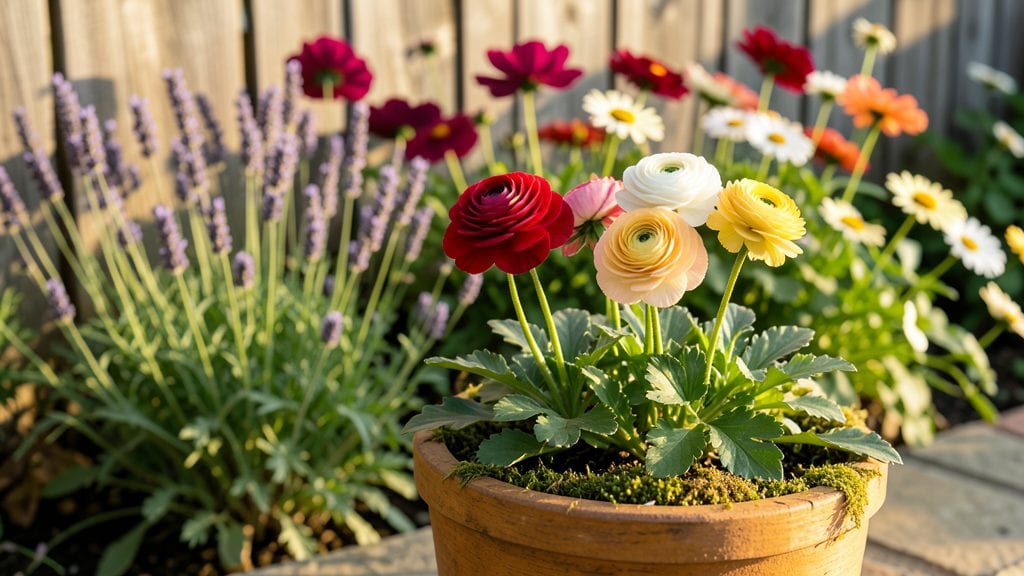
All things flowers start with a garden that never stops blooming—no matter how busy life gets. 🌸 I’ve designed flower beds that stay vibrant from spring through fall with zero monthly pruning, just strategic plant choices and a little upfront planning.
The secret? Layering plants that bloom at different times and self-clean (like daisies and coneflowers) while letting foliage take center stage when flowers fade.
Think of it as a living mosaic: tall spikes of black-eyed Susans (6–8 feet) anchor the back, mid-height shasta daisies (3–4 feet) add volume, and trailing sweet alyssum (6 inches) spills over edges.
Mix in Russian sage for late-season purple clouds, and you’ve got color from May until frost. The best part? Deadheading happens naturally—just snip spent blooms occasionally, and the garden keeps itself tidy.
You’ll end up with a garden that looks like a professional designer did it—lush, layered, and full of movement—while requiring less work than mowing. Imagine walking past in July and being stopped by neighbors asking, "What’s your secret?"
(Spoiler: It’s the 30-minute prep that saves you hours later.) The key is balancing perennials with annuals for gaps and choosing varieties that thrive in your light conditions.
Works for small city balconies or sprawling backyard borders—just adjust the scale. Whether you love cottage charm, modern minimalism, or pollinator paradises, this approach adapts to any style. Let’s build a garden that’s as easy to maintain as it is stunning to see.
📚 In This Guide
- What you need
- Instructions
- Tips and common mistakes
- Wrapping up and next steps
What you need
- ● Perennials (for structure & season-long color): 5–7 Coneflower (Echinacea purpurea) (drought-tolerant, attracts pollinators)
- ● 3–5 Black-Eyed Susan (Rudbeckia hirta) (bright yellow blooms, thrives in sun)
- ● 4–6 Daylily (Hemerocallis) (hardy, reblooms, low-maintenance)
- ● 3 Russian Sage (Perovskia atriplicifolia) (silver foliage, purple spikes, deer-resistant)
- ● Annuals (for pops of color & fillers): 10–15 Marigold (Tagetes) (sun-loving, pest-repellent, easy to grow)
- ● 8–10 Zinnia (Zinnia elegans) (long-lasting blooms, great for cutting)
- ● 5–7 Sweet Alyssum (Lobularia maritima) (fragrant, fills gaps, attracts bees)
- ● Ground Cover (for texture & weed suppression): 10–12 Creeping Thyme (Thymus serpyllum) (drought-resistant, aromatic, sun-loving)
- ○ Optional: 3–5 Ajuga (Bugleweed) (purple foliage, spreads easily in shade)
- ● Must-Haves: 1 Garden trowel (for planting small roots)
- ● 1 Garden fork or spade (for digging and aerating soil)
- ● 1 Pruning shears (sharp, bypass-style for clean cuts)
- ● 1 Garden hose with adjustable nozzle (for watering)
- ● 1 Wheelbarrow or bucket (for hauling soil/amendments)
- ● 1 Gloves (gardening or work gloves for protection)
- ○ Nice-to-Haves (Optional): 1 Soil pH tester (to ensure optimal growing conditions)
- ● 1 Mulch (shredded bark or straw) (3–4 inches to retain moisture)
- ● 1 Knee pad or cushion (for comfort during planting)
- ● 1 Plant labels & marker (to track varieties and care needs)
- ● Site Selection: Choose a spot with 6+ hours of sunlight daily (or partial shade for shade-loving plants).
- ● Ensure well-draining soil (amend with compost if needed).
- ● Soil Prep: Test soil pH (aim for 6.0–7.0) and amend with compost or organic matter.
- ● Pro Tip: 💡 Mix in 1–2 inches of compost into the top 6–12 inches of soil for nutrients.
- ● Timing: Plant perennials in early spring or fall (avoid extreme heat).
- ● Sow annuals after the last frost date in your area.
Step-by-Step guide to designing a low-maintenance flower garden
Here's how to create a vibrant, year-round display that thrives with minimal pruning and effort.
🌱 Step 1: Plan for Seasonal Layering and Height Variation
Start by sketching your garden space with three distinct layers: tall perennials in the back, mid-height annuals in the middle, and low-growing ground covers or bulbs in the front. I like to use 18-24 inch perennials like coneflowers or black-eyed Susans at the back, 12-18 inch annuals such as petunias or salvias in the middle, and 6-12 inch bulbs like daffodils or crocuses up front. This creates depth and ensures continuous bloom from early spring through fall.
Real talk: Avoid planting everything with the same bloom time. Mix early bloomers like tulips with mid-season favorites like daylilies and late-season performers like asters. That way, when one variety fades, another takes over seamlessly. Space plants 12-18 inches apart depending on their mature size—crowding leads to weak stems and fewer blooms.
☀️ Step 2: Group Plants by Sunlight and Water Needs
Divide your garden into zones based on sunlight exposure: full sun (6+ hours), partial shade (3-6 hours), and full shade (less than 3 hours). I always place sun-loving flowers like lavender and coreopsis in the south-facing areas, while shade-tolerant varieties such as impatiens or ferns go in the north or under trees. This prevents struggling plants that get too much or too little light.
Water needs matter just as much. Group drought-tolerant plants like sedum or yarrow together, and keep moisture-loving flowers like snapdragons or impatiens in their own section near a water source. Mulch each group with 2-3 inches of organic mulch to retain moisture and suppress weeds—this cuts watering time by nearly half.
🌿 Step 3: Choose Native or Drought-Tolerant Varieties for Minimal Care
Opt for flowers that thrive in your climate with minimal intervention. Native plants like bee balm, black-eyed Susans, and coneflowers are naturally adapted to local conditions, requiring less water, fertilizer, and pest control. I've found that perennials—which return year after year—reduce replanting effort compared to annuals. For example, planting 5-7 perennials in a 4x4 foot area creates a full, long-lasting display with almost no replanting.
Here's the thing—avoid high-maintenance annuals like marigolds or zinnias if you want low effort. Instead, focus on perennials like Russian sage, catmint, or sedum. These require one pruning session in early spring to tidy up dead foliage and that's it. They also attract pollinators, which keeps your garden thriving naturally.
✂️ Step 4: Implement Strategic Deadheading and Seasonal Pruning
Deadhead spent blooms regularly to encourage more flowers and prevent self-seeding weeds. I like to do this every 2-3 weeks during the growing season by simply pinching off faded flowers with my fingers or shears. This keeps the plant focused on producing new blooms instead of seeds. For perennials, wait until late fall or early spring to cut back completely—this protects overwintering buds and gives beneficial insects a place to hide.
Don't skip the occasional deep pruning in late winter or early spring before new growth starts. This removes old wood and encourages fresh, vigorous growth. I prune back one-third of the plant's height for most perennials, but always leave some foliage to protect the crown. This single step keeps plants healthy and blooming abundantly for years.
🪴 Step 5: Add Hardscaping and Structural Elements for Long-Term Appeal
Incorporate 3-5 structural elements like trellises, obelisks, or garden stakes to add vertical interest and support climbing flowers. I often use 6-foot tall obelisks for petunias or morning glories, which instantly draw the eye upward and create a focal point. These structures also make it easier to train vines and keep them off the ground, reducing disease risk.
Add pathways or stepping stones to define garden sections and make maintenance easier. Gravel or mulch paths keep weeds down and make it simple to move around without trampling plants. Place 2-3 decorative stones or a small bench to create cozy seating areas where you can enjoy the flowers without disturbing the beds. This small investment makes the garden feel complete and inviting.
Tips & tricks for perfect season-long flower gardens
A few simple strategies will help you create a garden that blooms beautifully with almost no upkeep. The key is in the planning and maintenance details that most people overlook.
Layering Secret: When you're sketching your garden layout in Step 1, think vertically as well as horizontally. The 18-24 inch tall perennials at the back should have 3-5 structural elements like obelisks or trellises to create visual interest. I like to add climbing roses or morning glories to these structures—they'll grow up naturally and create a stunning vertical display that draws the eye upward. This vertical layering makes your garden feel fuller and more dynamic without requiring extra planting space.
Sunlight Strategy: Step 2's sunlight grouping is where many gardens fail. I've seen people place shade-loving impatiens in full sun and wonder why they wilt. Here's the thing: pay attention to your garden's microclimates. The north side of your house gets less sun than the south, and trees create moving shade patterns. Use a sunlight map (available online) for your specific location to plan accurately. This prevents the common mistake of plants struggling because they're in the wrong light conditions.
Pruning Precision: In Step 4, when you're deadheading every 2-3 weeks, use clean, sharp pruners or even your fingernails to pinch off spent blooms. The goal is to remove just the faded flower head, not the leafy stem underneath. This encourages more blooms while keeping the plant healthy. For perennials, that late fall/early spring pruning is crucial—cut back to about one-third of the plant's height, but never remove all the foliage. The remaining leaves protect the crown and provide winter shelter for beneficial insects.
Mulch Mastery: The 2-3 inches of organic mulch mentioned in Step 2 is non-negotiable for low-maintenance gardens. I recommend using shredded bark or wood chips—they break down slowly and improve soil structure over time. Apply mulch after planting and water thoroughly to settle it. This layer suppresses weeds by 80% and retains moisture, cutting your watering time by nearly half. Just be sure to keep mulch 2 inches away from plant stems to prevent rot.
Pro Tips for All Things Flowers
- A few simple strategies will help you create a garden that blooms beautifully with almost no upkeep.
- Layering Secret: When you're sketching your garden layout in Step 1, think vertically as well as horizontally.
- Sunlight Strategy: Step 2's sunlight grouping is where many gardens fail.
Frequently asked questions
Got questions about creating a low-maintenance, season-long floral display? Here are some of the most common queries—and their answers—to help you design with confidence!
What are the easiest flowers for beginners with minimal pruning needs?
Opt for hardy perennials like coneflowers, black-eyed Susans, or daylilies. These thrive with little attention, rebloom yearly, and often self-seed for extra color. Annuals like marigolds or zinnias also require minimal pruning but add instant pops of color.
How do I keep my flower garden looking fresh all season without constant pruning?
Choose deadheading-resistant varieties (like shasta daisies) or mix perennials with varying bloom times. Group flowers by color/height for visual cohesion, and mulch to retain moisture—reducing stress that triggers excessive pruning. A quick sweep of spent blooms every 2–3 weeks keeps things tidy.
Can I mix perennials and annuals in the same garden bed for year-round color?
Pair perennials (like lavender or salvia) with short-lived annuals (e.g., pansies in spring/fall). Annuals fill gaps while perennials establish roots. Just ensure annuals get enough sun/water—they’re thirstier than perennials but add vibrant transitions between seasons.
What’s the best way to prune flowers without harming them?
Use clean, sharp shears and cut just above a leaf node (where new growth emerges). Avoid "shearing" (trimming too close)—it encourages leggy growth. For perennials, prune after flowering (except spring bloomers like bleeding heart) to avoid cutting off next year’s buds.
How do I protect flowers from pests or weather without over-maintaining?
Start with disease-resistant varieties (check seed packets). Use row covers for young plants or mulch to deter pests. For rain, ensure proper drainage—soggy roots invite rot. A quick spray of neem oil (early morning) deters aphids with minimal effort.
Wrapping up and next steps
From vibrant annuals to low-maintenance perennials, creating a season-long floral masterpiece doesn’t have to mean endless pruning or wilted dreams! 🌸 By blending smart plant choices, strategic layering, and a few easy-care hacks, you’ve got everything you need to enjoy bursting color with minimal fuss.
Whether you’re a green thumb or just starting, this garden design proves that beauty and effortlessness can go hand in hand.
Now that you’re armed with the perfect plants, tools, and tips, it’s time to roll up your sleeves and make it bloom! Start small—pick one bed or corner—and let your creativity (and those pollinators!) take the lead. Happy gardening! 🌿✨