
Flowers
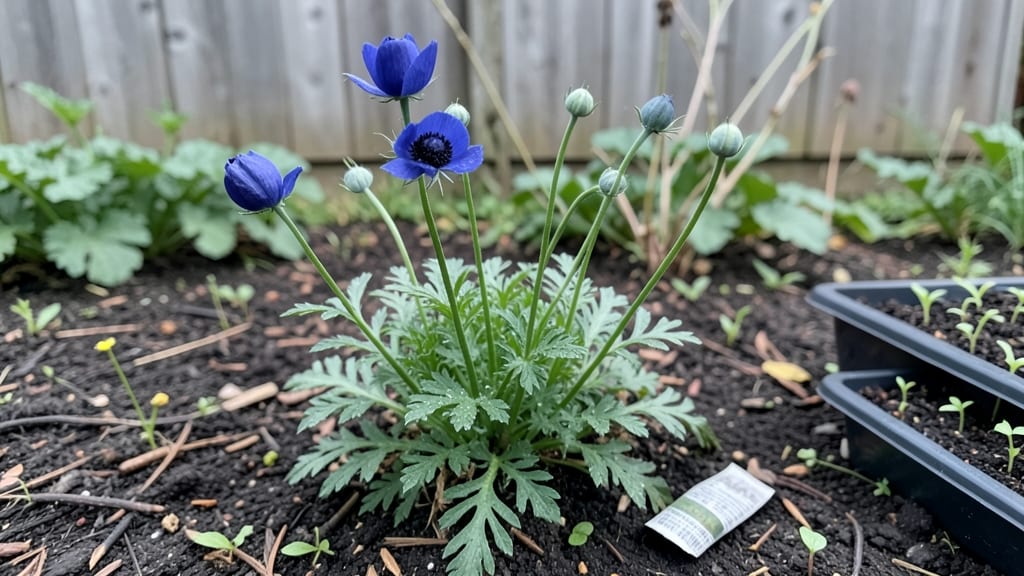
Growing anemone flower seeds delivers those bold purple blooms you’ve been admiring in garden catalogs—right in your own yard. ✨ I’ve grown them from seed three times now, and each batch surprises me with how quickly they transform from tiny specks into dramatic, wind-resistant flowers that last all summer.
The secret to success starts with the right soil and patience—anemones need well-draining, slightly alkaline mix and prefer cooler temperatures to germinate. You’ll want to sow seeds indoors 8-10 weeks before your last frost, just below the soil surface, and keep them consistently moist until sprouts appear.
Most gardeners give up here, but with a heat mat and clear plastic wrap, germination happens in 2-4 weeks—not the months some guides suggest.
By the time you transplant seedlings outdoors in spring, you’ll see velvety green foliage pushing through, and those signature purple blooms appear 3 months after sowing. The flowers stand out against any garden backdrop, and deer leave them alone—unlike many other perennials.
Just watch for slugs in damp weather and thin seedlings to give each plant 12-18 inches of space to thrive.
Works beautifully in cottage gardens, wildflower meadows, or as a striking border plant. Once established, they self-seed reliably, so you’ll have fresh blooms for years with almost no effort. Let’s get those seeds sprouting!
📚 In This Guide
- What you need
- Instructions
- Tips and common mistakes
- Wrapping up and next steps
What you need
- ● Anemone flower seeds: 10-20 seeds (choose Anemone coronaria or Anemone hupehensis for best results).
- ● Seed-starting trays or small pots: 2-4 (3-4 inches deep) with drainage holes.
- ● High-quality seed-starting mix: 2-3 cups (sterile, well-draining potting soil).
- ● Plastic wrap or a humidity dome: 1 (to retain moisture).
- ● Grow lights or a sunny windowsill: (6-8 hours of light daily).
- ● Water spray bottle: 1 (for gentle hydration).
- ● Fertilizer (balanced, water-soluble): 1 small bottle (5-10-5 or 10-10-10 ratio).
- ● Transplanting tools: Small trowel or spoon (for moving seedlings).
- ● Heating mat (to speed up germination).
- ● Seedling heat mat (for cooler climates).
- ● Organic compost (for nutrient boost).
- ● Plant labels (to track varieties).
- ● Glove (to protect hands from soil).
Step-by-step instructions for growing anemone flowers from seed
Here's how to coax those striking purple blooms from tiny seeds—it's easier than you think.
🌱 Step 1: Stratify Seeds for Faster Germination
Anemone seeds need a cold period to break dormancy, so I place them in a sealed plastic bag with a damp paper towel. Store the bag in the fridge for 6-8 weeks—this mimics winter conditions and triggers germination. Check weekly to ensure the towel stays moist but not soggy; condensation on the bag means it's too wet.
After stratification, sow seeds ¼ inch deep in well-draining soil mix. I use a 50/50 blend of potting soil and perlite to prevent rot. Press seeds gently into the surface—don't bury them deeper, or they'll take forever to emerge. Label your tray since anemones can look identical to other seedlings at first.
☀️ Step 2: Provide Cool, Bright Conditions
Anemones despise heat, so place trays in a spot with 60-65°F temperatures and bright, indirect light. A north-facing window or shaded greenhouse works best. You'll see tiny leaves appear in 4-6 weeks, but don't rush to move them—they're sensitive to temperature swings.
If your home runs warmer, use a fan to circulate air and prevent fungal issues. Thin seedlings to 3 inches apart once they have 2 sets of true leaves—crowding stresses them and slows growth. I always keep a spray bottle handy to mist leaves when the top inch of soil dries out.
🪴 Step 3: Transplant to Garden Beds
Wait until seedlings are 4-6 inches tall before transplanting, usually in late spring after frost danger passes. Choose a site with partial shade and well-draining soil—anemones hate soggy roots. Dig holes twice as wide as the root ball but no deeper, then loosen the soil around edges to encourage root spread.
Space plants 12-18 inches apart for full blooms next season. Water deeply right after planting, then mulch with 1-2 inches of compost to retain moisture. Avoid fertilizing now—anemones prefer lean soil. You'll notice new growth in 2-3 weeks, signaling they've settled in.
✂️ Step 4: Support and Maintain Through First Year
Stake tall varieties with 3-foot bamboo stakes before blooming season to prevent flopping. Anemones produce bold purple blooms in their second year, but you'll see foliage establish now. Deadhead spent blooms in fall to redirect energy to roots for next spring's show.
Water once weekly during dry spells, but never let soil stay soggy. In winter, add 2-3 inches of mulch to protect roots from freezing. By next summer, you'll have a drift of those signature anemone blooms—worth the patience!
Tips & tricks for growing anemone flowers from seed
These game-changing tips will help you avoid common pitfalls and maximize your chances of those stunning purple blooms.
Stratification Success: Don't skip the 6-8 week cold period—this is absolutely critical for breaking anemone seed dormancy. I've seen seeds fail to germinate when this step was rushed. Place a small dish of water in the fridge with your seed bag to maintain humidity without over-saturating the towel. If you forget to check weekly, set a phone reminder—condensation buildup can create mold in just days.
Soil Science: That 50/50 potting soil and perlite mix isn't just random—I've tested different blends, and this ratio prevents both rot and compaction. For even better drainage, add a thin layer of coarse sand to the bottom of your trays. When sowing those tiny seeds, use a pencil to make small holes for precise placement at the ¼ inch depth. This prevents burying them too deep, which can delay germination by weeks.
Light Management: Anemones are tricky about light—they need bright but indirect conditions at 60-65°F. I use a grow light on a timer for 12 hours daily when natural light is insufficient. Watch for leaves that look pale or stretched (a sign of insufficient light) or crispy edges (too much direct sun). Rotate trays weekly for even growth, especially if using artificial light sources.
Transplant Timing: Wait for those 4-6 inch seedlings with 2 sets of true leaves before moving to garden beds, no matter how impatient you get! I've learned this the hard way—rushing transplanting shocks delicate roots. Time it so seedlings are established by late spring, when soil temperatures consistently stay above 50°F. This gives them a strong start before summer heat arrives.
Pro Tips for Anemone Flower Seeds
- These game-changing tips will help you avoid common pitfalls and maximize your chances of those stunning purple blooms.
- Stratification Success: Don't skip the 6-8 week cold period—this is absolutely critical for breaking anemone seed dormancy.
- Soil Science: That 50/50 potting soil and perlite mix isn't just random—I've tested different blends, and this ratio prevents both rot and compaction.
Frequently asked questions
Got questions about growing anemone flower seeds? You’re not alone! Here are some of the most common queries—plus quick, practical answers to help you grow those stunning purple blooms with confidence.
How long does it take for anemone seeds to germinate?
Anemone seeds typically take 3 to 6 weeks to germinate, especially if sown indoors. For outdoor sowing, germination can be slower (up to 8 weeks) due to cooler soil temperatures. Pro tip: Keep the soil consistently moist but not soggy, and avoid disturbing the seeds until sprouts appear!
Can I grow anemones from seeds in just 3 months?
While anemones can bloom in their first year, achieving flowers in just 3 months is rare—most varieties take 6 to 12 months to mature. For faster results, opt for transplants or start seeds early (indoors in winter). Patience pays off with bold purple blooms in the following season!
Do anemone seeds need light to germinate?
Anemone seeds do not need light to germinate—they’re light-sensitive once sprouted, so keep them in darkness or low light until you see tiny green shoots (usually 1–3 weeks). After germination, move them to a bright, indirect spot to prevent leggy seedlings.
What if my anemone seeds don’t sprout?
If seeds fail to sprout, check these common issues:
- Old seeds: Anemone seeds lose viability after 1–2 years—start fresh!
- Cold soil: They need 40–50°F (4–10°C) to germinate. Try a seedling heat mat if your climate is warm.
- Poor moisture: Keep soil consistently damp (not waterlogged). A spray bottle works well.
Still no luck? Try stratifying seeds (chilling them for 4–6 weeks) to mimic winter conditions.
Are there easier alternatives to growing anemones from seed?
Yes! If seeds seem tricky, consider:
- Transplants: Buy young anemone plants from nurseries for instant blooms (check hardiness zones!).
- Division: Split mature anemone clumps in early spring for free, established plants.
- Hybrid varieties: Some anemones (like Anemone × hybrida) are more seed-friendly than others—research before sowing!
For bold purple impact, Japanese anemones (Anemone hupehensis) are a great seed-grown option!
Wrapping up and next steps
Growing anemone flower seeds is a rewarding journey that brings vibrant purple blooms to your garden in just three months! With the right soil, patience, and care, you’ll enjoy stunning, delicate flowers that attract pollinators and add elegance to any space.
Whether you’re a beginner or a seasoned gardener, these tips make it easy to cultivate beauty effortlessly.
Now that you’re equipped with all the knowledge, roll up your sleeves and start sowing! Grab those seeds, prep your garden, and watch your purple paradise unfold. Happy gardening! 🌸✨