
Flowers
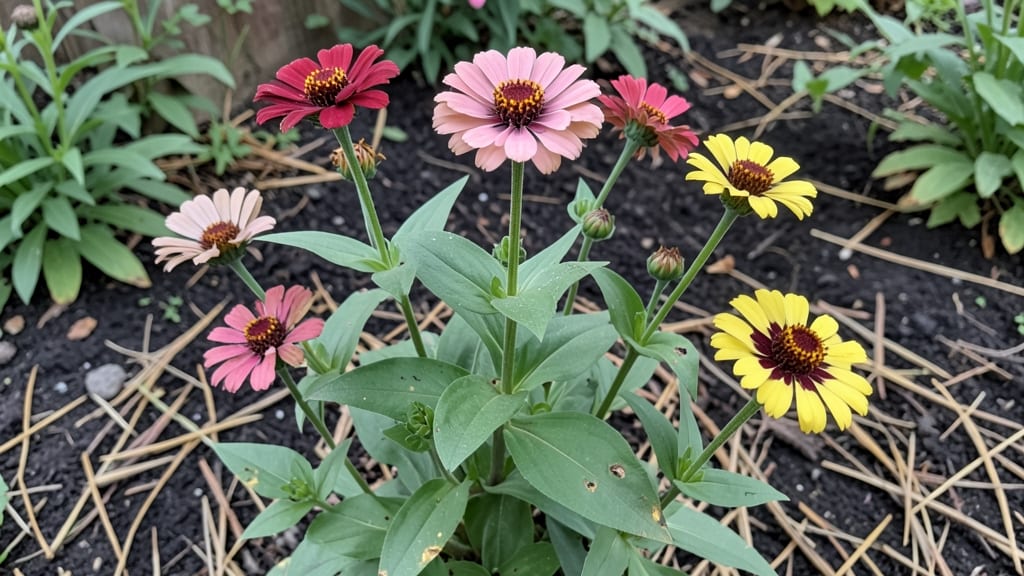
Annual flowers aren’t just pretty faces—they’re nature’s way of whispering messages in petals. 🌸 Every vibrant bloom carries centuries of meaning, from love and celebration to remembrance and resilience, waiting to transform your garden into a living storybook.
Whether you’re planting for joy, honor, or simply to brighten a corner, these fleeting beauties pack a symbolic punch that lasts far longer than their single season.
The magic happens when you pair the right flower with the right intention. Sunflowers, towering and cheerful, symbolize adoration and longevity, while delicate pansies whisper secrets of thoughtfulness and remembrance. Marigolds, with their fiery hues, ward off pests while honoring the sun—perfect for both borders and sacred spaces.
These annuals don’t just fill gaps; they complete the garden’s narrative, turning every bed into a canvas of meaning.
Imagine a summer border where every color tells a story: the bold red of geraniums for passion, the soft blue of lobelia for calm, or the golden cosmos for joy and positivity. Mix them strategically, and your garden becomes a seasonal symphony—each bloom playing its part in the bigger picture.
The best part? Annuals let you refresh the message yearly, adapting your landscape’s story to match your life’s changing chapters.
Start small with a single symbolic bed or go all out with a themed display—your garden’s meaning is yours to define. The key is intentionality: choose flowers that resonate, plant them with purpose, and watch as your outdoor space becomes more than just green and growing.
It becomes a living testament to the stories you want to tell.
📚 In This Guide
- What you need
- Instructions
- Tips and common mistakes
- Wrapping up and next steps
What you need
- ● Annual flowers: Choose 5–10 varieties based on your message (e.g., sunflowers for joy, poppies for remembrance, or marigolds for passion). Buy 3–5 stems per variety for a balanced arrangement.
- ● Fresh or dried flowers: Opt for blooms in full bloom (or nearly full bloom) for longevity. For dried arrangements, select flowers with sturdy stems (e.g., statice, baby’s breath).
- ● Floral preservative: 1 packet or bottle (e.g., Floralife) to extend the life of cut flowers by 2–3 days.
- ● Scissors or pruners: Sharp floral shears (or clean kitchen scissors) to trim stems at a 45-degree angle.
- ● Vase or container: A clean, glass vase (8–12 inches tall) or a creative alternative like a mason jar, teacup, or even a hollowed-out book for dried flowers.
- ● Water: Room-temperature tap water (avoid distilled or softened water, which lacks minerals flowers need).
- ○ Floral foam (optional): A small block (e.g., 4x4x2 inches) for arranging dried flowers or heavy blooms like roses.
- ○ Ribbon or twine (optional): For wrapping stems or adding a decorative touch (choose colors that complement your theme).
- ● Soil and pots (for gardening): Well-draining potting mix and containers (6–12 inches wide) if planting annuals outdoors.
- ○ Mulch (optional): A light layer of organic mulch (e.g., straw or shredded bark) to retain moisture and suppress weeds in garden beds.
- ● Research the symbolic meanings of your chosen annuals to align with your message (e.g., lavender for purity, daisies for innocence).
- ● Check the bloom time of your flowers to ensure they’ll be in season when you need them.
- ● Plan your color palette—annuals come in vibrant hues, so pick shades that evoke the emotion you want to convey (e.g., red for love, yellow for friendship).
How to choose annual flowers based on their symbolic meanings
Annual flowers aren't just pretty—they carry centuries of meaning. Here's how to select blooms that match your message, season, or sentiment perfectly.
🌸 Step 1: Understand the Seasonal Symbolism of Annual Flowers
Spring annuals like tulips symbolize perfect love and new beginnings, making them ideal for Easter or Mother's Day gifts. Their bright colors—from deep purple to sunny yellow—reflect the season's renewal. I always reach for tulips when I want to celebrate fresh starts, whether for a new home or a spring wedding.
Summer annuals such as sunflowers and marigolds carry bold meanings. Sunflowers represent adoration and longevity, perfect for expressing deep affection, while marigolds symbolize passion and creativity. Their vibrant hues—golden yellows, fiery oranges—capture summer's energy. I love using sunflowers in bouquets for long-lasting displays that say "I see your worth."
💐 Step 2: Match Flowers to Their Emotional Messages
For friendship and loyalty, geraniums are my go-to annuals. Their clusters of delicate blooms in pink, red, or white convey warmth and gratitude without being overly sentimental. I often include them in summer gatherings to honor lasting bonds. Geraniums thrive in containers, making them perfect for patio parties or outdoor celebrations.
If you're sending a message of remembrance, poppies are powerful choices. Their deep red blooms symbolize sacrifice and eternal sleep, making them meaningful for Memorial Day or honoring loved ones. I've used poppies in memorial gardens where their bright color stands out against green foliage, creating a space for quiet reflection.
🎁 Step 3: Select Flowers for Specific Occasions
For weddings, roses (especially annual varieties) are timeless. Red roses symbolize love, while white roses represent purity and new beginnings. I recommend mixing annual roses with seasonal blooms like zinnias for a garden that lasts all summer. Zinnias, with their cheerful colors, add joy and longevity to any celebration.
Annual dahlias are perfect for expressing gratitude or admiration. Their layered petals symbolize commitment and bonds of friendship, making them ideal for thank-you gifts or hostess bouquets. I often include dahlias in arrangements for their dramatic presence and long vase life—up to two weeks in fresh water.
🌿 Step 4: Consider Color Psychology in Your Choices
Bright yellow annuals like calendulas or black-eyed Susans radiate happiness and positivity, perfect for uplifting someone's day. I use them in hospital rooms or for cheerful get-well bouquets—their sunny colors instantly brighten any space. Calendulas also symbolize warmth and gratitude, making them a thoughtful addition to any gift.
Deep blues and purples, like those in petunias or cleome, convey calmness and wisdom. These hues are ideal for expressing respect or admiration in a subtle way. I often include them in arrangements for older loved ones or in serene garden spaces where their cool tones create a peaceful atmosphere.
⏰ Step 5: Plan for Long-Lasting Symbolic Impact
Choose annuals with long blooming seasons to extend their symbolic messages. Zinnias and cosmos bloom from early summer until frost, making them reliable choices for gardens that need to convey joy or innocence throughout the season. I plant zinnias in borders where their bright colors draw attention and symbolize enduring friendship.
For winter messages, consider pansies or violas, which bloom in cooler months and symbolize thoughtfulness and loyalty. Their delicate faces seem to "look" at you, reinforcing their meaning of remembrance. I use them in holiday arrangements to convey heartfelt wishes during the colder months.
Tips & tricks for perfect annual flower arrangements
A few thoughtful strategies will help you create arrangements that speak volumes—and last longer than just a season.
Seasonal Pairing: In Step 1, when selecting spring tulips, pair them with hyacinths for extra layers of meaning—hyacinths symbolize sincerity and constancy, reinforcing the new beginnings tulips represent. For summer arrangements in Step 2, combine sunflowers with cosmos (which mean "harmony") to amplify the adoration message. This creates more nuanced symbolic bouquets that tell richer stories.
Color Psychology: When working with Step 4's color psychology, remember that yellow calendulas paired with blue delphiniums create a powerful happiness-and-trust combination. For memorial arrangements in Step 2, add white poppies alongside red ones—their purity symbolism softens the intensity of sacrifice. The color contrast makes the message more balanced and visually striking.
Long-Lasting Impact: For Step 5's long-blooming annuals, try this pro trick: When arranging zinnias and cosmos, place them in a vase with a penny or two at the bottom. The copper prevents bacterial growth, extending vase life by up to 50%. This simple hack ensures your symbolic messages last longer, whether for summer celebrations or winter remembrance.
Occasion Customization: When selecting flowers for specific occasions in Step 3, consider adding optional foliage to enhance symbolism. For weddings, mix annual roses with eucalyptus (symbolizing protection) and lavender sprigs> (representing devotion). For gratitude bouquets, incorporate basil leaves> (meaning "king of herbs" in Italian culture) alongside dahlias to add an extra layer of appreciation.
Pro Tips for Annual Flowers Meaning
- A few thoughtful strategies will help you create arrangements that speak volumes—and last longer than just a season.
- Seasonal Pairing: In Step 1, when selecting spring tulips, pair them with hyacinths for extra layers of meaning—hyacinths symbolize sincerity and constancy, reinforcing the new beginnings tulips represent.
- Color Psychology: When working with Step 4's color psychology, remember that yellow calendulas paired with blue delphiniums create a powerful happiness-and-trust combination.
Frequently asked questions
about annual flowers and their meanings—because every bloom has a story to tell!What’s the difference between annuals and perennials?
Annuals complete their life cycle in one growing season, blooming vibrantly before dying back. Perennials, however, return year after year, often with less dramatic (but longer-lasting) color. Annuals are perfect for seasonal symbolism—like sunflowers for joy or marigolds for passion!
When is the best time to plant annual flowers?
Timing depends on your climate! In cool seasons (spring/fall), plant after the last frost. For warm-season annuals (like zinnias or petunias), wait until soil temps hit 60°F+. Check your local frost dates—most nurseries tag plants with planting guides. Pro tip: Start seeds indoors 4–6 weeks before the last frost for a head start!
Can I grow annual flowers in containers?
Many annuals thrive in pots, like geraniums, pansies, or nasturtiums. Use well-draining soil, containers with drainage holes, and fertilize regularly. Just ensure they get 6+ hours of sunlight daily (adjust for shade-loving varieties). Containers let you rotate seasonal themes—think red poppies for Valentine’s Day or white daisies for weddings!
Why are my annual flowers wilting or dying?
Common culprits: over/under-watering, pests (aphids, spider mites), or poor soil drainage. Check the roots—soggy soil = root rot; crispy leaves = thirsty plants. Adjust care based on the flower: Succulents (like portulaca) need less water, while impatiens love moisture. Inspect leaves for holes or sticky residue (pests!) and treat with neem oil if needed.
What’s a low-maintenance annual with deep meaning?
Try zinnia ("lasting friendship") or calendula ("gratitude"). Both are drought-tolerant, pest-resistant, and bloom nonstop. Marigolds (protection/luck) repel pests naturally—perfect for beginners! For shade lovers, impatiens ("sensitivity") thrive with minimal fuss. Bonus: Deadhead spent blooms to encourage more flowers!
Wrapping up and next steps
Annual flowers aren’t just about beauty—they’re messengers of emotion, intention, and celebration. Whether you’re gifting a vibrant sunflower for joy or planting poppies to honor remembrance, these blooms carry deep meaning that can transform any moment.
Let their symbolism inspire you to connect more deeply with others—or even yourself—through the language of nature.
Ready to bring more meaning to your garden or gifting? Start small: pick one flower that resonates with you and let its story unfold. 🌸