
Flowers
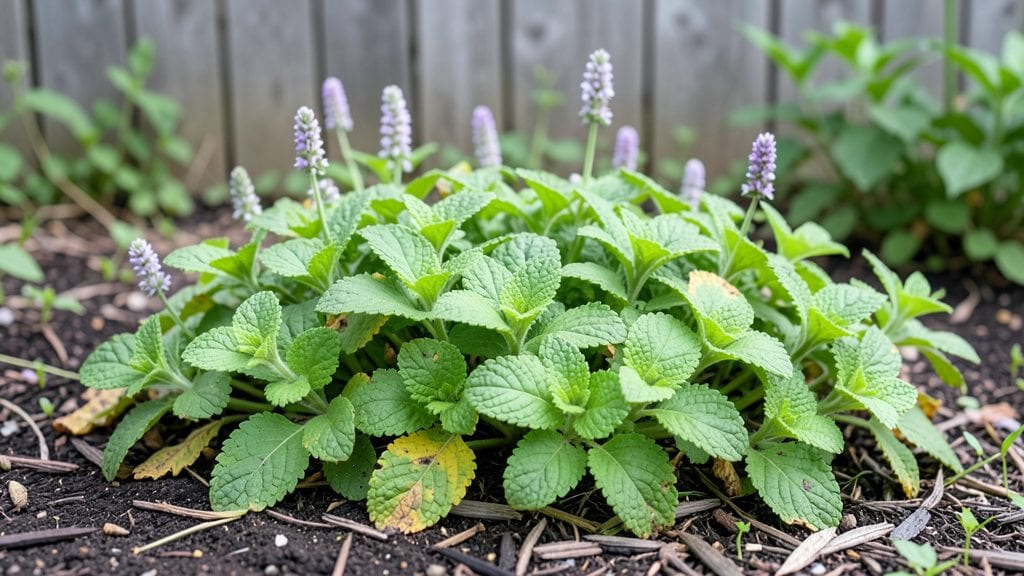
The delicate apple mint flower’s purple blooms instantly turn any garden into a buzzing haven for pollinators—just as I’ve discovered after years of growing this shade-loving, bee-magnet herb.
The secret lies in its love for moist soil and its willingness to spread—though I’ll show you how to control that growth without sacrificing beauty.
You’ll need just a few basics: a sunny or partially shaded spot, well-draining soil, and either seeds or cuttings from an existing plant. Apple mint grows aggressively, so containers work best unless you’re committed to dividing roots annually.
The flowers aren’t just pretty—they’re edible too, adding a delicate minty flavor to teas, salads, and desserts.
By summer, you’ll be harvesting lush, aromatic leaves and watching bees flock to the tiny purple blooms. The plant’s resilience means it bounces back from pests and drought better than many herbs. With the right care, your apple mint will reward you with fragrant blooms from mid-summer through fall.
Whether you’re growing it in pots or letting it spread in garden beds, this guide covers everything from planting to troubleshooting. Let’s get those purple blooms thriving!
📚 In This Guide
- What you need
- Instructions
- Tips and common mistakes
- Wrapping up and next steps
What you need
- ● Apple mint flower seeds or nursery plants: Choose certified organic seeds or healthy 4-6 inch potted plants (1-3 per container or 18-24 inches apart in garden beds).
- ● Well-draining potting mix: 10-15 lbs for containers or enrich garden soil with compost (5-10 lbs per 10 sq ft).
- ○ Containers (optional): 12-16 inch pots with drainage holes (if not planting directly in the ground).
- ● Slow-release fertilizer (5-10-5 ratio): 1-2 tbsp per plant or container.
- ● Watering can or hose with gentle spray nozzle: For even moisture without disturbing roots.
- ● Garden gloves & trowel: To protect hands and dig with precision.
- ● Mulch (straw or shredded bark): 2-3 inches to retain moisture and suppress weeds.
- ● Pruning shears: For shaping plants and encouraging bushier growth.
- ● Pollinator-friendly companion plants: Like bee balm or lavender (1-2 plants nearby).
- ● Epsom salt (magnesium sulfate): 1 tbsp per gallon of water for a mid-season boost.
- ● Shade cloth (30-50% coverage): If your climate has intense afternoon sun.
Step-by-Step guide to growing apple mint flowers
Here's how to cultivate fragrant purple blooms that transform any garden into a pollinator paradise.
Select the Perfect Planting Location
Apple mint thrives in partial shade to full sun, but the key is avoiding scorching afternoon heat. I always pick a spot with 4-6 hours of morning sunlight and dappled shade in the afternoon—think under a small tree or near a north-facing wall. The soil should drain well but retain moisture, so amend heavy clay with 1-2 inches of compost before planting.
This plant spreads aggressively, so I recommend containing it in a 12-inch deep container with drainage holes if space is limited. For in-ground planting, choose a corner of the garden where its wandering roots won't overrun other plants. The fragrant leaves and purple blooms will reward your careful placement with months of color and pollinator activity.
Plant with Proper Spacing and Soil Prep
Dig a hole twice as wide as the root ball but only as deep as the container it came in. Gently loosen the roots if they're circling, then place the plant so the top of the root ball sits level with the surrounding soil. Apple mint prefers rich, moist soil with a slightly acidic to neutral pH (6.0-7.0)—amend with peat moss or compost if your soil is heavy or alkaline.
Space plants 18-24 inches apart in the ground to give them room to spread. In containers, plant one per 12-inch pot to prevent overcrowding. Water thoroughly after planting to settle the soil and encourage root establishment. You'll know it's happy when new growth appears within 1-2 weeks—watch for those first bright green leaves pushing through the soil.
Water and Maintain for Continuous Blooms
Keep the soil consistently moist but never soggy—apple mint wilted in dry soil is a sure sign you're watering too little. I water deeply 2-3 times per week during hot weather, checking that the top 1-2 inches of soil feel damp before adding more. Mulch with 2-3 inches of organic mulch (like shredded leaves or straw) to retain moisture and suppress weeds.
Pinch back the tips of new growth in early summer to encourage bushier plants and more flowers. Deadhead spent blooms regularly to prolong the flowering season—simply snip off the purple flower stems just above a set of leaves. With proper care, you'll enjoy continuous blooms from mid-summer until frost, attracting bees, butterflies, and hummingbirds to your garden.
Divide and Propagate for Year-Round Growth
Apple mint becomes woody and less productive after 2-3 years, so dig up and divide the plants in early spring or fall when growth is slow. Simply slice through the root clumps with a sharp spade, ensuring each section has 3-4 healthy stems. Replant the divisions immediately in fresh soil with compost—this rejuvenates the plants and gives you free extra plants for friends or new garden spots.
You can also propagate from 4-inch stem cuttings taken in spring or early summer. Strip the lower leaves, dip in rooting hormone (optional), and place in moist potting mix. Keep the cuttings in bright, indirect light and maintain humidity with a plastic bag until roots form in 3-4 weeks. This is how I keep my mint supply going year-round with minimal cost.
Tips & tricks for perfect apple mint flower cultivation
Here's what I've learned after growing these fragrant beauties for years—these tricks will help you avoid common pitfalls and get the most vibrant blooms possible.
Location is Everything: In Step 1, when selecting your spot, pay extra attention to that 4-6 hours of morning sunlight. I've found that a north-facing wall with dappled afternoon shade works best in my climate—it keeps the roots cool while giving enough light for those purple blooms. If your garden gets intense afternoon sun, consider a 50% shade cloth during peak hours to prevent leaf scorch. The right location makes all the difference in how happy your plants stay.
Soil Prep Secret: For Step 2, don't skip the soil test if you're unsure about your pH. I've seen apple mint struggle in alkaline soil (above 7.0) even when everything else seemed perfect. If your soil tests high, mix in 1 part peat moss to 3 parts garden soil to lower the pH naturally. The plants will reward you with stronger growth and more abundant flowers when they're in their ideal soil environment.
Watering Wisdom: In Step 3, the key to consistent moisture is checking that top 1-2 inches of soil. I use my finger to test—if it feels dry at that depth, it's time to water. For container plants, I've found that adding a layer of hydrogel crystals to the bottom of the pot helps maintain moisture between waterings. This is especially helpful if you tend to forget watering days or travel frequently.
Pruning Payoff: When you pinch back those tips in early summer (Step 3), aim for about 1/3 of the plant's height. This encourages bushier growth and more flower stems. I also recommend deadheading every 5-7 days during peak bloom season—it might seem tedious, but this simple step extends your flowering period by nearly 3 weeks in my experience. The more you deadhead, the more your plants will reward you with continuous blooms.
Pro Tips for Apple Mint Flower
- Here's what I've learned after growing these fragrant beauties for years—these tricks will help you avoid common pitfalls and get the most vibrant blooms possible.
- Location is Everything: In Step 1, when selecting your spot, pay extra attention to that 4-6 hours of morning sunlight.
- Soil Prep Secret: For Step 2, don't skip the soil test if you're unsure about your pH.
Frequently asked questions
When is the best time to plant apple mint flowers?
Apple mint thrives in spring or early fall when soil temperatures are mild (60–75°F). Planting in spring ensures blooms by summer, while fall planting gives roots time to establish before winter. Avoid extreme heat or frost, which can stress young plants. Pro tip: If your climate has hot summers, opt for fall planting to prevent wilting.
How often should I water apple mint flowers?
Keep soil consistently moist but not soggy—about 1 inch of water per week, more in extreme heat. Apple mint loves humidity but hates waterlogged roots. Mulch around the base to retain moisture and prevent weeds. Watch for wilting leaves: If they droop, it’s time to water!
Why aren’t my apple mint flowers attracting pollinators?
Pollinators adore apple mint, but a few factors might deter them:
- Pesticides: Avoid chemicals—opt for neem oil or insecticidal soap if pests are an issue.
- Lack of sunlight: Ensure 6+ hours of direct sun daily for robust blooms.
- Overcrowding: Thin plants so flowers aren’t shaded by dense foliage.
Can I grow apple mint flowers in containers?
Apple mint thrives in 5-gallon containers or larger with drainage holes. Use well-draining potting mix and place in full sun to partial shade. Containers help control spread (apple mint can be invasive!). Tip: Prune regularly to encourage bushier growth and more flowers.
What should I do if my apple mint flowers turn yellow or brown?
Yellowing leaves often signal overwatering or poor drainage, while brown edges may mean underwatering or heat stress. Check soil moisture and adjust care. Pests like spider mites can also cause browning—spray with water or insecticidal soap if needed. Preventative tip: Ensure proper airflow and avoid wetting foliage to deter fungal issues.
Still stumped?
Apple mint is forgiving—experiment with care to find what works for your climate! For troubleshooting, snap a photo and compare it to common plant issues online. Happy growing!
Wrapping up and next steps
Growing apple mint flower is a rewarding journey that brings fragrant purple blooms and a thriving ecosystem to your garden. With the right conditions—well-drained soil, partial shade, and consistent moisture—you’ll attract pollinators like bees and butterflies while enjoying its refreshing aroma.
Whether you’re a seasoned gardener or just starting, these fragrant beauties are a low-maintenance way to elevate your outdoor space.
Ready to dive in? Start small—plant a few seeds or cuttings this season and watch your garden transform! For extra inspiration, explore companion plants like lavender or thyme to create a stunning, pollinator-friendly haven. 🌿✨