
Blooming
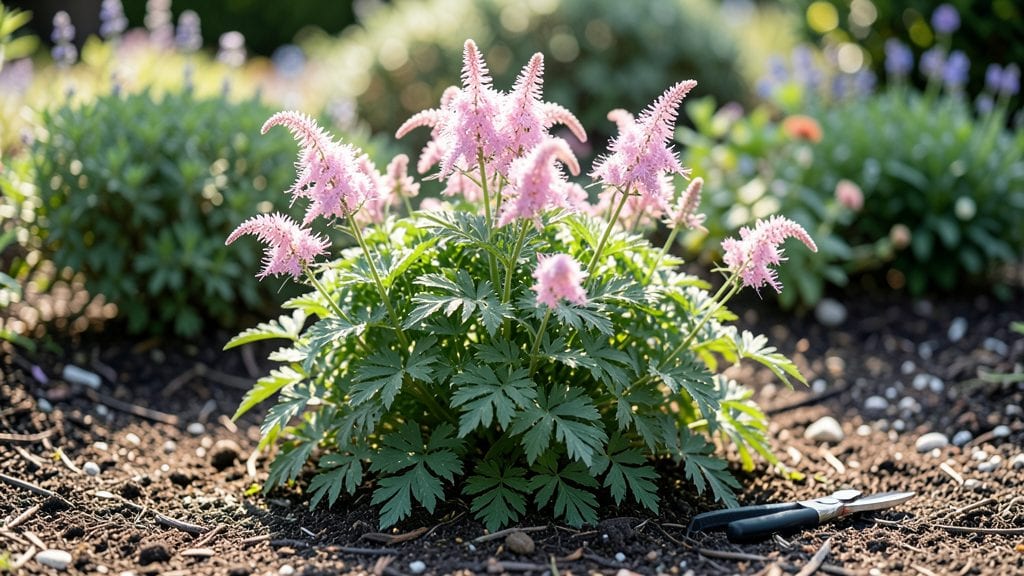
The astilbe flowering time stretches from late spring through summer, transforming Pacific Northwest gardens into feathery clouds of pink, red, or white. 🌸 I’ve watched mine burst into color from May through July, their delicate plumes swaying in the breeze—it’s like nature’s own confetti.
The timing depends on when you planted them and your local climate, but with the right care, you’ll get weeks of effortless beauty.
In cooler, wetter regions like the PNW, astilbes often start flowering earlier than in hotter areas. They thrive in partial shade, which helps them avoid the midday sun that can stress plants in drier climates.
The secret to early blooms? Planting them in well-draining soil rich in organic matter—like compost or aged manure—and keeping them consistently moist but not soggy.
You’ll know you’ve nailed it when your astilbes send up those signature plumes, taller and more vibrant than anything at the nursery. The key is patience: if they’re slow to bloom, they might need more shade or a light feeding of balanced fertilizer in early spring.
Once established, they’ll reward you with years of reliable color with almost no effort.
Whether you’re in Seattle’s rain or Portland’s dry spells, astilbes adapt beautifully. Just avoid full sun and heavy clay soil, and you’re set for a showstopping display. Ready to make yours the talk of the neighborhood? Here’s how to time it just right.
📚 In This Guide
- What you need
- Instructions
- Tips and common mistakes
- Wrapping up and next steps
What you need
- ● Astilbe plants: Choose Astilbe varieties suited for USDA Zones 3-8 (e.g., Astilbe chinensis, Astilbe japonica, or Astilbe simplex). Buy 3–5 plants for a full, lush display.
- ● Well-draining potting mix: 5–10 gallons of organic, moisture-retentive soil (amend with 20% perlite or compost for optimal drainage).
- ● Container or garden bed: For containers: 10–15 gallon pots with drainage holes (use 2–3 plants per container).
- ● For garden beds: Choose a partially shaded spot with humid, moist soil.
- ● Mulch: 2–3 inches of organic mulch (e.g., shredded bark or compost) to retain moisture.
- ● Garden trowel or shovel (for planting).
- ● Watering can or hose with a gentle spray nozzle (Astilbe loves consistent moisture!).
- ● Pruning shears (to trim dead foliage after flowering).
- ○ Fertilizer (optional): Balanced, slow-release fertilizer (e.g., 10-10-10) or compost tea for a nutrient boost.
- ● Garden gloves (to protect your hands while handling soil).
Step-by-Step guide to timing astilbe blooms in the Pacific Northwest
Here’s how to maximize your astilbe’s late-spring to summer show—no guesswork, just reliable blooms.
🌱 Step 1: Plant Astilbe at the Right Time for PNW Conditions
In the Pacific Northwest, plant astilbe in early spring (March–April) or early fall (September–October). This timing lets roots establish before summer heat or winter dormancy. Choose a spot with morning sun and afternoon shade—astilbe thrives where roots stay cool but foliage gets filtered light.
Dig a hole twice as wide as the root ball but only as deep as the container’s base. Gently loosen roots if they’re circling—this prevents transplant shock. The reason? Astilbe hates soggy roots, and proper spacing ensures air circulation. Water deeply after planting to settle soil around the roots.
☀️ Step 2: Provide Consistent Moisture for Peak Blooms
Astilbe blooms best with consistently moist soil—never soggy, never dry. In the PNW’s damp climate, mulch with 2–3 inches of shredded bark to retain moisture and regulate temperature. Check soil weekly: if the top 1 inch feels dry, water slowly at the base until moisture reaches 4–6 inches deep.
Here’s the thing—astilbe’s feathery plumes need steady hydration to develop fully. If you skip watering during heatwaves (like those rare PNW summer spikes), buds may shrivel before opening. A drip irrigation line or soaker hose keeps moisture even without overwatering.
✂️ Step 3: Deadhead and Prune for Next Year’s Blooms
After flowers fade, cut spent stems back to 6 inches in early fall. This removes seed heads that drain energy and encourages next year’s growth. Wait until after the first frost to trim—PNW winters can be mild, and leaving foliage protects roots from temperature swings.
In late winter (February), trim back any dead or brown stems to 2–3 inches above ground. You’ll see fresh, vibrant shoots emerge by early spring—that’s your signal the plant’s prepping for another showstopping display. Avoid heavy pruning in summer; astilbe needs foliage to photosynthesize for its blooms.
🌿 Step 4: Fertilize Strategically for Longer Blooming Seasons
Feed astilbe in early spring with a balanced, slow-release fertilizer (10-10-10). Sprinkle ½ cup per plant around the base, then water deeply to activate nutrients. This timing supports root growth before blooming season. Skip summer fertilizing—too much nitrogen now encourages leafy growth at the expense of flowers.
In the PNW, organic options like composted manure or worm castings work well too. Work them into the top 2 inches of soil in spring. The goal? Strong roots that sustain those lush plumes through summer’s shorter daylight hours. Too much fertilizer later in the season can delay blooming or make stems leggy.
Tips & tricks for perfect astilbe blooms in the Pacific Northwest
A few simple strategies will help you coax the most vibrant, long-lasting blooms from your astilbe plants—no green thumb required.
Timing is Everything: In Step 1, planting in early spring (March-April) or early fall (September-October) gives roots time to establish before PNW's summer heat or winter dormancy. Pro tip: If you're in a cooler microclimate, you can extend the fall planting window until November—just make sure to mulch heavily before frost to protect roots. The key is avoiding summer planting when roots struggle to establish before blooming season.
Soil Secrets: Step 2 emphasizes consistent moisture, but here's what nobody tells you—PNW's damp climate can actually be too wet for astilbe. The secret is creating that perfect "moist but not soggy" balance. After watering, stick your finger 2 inches down—if it feels damp but not wet, you're golden. For container-grown astilbe, use pots with drainage holes and elevate them slightly to prevent waterlogging, which can cause root rot.
Pruning Precision: In Step 3, when you're cutting back spent stems to 6 inches in early fall, here's my game-changer: Use clean, sharp pruners and make cuts at a 45-degree angle just above a leaf node. This small detail encourages faster regrowth and prevents disease entry points. For late winter trimming (February), only remove what's truly dead—healthy-looking stems can still produce new growth.
Fertilizer Strategy: The ½ cup of balanced fertilizer (10-10-10) in Step 4 is your foundation, but here's how to maximize it: Work the fertilizer into the soil during your early spring planting, not just sprinkling on top. This ensures nutrients reach roots immediately. For organic options, worm castings are my top pick—they improve soil structure while feeding plants slowly. And remember, less is more—too much fertilizer, especially later in the season, can actually reduce blooming.
Pro Tips for Astilbe Flowering Time
- A few simple strategies will help you coax the most vibrant, long-lasting blooms from your astilbe plants—no green thumb required.
- Timing is Everything: In Step 1, planting in early spring (March-April) or early fall (September-October) gives roots time to establish before PNW's summer heat or winter dormancy.
- Soil Secrets: Step 2 emphasizes consistent moisture, but here's what nobody tells you—PNW's damp climate can actually be too wet for astilbe.
Frequently asked questions
Got questions about timing, care, or getting the most out of your astilbe blooms? Here are answers to the most common queries from Pacific Northwest gardeners—plus a few pro tips to keep your plants thriving!
When do astilbes typically bloom in the PNW?
Astilbes usually burst into color from late May to July in the Pacific Northwest, with peak blooming varying by variety. Cooler, wetter springs (like Seattle’s) may delay flowering slightly, while sunnier spots (like Portland) can push blooms earlier. Check your hardiness zone—most PNW zones (6-8) support astilbe’s love of cool summers!
Can I make my astilbes bloom earlier or later?
While you can’t drastically change blooming time, you can nudge it slightly! For earlier flowers, plant in a sheltered, south-facing spot (but avoid harsh afternoon sun). To extend blooms, deadhead spent flowers and keep soil moist. Pro tip: Mulch with compost in early spring to give roots a nutrient boost for stronger growth!
Why aren’t my astilbes flowering this year?
No blooms? Don’t panic—it’s often a care issue! Common culprits:
- Too much sun: Astilbes prefer partial shade (3–6 hours of sun). Too much heat = stressed plants.
- Dry soil: They love consistently moist (but not soggy) soil. Water deeply 1–2x weekly in dry spells.
- Old plants: After 3–4 years, blooms may fade. Divide clumps in early spring to rejuvenate.
Fix it fast: Move to shade, amend soil with organic matter, and fertilize lightly with a balanced 10-10-10 formula.
What’s the best astilbe variety for long-lasting blooms in the PNW?
For extended color, try these top picks:
Variety
Bloom Time
Height
Color
Astilbe ‘Deutschland’
June–August
2–3 ft
Deep pink
Astilbe ‘Fanal’
June–July
1.5–2 ft
Red
Astilbe ‘Peach Blossom’
May–July
1–2 ft
Soft pink
Bonus: ‘Glut’ series (like ‘Glut Amethyst’) are heat-tolerant and bloom reliably in hotter PNW summers!
Can I grow astilbes in containers? Yes—but here’s how!
Choose shallow-rooted varieties (like ‘Bridal Veil’) and use a well-draining mix of potting soil + perlite. Keep pots in partial shade and water frequently—containers dry out faster. Pro move: Add a slow-release fertilizer at planting for a bloom boost!
Wrapping up and next steps
Ready to welcome astilbe’s breathtaking blooms into your Pacific Northwest garden? These feathery flowers thrive with the right care—whether you’re planting from seeds, cuttings, or container-friendly varieties. 🌸 With their late-spring to summer flowering window, astilbes are your secret weapon for vibrant, low-maintenance color.
Start by choosing the perfect spot, prep the soil, and watch your garden transform into a lush, textured masterpiece.
Now that you’re armed with the timing, tips, and troubleshooting know-how, it’s time to roll up your sleeves! Grab your gardening tools, pick your favorite astilbe variety, and give your outdoor space the showstopping upgrade it deserves. Happy planting—your future blooms will thank you! 🌿✨