
Flowers
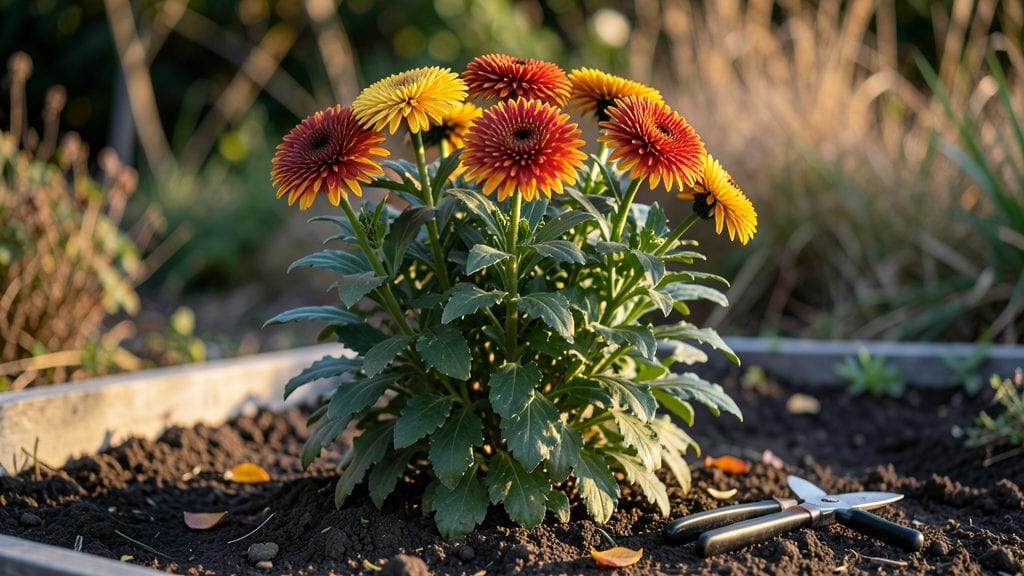
Planting autumn flowers seeds in late August means you’ll still enjoy vibrant blooms through frost—something I learned the hard way after my first late-summer garden fizzled under early PNW chill. The key varieties like mums, asters, and pansies thrive when sown now, their hardy roots establishing before winter sets in.
Most gardeners wait too long, but these frost-tolerant beauties actually prefer cooler weather for their best color.
You’ll need well-draining soil, full sun to partial shade, and consistent moisture—think damp but not soggy, like a wrung-out sponge. The PNW’s mild autumns make this the perfect window: seeds planted now avoid summer’s heat stress while still flowering before cold arrives.
My aster patch last year bloomed until Thanksgiving, and the pansies kept coming back even after light frosts.
What you’ll get is a garden that stays lively when most have gone dormant—deep golds, purples, and whites against misty mornings. The secret? Start with cold-hardy varieties and keep them watered until roots take hold.
By October, you’ll have a showstopper that outlasts most annuals. Ready to beat the season?
Works equally well in containers, borders, or mass plantings—just adjust spacing for your setup. The PNW’s shorter days actually help these plants set buds, so timing is everything. Let’s get those seeds in the ground before the rains arrive.
📚 In This Guide
- What you need
- Instructions
- Tips and common mistakes
- Wrapping up and next steps
What you need
- ● Autumn flower seeds: Choose from frost-hardy varieties like Chrysanthemums, Goldenrod, Sedum, or Asters. Buy 1–2 packets (50–100 seeds each) for a small garden or 3–5 packets for larger areas.
- ● Well-draining potting mix: 1–2 cubic feet (for seed-starting trays) or 5–10 gallons (for in-ground planting). Look for a mix labeled for flower seeds or organic compost.
- ○ Seed-starting trays or biodegradable pots: 50–100 cell trays (or 72-cell size) for indoor germination. Optional: Peat pots for easy transplanting.
- ● Grow lights or sunny windowsill: A 12–16 inch LED grow light (for indoor starts) or a south-facing window with 6+ hours of sunlight/day.
- ● Hand trowel or seed sowing tool: For precise planting in trays or soil.
- ● Spray bottle (with water): For gentle seed hydration.
- ○ Misting nozzle (optional): Helps maintain moisture without disturbing seeds.
- ● Garden gloves: Protects hands from soil and sharp seed packets.
- ● Pruners or scissors: For trimming trays or cutting seed packets.
- ○ Thermometer (optional): To monitor soil temps (60–70°F for germination).
- ● Sunlight access: 6+ hours/day for outdoor planting (partial shade is fine for some varieties).
- ● Frost dates: Check your USDA Hardiness Zone (7–9 for PNW) to time planting 4–6 weeks before first frost.
- ● Water source: Hose with gentle spray or watering can with a rose attachment.
- ● Patience! Some autumn bloomers (like Sedum) germinate slowly (10–21 days).
Step-by-Step instructions for planting frost-resilient autumn flowers
Here's how to grow vibrant autumn blooms that thrive in the Pacific Northwest's cool climate and resist early frost.
Select and Prepare the Right Seeds and Soil
Choose seeds specifically suited for autumn planting, such as snapdragons, pansies, or asters, which handle cooler temperatures better than summer annuals. These varieties are bred to tolerate light frosts and even brief freezes, making them ideal for the Pacific Northwest's unpredictable autumn weather. Start with a high-quality seed-starting mix rather than garden soil, as it provides the sterile, well-draining conditions young roots need to establish without competition from weeds or soil-borne diseases.
Moisten the mix until it feels like a damp sponge—squeeze a handful gently, and it should hold together without dripping water. This ensures even moisture distribution without waterlogging, which can suffocate seeds. If you're sowing directly outdoors, prepare the soil by loosening it to a depth of 6 inches and mixing in a handful of compost to enrich it without overwhelming the seeds. The goal is to create a loose, airy bed that encourages roots to spread freely.
Sow Seeds at the Correct Depth and Spacing
Follow the depth guidelines on the seed packet, but as a general rule, sow seeds at a depth of twice their diameter. For example, tiny pansy seeds should go in just 1/8 inch deep, while larger aster seeds can be planted 1/4 inch down. Planting too deep delays germination because the seedling must push through more soil, while planting too shallow risks drying out before sprouting. I like to use a small hand trowel or even a toothpick to create precise furrows, especially when working with tiny seeds.
Space seeds according to the recommended distance for mature plants—this prevents overcrowding later. For instance, pansies should be spaced 6-8 inches apart, while snapdragons need 10-12 inches to avoid competition. If sowing in trays, place 2-3 seeds per cell to ensure at least one strong seedling per spot. Thin later if needed, but avoid disturbing roots during this process.
Provide Consistent Moisture and Protection
Keep the soil consistently moist but never soggy after planting. Use a fine mist spray bottle for seeds to avoid dislodging them, and water gently at the base rather than overhead. A clear plastic dome or even a sheet of plastic wrap over the tray traps warmth and humidity, which speeds up germination. Place the tray in a location with 60-65°F temperatures—a sunny windowsill or under a grow light works well. You should see sprouts in 7-14 days, depending on the variety.
Once seedlings emerge, remove the dome immediately to prevent damping-off, a fungal disease that thrives in humid conditions. Thin seedlings to the strongest one per spot, snipping the weaker ones at soil level with clean scissors. This reduces transplant shock and ensures the remaining plants have ample space to grow. If sowing directly outdoors, use row covers or cloches to protect young plants from unexpected chilly nights, especially in early autumn.
Harden Off and Transplant for Frost Resistance
Begin hardening off seedlings 2 weeks before the last expected frost in your area. Gradually expose them to outdoor conditions by placing them outside in a sheltered spot for 1-2 hours the first day, then increasing exposure by 1 hour daily until they can stay out overnight. This acclimates them to cooler temperatures, wind, and fluctuating light conditions, which is critical for their survival in the Pacific Northwest's autumn climate.
Transplant seedlings outdoors on a cool, overcast day to minimize stress. Dig holes slightly larger than the root ball and space plants according to their mature size. Water deeply after transplanting to settle the soil and encourage root growth. Mulch around the base with 1-2 inches of straw or shredded leaves to insulate roots from temperature swings and retain moisture. These resilient blooms will reward you with color well into late autumn, often lasting until the first hard freeze.
Tips & tricks for perfect autumn flower planting
These practical strategies will help you grow hardy autumn blooms that thrive in the Pacific Northwest's chilly climate.
Seed Selection Matters: When choosing your frost-resistant varieties like snapdragons or pansies, look for seed packets labeled "cool season" or "autumn blooming." These seeds are specifically bred to handle our region's temperature swings. I always check the maturity date on the packet—aim for varieties that mature in 60-70 days to ensure they finish blooming before hard freezes. The earlier you plant, the longer your flowers will last through autumn's cool days.
Soil Preparation Secret: In Step 1, when loosening soil to 6 inches deep, don't just break it up—think about creating a fluffy environment. Work in a handful of compost for every 12 inches of garden bed you prepare. This improves drainage while providing nutrients without overwhelming tender seedlings. I like to use a broadfork to loosen soil without disturbing the surface layer where seeds will germinate.
Germination Timing: The 7-14 day germination window in Step 3 can feel like an eternity, but consistency is key. Keep your seed trays at that 60-65°F range by placing them on a heating mat if your home runs cooler. I've found that using a spray bottle with room temperature water (not cold) helps maintain even moisture without shocking the seeds. Place a thermometer near your trays to monitor temperature—fluctuations can delay germination.
Hardening Off Strategy: For the 2-week hardening off period in Step 4, I recommend creating a mini greenhouse effect during the day. Place your seedlings in a sheltered spot that gets morning sun and afternoon shade, then bring them indoors at night. This gradual transition mimics the natural light cycles they'll experience outdoors while protecting them from temperature swings. Watch for the first signs of stress—wilting leaves mean you're moving too quickly.
Pro Tips for Autumn Flowers Seeds
- These practical strategies will help you grow hardy autumn blooms that thrive in the Pacific Northwest's chilly climate.
- Seed Selection Matters: When choosing your frost-resistant varieties like snapdragons or pansies, look for seed packets labeled "cool season" or "autumn blooming."
- Soil Preparation Secret: In Step 1, when loosening soil to 6 inches deep, don't just break it up—think about creating a fluffy environment.
Frequently asked questions
When is the best time to plant autumn flower seeds in the PNW?
The ideal window is late summer to early fall (August–September), about 6–8 weeks before your region’s first frost. For hardy varieties like asters or goldenrod, you can even sow directly in October—just ensure soil temps stay above 40°F (4°C). Check your USDA hardiness zone for precision!
Will these seeds survive our cold, wet PNW winters?
Many autumn bloomers—such as sedum, heuchera, and columbine—are frost-resistant and thrive with mulch (straw or leaves) as insulation. For extra protection, choose native PNW varieties like Pacific coast iris or sword fern, which evolved for our climate.
Can I grow autumn flowers from seeds indoors first?
Yes! Start 4–6 weeks before your last frost date in seed trays with well-draining soil. Use a grow light (12–16 hours/day) to prevent leggy seedlings. Harden off plants for 7–10 days before transplanting outdoors. Pro tip: Label trays with seed names—autumn blooms like black-eyed Susans can look identical at this stage!
What if my seeds don’t sprout? Troubleshooting tips?
- Check moisture: Keep soil consistently damp (not soggy) with a spray bottle or drip system.
- Test viability: Soak seeds in warm water for 24 hours—if they sink, they’re likely good. Floaters may need stratification (chill treatment).
- Light needs: Most autumn seeds need sunlight to germinate. Place trays in a bright, indirect spot (e.g., a south-facing window).
- Patience: Some seeds (like lupines) take 3–4 weeks to sprout. Avoid replanting too soon!
Are there low-maintenance alternatives to traditional autumn flowers?
Try self-seeding perennials like yarrow or Russian sage, which return yearly with minimal effort. For zero-fuss options, wildflower mixes (e.g., PNW native blends) require no thinning and attract pollinators. Bonus: Many of these double as cut flowers for late-season bouquets!
Wrapping up and next steps
Embracing autumn flowers seeds is a rewarding way to bring vibrant color and life to your Pacific Northwest garden, even as frost approaches. 🌿 From hardy sedum to resilient asters, these blooms prove that cooler seasons can be just as stunning.
Whether you’re a seasoned gardener or just starting, every seed planted is a step toward a more beautiful outdoor space.
Now that you’re armed with the right knowledge, take the next step—visit your local nursery, order seeds online, or dig into your garden toolkit. Your autumn haven awaits! 🌸