
Landscaping
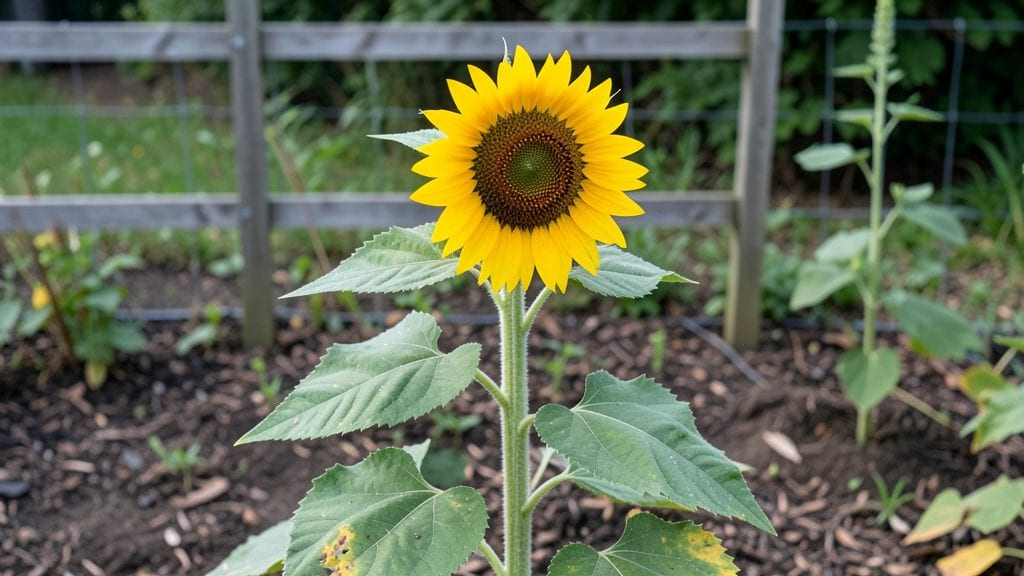
Transform your backyard into a sunflower haven with these backyard sunflower garden ideas—a living pollinator magnet that turns your space into a buzzing, blooming paradise. 🌻 I’ve designed sunflower gardens that attract bees, butterflies, and hummingbirds while adding drama to any yard style, from... cottage charm to modern minimalism.
The key? Mixing heights, colors, and bloom times so the show never stops from June to frost.
Start with a focal point—tall varieties like 'Mammoth' or 'Autumn Beauty' (6-12 feet) command attention, while shorter types ('Teddy Bear' or 'Moulin Rouge') frame borders or pathways. Add companion plants like cosmos, marigolds, or borage to keep pests away and extend the season.
For low-maintenance appeal, choose self-seeding varieties that return year after year with minimal effort.
By late summer, you’ll have cut flowers for bouquets, seed heads for birds, and a backdrop that makes every photo look like a postcard. The best part? Sunflowers thrive in almost any soil and need little care beyond watering and occasional staking.
Whether you go rustic with wildflower mixes or sleek with monochromatic rows, the results are instantly satisfying.
This works for small spaces (pots on a balcony) or large yards (a 10-foot-tall sunflower hedge). The only rule? Plant with pollinators in mind—your garden (and local wildlife) will thank you. Let’s get those seeds in the ground!
📚 In This Guide
- What you need
- Instructions
- Tips and common mistakes
- Wrapping up and next steps
What you need
- ● Sunflower seeds: Choose a mix of varieties (e.g., Mammoth, Autumn Beauty, or Teddy Bear) for height and color diversity. Buy 50–100 seeds per square foot for a lush garden.
- ● Well-draining soil: Test your soil’s pH (ideal: 6.0–7.5). Amend with compost or aged manure if needed.
- ● Watering can or hose: A soaker hose or drip irrigation saves time and water.
- ● Garden gloves: Protect your hands while planting.
- ● Trowel or hand shovel: For digging holes (aim for 1–2 inches deep and 12–18 inches apart for spacing).
- ○ Stakes or trellis (optional but helpful): Tall varieties (6+ feet) may need support. Use bamboo stakes or a wire trellis.
- ● Mulch: Straw or wood chips to retain moisture and suppress weeds.
- ● Decorative planters: Terracotta pots or raised beds for a polished look.
- ● Pollinator-friendly companions: Marigolds, cosmos, or bee balm to attract butterflies and bees.
- ● Sunflower seed tape: Pre-spaced seeds for easier planting (great for beginners!).
- ● Bird feeders or houses: Sunflowers attract finches and chickadees—add a feeder nearby for extra charm.
- ● Garden markers: Label seeds with popsicle sticks for variety tracking.
How to design a sunflower garden that thrives and thrills
Here's my approach to creating a sunflower garden that stands tall, attracts pollinators, and keeps your yard buzzing with life all season.
🌱 Step 1: Choose Sunflower Varieties for Height and Pollinator Appeal
Select a mix of sunflower types to create visual drama and maximize pollinator benefits. I recommend starting with 4-6 varieties for your first garden—this ensures continuous blooming from early summer through fall. Tall varieties like 'Moulin Rouge' (up to 10 feet) make stunning backdrops, while mid-height types such as 'Teddy Bear' (3-4 feet) add texture and are perfect for cutting. Don't forget dwarf varieties like 'Sunspot' (1-2 feet) for borders or container plantings—they bloom earlier and attract bees before the giants open.
For maximum pollinator impact, include both single-bloom (open centers) and double-bloom (petal-packed) varieties. Single-bloom types like 'Autumn Beauty' provide nectar access, while double-bloom varieties like 'Double Dandy' offer visual contrast. Pro tip: Plant 3-5 seeds per variety in each location—sunflowers are resilient, and you'll get strong, healthy stems even if not all seeds sprout.
☀️ Step 2: Select the Perfect Sun-Drenched Location
Sunflowers demand full sun (6-8 hours daily) to reach their full potential, so scout your yard for the sunniest, most open spot. I look for areas with morning sun and afternoon light—this prevents afternoon wilting in hot climates. Avoid low-lying spots where cold air settles; sunflowers are frost-sensitive, even as mature plants. If your yard has partial shade, focus on shorter varieties like 'Sunrich Orange'—they'll still thrive with 5-6 hours of sun but won't grow as tall.
Consider wind exposure too. While sunflowers have deep roots, tall varieties may need staking or grouping in windy areas. Plant them in a sheltered corner or create a windbreak with shrubs or a fence. You'll notice stems leaning toward the sun—this is normal, but if they're bending dramatically, it's time to add support. For a natural look, weave 3-foot bamboo stakes into the soil near the base of each plant as they grow.
🪴 Step 3: Prepare Soil for Strong, Disease-Free Growth
Sunflowers tolerate poor soil better than most plants, but they perform best in well-draining, slightly acidic soil (pH 6.0-7.5). Before planting, loosen the top 12 inches of soil with a garden fork to break up compaction—sunflowers have taproots that need room to grow deep. Mix in 2-3 inches of compost into the top 6 inches of soil; this boosts nutrient availability without risking rot. Avoid fresh manure, which can burn tender roots.
If your soil is heavy clay or sandy, amend it with equal parts compost and perlite to improve drainage and moisture retention. Sunflowers hate soggy roots, so raised beds are ideal if your yard floods easily. Test your soil's drainage by digging a 6-inch hole, filling it with water, and timing how long it takes to drain. If water lingers beyond 2 hours, amend with more organic matter. You'll know your soil is ready when it crumbles easily between your fingers and holds moisture without becoming waterlogged.
🌿 Step 4: Plant for Staggered Blooms and Pollinator Traffic
For a garden that stays vibrant all season, stagger your planting dates by 2-3 weeks between varieties. Start with early-blooming types like 'ProCut' in late spring, then add mid-season varieties like 'Moulin Rouge' in early summer, and finish with late bloomers like 'Italian White' in mid-summer. This ensures pollinators have a continuous food source from June through October. Plant seeds 1 inch deep and 6-12 inches apart, depending on the mature size of the variety—dwarf types need less space, while giants should have 18-24 inches between plants.
Create pollinator pathways by planting sunflowers in clusters of 3-5 plants rather than single rows. This mimics their natural growth patterns and makes it easier for bees and butterflies to navigate. Add companion plants like basil, marigolds, or cosmos around the edges—their bright colors and fragrances lure pollinators to your garden. You'll see bees and butterflies within days of the first blooms, and the activity will peak when 20-30% of the flowers are open at once.
✂️ Step 5: Maintain for Height, Health, and Continuous Blooms
Sunflowers are low-maintenance, but a few key tasks keep them thriving. Water deeply once a week (about 1-2 gallons per plant) during the first 4-6 weeks to establish strong roots. Once established, they're drought-tolerant, but wilting leaves signal it's time to water—this usually means the soil is dry 2-3 inches deep. Water at the base of the plant in the morning to prevent fungal diseases like powdery mildew, which thrives in damp foliage.
Deadhead spent blooms by snipping the flower head just above the next set of buds—this encourages secondary blooms on many varieties and keeps the plant producing flowers all season. For tall varieties, stake or cage plants when they reach 3 feet to prevent flopping in wind or rain. You'll know it's working when stems stand straight and upright, even in breezy conditions. Avoid over-fertilizing; sunflowers grow best with low to moderate nutrients—too much nitrogen leads to lush foliage but fewer blooms.
Tips & tricks for perfect sunflower garden design
Creating a sunflower garden that thrives requires a few strategic moves—here’s how to elevate your design from good to spectacular.
Variety Pairing Strategy: In Step 1, when selecting your 4-6 varieties, pair single-bloom types like 'Autumn Beauty' with double-bloom varieties like 'Double Dandy' in the same planting area. This creates visual interest while ensuring pollinators have both nectar access and aesthetic appeal. I’ve found that bees particularly favor the open centers of single-bloom varieties, while the double-bloom types add dramatic color contrasts that catch the eye. For maximum impact, arrange them in odd-numbered clusters—three or five plants per group creates natural focal points that draw attention.
Sunlight Optimization: The 6-8 hours of daily sunlight requirement in Step 2 is non-negotiable, but here’s how to work with what you’ve got. If your yard only offers 5-6 hours of sun, focus on shorter varieties like 'Sunrich Orange' and position them where they’ll receive the most direct sunlight. For partial shade situations, consider creating a "sunflower staircase"—plant taller varieties on the north side where they’ll get morning light, and shorter varieties on the south side for afternoon exposure. This layered approach maximizes vertical space while ensuring each plant gets its required light.
Soil Preparation Shortcut: When amending your soil in Step 3, I recommend mixing in a slow-release organic fertilizer like bone meal at a rate of 1 tablespoon per foot of plant height. This provides a gentle nutrient boost without risking over-fertilization. For heavy clay soils, add a 1-inch layer of coarse sand mixed with perlite to improve drainage—this creates pockets of air in the soil that sunflower taproots love. The drainage test in Step 3 is crucial: if water drains in less than 2 hours, your soil is perfect; if it takes longer, add more perlite or consider raised beds for the tallest varieties.
Pollinator Traffic Design: In Step 4, when creating those pollinator pathways, think about adding a "bee highway" by planting a row of sunflowers along your property line. This not only attracts pollinators but also creates a natural border that defines your garden space. For extra appeal, intersperse the sunflowers with fast-growing annuals like cosmos or zinnias—these will bloom early and provide immediate color while your sunflowers establish themselves. The 20-30% bloom threshold mentioned is key: once you reach this point, you’ll see a noticeable increase in pollinator activity as they recognize the garden as a reliable food source.
Pro Tips for Backyard Sunflower Garden Ideas
- Creating a sunflower garden that thrives requires a few strategic moves—here’s how to elevate your design from good to spectacular.
- Variety Pairing Strategy: In Step 1, when selecting your 4-6 varieties, pair single-bloom types like 'Autumn Beauty' with double-bloom varieties like 'Double Dandy' in the same planting area.
- Sunlight Optimization: The 6-8 hours of daily sunlight requirement in Step 2 is non-negotiable, but here’s how to work with what you’ve got.
Frequently asked questions
Got questions about growing a stunning backyard sunflower garden? You’re not alone! Here are answers to the most common queries to help you cultivate a thriving patch of golden blooms with ease.
When is the best time to plant sunflowers?
Sunflowers thrive in warm soil, so plant them after the last frost in spring—typically 2–3 weeks before your area’s average last frost date. For a fall display, sow seeds in late summer (about 75–90 days before the first frost). Pro tip: If your growing season is short, opt for fast-maturing varieties (like ‘Teddy Bear’ or ‘Moulin Rouge’).
Do sunflowers attract pests like bees or birds?
Absolutely—but in a good way! Sunflowers are pollinator magnets, drawing bees, butterflies, and hummingbirds. To minimize unwanted pests (like squirrels or deer), plant near strong herbs like basil or marigolds. If birds snack on seeds, try bird netting over mature heads or harvest seeds early.
How much water do sunflowers need?
Sunflowers are drought-tolerant once established, but they need 1–1.5 inches of water per week during germination and flowering. Water deeply at the base (avoid wetting leaves to prevent mildew) and reduce watering as they mature. Overwatering can cause root rot, so well-drained soil is key!
Can I grow sunflowers in containers or small spaces?
Yes! Dwarf varieties (like ‘Little Becka’ or ‘Sunspot’) thrive in 5-gallon pots or raised beds. Ensure containers have drainage holes and use lightweight potting mix. For vertical gardens, try tall varieties in fabric grow bags or repurpose old buckets with trellises. Just place them in full sun (6+ hours/day).
Why aren’t my sunflowers blooming?
Common culprits include overcrowding (thin seedlings to 12–18 inches apart), poor sunlight (they need full sun), or nutrient deficiencies. Feed with a balanced fertilizer at planting and mid-growth. If buds form but drop, check for pests (like aphids) or underwatering. Pro tip: Deadhead spent blooms to encourage more flowers!
Are there sunflower varieties that don’t grow too tall?
For compact gardens, try these short-to-medium-height varieties:
- ‘Teddy Bear’ – 3–4 ft, great for cut flowers
- ‘Moulin Rouge’ – 4–5 ft, burgundy blooms
- ‘Sunspot’ – 2–3 ft, perfect for containers
- ‘Autumn Beauty’ – 4–5 ft, bi-color blooms
Wrapping up and next steps
Creating a backyard sunflower garden isn’t just about adding beauty—it’s about fostering life, color, and joy with minimal effort! 🌻 Whether you’re a seasoned gardener or a curious beginner, these towering blooms bring pollinators, vibrancy, and even edible rewards to your space.
Start small with a few varieties, experiment with heights and colors, and watch your garden transform into a buzzing, sunlit paradise.
Ready to dive in? Grab your seeds, pick a sunny spot, and let nature do the rest! Your backyard oasis awaits—what will you plant first?