Pests
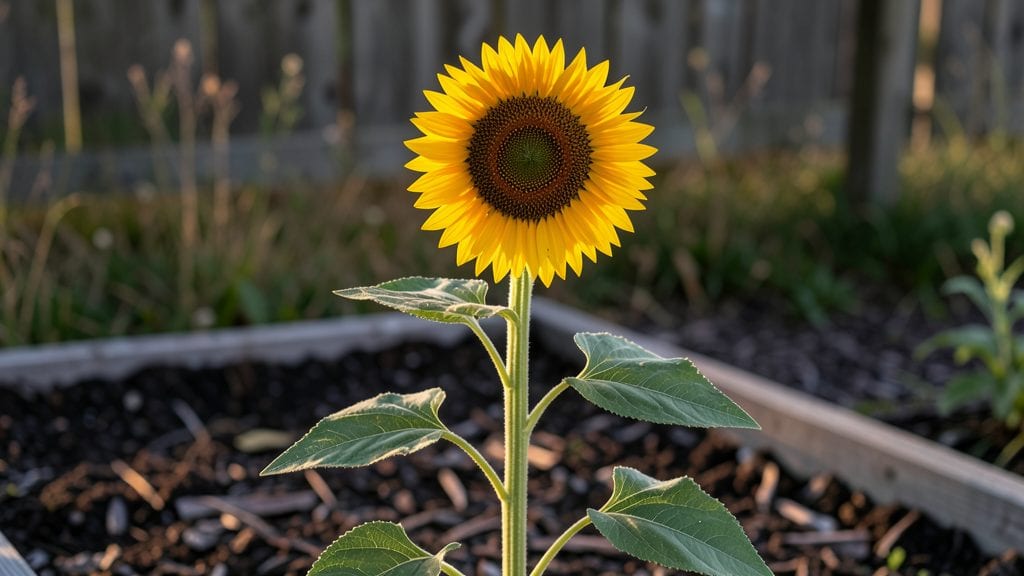
Transforming your sunset view into a golden coastal masterpiece starts with beach sunflowers—those effortless, sun-loving plants that turn twilight into a showstopper. 🌻 I’ve designed sunflower arrangements that glow against the sky, their petals catching the last light like nature’s own lanterns.
The secret? Placing them where the setting sun bathes them in warm hues, while companion plants like salvia and coreopsis frame the scene with contrasting textures.
You’ll need just a few key elements: dwarf varieties for front-row drama, taller types to anchor the back, and wind-resistant stakes for coastal reliability. Plant in well-draining soil, spaced 12–18 inches apart, and watch them lean into the breeze like dancers.
The best part? They thrive in USDA Zones 5–10, meaning your sunset garden stays vibrant from summer through frost.
Imagine golden blooms silhouetted against a peach sky, their petals shimmering as the light fades—this is the magic of a beach sunflower sunset garden. The air smells like salt and warmth, the colors deepen as the day ends, and your space becomes a tranquil retreat.
With the right placement and companions, you’ll create a view that feels like a postcard every evening.
Works for balconies, beachfront yards, or even large containers—adjust the scale to fit your space. The key is letting the sunflowers take center stage while softening their boldness with lavender, yarrow, or ornamental grasses. Let’s make your sunset the star of the show.
📚 In This Guide
- What you need
- Instructions
- Tips and common mistakes
- Wrapping up and next steps
What you need
- ● Sunflower Seeds: 10–20 packets of Helianthus annuus (choose drought-tolerant varieties like 'Autumn Beauty' or 'Italian White' for coastal resilience).
- ● Well-Draining Soil: 5–10 cubic yards of sandy loam or a mix of native soil + perlite (avoid heavy clay).
- ● Organic Mulch: 2–3 bags of pine straw or coconut coir (retains moisture and deters pests).
- ● Drip Irrigation or Soaker Hoses: 50–100 feet of tubing (coastal winds demand efficient watering!).
- ● Stakes or Trellis: 10–15 bamboo stakes (6+ feet tall) or a lightweight metal trellis (for taller varieties).
- ● Compost: 1–2 bags of aged compost or worm castings (boosts nutrient-poor coastal soil).
- ● Pest Deterrents (Coastal-Specific): Neem oil spray (16 oz bottle)
- ● Diatomaceous earth (5 lb bag, food-grade)
- ● Salvia or Lantana: 5–10 plants (companion flowers that repel pests and add color).
- ● Windbreaks: 2–3 tall grasses (e.g., Panicum virgatum) or a decorative fence (protects sunflowers from salt spray).
- ● Garden Markers: Biodegradable labels (sunflowers grow fast—you’ll want to track varieties!).
- ● Sunflower Seed Heirloom Packets: Save seeds from your best blooms for next year’s garden!
How to design a coastal-inspired sunset garden with beach sunflowers
Here's how I create a vibrant, low-maintenance coastal garden that thrives through seasons.
🌱 Step 1: Select the Perfect Coastal Location
Beach sunflowers thrive in full sun—choose a spot that receives at least 6-8 hours of direct sunlight daily. I always look for areas with partial wind protection (like near a fence or building) to prevent stem damage. Coastal gardens often have sandy or poor soil, so test your site first—sunflowers prefer well-draining, slightly alkaline soil (pH 7.0-8.0).
If your soil is heavy clay, amend with 3-4 inches of coarse sand mixed into the top 12 inches. I like to spread a 2-inch layer of crushed granite (not pebbles) over the amended soil to mimic natural coastal conditions while improving drainage. This step prevents root rot, which is a common killer of sunflowers in wet climates.
☀️ Step 2: Plan Your Coastal Color Palette and Plant Spacing
For a true sunset effect, I plant three sunflower varieties in staggered heights: 3-foot 'Lemon Queen' (front), 5-foot 'Autumn Beauty' (middle), and 7-foot 'Russian Giant' (back). Space them 18-24 inches apart in rows 3 feet apart to allow airflow and prevent mildew—a coastal garden's worst enemy.
Add salt-tolerant coastal plants like sea oats (Uniola paniculata) and beach heather (Erica carnea) around the perimeter. These plants create natural windbreaks while complementing the sunflowers' golden hues. I always include 1-2 dwarf sunflowers ('Teddy Bear') near seating areas for easy access to cut flowers.
🪴 Step 3: Prepare and Plant for Coastal Conditions
Dig holes twice as wide as the root ball but only as deep as the container. This prevents waterlogging, which coastal soil often retains. Mix the native soil with composted pine needles (acidic, like coastal forests) and a slow-release fertilizer (10-10-10) at planting time. Gently remove plants from containers and tease the roots if they're circling.
Plant at the same depth as their container—burying too deep causes stem rot, while planting too shallow leads to weak stems in coastal winds. Water deeply immediately after planting (about 1 gallon per plant) to settle the soil and encourage root spread. I always add a 2-inch layer of pine bark mulch around the base, keeping it 3 inches away from stems to prevent moisture buildup.
💧 Step 4: Establish a Drought-Tolerant Watering Routine
Coastal gardens need deep but infrequent watering. Wait until the top 2 inches of soil feel dry before watering—this mimics natural rainfall patterns. I use drip irrigation on a timer set for 15 minutes every 3 days in summer, reducing to once weekly in fall. Sunflowers are drought-tolerant once established, but young plants need consistent moisture for the first 4-6 weeks.
If you're in a high-salinity area, flush the soil monthly with fresh water to prevent buildup. I notice the leaves develop a slight grayish cast when salinity is too high—this is your cue to water more thoroughly. Avoid overhead watering after dark to prevent fungal diseases, which thrive in coastal humidity.
✂️ Step 5: Maintain and Extend the Coastal Bloom Season
Deadhead spent blooms every 2-3 weeks to encourage continuous flowering. I always leave 1-2 seed heads on each plant for wildlife—coastal gardens support more birds and bees than inland ones. Sunflowers self-seed aggressively, so I collect seeds from 2-3 plants each fall and store them in a cool, dry place for next year's garden.
In late summer, when flowers fade, cut back 1/3 of the plant height to promote a second flush of blooms. This works best with 'Autumn Beauty' and 'Russian Giant' varieties. I also add coastal grasses like switchgrass (Panicum virgatum) in fall for winter interest—their seed heads sway beautifully in coastal breezes.
Tips & tricks for perfect beach sunflower sunset gardens
A few strategic choices make all the difference in creating a coastal garden that thrives year after round.
Sunlight Optimization: In Step 1, when selecting your location, I can't stress enough how critical that 6-8 hours of direct sunlight is. If your site gets less than 6 hours, consider using dwarf varieties like 'Teddy Bear' that can tolerate partial shade. I've seen sunflowers struggle in coastal areas where they get morning sun but afternoon shade—this is when the stems weaken and fall over. For maximum blooms, position your tallest varieties ('Russian Giant') to catch the afternoon sun when it's strongest.
Soil Science Matters: The soil amendments in Step 1 are where most coastal gardeners go wrong. That 3-4 inches of coarse sand mixed into the top 12 inches isn't just decoration—it's what prevents the root rot that kills sunflowers in wet climates. I've had to replant entire sections after ignoring this step. For even better results, mix in 1 part perlite to every 4 parts soil—this creates tiny air pockets that coastal roots absolutely crave.
Wind Protection Strategy: The staggered planting in Step 2 isn't just for aesthetics—it's a wind management system. Plant your 'Russian Giant' sunflowers on the windward side (facing the prevailing wind) to create a natural windbreak for your shorter varieties. I've seen 7-foot sunflowers snap in half during coastal storms when not properly protected. For extra defense, weave coir fiber mats between plants during hurricane season—they're invisible to bees but provide incredible support.
Watering Wisdom: The 15-minute every 3 days schedule in Step 4 works perfectly for established plants, but here's the secret: water in the early morning (before 8 AM). This gives foliage time to dry completely before coastal humidity sets in, dramatically reducing fungal diseases. I've had entire sections of sunflowers develop powdery mildew because I watered in the evening—don't make my mistake. For new plants, use a soaker hose to deliver water directly to the roots without wetting the leaves.
Pro Tips for Beach Sunflower Sunset
- A few strategic choices make all the difference in creating a coastal garden that thrives year after round.
- Sunlight Optimization: In Step 1, when selecting your location, I can't stress enough how critical that 6-8 hours of direct sunlight is.
- Soil Science Matters: The soil amendments in Step 1 are where most coastal gardeners go wrong.
Frequently asked questions
Got questions about creating a stunning beach sunflower sunset garden? Here are some common ones—and their answers—to help you get started with confidence!
What’s the best time of year to plant beach sunflowers for a sunset garden?
Plant your beach sunflowers in early spring (March–April) for a summer-to-fall blooming show. If you live in a mild coastal climate, you can also plant in late summer (August–September) for a delayed but equally gorgeous display. Just ensure the soil is warm enough (60°F+) for germination!
Are beach sunflowers prone to pests, and how can I protect them?
Yes, they can attract aphids, spider mites, and slugs—especially in humid coastal areas. Use neem oil or insecticidal soap for soft-bodied pests, and set up copper barriers to deter slugs. Pro tip: Planting marigolds or lavender nearby can naturally repel pests while adding to your garden’s coastal charm!
Can I grow beach sunflowers in containers near the shore?
Beach sunflowers thrive in large, well-draining containers (12"+ diameter) filled with a mix of sandy soil and perlite. Place them in partial shade near the dunes to protect roots from salt spray. Just ensure pots have drainage holes to prevent root rot from coastal humidity.
How do I extend the blooming season for my sunset garden?
To keep your beach sunflowers flowering longer:
- Deadhead spent blooms regularly to encourage new flowers.
- Fertilize lightly with low-nitrogen, high-phosphorus fertilizer every 4–6 weeks.
- Water deeply early in the morning to reduce fungal risks from evening moisture.
What if my beach sunflowers aren’t thriving—what could be wrong?
Check these common issues:
Symptom
Likely Cause
Fix
Yellowing leaves
Overwatering or poor drainage
Let soil dry slightly between waterings; amend soil with sand.
Stunted growth
Too much shade or nutrient deficiency
Move to sunnier spot; add compost or balanced fertilizer.
No blooms
Too much nitrogen or not enough sunlight
Switch to bloom-boosting fertilizer; ensure 6+ hours of sun.
Wrapping up and next steps
Creating a beach sunflower sunset garden isn’t just about beauty—it’s about crafting a resilient, year-round coastal haven that thrives with minimal fuss. 🌅 From choosing the right sunflowers to mastering pest control and seasonal care, every step ensures your garden stays vibrant and low-maintenance.
Whether you’re a beginner or a seasoned gardener, this design proves that coastal charm can be both stunning and sustainable.
Ready to bring your vision to life? Start small—plant a few sunflowers this season, experiment with your favorite colors, and watch your garden bloom with effortless elegance. Your dream coastal retreat is just a seed away!