
Flowers
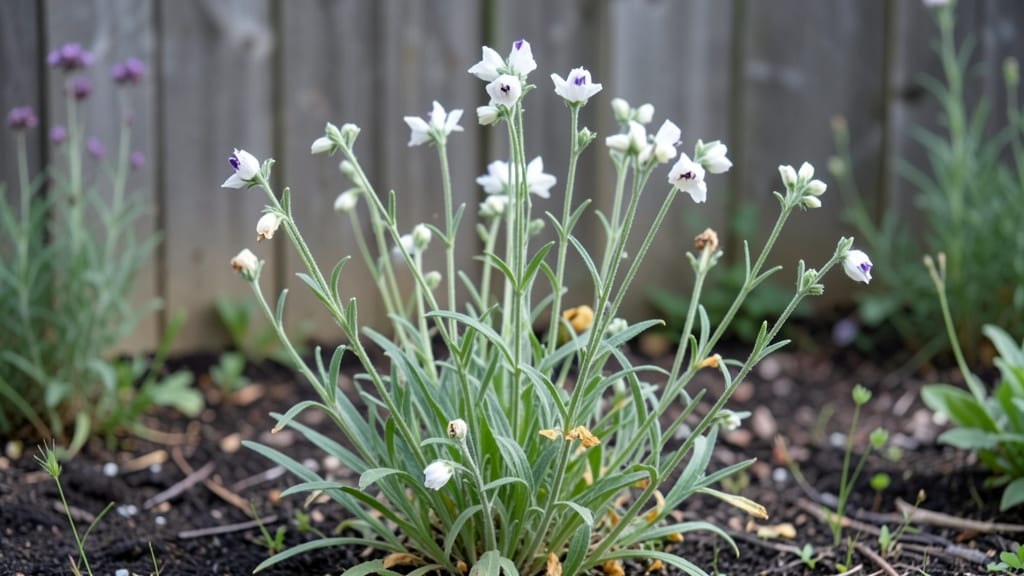
"Bells of Ireland flowers transform containers into living art with their architectural charm and year-round interest—even when not in bloom. 🌿 I fell for them after seeing how their papery seed pods catch light like tiny lanterns, adding texture long after summer flowers fade.
The key to their success lies in a few simple growing habits: bright but indirect light, well-draining soil, and consistent moisture without soggy roots.
These drought-tolerant perennials thrive in partial shade to full sun, making them perfect for patios, balconies, or mixed containers. Pair them with salvias, dusty miller, or heucheras for a striking contrast of colors and textures.
With minimal care, they’ll reward you with 3-4 foot spikes of bell-shaped blooms in summer, followed by those iconic seed pods that last through winter.
Their real magic happens in containers, where their upright growth creates vertical drama. Use 10-12 inch pots with drainage holes, and mix in perlite or sand to prevent root rot.
Deadhead spent blooms to encourage more flowers, and watch as they become the star of your seasonal displays—even after the last bloom falls.
For long-term success, mulch around the base in winter to protect roots, and fertilize lightly in spring with balanced 10-10-10. They’re generally pest-free, but watch for aphids or spider mites—a quick spray of neem oil keeps them at bay.
Once established, they’ll return year after year, proving that simple plants can make the biggest impact."
📚 In This Guide
- What you need
- Instructions
- Tips and common mistakes
- Wrapping up and next steps
What you need
- ● Bells of Ireland plants: 3–5 plants (per container or arrangement) for full, lush coverage. Choose healthy plants with bright orange-red bells and green foliage.
- ● Well-draining potting mix: 1–2 gallons (depending on container size). Opt for a mix with perlite or sand for aeration.
- ● Containers: 1–2 pots (10–14 inches in diameter) with drainage holes. Terracotta or fabric pots work best for airflow.
- ● Slow-release fertilizer: 1 tbsp per plant (look for a balanced 10-10-10 or 20-20-20 formula).
- ● Watering can or spray bottle: For gentle hydration (avoid soggy soil!).
- ● Companion plants: Pair with fuchsias, impatiens, or sweet potato vine for a pop of color.
- ● Decorative stones or mulch: Adds texture and retains moisture.
- ● Plant ties or stakes: Supports taller stems if needed (though Bells of Ireland are typically bushy!).
- ● Grow lights (indoor setups): 6–8 hours of bright, indirect light daily for indoor containers.
How to grow Bells of Ireland in containers for year-round color
This striking annual thrives in pots and delivers bold foliage for months—here's how to coax its best performance.
🪴 Step 1: Select the Right Container and Drainage
Choose a container with drainage holes and at least 6-8 inches of depth—Bells of Ireland hate soggy roots. I prefer terra cotta pots because they wick away excess moisture through the walls, which prevents the plant's tender stems from rotting. If your container lacks drainage, add a 2-inch layer of gravel at the bottom before filling with soil.
Size matters too: a 12-inch diameter pot gives you room for 3-4 plants while maintaining airflow. The plant's upright growth habit means it won't outgrow the container quickly, but you'll want space for the 18-inch tall stems to develop fully. Place a plastic nursery pot inside decorative containers without drainage to create a removable growing chamber.
🌱 Step 2: Prepare a Well-Draining Soil Mix
Bells of Ireland needs soil that drains quickly but retains enough moisture to prevent wilting. I blend equal parts potting mix and perlite—this creates the perfect airy texture while preventing compaction. Add a slow-release granular fertilizer (like 10-10-10) at planting time for a 3-month nutrient boost without risk of burning the roots.
Fill the container to 1 inch below the rim, then tap gently to settle the soil. Press down lightly with your fingers to create a firm planting surface—this prevents the delicate stems from flopping when you insert the plants. Water thoroughly until moisture runs freely from the drainage holes, then let it drain completely before planting.
☀️ Step 3: Plant and Position for Optimal Light
Dig a hole twice as wide as the root ball but no deeper—Bells of Ireland roots are shallow and sensitive to burial. Gently remove the plant from its nursery pot and tease apart any circling roots with your fingers. Position the plant so the top of the root ball sits level with the soil surface—burying too deep causes stem rot.
Space plants 6-8 inches apart in the container. After planting, water deeply to settle the soil around the roots, then place the container in full sun (at least 6-8 hours daily). The plant tolerates partial shade but will produce fewer blooms—those papery, bell-shaped bracts are its signature feature. Rotate the pot quarter-turn weekly to encourage even growth.
💧 Step 4: Water and Feed for Continuous Blooms
Water when the top inch of soil feels dry—Bells of Ireland wilts quickly when thirsty but recovers fast once rehydrated. I use a watering can with a narrow spout to direct moisture at the base, avoiding the foliage to prevent fungal issues. The plant's succulent stems store water, so deep watering every 5-7 days (or daily in extreme heat) keeps it thriving.
Feed every 4-6 weeks with a balanced liquid fertilizer (20-20-20) diluted to half strength. The plant responds dramatically to nutrients, producing more vibrant bracts and sturdier stems. Stop fertilizing in late summer to encourage natural dormancy if you're extending its season indoors.
✂️ Step 5: Prune and Extend the Season
Deadhead spent blooms by snipping the stem just above the next set of leaves—this redirects energy to new growth. I also trim any leggy stems back by one-third to encourage bushier, more compact plants. The plant's papery bracts remain decorative even after blooming, so I leave some stems intact for texture.
To extend the season, move containers indoors before the first frost. Place them near a south-facing window or under grow lights for 12-14 hours daily. Reduce watering in winter—let the top 2 inches of soil dry out between waterings. The plant may go dormant but often rebounds in spring with minimal care.
Tips & tricks for perfect Bells of Ireland in containers
These simple yet impactful tips will help you coax even more vibrant, long-lasting foliage from your Bells of Ireland plants.
Container Material Matters: While terra cotta is ideal for moisture control, avoid glazed ceramic containers—they trap moisture against the roots. If using decorative pots without drainage, create a removable growing chamber by placing a plastic nursery pot inside. This clever trick maintains drainage while keeping your display container looking elegant. The key is ensuring excess water escapes—Bells of Ireland roots simply won't tolerate soggy conditions.
Soil Preparation Secret: When mixing your equal parts potting mix and perlite, add a handful of coarse sand to the mix. This creates even better drainage while preventing compaction. I also recommend pre-moistening the soil mix before filling your container—this eliminates air pockets and ensures even moisture distribution right from planting. The firm planting surface you create in Step 2 becomes even more important when working with pre-moistened soil.
Light Positioning Strategy: For maximum bloom production, position your container where it receives at least 6-8 hours of direct sunlight daily. The plant's signature papery bracts develop their most vibrant colors when exposed to full sun. Here's a pro tip: if your outdoor space has limited sun, supplement with grow lights for 4-6 hours daily. The plant will still thrive, though you may see slightly fewer blooms. Rotating your pot quarter-turn weekly ensures even growth—this prevents the stems from leaning toward one light source.
Winter Care Extension: When moving containers indoors before frost, place them near a south-facing window where they'll receive the most natural light. If natural light is insufficient, supplement with grow lights for 12-14 hours daily to maintain the plant's vigor. Reduce watering significantly in winter—let the top 2 inches of soil dry completely between waterings. This dormancy period actually strengthens the plant, often resulting in more robust growth when you bring it back outdoors in spring.
Pro Tips for Bells Of Ireland Flowers
- These simple yet impactful tips will help you coax even more vibrant, long-lasting foliage from your Bells of Ireland plants.
- Container Material Matters: While terra cotta is ideal for moisture control, avoid glazed ceramic containers—they trap moisture against the roots.
- Soil Preparation Secret: When mixing your equal parts potting mix and perlite, add a handful of coarse sand to the mix.
Frequently asked questions
Got questions about growing and caring for Bells of Ireland flowers? You’re not alone! Here are some of the most common queries—plus quick answers to help you keep these vibrant blooms thriving year-round.
How long do Bells of Ireland flowers last in a vase?
Bells of Ireland are known for their long vase life—typically 7 to 14 days when cut fresh. To extend their beauty, trim stems at an angle, change the water every 2–3 days, and avoid placing them in direct sunlight. A splash of floral preservative (like sugar + bleach) can also help!
Can I grow Bells of Ireland indoors?
While they love full sun outdoors, you can grow them indoors near a south-facing window with at least 6 hours of bright light daily. Use a grow light if natural light is limited. Just be prepared for slower growth and smaller blooms compared to outdoor plants.
When is the best time to plant Bells of Ireland?
Plant them in early spring (after the last frost) or late summer for a fall display. They’re hardy in USDA Zones 3–10, so as long as the soil drains well, they’ll thrive. For container gardening, wait until nighttime temps stay above 50°F (10°C).
What do I do if my Bells of Ireland turn yellow or wilt?
Yellowing leaves often signal overwatering or poor drainage. Let the soil dry slightly between waterings and ensure pots have drainage holes. Wilting can mean underwatering or heat stress—move to partial shade and water deeply. Pest issues (like aphids) are rare but can be treated with neem oil if spotted.
Are there alternatives to Bells of Ireland for containers?
Yes! Try these low-maintenance, colorful picks:
- Heuchera (Coral Bells) – Vibrant foliage, drought-tolerant.
- Coleus – Bold patterns, thrives in shade.
- Snapdragons – Tall blooms, great for vertical containers.
- Sweet Potato Vine – Fast-growing, trailing greenery.
Wrapping up and next steps
Bringing the Bells of Ireland into your space is a fantastic way to add vibrant color and texture to your containers year-round! These striking flowers are low-maintenance yet high-impact, making them perfect for gardeners of all levels.
Whether you're a seasoned pro or just starting out, their cheerful blooms will bring joy and a touch of whimsy to any setting.
Ready to dive in? Start by gathering your supplies—then get creative with your arrangements! Experiment with colors, heights, and pairings to make your containers truly one-of-a-kind. Happy planting! 🌸✨