Flowers
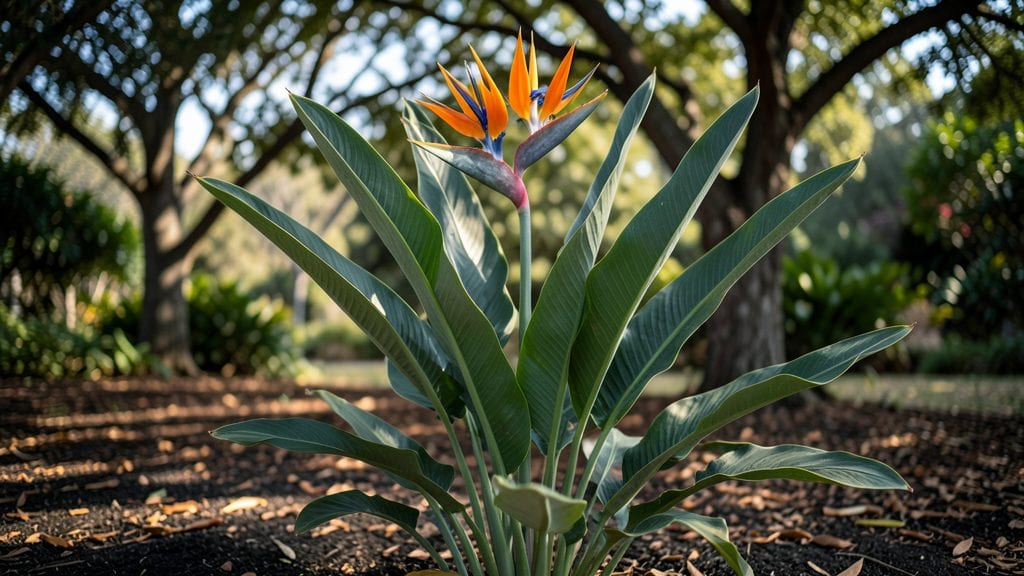
The bird of paradise flower brings bold, exotic beauty to Pacific Northwest gardens—even when grown indoors. 🌿 I've nurtured mine through damp winters and gray skies, and with the right care, it rewards you with those iconic orange-and-blue blooms year after year.
The secret isn't tricky: it's about mimicking its tropical roots while working with our cooler climate.
This plant thrives in bright, indirect light—think east-facing windows or a sunny patio—and tolerates our region's humidity better than most tropicals. Well-draining soil prevents root rot, and a 5-10 gallon container gives roots room to grow without overheating.
The biggest mistake? Letting it dry out completely, which causes those dramatic leaves to crisp at the edges.
By summer, you'll see those striking orange-and-blue flowers emerge, each lasting 2-3 weeks before giving way to new growth. The plant grows 3-6 feet tall, making it a showstopper in containers or as a bold accent near patios.
With proper winter care (keeping it above 40°F), it keeps flowering season after season.
Whether you're bringing one inside for winter or growing it outdoors in milder microclimates, the key is consistency. These plants are forgiving once you understand their basic needs—just don't let them get waterlogged or cramped. The payoff? A tropical focal point that thrives where most exotic plants would struggle.
📚 In This Guide
- What you need
- Instructions
- Tips and common mistakes
- Wrapping up and next steps
What you need
- ● Bird of Paradise plant: 1 mature plant (3–5 years old, 3–4 feet tall) from a nursery or online retailer (ensure it’s hardy for USDA Zones 9–11)
- ● OR a young plant (1–2 feet tall) for slower, long-term growth
- ● Well-draining soil mix: 50% high-quality potting soil (e.g., Miracle-Gro Moisture Control)
- ● 30% perlite or pumice (for aeration)
- ● 20% compost or worm castings (for nutrients)
- ● Container (if potted): 1 large ceramic or fabric pot (18–24 inches wide) with drainage holes
- ● OR a raised garden bed (if planting outdoors in mild microclimates)
- ● Fertilizer: Balanced liquid fertilizer (e.g., 20-20-20 or fish emulsion) for spring/summer
- ● Slow-release granular fertilizer (e.g., Osmocote) for winter
- ● Gloves (to protect hands from thorns)
- ● Trowel or shovel (for planting/transplanting)
- ● Watering can or hose with adjustable nozzle (gentle watering is key!)
- ● Mulch (straw or shredded bark to retain moisture)
- ○ Grow lights or indoor greenhouse setup (optional, for Zone 8 or colder)
- ● Thermometer (to monitor soil temps—ideal range: 60–80°F)
- ● 🌡️ Microclimate matters: Plant near south-facing walls or in greenhouses to extend the growing season.
- ● ✨ Overwintering: Move potted plants indoors (near a bright window) or use a frost blanket for outdoor plants.
- ● 💧 Water wisdom: Keep soil consistently moist but not soggy—Bird of Paradise hates "wet feet."
Step-by-step instructions for planting and cultivating Bird of Paradise
This stunning tropical thrives in Pacific Northwest climates with the right approach—here's how to coax its bold blooms.
🪴 Step 1: Select the Right Container and Soil Mix
Bird of paradise needs room to grow, so choose a 12-15 gallon container with drainage holes—these plants despise soggy roots. I use a mix of 50% premium potting soil, 30% perlite, and 20% compost for excellent drainage while retaining moisture. The soil should feel like a damp sponge when squeezed, not cling to your fingers.
Position the pot where it gets bright, indirect light—think filtered sunlight through sheer curtains. If outdoors, a sheltered patio with afternoon shade works best. Too much direct sun scorches the leaves, while too little dims the plant's vibrant energy.
🌱 Step 2: Plant and Water for Initial Establishment
Place your bird of paradise in the container and fill around the root ball with your prepared soil mix, pressing gently to eliminate air pockets. The top of the root ball should sit 1-2 inches below the container rim—this prevents water from spilling over during heavy watering. Water thoroughly until it drains freely from the bottom.
Let the plant sit in a humid environment for the first week—think of a pebble tray with water beneath or a clear plastic tent. This mimics its tropical origins and helps reduce transplant shock. You'll know it's settling in when new growth appears within 3-4 weeks.
☀️ Step 3: Maintain Ideal Light and Watering Conditions
Once established, water when the top 2-3 inches of soil feel dry—stick your finger in to check. Overwatering is the fastest way to kill this plant, so always ensure excess water drains away completely. In summer, you might water every 5-7 days, while winter slows growth and reduces watering to every 10-14 days.
Rotate the pot quarter-turn weekly to encourage even growth—you'll notice leaves leaning toward the light if you skip this. For blooms, provide 6+ hours of bright, indirect light daily. If indoors, supplement with a grow light 12 inches above the plant for 14 hours daily during shorter winter days.
✂️ Step 4: Prune and Fertilize for Healthy Growth
Prune any yellow or brown leaves immediately—they sap energy from the plant. Cut back one-third of the oldest stems in early spring to encourage new growth. This is also when I fertilize with a balanced 10-10-10 formula every 4-6 weeks during the growing season. Reduce feeding in fall and winter when growth slows.
Watch for new shoots at the base—these indicate healthy division potential. If your plant outgrows its pot or becomes top-heavy, it's time to repot in spring using the same soil mix. The goal is to keep it slightly root-bound for best flowering, but never so crowded that roots circle the pot.
🌿 Step 5: Encourage Blooms with Proper Care
Bird of paradise typically blooms in late spring to early summer, but consistent care triggers repeat blooming. After flowers fade, trim the spent stalks back to the nearest leaf node. This redirects energy to new growth and future blooms. I've found that plants in slightly cooler 60-65°F nights with warm 75-80°F days produce the most dramatic flowers.
If your plant isn't blooming after a year, it might need more light or fertilizer. Move it to a brighter spot and increase feeding to a high-phosphorus 5-10-5 formula for 2-3 months. Patience is key—some plants take 2-3 years to reach full blooming potential, but the wait is worth the tropical spectacle.
Tips & tricks for perfect Bird of Paradise cultivation
These insider secrets will help you coax vibrant blooms from your tropical beauty—even in our Pacific Northwest climate.
Soil Mix Mastery: The 50-30-20 soil ratio (potting soil/perlite/compost) is non-negotiable for drainage, but here's the secret: add 1 cup of orchid bark to your mix for extra aeration. This mimics its native habitat and prevents that dreaded soggy root syndrome. I also recommend sterilizing your potting soil by baking it at 200°F for 30 minutes to kill any fungal spores that could harm your plant.
Lighting Strategy: That "bright, indirect light" instruction is crucial, but let me clarify what that looks like. Place your plant within 3-4 feet of an east-facing window where it gets morning sun and afternoon shade. If using artificial grow lights, position them 12-15 inches above the plant for optimal photosynthesis—closer than the 12 inches mentioned for winter supplementation. Test your light setup by observing leaf color: yellowing means too much direct sun, while pale leaves indicate insufficient light.
Watering Wisdom: The finger-check method for soil moisture works, but here's a pro tip: use your finger's first knuckle as a guide—about 1 inch deep is perfect for checking. For container plants, water until you see moisture draining from the bottom holes, then wait until the soil feels like a wrung-out sponge before watering again. In winter, reduce to every 14-21 days as growth slows dramatically. Overwatering is the #1 killer, so when in doubt, wait an extra day.
Bloom Trigger: The temperature range of 60-65°F nights with 75-80°F days is ideal, but creating this environment indoors can be tricky. Place your plant near a window with good airflow but no drafts, and consider using a small space heater near the plant at night during winter to maintain that cooler nighttime temperature. This temperature differential is what signals the plant to produce those dramatic blooms—it's essentially mimicking the natural tropical climate shifts.
Pro Tips for Bird Of Paridise Flower
- These insider secrets will help you coax vibrant blooms from your tropical beauty—even in our Pacific Northwest climate.
- Soil Mix Mastery: The 50-30-20 soil ratio (potting soil/perlite/compost) is non-negotiable for drainage, but here's the secret: add 1 cup of orchid bark to your mix for extra aeration.
- Lighting Strategy: That "bright, indirect light" instruction is crucial, but let me clarify what that looks like.
Frequently asked questions
Got questions about growing Strelitzia reginae—the Bird of Paradise flower—in your Pacific Northwest garden? You’re not alone! Here are some of the most common queries (and answers) to help you cultivate this tropical stunner with confidence.
Can Bird of Paradise flowers survive the PNW’s rainy winters?
The good news is yes! While they’re native to South Africa, Bird of Paradise flowers are surprisingly hardy once established (USDA zones 9-11). In colder PNW winters, grow them in containers and move them indoors or under a roof when temperatures drop below 30°F (-1°C). A greenhouse or bright garage works well. Pro tip: Mulch the base with straw or bark to insulate roots.
How long does it take for a Bird of Paradise to bloom?
Patience is key—these divas take 3–5 years to flower from seed, but much faster (often 1–2 years) if you plant a mature nursery specimen. Ensure they get bright, indirect light (like a south-facing window or greenhouse) and well-draining soil. Bonus: Once established, they can bloom year-round in ideal conditions!
Why aren’t my Bird of Paradise leaves turning green?
Yellowing or pale leaves usually signal overwatering or poor drainage. These plants thrive in moist but not soggy soil—water only when the top 2 inches feel dry. If your soil is heavy clay (common in the PNW), amend it with perlite or sand. Troubleshoot: Check for root rot by gently lifting the pot—smelly, mushy roots? Time to repot with fresh, gritty mix.
Are there PNW-friendly alternatives to Bird of Paradise?
If you love the drama but need lower-maintenance options, try these PNW-tolerant tropical-looking plants:
- Canna lilies (Canna spp.) – Bold foliage, thrives in wetter climates.
- Hibiscus (Hibiscus rosa-sinensis) – Hardy in containers, loves humidity.
- Bird of Paradise’s cousin: Strelitzia nicolai – Larger leaves, slightly more cold-hardy (to 20°F/-7°C).
Where’s the best place to buy a healthy Bird of Paradise plant?
Skip big-box stores—look for local nurseries or specialty growers who source container-grown plants (not balled-and-burlapped). Online options like Etsy or Planters.com often ship healthy specimens. Red flags: Wilting leaves, brown tips, or a pot with no drainage holes. Ask: “How long has this plant been in bloom?” (Longer = more established!)
Wrapping up and next steps
The Bird of Paradise flower proves that stunning tropical beauty isn’t just for warmer climates—it can thrive in the Pacific Northwest with the right care! 🌿 Whether you’re drawn to its bold colors, exotic allure, or adaptability, this plant rewards patience and effort with breathtaking blooms.
Ready to bring a taste of the tropics to your garden?
🌱 Next Steps to Grow Your Own
Start small—try growing one in a pot or test a sunny spot in your yard. With the tips you’ve learned, you’ll be well on your way to cultivating a showstopper that turns heads (and maybe even attracts hummingbirds!). Happy gardening!