
Flowers
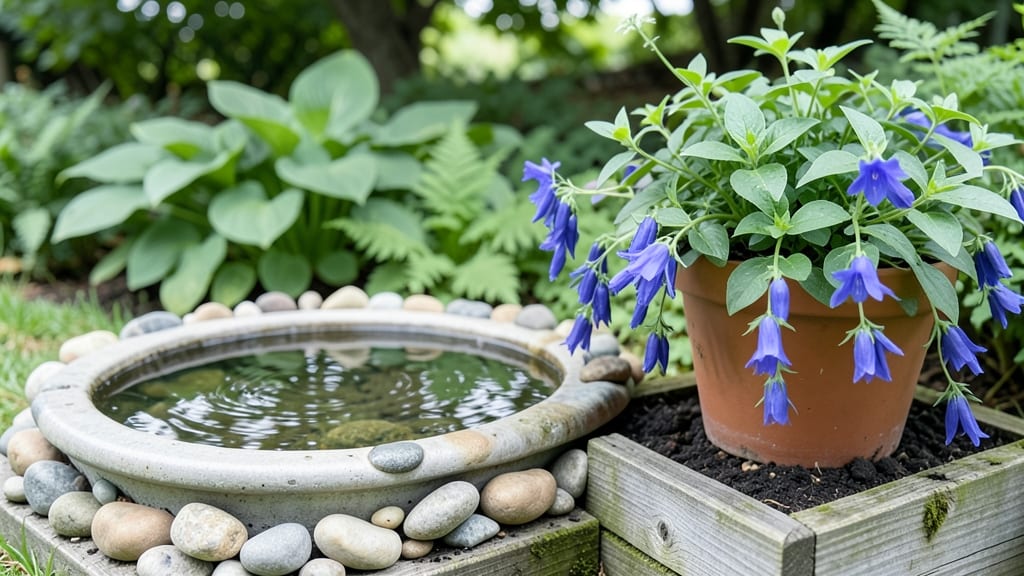
A birdbath with flowers isn't just a garden feature—it's a buzzing hub where hummingbirds sip nectar and butterflies flutter through petals. 🌸 I learned the hard way that placement matters: too much shade means fewer visitors, while a sunny spot turns it into a daily wildlife show.
The right plants make all the difference—think tall grasses for perches, low shrubs for cover, and blooms that feed pollinators from spring to frost.
Start with a shallow basin (2-3 inches deep) surrounded by moisture-loving perennials like asters, coneflowers, or ferns. Add a few small rocks for grip and a drip edge to keep water clean.
My secret? A solar-powered bubbler—it keeps the water fresh without electricity. This setup works in containers too, perfect for patios or small yards where digging isn't an option.
Within weeks, you'll see bees buzzing, dragonflies skimming, and birds bathing with their chicks. The flowers stay vibrant longer because pollinators help with pollination, and the whole garden feels more alive.
Even in winter, evergreen shrubs and seed heads keep the space functional and beautiful. It's the kind of project that grows more rewarding with every season.
Whether you're going for cottage charm, modern minimalism, or a wildflower meadow vibe, the birdbath becomes the centerpiece. Just avoid plastic—it heats up too fast for comfort. With the right plants and a little maintenance, this becomes the garden feature everyone admires and wildlife depends on.
📚 In This Guide
- What you need
- Instructions
- Tips and common mistakes
- Wrapping up and next steps
What you need
- ● Birdbath: A shallow, wide basin (12–18 inches in diameter) with a flat or slightly sloped bottom. Choose one made of terracotta, stone, or weather-resistant resin.
- ● Flowers: 5–7 long-stemmed, water-resistant blooms (e.g., water lilies, lotus, or aquatic-friendly perennials like Hosta or Canna).
- ○ Optional: Floating flowers (e.g., water hyacinth) for a dreamy effect.
- ● Water: Enough to fill the basin 2–3 inches deep (dechlorinated if possible).
- ● Gravel or pebbles: Small stones (½–1 inch) to line the bottom (1–2 cups) for drainage and aesthetics.
- ● Garden trowel or small shovel for arranging gravel.
- ● Scissors or pruners for trimming flower stems.
- ○ Waterproof adhesive (optional) to secure floating elements.
- ○ Solar-powered fountain pump (optional) for gentle movement and extra charm.
- ○ Birdbath stand or saucer (optional) to elevate it for better visibility.
Step-by-step instructions for creating a birdbath with flowers
Turn your garden into a buzzing haven with this simple, pollinator-friendly design.
🪴 Step 1: Select and Prepare Your Container
Choose a shallow, wide container—12-16 inches in diameter—with a flat, stable base. A ceramic or stone birdbath works perfectly, but a large, shallow bowl or even a repurposed saucer will do. Clean the container thoroughly with soapy water to remove any residues that could harm visiting birds or insects.
For added stability, place a small layer of pebbles or sand at the bottom before adding water. This prevents the container from cracking if it freezes in winter and gives roots of any added plants a chance to anchor. If your container has drainage holes, cover them with a piece of mesh to keep debris out while still allowing excess water to escape.
🌿 Step 2: Choose Pollinator-Friendly Flowers
Select native, non-toxic flowers that thrive in your climate and attract pollinators. Good choices include butterfly weed, coneflowers, black-eyed Susans, or milkweed—all of which provide nectar and shelter. Avoid double-flowered varieties, as they often lack the pollen and nectar that bees and butterflies need.
Plant flowers around the edge of the container, spacing them 4-6 inches apart to allow room for growth. Use a small trowel to dig holes just deep enough to accommodate the roots without burying the stems. Water the soil gently after planting to help it settle and encourage root establishment.
💧 Step 3: Add Water and Create a Safe Environment
Fill the birdbath with 1-2 inches of fresh water, enough to provide a shallow pool for birds to drink and bathe in. Change the water every 2-3 days to prevent mosquito breeding and keep it clean for your feathered visitors. Place the birdbath in a sunny, shaded spot—some morning sun helps evaporate water quickly, while afternoon shade prevents algae growth.
To make it even more inviting, add a few smooth stones around the edges. These provide perches for birds and resting spots for butterflies while keeping the flowers from falling into the water. Avoid using decorative elements like plastic toys or bright colors, as they can startle or deter wildlife.
✂️ Step 4: Maintain and Refresh Regularly
Check the water level daily during hot weather, as evaporation can dry it out quickly. Refill as needed, and scrub the container with a mild vinegar solution every 2 weeks to prevent mineral buildup and keep it fresh. Trim spent flowers promptly to encourage new blooms and maintain a tidy appearance.
In late fall, empty and clean the birdbath thoroughly before storing it for the winter. If you live in a mild climate, leave a small amount of water in the container to provide a drinking source for birds during freezing temperatures. This small act makes a big difference in supporting local wildlife year-round.
Tips & tricks for creating a whimsical birdbath garden
Transforming a simple container into a pollinator paradise takes just a few thoughtful touches—here's how to make it truly special.
Container Stability: I learned the hard way that shallow containers can tip easily when birds land. For extra security, place your 12-16 inch container on a sturdy saucer or small tray. If using a heavy ceramic piece, consider adding small weights like pebbles around the base—just don't block those drainage holes if your container has them. This keeps everything safe while providing that perfect shallow water depth of 1-2 inches.
Flower Selection Tip: When choosing between butterfly weed, coneflowers, or milkweed, I always pick at least one plant that blooms early and another that flowers late. This creates a continuous nectar source for pollinators throughout the growing season. Pro tip: Plant a few extra flowers in pots nearby—they'll attract pollinators that might not discover your birdbath otherwise.
Water Maintenance Strategy: The 2-3 day water change schedule works perfectly in moderate climates, but I adjust for extreme weather. In hot summers, I check water levels daily and add a few smooth stones—they create natural perches while helping prevent evaporation. For winter prep, I always leave a small amount of water (about ½ inch) if freezing temps aren't expected, which provides essential hydration for winter birds.
Safety First: Here's what nobody tells you—avoid using decorative elements that can harm wildlife. I've seen plastic toys and bright colored stones actually deter birds from using birdbaths. Stick to natural materials like smooth river rocks or simple wooden perches. The goal is to create a safe haven, not a decorative centerpiece that might confuse or frighten visitors.
Pro Tips for Birdbath With Flowers
- Transforming a simple container into a pollinator paradise takes just a few thoughtful touches—here's how to make it truly special.
- Container Stability: I learned the hard way that shallow containers can tip easily when birds land.
- Flower Selection Tip: When choosing between butterfly weed, coneflowers, or milkweed, I always pick at least one plant that blooms early and another that flowers late.
Frequently asked questions
Got questions about creating a birdbath with flowers? You’re not alone!
Here are some of the most common queries—plus quick, practical answers to help you design a pollinator-friendly haven without the hassle.
What’s the best type of birdbath for attracting birds and pollinators?
A shallow, wide basin (2–3 inches deep) works best—birds like finches and sparrows prefer flat edges to drink safely, while bees and butterflies need easy access to water. Avoid deep bowls that trap critters. Pro tip: Add smooth stones for perching spots!
Which flowers pair well with a birdbath to maximize pollinator visits?
Native wildflowers like coneflowers, black-eyed Susans, and bee balm are top picks—they’re low-maintenance, drought-tolerant, and packed with nectar. Place them within 3–5 feet of the bath for easy access. Bonus: Succulents like sedum add texture and thrive in shallow water!
How often should I clean a birdbath with flowers around it?
Check weekly for algae or debris—empty, scrub with a 10% vinegar solution, and refill with fresh water. Flowers should be trimmed back monthly to prevent overgrowth. Warning: Stagnant water breeds mosquitoes, so keep it topped off!
Can I use a birdbath with flowers in a small balcony or patio?
Opt for a miniature ceramic or fiberglass bath (12–18 inches wide) and pair it with potted herbs (like thyme or lavender) or tiny succulents. Place it on a stable surface, and avoid overcrowding—birds need space to approach safely.
Why aren’t bees or butterflies visiting my birdbath with flowers?
Check these fixes:
- Water depth: Too deep? Add a shallow dish or floating plants (like water hyacinth) for landing spots.
- Location: Place in partial sun (bees hate direct heat) and near flat surfaces for butterflies to rest.
- Flowers: Ensure blooms are open and accessible—some birds (like hummingbirds) may block access!
What’s a low-maintenance alternative to a traditional birdbath?
Try a self-cleaning solar fountain (like a bubbling rock feature) or a drip irrigation system with a shallow tray. For flowers, drought-resistant perennials (e.g., yarrow or salvia) reduce watering needs while keeping pollinators happy.
Wrapping up and next steps
A birdbath with flowers isn’t just a charming garden addition—it’s a lifeline for pollinators and a burst of joy for you! 🌸 With the right materials and a little creativity, you can craft a whimsical haven that attracts bees, butterflies, and birds while elevating your outdoor space.
Whether you’re a seasoned gardener or just starting, this project is a rewarding way to blend beauty and purpose.
Ready to transform your garden? Start small—pick a spot, gather your supplies, and let nature lead the way! Every splash of color and fluttering wing will remind you of the magic you’ve created. Happy crafting! 🌿