Planting
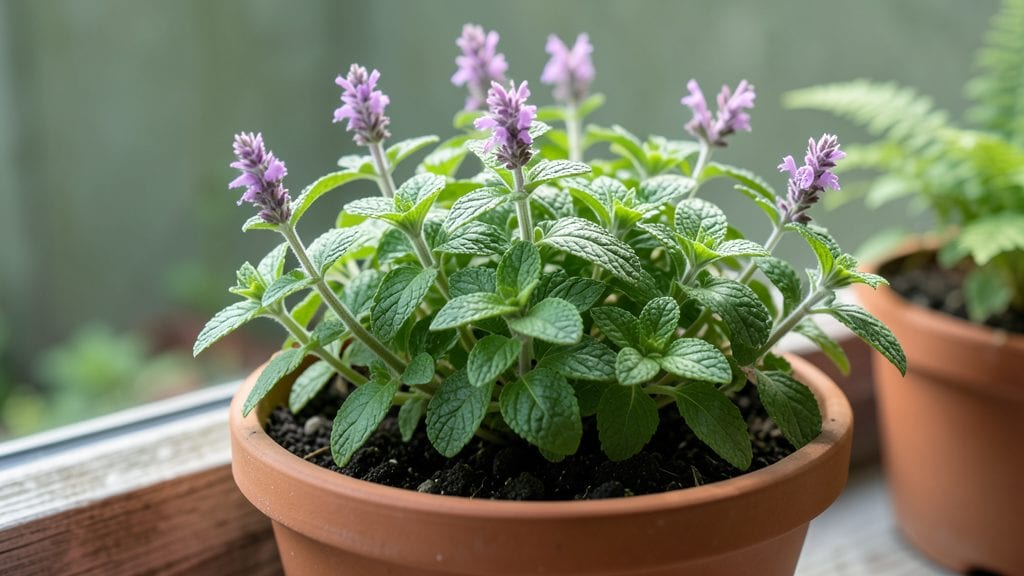
Spearmint plant flowers burst into delicate lavender spikes that hum with pollinators—especially when grown in containers where their roots stay cozy through Pacific Northwest frosts. 🌿 I’ve watched mine survive temperatures down to 20°F, their woody stems standing tall while most herbs wilt.
The secret isn’t fancy soil or constant coddling—it’s matching their Mediterranean roots to the right container and sunlight balance.
You’ll spot those signature flower spikes by mid-summer if you give them 6+ hours of sun daily and well-draining soil. Spearmint thrives in 5-gallon pots with drainage holes, and a pinch of compost at planting ensures those first blooms arrive sooner.
The flowers may look pretty, but they also signal it’s time to trim back stems to keep the plant bushy and productive—otherwise, you’ll end up with leggy, floppy growth by fall.
What you’ll end up with is a mint plant that doubles as both a pollinator magnet and a kitchen staple. The flowers attract bees while the leaves stay bright green and fragrant all season long.
Even after frost, the container insulation keeps roots protected, so you can harvest fresh mint well into winter if you bring pots indoors before hard freezes.
This approach works for both balcony gardens and patio setups—just swap out containers every few years to refresh the soil. The key is patience: spearmint grows aggressively, so regular pruning (not deadheading) keeps it manageable.
Once established, it’s the most frost-hardy herb I’ve grown, and the flowers make it even more rewarding to watch.
📚 In This Guide
- What you need
- Instructions
- Tips and common mistakes
- Wrapping up and next steps
What you need
- ● Spearmint plants or seeds: 2–3 young spearmint plants (6–8 inches tall) or 1 packet of organic spearmint seeds (ensure they’re Mentha spicata for best frost resistance).
- ● Containers: 1–2 large pots (12–18 inches deep) with drainage holes. Terracotta or fabric grow bags work best for cold climates.
- ● Potting mix: 3–5 gallons of well-draining, organic potting soil (amend with perlite or sand for aeration).
- ● Fertilizer: Balanced liquid fertilizer (10-10-10) or slow-release organic granules (e.g., fish emulsion).
- ● Mulch: 1–2 inches of straw or shredded bark to insulate roots from PNW frosts.
- ● Watering can or hose: With a gentle spray nozzle for even moisture.
- ● Gloves: Heavy-duty gardening gloves (spearmint can be aggressive—it spreads easily!).
- ● Trowel or small shovel: For transplanting or dividing roots.
- ● Pruning shears: Sharp, sterilized shears to trim flowers and encourage bushier growth.
- ● Sunlight access: A spot with 4–6 hours of direct sun daily (morning sun + afternoon shade works in hotter PNW summers).
- ○ Cold-hardiness prep: Optional frost cloth for young plants during late spring/early fall frosts (<32°F).
- ● Epsom salt (1 tbsp/month) for magnesium boost and vibrant foliage.
- ● Compost tea or worm castings to enhance soil microbes.
- ● Decorative stones or pebbles to dress up containers and retain moisture.
- ● A self-watering system (e.g., wicking bed) for low-maintenance growth.
Step-by-Step instructions for growing spearmint flowers in containers
Here's how to coax fragrant spearmint blooms from your Pacific Northwest containers—frost-resistant and thriving.
🌱 Step 1: Select and Prepare the Right Container
Choose a 5-gallon container with drainage holes—spearmint roots spread aggressively, so depth matters. I use unglazed terra cotta to help regulate moisture and prevent root rot. Fill the bottom 2 inches with gravel or coarse sand for drainage, then add 2 inches of high-quality potting mix mixed with 20% perlite.
Spearmint thrives in well-draining soil that mimics its native meadow conditions. Press the mix down gently to remove air pockets, but don't compact it—roots need room to breathe. The container should have at least 12 inches of depth to accommodate the plant's sprawling habit.
🌿 Step 2: Plant Spearmint Cuttings or Nursery Starts
If using cuttings, take 4-inch stems from an established spearmint plant and remove the lower leaves. Dip the cut end in rooting hormone, then plant it 2 inches deep in the prepared soil. For nursery starts, dig a hole twice as wide as the root ball and place the plant so the top of the root ball sits ½ inch below the container rim.
Water immediately after planting until moisture runs freely from the drainage holes. Spearmint establishes quickly, but the first week is critical—keep the soil consistently moist but not soggy. You'll see new growth within 7-10 days, signaling successful rooting.
☀️ Step 3: Position for Sunlight and Frost Protection
Place your container in a spot with 6-8 hours of morning sun and afternoon shade—spearmint tolerates partial shade better than full sun in the Pacific Northwest's humid summers. In winter, move containers to a sheltered location like a garage or under an eave to protect from below 20°F temperatures.
Spearmint's frost resistance is legendary, but young plants need protection. Mulch the soil surface with 2 inches of straw or shredded leaves once temperatures drop below 40°F. This insulates roots and prevents heaving during freeze-thaw cycles. Watch for new growth in early spring—it's your cue to resume regular care.
💧 Step 4: Water and Fertilize for Continuous Blooms
Water when the top inch of soil feels dry, typically 2-3 times per week in summer. Spearmint dislikes soggy roots, so always check moisture before watering. In winter, reduce to once every 2 weeks unless the soil is bone-dry. Use a watering can with a narrow spout to direct moisture at the base and avoid wetting leaves.
Feed with a balanced liquid fertilizer (10-10-10) diluted to half-strength every 4-6 weeks during the growing season. Stop fertilizing in late summer to encourage flowering. You'll notice delicate lavender blooms appear on upright stems in late summer—these attract pollinators and signal the plant is thriving.
✂️ Step 5: Prune and Maintain for Year-Round Productivity
Pinch back new growth to 4 inches tall when stems have 4-6 leaves to encourage bushiness. Remove spent flowers by cutting stems back to 2 inches above the next set of leaves—this redirects energy to new growth and prolongs the blooming season. In late fall, trim back ⅓ of the plant's height to prepare for winter.
Divide mature plants every 2-3 years to prevent overcrowding. Lift the plant, separate the root mass into 3-4 inch sections with at least 2-3 stems each, and replant in fresh containers. Spearmint spreads easily, so regular division keeps your plants vigorous and flowering prolifically.
Tips & tricks for growing spearmint flowers in containers
Here's what I've learned after growing spearmint in Pacific Northwest containers for years—these tricks make all the difference between struggling plants and thriving blooms.
Container Depth Matters: That 12-inch minimum depth in Step 1 isn't arbitrary—spearmint roots spread aggressively horizontally AND vertically. I've seen plants in shallow containers become root-bound within a year, which stunts flowering. If you only have shallow pots, consider using two stacked containers with drainage between them to create more space for roots to explore.
Rooting Hormone Hack: For cuttings in Step 2, I've found that using a small amount of cinnamon powder instead of commercial rooting hormone works just as well. The natural antifungal properties help prevent rot while encouraging root growth. Just dip the cut ends in cinnamon before planting them 2 inches deep—it's a budget-friendly alternative that actually works better in our damp climate.
Sunlight Strategy: The 6-8 hours of morning sun in Step 3 is crucial, but timing matters just as much. In our Pacific Northwest summers, afternoon sun can scorch leaves. I place my containers on a wheeled dolly so I can easily move them into shade during peak afternoon heat (around 2-4 PM). This simple adjustment prevents leaf burn while still giving them the morning light they crave for flowering.
Winter Protection Pro Tip: When protecting from below 20°F in Step 3, don't stop at just moving containers indoors. I wrap the entire container (including drainage holes) in bubble wrap before moving it to a sheltered spot. This creates an extra insulating layer that prevents temperature fluctuations which can stress the plant. The bubble wrap also protects against any accidental freezing of the drainage holes, which could lead to root rot when thawing occurs.
Pro Tips for Spearmint Plant Flowers
- Here's what I've learned after growing spearmint in Pacific Northwest containers for years—these tricks make all the difference between struggling plants and thriving blooms.
- Container Depth Matters: That 12-inch minimum depth in Step 1 isn't arbitrary—spearmint roots spread aggressively horizontally AND vertically.
- Rooting Hormone Hack: For cuttings in Step 2, I've found that using a small amount of cinnamon powder instead of commercial rooting hormone works just as well.
Frequently asked questions
Do spearmint flowers actually grow in containers?
Spearmint thrives in containers, especially in cooler climates like the PNW. Just ensure your pot has drainage holes and is at least 12 inches deep. A 5-gallon container works well for a single plant, and you can even grow multiple stems in a larger planter. Pro tip: Use a lightweight, well-draining mix like 60% potting soil + 30% perlite + 10% compost.
Will spearmint flowers survive frost in the Pacific Northwest?
Yes! Spearmint is surprisingly frost-resistant, handling temps down to 20°F (-7°C) if established. However, young plants or those in small containers may need winter protection. Move pots to a sheltered spot, wrap them in burlap, or add a thick layer of mulch (like straw) around the base. Bonus: Frost can even enhance flavor!
When do spearmint flowers bloom, and how can I encourage more?
Spearmint typically blooms mid-to-late summer (July–September in the PNW), producing delicate lavender-pink flowers. To encourage blooms:
- Prune regularly to remove spent flowers (deadheading) and promote new growth.
- Water consistently but avoid soggy soil—spearmint dislikes "wet feet."
- Provide 4–6 hours of sunlight daily (morning sun is ideal in hotter areas).
Can I grow spearmint flowers indoors for their aroma?
While spearmint can grow indoors, it’s not ideal for flowering—it prefers outdoor conditions. If you’re set on indoor growth, place it near a south-facing window (6+ hours of light) and use a grow light if needed. For aroma, harvest leaves instead of waiting for blooms. Alternative: Try potpourri with dried spearmint leaves!
Are spearmint flowers toxic to bees or pets?
Great news—spearmint flowers are bee-friendly and safe for pollinators! However, the leaves (in large amounts) can be toxic to cats and dogs due to menthol. If your pet nibbles plants, opt for pet-safe alternatives like catnip or basil. Fun fact: Bees adore spearmint blooms, making your container garden a mini ecosystem!
Wrapping up and next steps
Growing spearmint plant flowers in containers is a fantastic way to enjoy fragrant blooms—even in the chilly Pacific Northwest! 🌿 With frost-resistant varieties and the right care, your spearmint can thrive year after year.
Whether you're harvesting leaves for tea, admiring delicate blossoms, or attracting pollinators, this herb brings beauty and utility to any space.
Ready to take the next step? Start small—plant a container today and watch your spearmint flourish! Share your progress with fellow gardeners or experiment with companion plants like lavender to enhance your herb garden’s charm. Happy growing! 🌱