Flowers
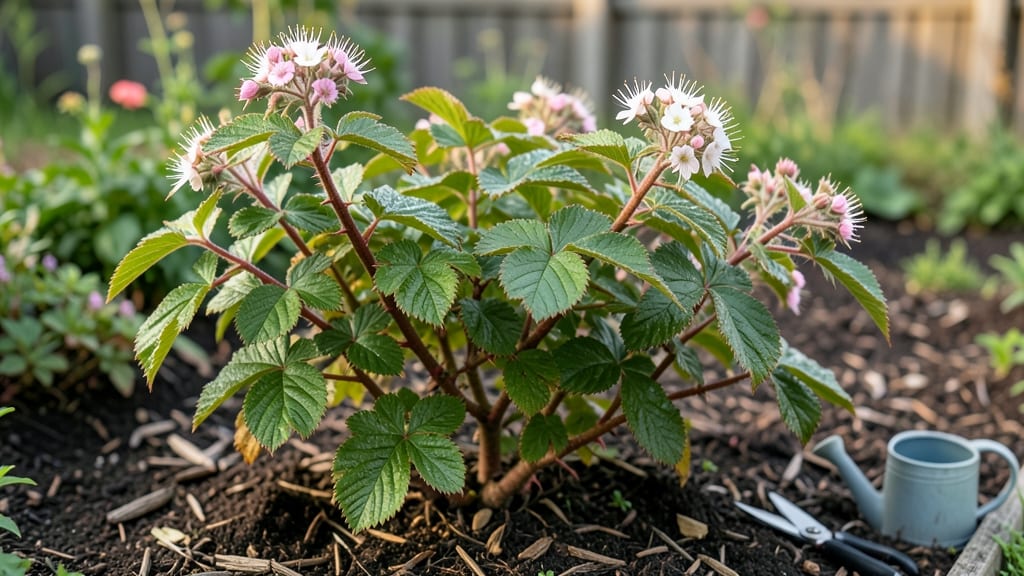
Blackberry flowers transform your Pacific Northwest garden into a lush, berry-producing paradise—if you know how to coax them into blooming reliably. 🌿 I’ve grown blackberries for years in this climate, and the difference between a thriving patch and a bare-branched disappointment comes down to timing, pruning, and a little extra care during those chilly springs.
The secret isn’t complicated: frost-resistant varieties like ‘Chehalem’ or ‘Natchez’ handle our damp, cool springs better than most, and they reward you with vibrant white or pink flowers that turn into sweet berries.
You’ll need well-draining soil, 6+ hours of sunlight, and a strategic pruning schedule to keep energy flowing toward blooms—not just leafy growth. The payoff? A harvest that lasts from early summer through fall.
Once you master the basics—like when to prune (late winter) and how to protect early flowers from late frosts—you’ll see bold, healthy blooms that attract pollinators and produce berries year after year.
Even in our rainy climate, the right approach makes blackberries one of the most reliable and rewarding plants for Pacific Northwest gardens.
Whether you’re starting from bare-root plants or established canes, this guide covers everything from soil prep to troubleshooting poor flowering. Let’s get those canes blooming like crazy!
📚 In This Guide
- What you need
- Instructions
- Tips and common mistakes
- Wrapping up and next steps
What you need
- ● Blackberry plants: 1–3 blackberry varieties (e.g., 'Chehalem Thornless,' 'Natchez,' or 'Triple Crown'—choose frost-hardy PNW favorites!)
- ● Bare-root plants (spring) or potted plants (spring/fall)
- ● Soil amendments: 5–10 lbs compost or well-rotted manure per plant
- ● 1–2 cups balanced fertilizer (10-10-10 or organic option like fish emulsion)
- ○ 1 lb bone meal (optional, for phosphorus boost)
- ● Planting site essentials: Full sun location (6+ hours daily)
- ● Well-draining soil (amend clay soil with sand or perlite if needed)
- ● Trellis or woven wire fence (6–8 ft tall for support)
- ● Garden trowel or spade
- ● Pruning shears (sterilized with rubbing alcohol)
- ● Gloves (thorn-proof if handling blackberry canes!)
- ● Watering can or hose with adjustable nozzle
- ● Mulch (straw, wood chips, or pine needles—2–3 inches deep)
- ● Timing: Plant bare-root blackberries in early spring (March–April) or fall (September–October) for PNW’s mild climate.
- ○ Frost prep: If planting in late spring, protect young plants with frost cloth (optional but helpful!).
- ● Spacing: Allow 4–6 ft between plants (or rows) for airflow and growth.
Step-by-Step guide to cultivating blackberry flowers in the Pacific Northwest
Here’s how to coax vibrant, frost-tolerant blackberry blooms from your PNW garden—no greenhouses required.
🌱 Step 1: Select and Prepare the Right Variety
Choose thornless, primocane-fruiting varieties like 'Natchez' or 'Ouachita'—they thrive in cooler climates and produce flowers on first-year canes (primocanes) rather than just second-year growth. These varieties handle 20°F dips without damage, making them ideal for the PNW’s unpredictable springs. Plant in early spring (March-April) when soil temperatures hit 50°F—warmer soil speeds root establishment.
Blackberries need full sun (6+ hours daily) and well-draining soil with a pH of 5.5-6.5. Amend heavy clay with 2-3 inches of compost and a handful of bone meal (for phosphorus) at planting. Avoid fresh manure—it burns roots. Space plants 5-6 feet apart in rows 8 feet apart to allow airflow and future cane spread.
☀️ Step 2: Establish Ideal Growing Conditions
Blackberries flower best with consistent moisture—water deeply 2-3 times per week during the first growing season to encourage deep root growth. Let the top 2 inches of soil dry between waterings to prevent root rot. In the PNW’s rainy climate, mulch heavily (3-4 inches of straw or wood chips) to protect roots from winter dampness and suppress weeds.
Fertilize lightly in early spring with a balanced 10-10-10 formula (1/2 cup per plant) and again after harvest. Avoid high-nitrogen fertilizers—they promote leafy growth at the expense of flowers. Prune old canes (floricanes) to the ground in late winter (before buds swell) to redirect energy to new primocanes that will bear next year’s flowers.
✂️ Step 3: Protect Flowers from Late Frosts
The PNW’s April-May frosts can devastate blackberry blooms, but timing is your ally. Install frost cloth or row covers over canes when nighttime temps drop below 32°F. Secure edges with bricks or soil to prevent wind damage. Remove covers by 10 AM on sunny days to allow pollinators access—blackberries rely on bees for fruit set.
If frost strikes after flowers open, prune damaged blooms immediately to avoid fungal rot. Healthy canes will produce secondary flowers later in the season. For extra insurance, plant near windbreaks (like evergreen hedges) to reduce temperature swings. In coastal areas, morning sun exposure helps flowers warm up faster after overnight chills.
🌿 Step 4: Maintain for Repeat Blooming
Blackberries often produce two flushes of flowers—primocanes bloom in mid-summer, while floricanes (second-year canes) bloom in early spring. To maximize both, prune selectively: remove weak or crossing canes in late winter, but leave 3-5 strong primocanes per plant for summer fruit. Thin canes to 1/2 inch diameter at the base for better airflow.
Watch for Japanese beetles and spider mites—they defoliate canes and stress plants, reducing flower production. Spray with neem oil at the first sign of damage. Harvest ripe berries promptly to encourage new flower formation. In fall, cut back dead foliage but leave canes standing—mulch heavily to protect roots through 20°F winters.
Tips & tricks for cultivating frost-resistant blackberry flowers
Here's what I learned after years of growing blackberries in the PNW—these tricks will help you avoid common pitfalls and get the most vibrant blooms.
Soil Temperature Timing: The 50°F soil temperature in Step 1 is your golden window for planting. I always use a soil thermometer to confirm—cold soil slows root growth and makes plants vulnerable to spring frosts. If your soil runs cooler than 50°F, consider using black plastic mulch to warm it up faster. This is especially critical in coastal areas where spring chills linger.
Watering Strategy: The 2-3 times per week watering in Step 2 needs adjustment based on your soil type. Sandy soils may need daily watering, while clay soils can go longer between waterings. I test moisture by sticking my finger 2 inches deep—if it's dry, water. Overwatering causes root rot, which kills flowers before they even open.
Frost Protection Hacks: When temps drop below 32°F in Step 3, I've found that string lights draped over frost cloth create a microclimate that adds 2-3°F of warmth. Also, water the soil before covering—it releases heat as it freezes, giving flowers extra protection. And always remove covers by 10 AM to let pollinators do their job.
Pruning Precision: The late winter pruning in Step 2 is where many gardeners go wrong. I look for canes that are 1/2 inch diameter at the base—these are the ones that will produce the most flowers. Thin aggressively but leave those strong primocanes! I also prune on a dry day to prevent fungal issues, and sterilize my pruners with rubbing alcohol between cuts.
Pro Tips for Black Berry Flowers
- Here's what I learned after years of growing blackberries in the PNW—these tricks will help you avoid common pitfalls and get the most vibrant blooms.
- Soil Temperature Timing: The 50°F soil temperature in Step 1 is your golden window for planting.
- Watering Strategy: The 2-3 times per week watering in Step 2 needs adjustment based on your soil type.
Frequently asked questions
Got questions about growing blackberry flowers? You’re not alone! Here are some of the most common queries—plus quick, practical answers to help your Pacific Northwest garden thrive.
When do blackberry flowers bloom in the PNW?
Blackberry flowers typically bloom in late spring to early summer (May–June), depending on your exact location and variety. In the cooler PNW climate, expect blooms slightly later than in warmer regions. Prune canes in late winter to encourage vigorous flowering!
Are blackberry flowers frost-sensitive?
Yes! While blackberry canes are frost-tolerant, flowers and new growth can be damaged by late frosts (<32°F). Use frost cloth or plant in sheltered microclimates (like near a south-facing wall) to protect blooms. Choose late-blooming varieties for extra resilience.
Can I grow blackberry flowers from seed?
Technically yes, but it’s not recommended for beginners! Seeds produce wild, unpredictable plants that may not fruit well. Instead, opt for bare-root canes or crowns from nurseries—these ensure reliable blooms and berries. Pro tip: Grafted varieties (like ‘Natchez’ or ‘Triple Crown’) are PNW-friendly!
Why aren’t my blackberry flowers turning into berries?
If flowers drop off without fruiting, check these common culprits:
- Pollination issues: Blackberries need bees! Plant bee-friendly flowers nearby (e.g., lavender, clover).
- Over-pruning: Leave 1/3 of last year’s canes for fruiting.
- Nutrient deficiency: Feed with balanced fertilizer (10-10-10) in early spring.
- Frost damage: Late frosts can kill flowers before pollination.
What’s the best companion plant for blackberry flowers?
Pair blackberries with companion plants that repel pests and improve growth:
- Marigolds: Deter nematodes.
- Thyme or oregano: Attract pollinators.
- Clover: Fixes nitrogen in the soil.
- Avoid strawberries: They compete for nutrients and spread disease.
Wrapping up and next steps
Blackberry flowers bring vibrant color, resilience, and delicious rewards to Pacific Northwest gardens—even in cooler climates! 🌸 Whether you're a seasoned gardener or just starting, their frost-hardy nature and dual beauty (flowers and fruit) make them a standout choice.
With the right location, soil prep, and care, you’ll enjoy stunning blooms and a bountiful harvest year after year.
Ready to grow? Start small—pick a sunny spot, gather your supplies, and plant those berries! For extra tips, check out our FAQs or dive into local PNW gardening forums. Happy planting! 🌱