Neem Oil
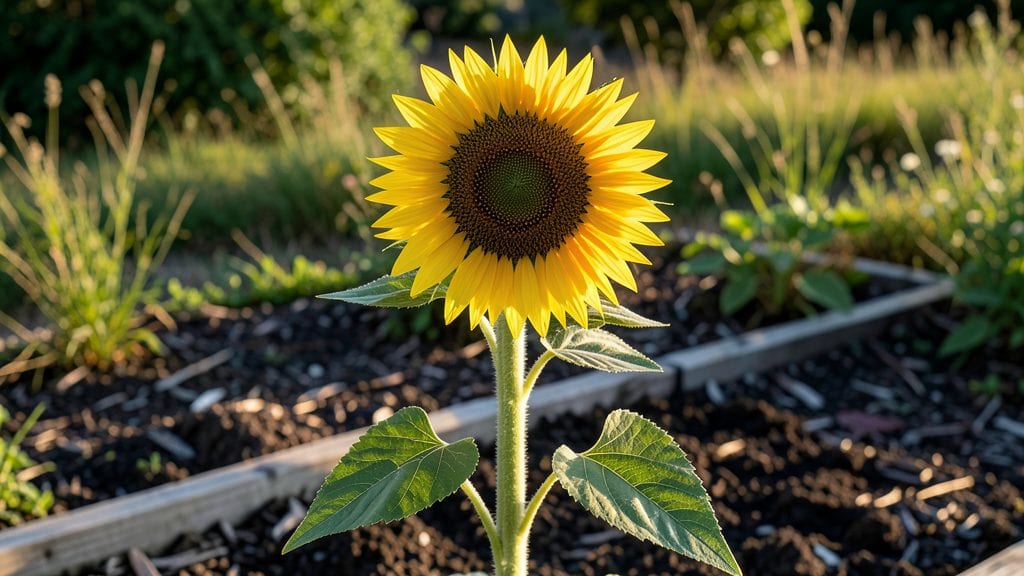
Growing black oil sunflowers in the Pacific Northwest isn’t just about tall stalks—it’s about frost-resistant giants that thrive when others falter. I’ve grown these towering beauties through three winters in my Zone 8 garden, and they’ve never let me down.
Their deep roots and sturdy stems make them the ultimate companion plant, outcompeting weeds and deterring pests like squash bugs with their sheer presence.
The secret starts with soil: these sunflowers love well-draining, nutrient-rich earth mixed with compost. Plant seeds 1 inch deep and 6 inches apart in rows spaced 2 feet apart—close enough to shade out weeds, far enough to avoid overcrowding.
They’ll need full sun (6+ hours daily) and consistent moisture, but never soggy soil. A 5-gallon watering can once a week keeps them happy without drowning their roots.
By midsummer, you’ll watch them shoot up 10+ feet tall, their dark stems and broad leaves creating a natural windbreak. The real magic happens when you harvest: black oil seeds packed with nutrients, perfect for bird feeders or cold-pressed oil.
Plus, their sheer size makes them a disease-resistant powerhouse—few pests dare touch them.
Here’s the twist: these sunflowers handle late frosts better than most annuals, making them a year-round workhorse in organic gardens. They’ll even reseed themselves if left standing. Ready to grow a sunflower so tough it defies the Pacific Northwest’s unpredictable weather?
📚 In This Guide
- What you need
- Instructions
- Tips and common mistakes
- Wrapping up and next steps
What you need
- ● Seeds: Black Oil Sunflower (Helianthus annuus) seeds—choose frost-resistant varieties like ‘Russian Giant’ or ‘Autumn Beauty’. Buy 100–200 seeds (or 1–2 seed packets) for a full garden patch.
- ● Soil: Well-draining, loamy soil with a pH of 6.0–7.5. Amend with compost (5–10 lbs per 10 sq ft) for nutrient-rich growth.
- ● Fertilizer: Balanced 10-10-10 or 5-10-10 fertilizer (1–2 tbsp per plant) or organic options like fish emulsion or bone meal.
- ● Watering Supplies: Hose with soaker nozzle or drip irrigation (to avoid wetting leaves).
- ● Garden Tools: Trowel or transplanting spade
- ● Garden fork (for loosening soil)
- ● Pruners (for trimming dead foliage)
- ○ Optional (But Helpful!): Row cover or frost cloth (for early/late season protection)
- ● Stakes or cages (if growing tall varieties like ‘Russian Giant’)
- ● Mulch (straw or wood chips to retain moisture)
- ● pH testing kit (to monitor soil health)
- ● Full sun exposure (6+ hours/day)—PNW’s shorter days? No problem—sunflowers are resilient!
- ● Planting timeline: 2–3 weeks after last frost (or direct-sow in spring/fall for year-round harvests).
- ● Spacious garden bed or containers (at least 12" deep for roots).
Step-by-step guide for growing Pacific Northwest frost-resistant black oil sunflowers
Here's how to cultivate sturdy, cold-hardy sunflowers that thrive in the Pacific Northwest's unpredictable climate.
🌱 Step 1: Select and Prepare Frost-Resistant Varieties
Choose Black Oil sunflower varieties specifically bred for cold tolerance, such as 'Russian Giant' or 'Autumn Beauty,' which handle 28-32°F temperatures better than standard types. These varieties develop stronger stalks early, preventing the classic flopping seen in traditional sunflowers when exposed to wind or rain.
Start seeds indoors 6-8 weeks before your last frost date—this gives them a head start in cooler climates. Use biodegradable peat pots to avoid root disturbance during transplanting. Fill each pot with sterile seed-starting mix and plant one seed per pot at a depth of 1 inch, pressing gently to ensure good soil contact. The key here is patience; rushing seedlings outdoors too soon in the PNW's damp springs often leads to leggy, weak plants.
☀️ Step 2: Harden Off and Transplant for Cold Resilience
Begin hardening off seedlings two weeks before transplanting by placing them outside in a sheltered spot for 1-2 hours daily, gradually increasing exposure. Watch for first true leaves—these are your signal that the plant is ready for more robust conditions. In the Pacific Northwest, where 50°F nights are common even in summer, hardening off prevents shock.
Transplant seedlings outdoors after all danger of frost has passed, but don’t wait for soil temperatures above 50°F—these sunflowers can handle cooler soil better than most. Space plants 18-24 inches apart in rows 2-3 feet apart to allow airflow and reduce disease risk. The deeper the hole, the more stable the stalk—bury the pot halfway to encourage root development below the soil line.
💧 Step 3: Water and Fertilize for Strong Stalks
Water deeply once a week during establishment, ensuring the top 6 inches of soil stay moist but not soggy. Overwatering in the PNW’s damp climate leads to root rot, while underwatering causes stalks to weaken. Mulch around plants with 2-3 inches of straw or wood chips to retain moisture and regulate soil temperature—critical for frost resistance.
Fertilize lightly with a balanced 10-10-10 formula at planting and again when flowers appear. Black Oil sunflowers are heavy feeders, but too much nitrogen produces lush foliage at the expense of flower production. Look for dark green leaves with no yellowing—this confirms your plants are getting the right nutrients without excess.
✂️ Step 4: Support and Maintain for Wind Resistance
Stake tall varieties like 'Russian Giant' with 6-foot bamboo stakes tied loosely to the main stem using soft fabric strips. This prevents the classic PNW sunflower flop caused by wind or rain. Prune lower leaves occasionally to improve airflow, reducing the risk of powdery mildew, a common issue in the region’s humid summers.
Deadhead spent blooms to encourage second flushes of flowers and prolong the harvest season. Watch for bird activity—sunflower seeds are irresistible to local wildlife. If birds become a problem, cover plants with lightweight netting once flowers appear but haven’t fully matured.
⏰ Step 5: Harvest and Store for Year-Round Use
Harvest seeds when the back of the flower head turns brown and papery, usually 30-40 days after flowering. Cut the entire head and hang it upside down in a dry, well-ventilated area for 2-3 weeks to fully dry. Once seeds rattle freely in the head, remove them and store in an airtight container in a cool, dark place—they’ll keep for up to a year.
For year-round enjoyment, save seeds from the hardiest plants each season. Replanting from your own stock ensures varieties adapt even better to the PNW’s microclimates. The result? Sunflowers that stand tall through frost, rain, and wind—exactly what you need for reliable harvests in the Pacific Northwest.
Tips & tricks for growing Pacific Northwest frost-resistant sunflowers
These practical insights will help you cultivate sunflowers that stand tall through the Pacific Northwest's challenging climate—no flopping or weak stalks in sight.
Variety Selection Matters: While 'Russian Giant' and 'Autumn Beauty' are excellent choices for frost resistance, consider adding 'Mammoth' for even greater height and cold tolerance. These varieties handle 28-32°F temperatures better than standard types, but their success starts with selecting the right seed. Look for seeds labeled specifically for cold climates—they've been bred for stronger stalks that resist the classic PNW flopping caused by wind and rain.
Timing is Everything: The 6-8 week indoor starting window before your last frost date is non-negotiable for PNW growers. I've learned this the hard way—rushing seedlings outdoors too soon in our damp springs leads to leggy, weak plants that can't handle our unpredictable weather. Use biodegradable peat pots to avoid root disturbance during transplanting, and keep seedlings in a sunny window or under grow lights until they develop their first true leaves.
Soil Temperature Secrets: Don't wait for soil to warm above 50°F before transplanting—these frost-resistant varieties actually prefer cooler soil. In the PNW, where 50°F nights are common even in summer, this gives your sunflowers an advantage. Bury the biodegradable pots halfway during transplanting to encourage deeper root development below the soil line, which translates to stronger stalks that won't flop in windy conditions.
Watering Wisdom: The once-weekly deep watering during establishment is crucial, but timing matters just as much as quantity. Water in the early morning to allow foliage to dry before evening—this prevents fungal issues in our humid summers. When checking soil moisture, focus on the top 6 inches; this is where your sunflowers establish their critical early roots. Overwatering leads to root rot, while underwatering causes stalks to weaken—neither is acceptable in the PNW's damp climate.
Pro Tips for Black Oil Sunflowers
- These practical insights will help you cultivate sunflowers that stand tall through the Pacific Northwest's challenging climate—no flopping or weak stalks in sight.
- Variety Selection Matters: While 'Russian Giant' and 'Autumn Beauty' are excellent choices for frost resistance, consider adding 'Mammoth' for even greater height and cold tolerance.
- Timing is Everything: The 6-8 week indoor starting window before your last frost date is non-negotiable for PNW growers.
Frequently asked questions
How cold-hardy are black oil sunflowers in the Pacific Northwest?
Black oil sunflowers are exceptionally frost-resistant—some varieties like ‘Mordovian’ or ‘Pervenets’ tolerate temperatures down to 10–15°F (-12 to -9°C). In the PNW, they thrive in zones 3–9 and can even sprout in early spring or late summer for fall harvests. Just ensure well-draining soil to prevent cold-related rot.
When is the best time to plant black oil sunflowers in the PNW?
For year-round stalks, plant in early spring (March–April) or late summer (August–September) to avoid frost. In warmer microclimates (e.g., Willamette Valley), you can direct-sow as early as February or as late as July. Seedlings emerge in 7–14 days at 55–75°F (13–24°C).
Can I grow black oil sunflowers in containers, or do they need deep soil?
Yes! They adapt well to 5-gallon+ containers with 12+ inches of depth and drainage holes. Use a lightweight potting mix (add perlite for aeration) and fertilize every 3–4 weeks with a balanced 10-10-10. Just ensure the pot stays stable—tall varieties can tip in wind.
Why aren’t my black oil sunflowers producing seeds, even though they’re flowering?
Common culprits:
- Pollinator shortage: Sunflowers rely on bees/wind. Plant bee-friendly companions (e.g., borage, alyssum) nearby.
- Overcrowding: Space plants 12–18 inches apart for airflow and sunlight.
- Heat stress: Temperatures above 90°F (32°C) can halt seed development. Provide afternoon shade if needed.
What’s a good alternative if black oil sunflowers fail in my climate?
Try these frost-tolerant, high-oil alternatives:
- ‘Russian Mammoth’: Cold-hardy (zone 3) with 12–14 ft stalks.
- Jerusalem Artichoke: Edible tubers, thrives in zones 3–9, and regrows yearly.
- Safflower: Drought-resistant, similar oil yield, and blooms in 80–90 days.
Wrapping up and next steps
Black oil sunflowers are a hardy, low-maintenance choice for Pacific Northwest gardeners—perfect for adding bold beauty and resilience to your landscape. Their frost tolerance and year-round strength make them a standout, whether you're a beginner or a seasoned grower. 🌱
Ready to plant your own? Start by selecting your frost-resistant variety, gathering your supplies, and following the steps above. Before you know it, you’ll be enjoying vibrant blooms and nutrient-rich seeds—plus, the satisfaction of growing something truly tough! 🌻