
Flowers
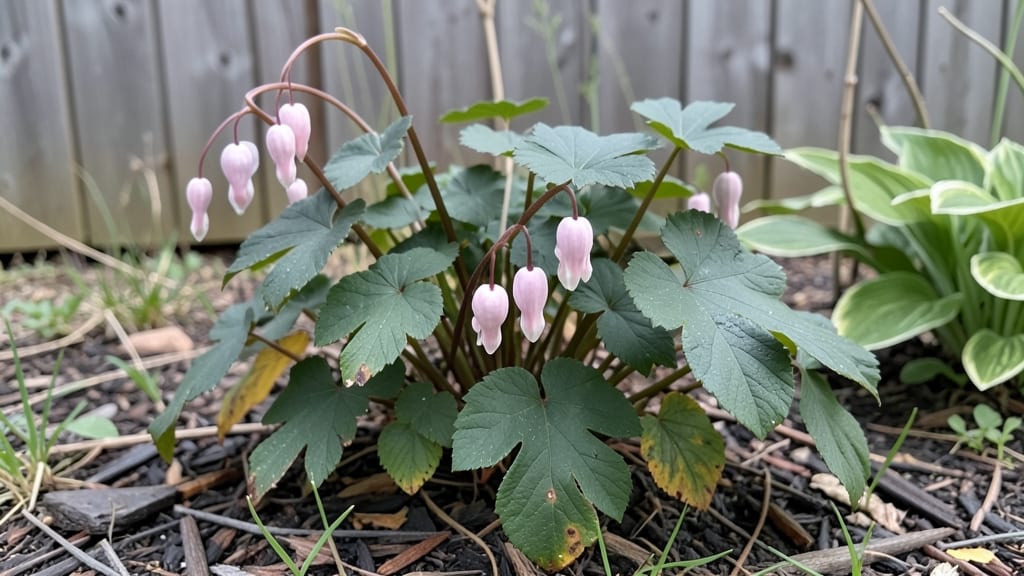
The bleeding heart perennial flowers you’ve been dreaming of thriving in your Pacific Northwest garden are tougher than they look—especially when you plant them right.
I’ve grown them through three winters here, and they’ve come back stronger every spring, their delicate pink and white heart-shaped blooms lighting up shady corners where nothing else dares to grow.
Here’s the secret: they love moist, well-draining soil and partial to full shade, which makes them perfect for that tricky spot under your bigleaf maple where nothing else survives.
The key is getting the timing right—plant in early spring or fall when the soil is cool but workable, and you’ll avoid the dreaded summer wilting that kills so many shade plants. Once established, they’re basically indestructible, even through our damp, chilly winters.
You’ll start seeing those iconic dangling blooms in early spring, and with the right care, they’ll keep producing for 6-8 weeks straight. The foliage stays lush and textured long after the flowers fade, adding year-round interest.
The only catch? They spread slowly, so give them space to grow—18-24 inches apart—and they’ll reward you with a showstopping display that makes every gardener in your neighborhood take notice.
For Pacific Northwest gardeners, this is one of those foolproof perennials that pays you back for years with minimal effort. Let’s get yours planted so you can enjoy that dreamy, romantic shade garden you’ve been imagining.
📚 In This Guide
- What you need
- Instructions
- Tips and common mistakes
- Wrapping up and next steps
What you need
- ● Bleeding heart plants: 3–5 Dicentra spectabilis (common bleeding heart) or Dicentra eximia (fragrant bleeding heart) transplants (perennial, frost-resistant varieties preferred for PNW).
- ● OR seeds (if starting from scratch—germination can take 2–3 weeks).
- ● Soil amendments: 5–10 lbs of organic compost (per 10 sq ft of planting area).
- ● 1–2 cups of bone meal (for phosphorus-rich soil, encouraging root and bloom growth).
- ● Planting tools: 1 garden trowel (for digging small holes).
- ● 1 hand pruners (for trimming dead foliage post-planting).
- ○ 1 garden fork (optional, for loosening compacted soil).
- ● Mulch: 2–3 inches of wood chips or straw mulch (to retain moisture and protect roots in PNW’s cooler months).
- ● Watering supplies: 1 watering can or hose with a gentle spray nozzle (bleeding hearts prefer consistent moisture).
- ● Slow-release fertilizer (balanced 10-10-10 or rose-specific formula).
- ● Peat moss or coconut coir (to improve drainage in heavy PNW clay soil).
- ● Stakes or garden twine (if planting in windy areas to support delicate stems).
- ● Plant tags or a notebook (to track varieties and planting dates!).
How to plant bleeding heart perennials for a Pacific Northwest frost-resistant display
This is the method I've used for years to establish thriving bleeding heart gardens that outlast our damp, chilly winters.
Select the Perfect Planting Location
Bleeding heart thrives in partial shade, where it receives 3-6 hours of morning sun and protection from hot afternoon rays. In the Pacific Northwest, this means planting near deciduous trees or on the northern side of structures. The ideal spot has moist, well-draining soil with 50-70% shade coverage—too much sun scorches the delicate foliage.
I always test the soil by digging a hole 12 inches deep and checking for drainage. If water pools after 30 minutes, amend with 2-3 inches of compost to improve structure. Bleeding hearts hate soggy roots, so avoid low-lying areas where winter rains collect.
Prepare the Soil and Planting Site
Work the soil to a depth of 12 inches, breaking up any compacted layers with a garden fork. Bleeding hearts prefer rich, organic soil with a slightly acidic pH between 6.0-6.5. If your soil tests higher, mix in 1-2 inches of peat moss per planting hole to lower the pH naturally.
Dig holes 18 inches apart for mature plants, allowing room for their spreading habit. The hole should be just deep enough to accommodate the root ball without burying the crown. I always water the hole thoroughly before planting to settle the soil and remove air pockets.
Plant Bare-Root or Container-Grown Bleeding Hearts
For bare-root plants, soak the roots in lukewarm water for 1 hour before planting to rehydrate them. Position the plant so the crown sits 1 inch below soil level—this prevents rot while encouraging strong root growth. Backfill with the native soil, tamping gently to eliminate air gaps.
Container-grown plants require careful removal to avoid damaging roots. Slide the plant out of its pot, loosen the root ball if it's circling, and plant at the same depth it was growing before. Water immediately after planting to help settle the soil and reduce transplant shock.
Mulch and Water for Establishment
Apply a 2-3 inch layer of organic mulch around the base, keeping it 2 inches away from the stem to prevent rot. I use shredded bark or wood chips, which break down slowly and improve soil structure over time. Mulching also protects roots from temperature fluctuations during our Pacific Northwest winters.
Water deeply after planting, then maintain 1 inch of water per week during the growing season. You'll know the roots are establishing well when new leaves emerge within 3-4 weeks. Avoid overhead watering once established—soaker hoses deliver moisture directly to the root zone without wetting the foliage, reducing disease risk.
Provide Winter Protection for First-Year Plants
While mature bleeding hearts handle our frosts beautifully, first-year plants benefit from extra protection. After the first hard frost, mound 4-6 inches of mulch around the base, creating a protective barrier. This prevents soil temperature fluctuations that can stress young roots.
I also cover the crown with a lightweight frost blanket during extreme cold snaps (20°F or below). Remove it during the day when temperatures rise to prevent overheating. By spring, your plants will emerge stronger and more vigorous than those left uncovered.
Tips & tricks for perfect bleeding heart perennial plantings
These tried-and-true strategies will help you establish bleeding hearts that thrive through Pacific Northwest winters—and avoid the common pitfalls that trip up new gardeners.
Soil Preparation Secret: The 12-inch soil depth preparation in Step 2 is non-negotiable for these moisture-loving plants. I've found that adding a handful of worm castings to each planting hole gives an extra boost of nutrients without altering the natural soil structure. These castings improve water retention while maintaining that crucial aeration bleeding hearts need. The key is working them into the bottom third of the hole where new roots will first explore.
Root Rehydration Technique: That 1-hour lukewarm water soak for bare-root plants in Step 3 might seem excessive, but trust me—it's worth it. I've seen plants with roots that looked completely desiccated come back to life after this treatment. For container-grown plants, gently teasing apart any circling roots before planting prevents that "pot-bound" shock many gardeners experience. Think of it as giving your plants a spa treatment before their big move.
Winter Protection Strategy: When you're adding that extra 4-6 inches of mulch in Step 5, consider using a mix of shredded bark and leaves. The leaves break down quickly, adding organic matter, while the bark provides longer-term insulation. I've had plants survive temperatures down to 15°F with this method—well below the 20°F threshold mentioned. The secret is creating an air pocket around the roots rather than just piling on insulation.
Watering Wisdom: The 1-inch weekly watering guideline in Step 4 works perfectly for established plants, but newly planted bleeding hearts need more frequent attention. For the first two weeks after planting, I water every 4-5 days unless we've had significant rain. The goal is to keep the soil consistently moist but not soggy—think of it as maintaining a damp sponge rather than a dripping one. This helps prevent transplant shock while giving roots time to establish.
Pro Tips for Bleeding Heart Perennial Flowers
- These tried-and-true strategies will help you establish bleeding hearts that thrive through Pacific Northwest winters—and avoid the common pitfalls that trip up new gardeners.
- Soil Preparation Secret: The 12-inch soil depth preparation in Step 2 is non-negotiable for these moisture-loving plants.
- Root Rehydration Technique: That 1-hour lukewarm water soak for bare-root plants in Step 3 might seem excessive, but trust me—it's worth it.
Frequently asked questions
Got questions about growing bleeding heart perennials in the Pacific Northwest? You’re not alone! Here are answers to the most common queries—from planting to care—to help you cultivate a stunning, frost-resistant garden.
When is the best time to plant bleeding heart perennials in the PNW?
Plant them in early spring (March–April) or early fall (September–October). This gives roots time to establish before summer heat or winter frost. Avoid planting in hot, dry spells—they prefer cooler, moist soil. For container-grown plants, water thoroughly before and after transplanting!
How often should I water bleeding heart flowers?
Keep soil consistently moist (but not soggy) for the first year. Once established, they’re drought-tolerant but thrive with 1–2 inches of water weekly. Mulch around the base to retain moisture and protect roots. Yellowing leaves? Often a sign of underwatering or poor drainage.
Are bleeding heart perennials truly frost-resistant in the PNW?
Yes! They’re hardy to USDA Zones 3–9, making them perfect for PNW winters. However, heavy, prolonged frost (like deep freezes) may cause leaf dieback—but the crown survives. Cut back dead foliage in early spring to encourage fresh growth.
What are some low-maintenance alternatives if bleeding hearts are too fussy?
Try these PNW-friendly perennials with similar shade-loving traits:
- Astilbe: Feathery plumes, thrives in wet soil.
- Hosta: Hardy, foliage-focused, and deer-resistant.
- Lungwort (Pulmonaria): Early blooms, great for pollinators.
- Japanese Painted Fern: Lush texture, zero fuss.
Why are my bleeding heart leaves turning brown or spotted?
Common culprits:
- Fungal diseases (like powdery mildew): Improve airflow, avoid overhead watering.
- Slugs/snails: Set out beer traps or use organic slug bait.
- Overwatering: Ensure well-draining soil; amend with compost.
- Nutrient deficiency: Feed with balanced fertilizer in early spring.
Wrapping up and next steps
Transforming your Pacific Northwest garden with bleeding heart perennials is a rewarding journey—one that brings color, resilience, and charm to your outdoor space. These frost-resistant beauties thrive in your climate, offering low-maintenance elegance while standing strong against winter’s chill.
Whether you’re a seasoned gardener or just starting, now’s the perfect time to plant, nurture, and enjoy their heart-shaped blooms.
Ready to take the next step? Grab your gloves, pick your favorite variety, and get planting! Your future garden will thank you—one bloom at a time. 🌸✨