
Flowers
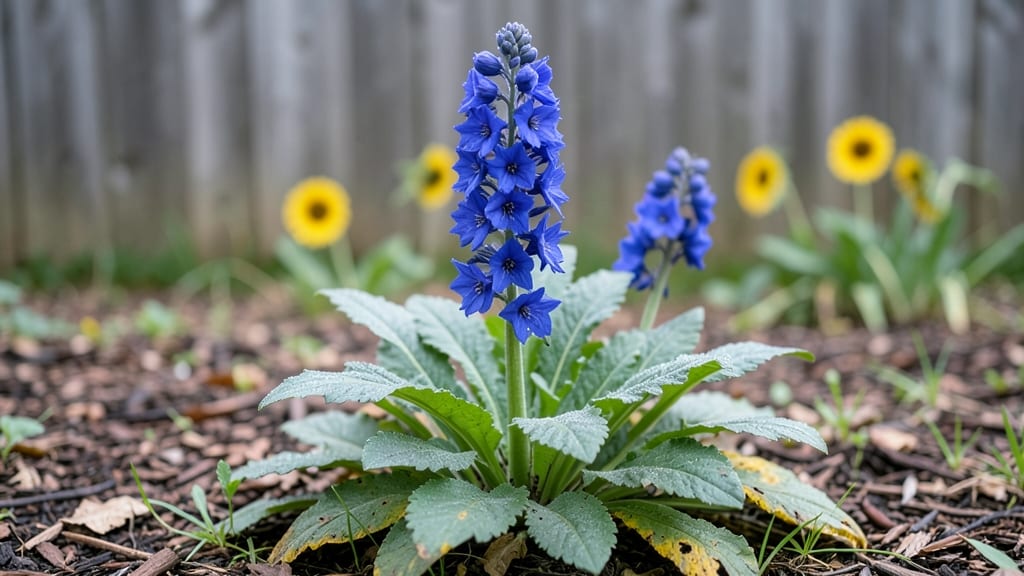
Blood red flowers scream drama in any garden—but in the Pacific Northwest’s soft, misty light, they become the star. 🌹 I’ve designed borders and containers where these deep crimson blooms command attention, especially against the muted greens and grays of our climate.
The right placement makes them pop without competing with the landscape’s natural tones.
Think roses like ‘Black Baccara’ for lush focal points, or ‘Geranium sanguineum’ for cascading edges that thrive in partial shade. Pair them with silver foliage (like lamb’s ear) or bright yellows (coreopsis) to create bold contrasts.
Even in containers, a single blood red impatiens or poppy will draw the eye while keeping maintenance simple.
What you’ll get is a garden that feels intentional, not just pretty—color that holds its own through rain, fog, and even winter’s quiet moments. These plants don’t just survive here; they thrive, their rich hues brightening even the driest autumn days.
Whether you’re framing a doorway, filling a window box, or creating a cutting garden, these blood red beauties deliver drama with minimal fuss. Let’s talk placement and pairings that make them shine.
📚 In This Guide
- What you need
- Instructions
- Tips and common mistakes
- Wrapping up and next steps
What you need
- ● Blood red flowers: Choose from 3–5 varieties (e.g., Hellebores, Tulipa ‘Queen of Night’, Fuchsia ‘Giant Marble’, Rhododendron ‘Scarlet Wonder’, or Poppies ‘Black Velvet’). Opt for disease-resistant, cold-hardy PNW-friendly species.
- ● Soil amendments: 2–3 bags peat moss or coconut coir (for drainage)
- ● 1–2 bags compost (organic matter for nutrients)
- ● 1 lb slow-release fertilizer (10-10-10 or acid-loving plant blend)
- ● Mulch: 4–6 cubic feet of pine bark or cedar chips (retains moisture, suppresses weeds).
- ● Hand trowel (for delicate planting)
- ● Garden fork (for aerating soil)
- ● Pruners (sterilized, for trimming dead blooms)
- ● Watering can or hose with nozzle (gentle spray for seedlings)
- ● Garden gloves (nitrile-coated for thorny plants like roses)
- ● Measuring tape (to space plants 12–36” apart, depending on variety)
- ● Slow-release watering spikes (for drought-prone areas)
- ● Epsom salt (magnesium boost for Rhododendrons)
- ● Frost cloth (for tender varieties like Fuchsias)
- ● Stakes or rings (for tall flowers like Delphiniums)
- ● Organic slug bait (copper tape or diatomaceous earth for PNW pests)
How to create a stunning blood red flower display in the Pacific Northwest
These bold blooms thrive in our climate—here’s how to plant and maintain them for year-round drama.
🌱 Step 1: Select the Right Blood Red Varieties for Year-Round Color
Start with plants that naturally bloom in different seasons. For spring, tulips like 'Queen of Night' or daffodils such as 'Ice Follies' (with red centers) create instant impact. Swap these out for coral bells (Heuchera) in summer—their deep burgundy foliage thrives in shade. In fall, Japanese maples like 'Bloodgood' or smoke bush (Cotinus) deliver fiery red hues, while winter brings holly berries or skimmia for structure.
I always plant at least 4 varieties to ensure continuous color. Group them in odd numbers (3, 5, or 7) for natural visual flow. For example, place 3 tulips in front of a single smoke bush, then add 5 coral bells to fill gaps. This creates layers that catch the eye from every angle.
☀️ Step 2: Plant in the Right Light and Soil Conditions
The Pacific Northwest’s mix of shade and partial sun makes placement critical. Most blood red flowers need at least 4-6 hours of morning sun—afternoon shade prevents leaf scorch. Test your spot by observing how sunlight moves across the garden. If leaves stay dry past 11 AM, the area gets too much sun.
Amend heavy garden soil with 3 inches of compost before planting. Blood red flowers like Japanese maples and coral bells prefer slightly acidic soil (pH 5.5-6.5). Test your soil with a kit—if it’s alkaline, add sulfur or peat moss to adjust. I always dig in a handful of slow-release fertilizer at planting time for a strong start.
💧 Step 3: Water Deeply and Mulch for Moisture Retention
Water deeply once a week (or daily in summer heatwaves) until the top 6 inches of soil feel damp. Blood red flowers like smoke bush and Japanese maples hate soggy roots but also can’t tolerate drought. Use a soaker hose or drip irrigation to deliver water slowly at the base—this prevents fungal diseases that thrive in wet foliage.
After watering, spread 3 inches of wood chips or bark mulch around plants (keep mulch 2 inches away from stems). This locks in moisture and keeps roots cool. Replenish mulch every spring—you’ll know it’s time when you see bare soil patches or mulch breaking down into fine particles.
✂️ Step 4: Prune and Deadhead for Continuous Blooms
Cut back spent blooms on tulips and daffodils immediately after flowering to encourage new growth. For smoke bush, trim leggy stems in early spring to shape the plant and promote dense foliage. Japanese maples need minimal pruning—just remove any dead or crossing branches in late winter.
Here’s the thing—never prune in fall. Wait until late winter or early spring when new growth begins. This prevents exposing tender wood to cold temperatures. For coral bells, pinch back one-third of the oldest stems each year to keep foliage vibrant and compact.
⏰ Step 5: Protect and Extend the Season with Simple Tricks
To keep blood red flowers thriving through our rainy winters, cover tender plants with burlap or frost cloth when temperatures drop below 25°F. I also group evergreen varieties like skimmia and holly around more delicate plants to create natural windbreaks.
For extra drama, add red-leaved grasses like Carex 'Fireworks' or Pennisetum 'Firebird' to fill gaps between blooms. These grasses stay vibrant all season and add movement to the garden. Finally, fertilize lightly in early spring with a balanced 10-10-10 formula—this keeps foliage lush without overpowering the bold red tones.
Tips & tricks for perfect blood red flower displays
Creating a vibrant blood red flower display that thrives year-round in the Pacific Northwest takes a few strategic moves—here's how to make it effortless and stunning.
Seasonal Layering: The key to continuous color is layering plants that bloom in different seasons. In Step 1, when selecting varieties, consider adding evergreen shrubs like boxwood 'Green Velvet' (optional) for winter structure—it pairs beautifully with holly berries. I've found that combining 3 spring bloomers with 2 summer foliage plants and 2 fall/winter evergreens creates perfect coverage. This approach ensures you'll always have something vibrant, even when some plants are dormant.
Light Testing: Before planting, spend a full day observing how sunlight moves across your garden. In Step 2, when determining light conditions, mark the areas that receive morning sun versus afternoon sun with colored stakes. I use red flags for morning sun and blue flags for afternoon sun—this visual system helps me place sun-loving varieties like smoke bush in the right spots. Remember, most blood red flowers prefer morning sun but need protection from afternoon rays that can cause leaf scorch.
Soil Preparation: Don't skip the soil test! In Step 2, when amending your soil, take a sample to your local extension office for a pH test. I've learned the hard way that even slightly alkaline soil (above pH 6.5) can cause yellowing in Japanese maples and coral bells. If you need to adjust, mix in 1 pound of sulfur per 100 square feet of garden bed and water thoroughly. This adjustment takes about 2-3 months to take effect, so plan ahead if your soil test reveals issues.
Watering Strategy: The once-a-week watering guideline in Step 3 works perfectly for our climate, but there's a trick to make it even more effective. After watering, give the soil a gentle squeeze—if it feels like a damp sponge, you've hit the right moisture level. For container plants, I recommend using self-watering pots with a moisture meter to prevent over- or under-watering. And here's a pro tip: water in the early morning to let foliage dry before evening, which helps prevent fungal diseases that thrive in damp conditions.
Pro Tips for Blood Red Flowers
- Creating a vibrant blood red flower display that thrives year-round in the Pacific Northwest takes a few strategic moves—here's how to make it effortless and stunning.
- Seasonal Layering: The key to continuous color is layering plants that bloom in different seasons.
- Light Testing: Before planting, spend a full day observing how sunlight moves across your garden.
Frequently asked questions
Got questions about growing and enjoying blood red flowers in your Pacific Northwest garden? You’re not alone! Here are some of the most common queries—and their answers—to help you cultivate stunning, year-round color with confidence.
What are the hardiest blood red flowers for the Pacific Northwest’s rainy climate?
The PNW’s damp, cool weather favors Hellebores (Lenten Rose), Camellias, and Pieris japonica (Andromeda)—all of which thrive in shade and tolerate moisture. For sunnier spots, Geranium sanguineum (Bloody Cranesbill) and Tulipa ‘Red Emperor’ (spring-blooming) are excellent choices. Pro tip: Avoid tropical varieties like Canna, which struggle in winter freezes.
When is the best time to plant blood red flowers in the PNW?
For spring-bloomers (e.g., tulips, daffodils), plant bulbs in fall (October–November) so roots establish before winter. Perennials (like hellebores or pieris) can go in early spring (March–April) or fall (September–October), while evergreens (camellias) prefer late fall to avoid transplant shock. Key rule: Avoid planting when soil is frozen or waterlogged.
How do I keep blood red flowers vibrant despite the PNW’s gray skies?
Blood red blooms often fade faster in low light. Boost their intensity by:
- Pruning spent blooms regularly (except for hellebores—leave foliage for winter interest).
- Using balanced fertilizer (10-10-10) in early spring and a low-nitrogen blend (5-10-10) in late summer.
- Mulching with 3–4 inches of organic matter (cedar bark or compost) to retain moisture and warmth.
What can I plant alongside blood red flowers for a high-impact PNW border?
Pair deep reds with contrasting textures and colors for drama:
- Silver foliage: Lamium maculatum ‘White Nancy’ or Heuchera ‘Palace Purple’ (for shade).
- Soft greens: Hostas or Ferns (e.g., Matteuccia struthiopteris) to balance bold blooms.
- Yellow accents: Helleborus ‘Golden Crown’ or Primula denticulata (spring).
- Structural plants: Boxwood ‘Green Velvet’ or Pieris ‘Cavendishii’ for year-round interest.
Why are my blood red flowers losing color or wilting in the PNW?
Common culprits in the PNW:
Issue
Solution
Fungal diseases (e.g., powdery mildew on roses)
Improve air circulation, avoid overhead watering, and apply neem oil or copper fungicide.
Overwatering (common in rainy seasons)
Ensure pots/drainage beds have holes, and plant in well-draining soil (amend with perlite or sand).
Nutrient deficiency (yellowing leaves)
Test soil and add iron chelate (for chlorosis) or Epsom salt (for magnesium).
Pests (aphids, slugs)
Use beer traps for slugs or insecticidal soap for aphids. Handpick larger pests at dusk.
Wrapping up and next steps
From vibrant coral bells to bold red hellebores, blood-red flowers bring drama and resilience to Pacific Northwest gardens—thriving in rain, shade, and cooler climates. These stunning blooms aren’t just eye-catching; they’re low-maintenance and perfect for adding year-round color, whether you’re a seasoned gardener or just starting out.
Ready to transform your outdoor space? Start small—pick one or two of these hardy varieties and experiment with placement. Before you know it, your garden will be a vivid, red-hued oasis that turns heads (and maybe even a few green thumbs!). 🌸