Flowers
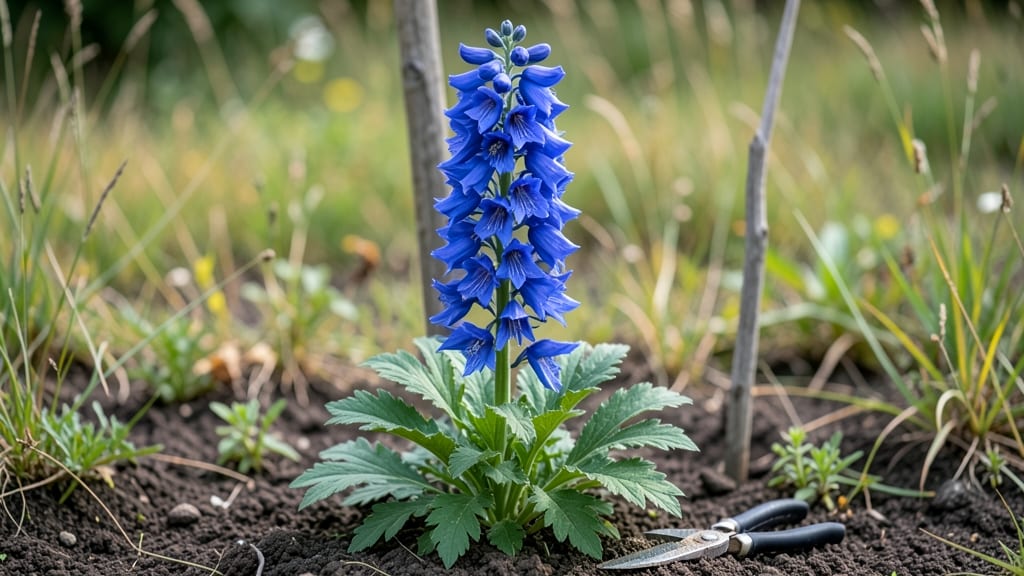
The blue colour flowers name you’ll adore—like lungwort and Siberian bugloss—thrive in the Pacific Northwest’s chill and damp, blooming even when most gardens are still asleep. 🌿 I’ve grown them through three winters—some even surprise with early spring flowers.
The key is choosing varieties that love cool climates and attract pollinators without fuss.
Start with delphiniums (tall, dramatic spikes) and lobelia (spilling cascades), both of which handle rain and cooler temps better than most. Bluebells and lungwort add woodland charm, while Russian sage brings drought tolerance and late-season color. These aren't just pretty—they're the backbone of my low-maintenance pollinator garden.
You'll end up with borders that hum with bees, containers that spill with color, and cut flowers that last weeks in vases. The deep blues of blue flag iris pair beautifully with silver foliage, while catmint's lavender-blue blooms contrast perfectly with yellow black-eyed Susans.
Even in shade, blue fescue grass adds texture without needing sun.
Works for cottage gardens, modern borders, or wildflower meadows—just swap out high-maintenance annuals for these perennials. The best part? They come back year after year, proving frost isn't a dealbreaker for stunning blue gardens.
📚 In This Guide
- What you need
- Instructions
- Tips and common mistakes
- Wrapping up and next steps
What you need
- ● Blue flowering plants: 5–10 Delphinium (Larkspur) seeds or young plants (perennial, frost-hardy)
- ● 3–5 Myosotis sylvatica (Forget-Me-Not) bulbs or seedlings (annual/perennial)
- ● 2–3 Nemophila menziesii (Baby Blue Eyes) seeds (annual, self-seeding)
- ● 1 Lobelia erinus (Trailing Lobelia) plant (annual, cold-tolerant)
- ● 1 Agapanthus (African Lily) crown (perennial, hardy to Zone 7)
- ● Soil: 1 cubic yard of well-draining potting mix (for containers) or native soil amended with compost (for in-ground planting)
- ○ 1 bag of perlite or coarse sand (for improving drainage, optional but recommended)
- ● Fertilizer: 1 lb of balanced, slow-release fertilizer (10-10-10 or 5-10-10 ratio)
- ● 1 lb of organic compost (for enriching soil)
- ● 1 pair of gardening gloves (nitrile-coated for durability)
- ● 1 hand trowel (for transplanting seedlings)
- ● 1 pruning shears (for deadheading or shaping plants)
- ● 1 watering can or hose with a gentle spray nozzle (to avoid damaging delicate blooms)
- ● 1 mulch (2–3 inches of straw or shredded bark to insulate roots in winter)
- ○ Optional but helpful: A thermometer (to monitor soil/frost temperatures)
- ● 1 row cover or frost cloth (for extra protection during late frosts)
- ● 1 container garden kit (if growing in pots, e.g., 12–14" pots with drainage holes)
- ● A sunny to partially shaded location (6+ hours of sunlight for most blue bloomers, except Lobelia which tolerates shade)
- ● Pacific Northwest climate adaptability: Ensure your chosen plants are Zone 6–9 hardy (check labels!)
- ● Water access: A nearby source for consistent moisture (especially during establishment)
- ● Patience: Some blue flowers (like Delphinium) take 2 years to reach full bloom!
How to design a Pacific Northwest pollinator garden with blue flowers
Here's how to create a frost-hardy, bee-friendly garden using the PNW's most reliable blue blooms.
🌱 Step 1: Select Frost-Resistant Blue Flower Varieties
Choose native PNW species that thrive in zones 6-8 and support pollinators year-round. I always include lupines (Lupinus polyphyllus)—their vibrant blue spikes bloom reliably from spring to early summer and fix nitrogen in the soil. For later color, add blue flax (Linum lewisii), which produces delicate sky-blue flowers from summer through fall and attracts hummingbirds.
Don't overlook Pacific giant hyacinth (Camassia leichtlinii) for its dramatic, bell-shaped blooms that emerge in early spring before many other perennials. This hardy bulb tolerates wet soils and returns annually. For ground cover, creeping phlox (Phlox subulata) spreads easily in sun to part shade, offering early-season color and a dense mat that suppresses weeds.
🪴 Step 2: Prepare Soil for Moisture Retention and Drainage
Amend native soil with 2-3 inches of compost to improve fertility without altering drainage—PNW gardens often suffer from either waterlogged or rocky conditions. I mix in 1 part perlite to every 3 parts native soil to prevent compaction, which is critical for blue flax and lupines that hate soggy roots. Test soil pH—most PNW natives prefer slightly acidic to neutral (6.0-7.0).
For container plantings, use a well-draining potting mix (never garden soil) combined with orchid bark for airiness. This mimics the forest-floor conditions many of these species evolved in. Water thoroughly after planting to settle the soil and eliminate air pockets that could dry out tender roots.
☀️ Step 3: Plant for Season-Long Color and Pollinator Support
Arrange plants in three layers for continuous blooms. Start with tall lupines (3-4 feet) at the back, followed by medium-height blue flax (2-3 feet) in the middle, and low-growing creeping phlox (6-12 inches) in front. Space lupines 18-24 inches apart—they spread aggressively but self-seed beautifully, creating natural drifts over time.
Plant blue flax in small clusters of 3-5 plants rather than single specimens to attract more pollinators. Groupings create visual impact and provide more landing platforms for bees. Mulch with 2 inches of wood chips to conserve moisture and suppress weeds—critical in the PNW's wet winters and dry summers.
💧 Step 4: Water and Maintain for Frost Hardiness
Water deeply once weekly during the first growing season to establish roots, then taper to every 10-14 days once established. Most PNW natives tolerate drought once established, but blue flax needs consistent moisture during its first year. I always water in the early morning to reduce fungal risks from prolonged leaf wetness.
In late fall, cut back dead foliage but leave seed heads on lupines and flax—these provide winter interest and food for birds. Apply a 2-inch layer of mulch before the first hard frost to insulate roots. Most of these species handle 20°F temperatures without protection, but young plants may need light frost cloth during their first winter.
✂️ Step 5: Prune and Renew for Long-Term Blooms
After flowering, trim lupines back by one-third to encourage bushier growth next season. For creeping phlox, shear back half the growth in early spring before new shoots emerge—this prevents legginess and keeps the plant dense. Blue flax rarely needs pruning; simply remove spent flower stalks to redirect energy to root growth.
Divide overcrowded clumps every 3-4 years in early spring. Lupines spread rapidly and can become invasive if left unchecked. Dig up clumps, separate into 3-5 inch sections with roots attached, and replant immediately. This rejuvenates plants and gives you free propagation material for friends or problem areas in your garden.
Tips & tricks for perfect Pacific Northwest pollinator gardens
A few strategic approaches will help you create a thriving, bee-friendly garden that blooms season after season.
Native Plant Pairing: The three-layer planting strategy in Step 3 works best when you group plants with similar water needs together. For example, place Pacific giant hyacinth and creeping phlox near your water source—they both appreciate consistent moisture during establishment. Meanwhile, lupines and blue flax are more drought-tolerant once established, so position them slightly farther from irrigation points to prevent overwatering. This zoning mimics natural PNW ecosystems and reduces maintenance.
Soil Preparation Insight: When amending soil with the 2-3 inches of compost in Step 2, consider adding a handful of worm castings to the mix. These contain beneficial microbes that help break down organic matter faster, giving your pollinator plants a nutrient boost right from the start. The worms also improve soil structure over time, which is especially helpful for blue flax that dislikes compacted soil.
Seasonal Pruning Strategy: The pruning instructions in Step 5 are perfect, but here's what I've learned about timing: For creeping phlox, do your spring shearing when you see new growth emerging—usually in late March or early April in the PNW. For lupines, wait until after they've finished blooming but before seed pods form to trim back by one-third. This timing ensures you're not cutting off next year's flower buds while still maintaining a tidy appearance.
Frost Protection Hacks: While most of these plants handle 20°F temperatures well, young plants benefit from a simple frost cloth trick. After applying your 2-inch mulch layer in Step 4, drape lightweight frost cloth over the entire planting area during cold snaps. Secure it with small stakes at the edges—this creates a microclimate that can raise temperatures by 5-10°F, protecting tender new growth. Remove it during the day to allow sunlight through once temperatures rise above freezing.
Pro Tips for Blue Colour Flowers Name
- A few strategic approaches will help you create a thriving, bee-friendly garden that blooms season after season.
- Native Plant Pairing: The three-layer planting strategy in Step 3 works best when you group plants with similar water needs together.
- Soil Preparation Insight: When amending soil with the 2-3 inches of compost in Step 2, consider adding a handful of worm castings to the mix.
Frequently asked questions
Which blue flowers thrive in cold, wet climates like the PNW?
Native Delphiniums, Lungwort (Pulmonaria), and Blue Flax (Linum lewisii) are top picks—they handle frost, rain, and even partial shade. For bold color, try Blue Columbine (Aquilegia caerulea), which blooms early and attracts pollinators. Pro tip: Pair them with Heuchera for year-round interest!
When is the best time to plant blue flowers in the PNW?
For spring bloomers (like Blue Flax), plant in early spring (March–April) as soon as soil is workable. Perennials (e.g., Delphinium) can also go in fall (September–October) for established roots before winter. Annuals (like Sweet Pea) wait until late spring (May) to avoid frost damage.
Why aren’t my blue flowers blooming this year?
Common culprits: too much nitrogen (focus on phosphorus/potassium), overcrowding (thin plants), or poor drainage (PNW’s wet soil can drown roots). Delphiniums and Lungwort may need deadheading to encourage reblooming. Check soil pH—most blue flowers prefer 6.0–7.0. If all else fails, they might be waiting for their second year (many perennials bloom late).
What are some blue flower alternatives if my garden lacks true blue?
True blue is rare in nature, but these blue-tinged flowers fool the eye:
- Blue-purple: Salvia ‘May Night’ (drought-tolerant), Catmint (Nepeta)
- Blue-gray: Russian Sage (Perovskia), Lavender (Lavandula)
- Blue-green: Hostas (foliage), Iris ‘Blue Flag’
For vibrant blue, mix Delphinium with white or yellow flowers—it’ll pop!
Do blue flowers attract pollinators like bees and hummingbirds?
Yes! While bees see UV patterns (not just color), Delphiniums, Blue Columbine, and Blue Flax are pollinator magnets. Hummingbirds adore Blue Lobelia and Salvia. Plant in clusters (3+ plants) to boost visibility and nectar accessibility. Bonus: Avoid pesticides—pollinators need safe foraging!
Wrapping up and next steps
From the delicate Lungwort to the bold Blue Flax, the Pacific Northwest’s frost-resistant blue flowers offer a stunning palette for gardeners and pollinators alike. 🌸 Their hardy nature and vibrant hues make them perfect for transforming your outdoor space into a thriving, low-maintenance haven.
Whether you're a seasoned gardener or just starting, these flowers provide endless inspiration and beauty.
Ready to bring blue magic to your garden? Start small—pick one or two varieties, gather your supplies, and dive in! Planting these frost-lovers will not only reward you with breathtaking blooms but also support local pollinators. Happy gardening! 🌿