
Succulent
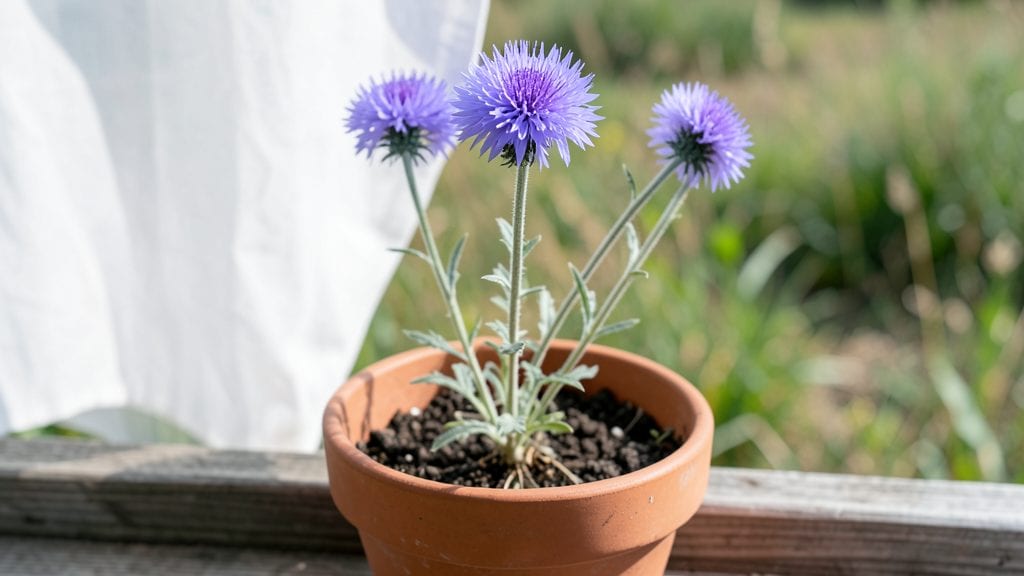
These dreamy blue cornflowers images always make me swoon—now I’ve planted mine to turn my own garden borders into a cottage-core fairy tale. 🌿 Their delicate petals pop against purple salvias, yellow black-eyed Susans, and even deep red geraniums, creating contrast that feels intentional but effortless.
What makes them so special is their versatility: they thrive in full sun or partial shade, bloom from early summer until frost, and self-seed reliably (meaning fewer chores for you). Pair them with lavender for a Mediterranean vibe or toss them in with cosmos for a wildflower meadow effect.
Even in containers, they add height and color without stealing the show from other plants.
You’ll end up with vibrant blue accents that brighten shady corners, frame pathways, or spill over container edges. The blooms last in bouquets too, so you get double the joy—fresh cut flowers for your table and a border that keeps giving all season.
Here’s how to make them the star of your design without overcomplicating things.
Works for small city gardens or sprawling country estates—just adjust spacing. In tight borders, plant them every 6–8 inches; in loose meadows, let them naturalize. The key is their effortless charm: they grow where many flowers refuse, yet look like they were placed by a designer.
📚 In This Guide
- What you need
- Instructions
- Tips and common mistakes
- Wrapping up and next steps
What you need
- ● Blue cornflower seeds – 1 pack (approx. 100-500 seeds), choose a variety like Centaurea cyanus for classic blue blooms.
- ● Well-draining potting mix – 1-2 bags (10-20L), preferably a blend for annuals or succulents.
- ● Seed trays or small pots – 6-12 units (2-3 inches deep), with drainage holes.
- ● Growing containers or garden bed – 1-2 containers (6+ inches deep) or a sunny garden spot.
- ● Watering can or spray bottle – For gentle hydration without disturbing seeds.
- ○ Garden gloves – Optional but recommended for handling soil and seeds comfortably.
- ● Fertilizer (balanced or low-nitrogen) – 1 small bottle (e.g., 5-10-5 or organic compost) to boost growth.
- ● Seed-starting mat – Speeds up germination in cooler climates.
- ● Garden twine or stakes – Supports taller varieties as they grow.
- ● Mulch (straw or pebbles) – Helps retain moisture and deter weeds.
- ● Pruning shears – For deadheading spent blooms to encourage more flowers.
- ● Blue cornflower companion plants – Marigolds, snapdragons, or lavender for a stunning border!
How to plant and maintain stunning blue cornflower borders
Cornflowers bring effortless charm to any garden—here's how to grow them boldly.
🌱 Step 1: Choose the Perfect Planting Location
Cornflowers thrive in full sun with at least 6-8 hours of direct light daily. I always pick spots where they'll get morning sun and afternoon shade in hotter climates—this prevents the blooms from fading too quickly. Well-drained soil is critical; cornflowers despise soggy roots, so avoid low-lying areas where water pools.
Test your soil's drainage by digging a 6-inch hole, filling it with water, and timing how long it takes to drain. If water remains after 2 hours, amend the soil with 1-2 inches of coarse sand or perlite before planting. The ideal soil pH for cornflowers is slightly alkaline, between 6.5-7.5—most garden soils fall within this range naturally.
☀️ Step 2: Prepare the Soil for Healthy Growth
Loosen the top 6-8 inches of soil with a garden fork or tiller to improve aeration and root penetration. Cornflowers have deep taproots, so breaking up compacted layers is essential. Work in 2-3 inches of compost or well-rotted manure to provide nutrients without excessive nitrogen, which can reduce flowering.
Rake the area smooth and create shallow furrows ½ inch deep spaced 12-18 inches apart for rows. This spacing gives plants room to grow without crowding, which is especially important for the taller varieties that can reach 2-3 feet. Water the furrows thoroughly before planting to help seeds settle and maintain moisture during germination.
🌿 Step 3: Plant Seeds at the Right Depth and Spacing
Sow seeds directly in the garden after the last frost date when soil temperatures reach at least 50°F. Scatter seeds thinly in the furrows, spacing them 6-12 inches apart—cornflowers self-seed readily, so you don't need to plant densely. Cover lightly with ¼ inch of soil and gently press to ensure good seed-to-soil contact.
Water lightly but consistently to keep the soil surface moist until germination, which typically occurs in 10-21 days. Avoid heavy watering that can dislodge seeds or create crusts on the soil surface. Once seedlings appear, thin them to 12-18 inches apart to prevent competition. You'll know it's time to thin when seedlings have 2-3 true leaves—this gives them enough strength to recover from the process.
💧 Step 4: Water and Maintain for Continuous Blooms
Cornflowers are drought-tolerant once established, but consistent moisture during their first growing season encourages strong root development. Water 1-2 inches per week, providing more during dry spells or when the soil feels dry 1-2 inches below the surface. I usually water in the morning to allow foliage to dry before evening, reducing the risk of fungal diseases.
Deadhead spent blooms by pinching off the flower heads just above the next set of leaves. This encourages continuous flowering throughout the season and prevents the plants from putting energy into seed production. Fertilize lightly with a balanced 10-10-10 fertilizer every 4-6 weeks during the growing season, but avoid heavy feeding—cornflowers bloom best in leaner soil conditions.
✂️ Step 5: Harvest and Preserve for Long-Lasting Beauty
Cut cornflower stems in the early morning when blooms are fully open but before they've had a chance to wilt. Use clean, sharp pruners to make a 45-degree cut just above a leaf node to encourage bushier growth. Remove any lower leaves that would sit in water, as this helps stems stay fresh longer.
Arrange stems immediately in a bucket of lukewarm water to prevent air bubbles from blocking the stems. Cornflowers last 5-7 days in a vase, making them perfect for bouquets. For drying, hang small bundles upside down in a dark, well-ventilated area for 1-2 weeks until completely dry. The vibrant blue blooms will retain their color beautifully for months, adding a rustic charm to dried arrangements.
Tips & tricks for perfect blue cornflower borders
Here's how to elevate your cornflower garden from good to stunning with these gardening secrets.
Sunlight Strategy: While cornflowers thrive in full sun, I've found that giving them morning sun and afternoon shade in hot climates prevents the vibrant blue blooms from fading too quickly. If you're in a particularly sunny area, consider planting them where they'll get 6-8 hours of light but with some afternoon protection—your flowers will thank you with longer-lasting color.
Soil Secrets: The drainage test in Step 1 is crucial—cornflowers hate soggy roots! If your soil drains too slowly, mix in 1-2 inches of coarse sand or perlite to create better aeration. I've also noticed that adding a handful of wood ash to the planting hole can help raise the soil pH slightly if your garden tends toward acidic conditions, which cornflowers prefer in that 6.5-7.5 range.
Germination Timing: Those 10-21 days for germination can feel like forever, but patience pays off! To speed things up slightly, I like to cover the freshly planted seeds with a thin layer of straw mulch (about ¼ inch thick) to help retain moisture without creating a crust. Just remember to remove it once seedlings appear to prevent rot.
Maintenance Hack: The 1-2 inches of weekly watering is perfect, but I've found that mulching around your cornflowers with straw or shredded leaves helps maintain even moisture and suppresses weeds. This means less watering overall and healthier plants that focus their energy on blooming rather than competing with weeds.
Pro Tips for Blue Cornflowers Images
- Here's how to elevate your cornflower garden from good to stunning with these gardening secrets.
- Sunlight Strategy: While cornflowers thrive in full sun, I've found that giving them morning sun and afternoon shade in hot climates prevents the vibrant blue blooms from fading too quickly.
- Soil Secrets: The drainage test in Step 1 is crucial—cornflowers hate soggy roots!
Frequently asked questions
Got questions about blue cornflowers?
You’re not alone! Here are some of the most common queries gardeners have about these stunning blooms—plus quick answers to help you grow (and photograph) them like a pro.
What’s the best time to plant blue cornflowers for vibrant blooms?
For long-lasting color, sow seeds 6–8 weeks before your last frost date (early spring) or directly in the garden after the soil warms to at least 50°F (10°C). They’re hardy annuals, so they’ll self-seed if you let them go to seed—just deadhead spent blooms if you want to control their spread. Pro tip: For fall gardens, try a late-summer planting (August) in cooler climates.
How do I get the best photos of blue cornflowers in my garden?
Capture their vibrant hue by shooting on an overcast day or in soft morning light to avoid harsh shadows. Use a macro lens (or your phone’s closest setting) to highlight delicate petals and dewdrops. For depth, include contrasting textures like gravel, rustic wood, or other succulents. Bonus: Try a shallow depth of field to blur the background and make the blues pop!
Can blue cornflowers grow in containers, or do they need a garden bed?
They thrive in containers 6+ inches deep with well-draining soil. Use a mix of potting soil + perlite to prevent root rot. Plant 3–5 seeds per pot (they’re small!) and place in full sun. Containers dry out faster, so water when the top inch of soil feels dry. Warning: They wilt in extreme heat—provide afternoon shade in scorching climates.
Are blue cornflowers toxic to pets or pollinators?
Great news! They’re non-toxic to dogs, cats, and horses (), making them a pet-friendly pick. Plus, they’re a pollinator magnet—bees and butterflies adore their nectar! However, avoid pesticides, as they can harm beneficial insects. Fun fact: Their blue pigment comes from anthocyanins, which also attract hummingbirds!
What do I do if my blue cornflowers look leggy or stop blooming?
Leggy stems or sparse blooms usually mean too little light or overcrowding. Move pots to 6+ hours of sunlight daily and thin seedlings to 12–18 inches apart. If they’ve already bloomed, deadhead spent flowers to encourage a second flush. Troubleshooting: If soil stays soggy, improve drainage—cornflowers hate "wet feet."
Wrapping up and next steps
Blue cornflowers aren’t just a feast for the eyes—they’re a low-maintenance, high-impact addition to any garden or floral arrangement. Their striking blue blooms bring joy, attract pollinators, and effortlessly elevate borders with minimal fuss.
Whether you’re a seasoned gardener or a beginner, these cheerful flowers prove that beauty and simplicity go hand in hand.
Ready to bring some blue magic to your space? Start by grabbing a few seeds or cuttings, then check out our guide for planting tips. Happy gardening—your garden (and bees!) will thank you! 🌸💙