
Flowers
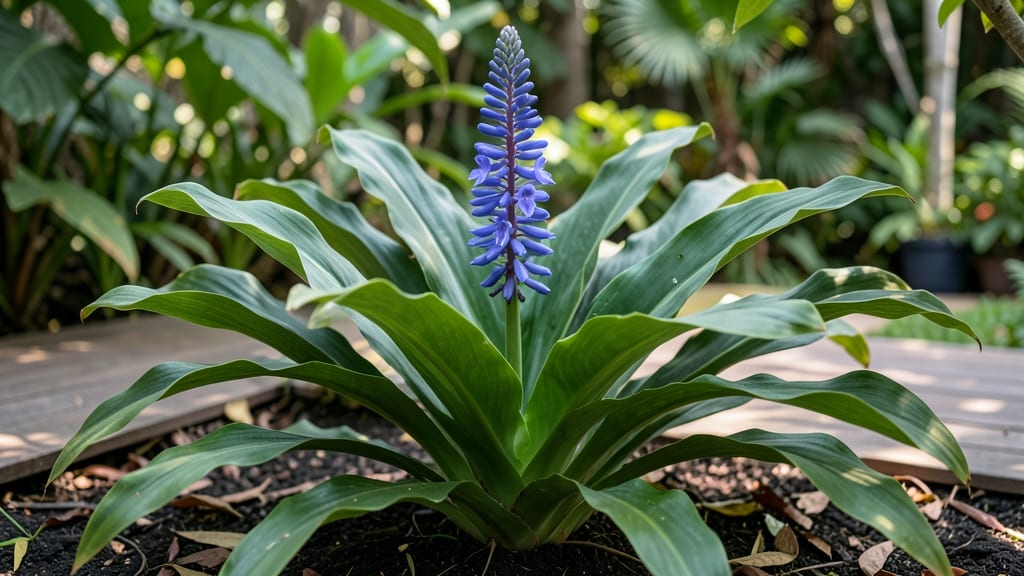
Growing blue ginger flower (Dichorisandra thyrsiflora) means bringing tropical drama to your garden without the heat—its striking blue-green foliage and velvety purple blooms thrive even in cooler climates. 🌿 I’ve grown it in Zone 7 for years, and the secret lies in mimicking its native humidity while keeping it sheltered from harsh winds.
The plant’s arching stems and glossy leaves create instant visual interest, whether planted in containers or tucked into shady garden corners.
This isn’t a high-maintenance diva—just a few basics: bright, indirect light (morning sun works best), well-draining soil rich in organic matter, and consistent moisture (think damp sponge, not soggy). In cooler zones, overwintering indoors near a bright window keeps it blooming year-round, while outdoor plantings reward you with summer-to-fall flowers.
The key is patience; it takes about 2 years for mature plants to really show off their potential.
You’ll love how it pairs with hostas, ferns, and calatheas for a lush, jungle-like vibe, or stands alone as a dramatic container specimen. The blooms attract hummingbirds, and the foliage stays vibrant even in low light—perfect for shady spots where other plants struggle.
Once established, it’s nearly indestructible, making it ideal for beginners who want impact without fuss.
Fair warning: it spreads slowly but steadily, so give it room or contain it in pots. The real magic happens when you see those first purple flower spikes in late spring—proof that cool climates can still deliver tropical-style beauty. Let’s get yours growing!
📚 In This Guide
- What you need
- Instructions
- Tips and common mistakes
- Wrapping up and next steps
What you need
- ● Blue ginger rhizomes: 3–5 healthy, firm rhizomes (ensure they have visible growth points).
- ● Well-draining potting mix: 5–10 gallons (depending on pot size), blended with perlite or orchid bark (1:1 ratio).
- ● Containers: 12–18 inch pots with drainage holes (terracotta or fabric pots work best).
- ● Slow-release fertilizer: 5–10-5 or 10-10-10 blend (1 tbsp per pot).
- ● Watering can with a fine rose: For gentle hydration without disturbing roots.
- ● Humidity dome or plastic wrap: To retain moisture during root establishment.
- ● Pruning shears: Sterilized (rubbing alcohol wipe) for trimming spent blooms or overgrowth.
- ● pH test kit: Ideal soil pH: 5.5–6.5 (slightly acidic).
- ○ Mulch (optional but helpful): Pine bark fines or coconut coir to retain moisture.
- ● Grow lights (cool climates): LED full-spectrum bulbs (12–14 hrs/day) if indoors or during winter.
- ● Epsom salt (magnesium sulfate) for occasional foliar spray (1 tsp per gallon of water).
- ● Automatic self-watering system for busy gardeners.
- ● Decorative moss or sphagnum for aesthetic pots (doubles as moisture retention).
Step-by-Step instructions for cultivating blue ginger flowers
Reviving blue ginger’s vibrant blooms in cooler climates takes patience and precision—but the results are worth it.
🌱 Step 1: Select the Right Location and Prepare the Soil
Blue ginger (Dichorisandra thyrsiflora) thrives in partial shade with morning sun and afternoon shade, especially in cooler zones. Choose a spot that gets 4-6 hours of indirect sunlight daily—too much direct sun scorches the leaves, while too little dims the blooms. I always test the area by observing how nearby plants grow; if they’re lush but not sunburned, it’s a good match.
Amend the soil with 3-4 inches of organic compost mixed into the top 12 inches of soil. Blue ginger prefers rich, well-draining, slightly acidic soil (pH 5.5-6.5). Work in a handful of perlite or coarse sand if your soil feels heavy or clumps when squeezed. The goal is a texture like a damp sponge—firm enough to hold roots but loose enough for water to drain freely.
🪴 Step 2: Plant at the Correct Depth and Spacing
Dig a hole twice as wide as the root ball but only as deep as the container’s base. This prevents burying the crown too deeply, which causes rot. Gently remove the plant from its pot and loosen any circling roots with your fingers—this encourages outward growth. Place it in the hole so the top of the root ball sits just below soil level (never above it).
Space plants 18-24 inches apart in rows 2 feet apart to allow airflow and prevent fungal issues. I like to plant in clusters of three for a fuller look, but avoid overcrowding—blue ginger’s rhizomes spread slowly but steadily. Backfill the hole with soil, pressing lightly to eliminate air pockets, then water deeply to settle everything.
☀️ Step 3: Water Consistently Without Overdoing It
Water 1-2 inches per week, splitting applications into two sessions: a deep soak in the morning and a lighter drink in the evening. Check moisture by sticking your finger 2 inches deep—if it feels dry, it’s time to water. Blue ginger’s thick leaves store water, so wilting is a late warning sign—don’t wait until the plant looks thirsty. Overwatering is the biggest mistake; soggy soil leads to root rot and yellowing leaves.
Mulch with 2-3 inches of shredded bark or pine needles to retain moisture and regulate soil temperature. Keep mulch 2 inches away from the stem to prevent rot. In cooler climates, this extra layer helps protect roots during unexpected frosts. I always reapply mulch in early spring and after heavy rains to maintain coverage.
✂️ Step 4: Fertilize and Prune for Continuous Blooms
Feed every 6-8 weeks with a balanced, water-soluble fertilizer (10-10-10) diluted to half strength. Blue ginger is light on nutrients but responds well to organic compost tea in late summer to boost fall blooms. Stop fertilizing in late summer to encourage dormancy if you’re in a cooler zone—this prevents tender new growth from frost damage.
Deadhead spent blooms by snipping the stem just above the next set of leaves with clean pruners. This redirects energy to new flowers instead of seed production. Prune leggy stems in early spring by cutting back one-third of the length to encourage bushier growth. Avoid heavy pruning in fall—blue ginger’s foliage provides some winter protection in marginal climates.
⏰ Step 5: Protect and Extend the Blooming Season
In cooler climates, blue ginger often goes dormant in winter. Cover plants with a thick layer of mulch (4-6 inches) and wrap the crown with burlap or frost cloth if temperatures dip below 20°F. Check weekly for moisture—dormant plants need minimal water (just enough to keep soil from drying completely).
To coax early blooms, move potted plants to a bright, sheltered spot (like a sunroom or under a patio cover) in late winter. Gradually reintroduce them to outdoor conditions over 2-3 weeks to avoid shock. In containers, use black plastic mulch in summer to keep roots cool—this mimics the dappled shade they love and prevents heat stress.
Tips & tricks for perfect blue ginger flower cultivation
Blue ginger thrives with the right care—here are my go-to tricks to keep those stunning blooms coming all season long.
Lighting Secret: In Step 1, if you’re unsure about morning sun vs. afternoon shade, think of it like a gentle sunbath: morning light should be bright but indirect, while afternoon should be dappled—like sunlight filtering through trees. I test spots by checking nearby plants; if their leaves show no scorching but stay vibrant, it’s perfect for blue ginger. Too much direct sun? The leaves will crisp at the edges like overcooked toast.
Soil Texture Tip: When amending soil in Step 1, mix in perlite or coarse sand until the soil feels like a damp sponge—press it gently, and it should hold its shape but not be sticky. If your soil feels like wet clay, you’re overdoing it; if it crumbles like dry powder, add more compost. Blue ginger roots need that perfect balance to breathe and drink just right.
Watering Wisdom: The 1-2 inches per week in Step 3 is a guideline, but your finger test is what really matters. Stick it 2 inches deep—if it feels dry, water deeply. I’ve learned the hard way that wilting means you’re already too late; blue ginger’s thick leaves store water like little reservoirs, so they’ll look fine until they’re actually thirsty. Split those waterings into morning and evening to keep roots happy.
Frost Protection Hack: In Step 5, when temps drop below 20°F, I double up on protection: first, mound that 4-6 inches of mulch around the base, then wrap the crown with burlap. For extra insurance, I’ve even used old Christmas lights wrapped around the base to add a tiny bit of warmth—it’s like giving your plant a cozy blanket and a space heater all in one.
Pro Tips for Blue Ginger Flower
- Blue ginger thrives with the right care—here are my go-to tricks to keep those stunning blooms coming all season long.
- I test spots by checking nearby plants; if their leaves show no scorching but stay vibrant, it’s perfect for blue ginger.
- Soil Texture Tip: When amending soil in Step 1, mix in perlite or coarse sand until the soil feels like a damp sponge—press it gently, and it should hold its shape but not be sticky.
Frequently asked questions
How cold can blue ginger flower tolerate?
Blue ginger thrives in USDA Zones 9-11 but can survive brief dips to 25°F (-4°C) with protection. In cooler climates (Zones 7-8), grow it as a potted houseplant or overwinter indoors near a bright window. Use a heat mat in winter to prevent root shock.
When should I repot or divide my blue ginger?
Repot every 2-3 years in spring when roots crowd the pot. Divide clumps in early spring before new growth starts—gently separate rhizomes with a sterilized knife and replant in fresh, well-draining soil. Pro tip: Water lightly for a week post-division to reduce stress.
Why aren’t my blue ginger flowers blooming?
Lack of blooms often stems from low light or nutrient deficiency. Ensure it gets bright, indirect light (east/west-facing windows) and feed monthly with a balanced liquid fertilizer (10-10-10) during spring/summer. Bonus: A slight temperature drop at night (50–60°F) can trigger flowering!
Can I grow blue ginger in containers year-round?
Yes! Use a 12–15-inch pot with drainage holes and a mix of peat moss, perlite, and orchid bark. Move pots indoors before 50°F (10°C) temps. In winter, reduce watering but keep soil slightly moist. Warning: Avoid soggy soil—root rot is a common issue.
What are good alternatives if blue ginger is too tricky?
If blue ginger’s care seems demanding, try these cool-climate-friendly alternatives with similar tropical vibes:
- Calathea – Lush foliage, low-light tolerant.
- Strelitzia reginae (Bird of Paradise) – Hardy to 25°F (-4°C) and drought-tolerant.
- Maranta leuconeura (Prayer Plant) – Thrives in shade and humidity.
Wrapping up and next steps
Growing blue ginger flower (Dichorisandra thyrsiflora) is a rewarding journey that brings vibrant color and tropical charm to cool climates—even year-round with the right care! 🌿 Whether you're drawn to its striking foliage or delicate blooms, this plant thrives with patience and attention to moisture, light, and humidity.
Now that you’re equipped with the essentials—from soil prep to troubleshooting—why not take the next step?
Start small: propagate a cutting or plant a single pot to test your newfound skills. Before you know it, your space will be alive with lush greenery and bursts of blue-purple magic. Happy growing—your garden (and your blue ginger!) will thank you! 🌸