Flowers
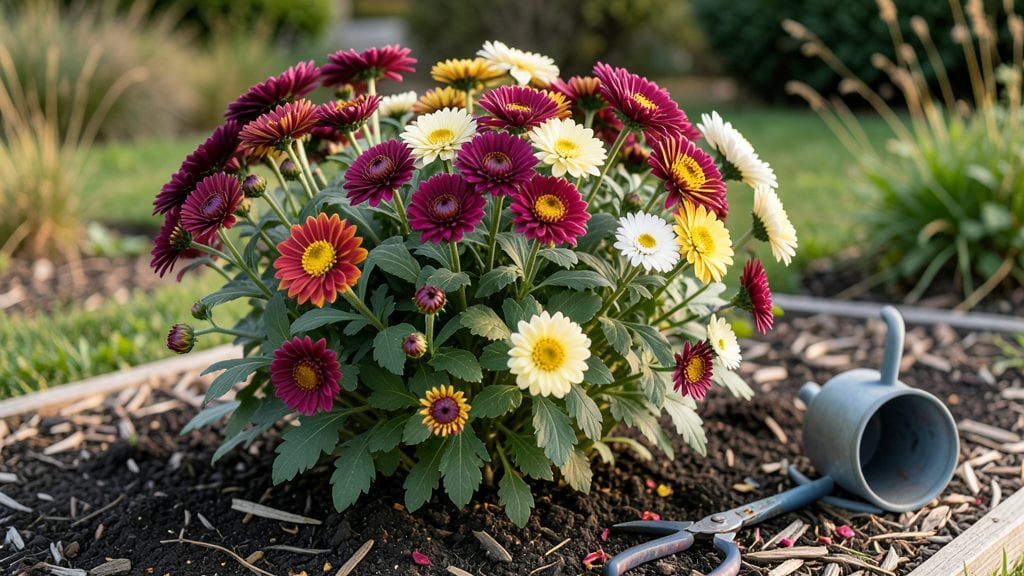
Fall flowers in Zone 9 don’t just survive—they thrive while everyone else’s garden goes dormant. 🌸 The secret is choosing plants that love the mild winters and warm falls of your region, then letting them do their thing with minimal fuss.
My front yard stays colorful from October through February because of a few strategic picks that bloom when others fade.
You’ll need low-maintenance perennials like Mexican sunflower, salvia, and California poppies, which handle drought and cool nights beautifully. These plants ask for almost no pruning—just a little deadheading to keep them tidy—and they reward you with vibrant blooms when most gardens are bare.
The key is planting in late summer so roots establish before the first chill, and mulching lightly to protect them through occasional frosts.
By December, you’ll have a garden that feels like a year-round postcard—deep reds, sunny yellows, and soft purples contrasting against the winter sky. The best part? These flowers attract pollinators even in cooler months, giving your local bees and butterflies a late-season feast.
No high-maintenance roses or finicky annuals here—just effortless color that keeps giving.
Works equally well in full sun or partial shade, so you can mix them into existing beds or dedicate a whole corner to fall-winter drama. Let’s pick the perfect palette for your Zone 9 garden!
📚 In This Guide
- What you need
- Instructions
- Tips and common mistakes
- Wrapping up and next steps
What you need
- ● Fall-blooming flowers: Choose from Zone 9 favorites like: Mums (Chrysanthemums) – 5-10 plants (dwarf or standard varieties)
- ● Salvia (Salvia greggii) – 3-5 plants (drought-tolerant & vibrant)
- ● Zinnias (Zinnia elegans) – 4-6 plants (self-cleaning varieties for low maintenance)
- ● Pentas (Pentas lanceolata) – 2-3 plants (butterfly magnet!)
- ● Blanket Flower (Gaillardia) – 3-4 plants (long-lasting blooms)
- ● Well-draining potting soil: 5-10 gallons (mix with perlite or compost for Zone 9’s sandy/clay soils)
- ● Organic fertilizer: 1 bag (balanced 10-10-10 or slow-release fish emulsion for fall bloomers)
- ● Mulch: 2-3 bags (straw or shredded bark to retain moisture & regulate soil temp)
- ● Gloves & pruners: 1 pair each (sterilized pruners to avoid disease)
- ○ Hand trowel – For precise planting (optional but helpful)
- ● Watering can or hose with nozzle – Deep-watering is key for Zone 9’s heat retention
- ● Slow-release watering system (e.g., drip irrigation) – 💡 Pro tip: Reduces evaporation and saves time!
- ● Decorative stones or gravel – 2-5 lbs (for mulch-free paths or accent borders)
- ● Stakes or plant supports – Only if planting tall varieties like Salvia ‘May Night’
- ● Sunlight: 6+ hours/day (most fall flowers thrive in full sun)
- ● Soil pH: 6.0-7.0 (test with a soil kit or amend with lime/sulfur if needed)
- ● Drainage check: Ensure no standing water after rain (Zone 9’s clay soils can trap moisture)
- ● Pest control: Neem oil or insecticidal soap (for aphids/spider mites—common in fall)
Step-by-Step guide for planting fall flowers in Zone 9
Here's how to create a low-maintenance, vibrant fall garden that thrives in Zone 9's mild winters.
🌱 Step 1: Choose the Right Flowers for Season-Long Color
Pick flowers that bloom in fall and early winter, like pansies, snapdragons, and ornamental kale. These varieties handle Zone 9's cooler temperatures beautifully and won't need heavy pruning. I always include calendulas too—they self-seed and keep coming back year after year with almost no effort.
Look for disease-resistant varieties labeled for fall planting. Avoid anything that needs heavy deadheading—you want flowers that stay pretty without constant upkeep. Check your local nursery for Zone 9-specific fall bloomers—they'll already be adapted to your climate's unique conditions.
☀️ Step 2: Prepare the Soil and Planting Area
Work 2-3 inches of compost into the top 6 inches of soil to improve drainage and fertility. Zone 9 soil can get compacted from summer heat, so fluff it up with a garden fork or tiller. If your soil feels heavy when moist, mix in 1 part perlite to help roots breathe.
Choose a spot with at least 4-6 hours of sunlight daily. Even in fall, flowers need light to establish strong roots. I always test the area first by placing a plant there for a few hours—if it looks stressed by afternoon, move to a sunnier location. Amend the soil with a balanced, slow-release fertilizer (10-10-10) if your compost isn't rich enough.
💧 Step 3: Plant at the Right Depth and Spacing
Dig holes twice as wide as the root ball but only as deep—planting too deep suffocates roots. Gently remove plants from their containers and loosen any circling roots with your fingers. Place each one in its hole, then backfill with soil, pressing lightly to eliminate air pockets.
Space flowers 12-18 inches apart—crowding leads to poor air circulation and more diseases. Water deeply right after planting to help roots settle into the soil. I like to use a soaker hose set on low for 10-15 minutes per section to avoid disturbing the soil surface. Mulch with 2 inches of shredded bark to retain moisture and regulate soil temperature.
✂️ Step 4: Water and Maintain for Low-Effort Beauty
Water deeply 2-3 times per week until plants establish roots (4-6 weeks). After that, reduce to once weekly unless it doesn't rain. Zone 9's fall weather can be unpredictable—check soil moisture by sticking your finger 1 inch deep. If it feels dry, water; if damp, wait.
Skip heavy pruning—just snip off dead blooms occasionally to encourage more flowers. I also remove any yellowing leaves to keep the plants looking tidy. Fertilize lightly with fish emulsion every 6-8 weeks to support continuous blooming without overfeeding.
🌿 Step 5: Protect and Enjoy Through Winter
Once temperatures drop below 40°F at night, cover tender plants with frost cloth if frost is forecasted. Most Zone 9 fall flowers handle light frosts, but a 32°F night can damage them. I leave the cloth on during the day too—it traps warmth and extends the blooming season.
Harvest any spent blooms for arrangements or let them seed naturally. By late winter, you'll likely see volunteer seedlings popping up—these are your free plants for next year! Just thin them to 12 inches apart and watch them thrive with minimal care.
Tips & tricks for perfect fall flowers in Zone 9
A few simple strategies will help your fall garden thrive with minimal effort and maximum beauty.
Selection Tip: When choosing flowers in Step 1, prioritize varieties labeled "disease-resistant" and "self-cleaning." These traits mean less maintenance for you—no constant deadheading or leaf removal. I've found that 'Matrix' pansies and 'Titanium' snapdragons are particularly tough and stay vibrant all winter long in Zone 9. For extra color, add ornamental kale, which doubles as edible greens and thrives in cool weather.
Soil Prep Hack: In Step 2, if your soil feels particularly heavy after summer, mix in 1 part perlite to 3 parts soil—this improves drainage without altering the soil structure too dramatically. I like to test soil moisture by pressing my finger 1 inch deep before adding compost; if it feels damp, wait 24 hours before amending. This prevents over-saturating the soil, which can lead to root rot in fall's cooler temperatures.
Planting Depth Secret: For Step 3, remember that "as deep as the root ball" means the top of the root ball should be level with the surrounding soil—not buried. I use a small stick or ruler to mark the depth before planting, which helps me maintain consistency across multiple plants. This simple trick prevents the common mistake of planting too deep, which can suffocate roots and stunt growth.
Watering Wisdom: The 2-3 times per week watering in Step 4 works best when done in the morning. This gives plants time to absorb moisture before afternoon heat or evening chill. For the 10-15 minutes with your soaker hose, split this into two 5-7 minute sessions on either side of the plant—this ensures even water distribution without disturbing the soil surface.
Pro Tips for Fall Flowers Zone 9
- A few simple strategies will help your fall garden thrive with minimal effort and maximum beauty.
- Selection Tip: When choosing flowers in Step 1, prioritize varieties labeled "disease-resistant" and "self-cleaning."
- Soil Prep Hack: In Step 2, if your soil feels particularly heavy after summer, mix in 1 part perlite to 3 parts soil—this improves drainage without altering the soil structure too dramatically.
Frequently asked questions
Got questions about bringing fall flowers to life in Zone 9? You’re in the right place!
Here are the answers to the most common queries—from timing to troubleshooting—so you can enjoy vibrant blooms with minimal fuss.
What’s the best time to plant fall flowers in Zone 9?
For Zone 9’s mild winters, aim to plant most fall flowers 6–8 weeks before your first frost (typically late August to early October). Cool-season bloomers like pansies and calendulas thrive when soil temps dip below 75°F. Pro tip: Check your local frost dates—some varieties (like mums) can handle cooler temps and may even bloom into winter!
Can I still plant flowers in Zone 9 after October?
Yes! Some hardy annuals and perennials (e.g., snapdragons, stock) tolerate light frosts and can be planted until November. Just avoid heavy freezes—opt for winter-blooming varieties like pansies or ornamental kale for late-season color. For extra protection, mulch lightly or use frost cloth on young plants.
What are the easiest low-maintenance fall flowers for Zone 9?
Skip the pruning headaches with these no-fuss picks:
- Pansies – Cold-hardy, self-cleaning, and bloom nonstop.
- Calendulas – Drought-tolerant and pest-resistant.
- Sweet Alyssum – Thrives in poor soil, spreads easily.
- Chrysanthemums – Drought-resistant once established.
Bonus: Succulents like sedum add architectural interest with zero upkeep!
How do I prevent pests from ruining my fall flowers?
Zone 9’s warm winters attract pests like aphids and slugs. Prevent with these tricks:
- Use neem oil or insecticidal soap for soft-bodied bugs.
- Set up beer traps (bury a cup filled with beer) for slugs.
- Plant marigolds nearby—they repel pests naturally!
- Water in the morning to deter fungal issues.
If pests strike, act fast—most fall bloomers recover quickly with prompt care.
What if my flowers don’t bloom in fall?
Don’t panic! Common reasons (and fixes):
- Too much heat: Move plants to partial shade if temps stay above 85°F.
- Over-fertilizing: Fall bloomers need low-nitrogen fertilizer (like 5-10-10).
- Poor soil: Amend with compost and ensure good drainage.
- Wrong variety: Some flowers (e.g., geraniums) bloom best in spring/summer. Swap for fall-specific picks like cosmos or zinnias.
Deadhead spent blooms to encourage reblooming—it works wonders!
Wrapping up and next steps
Transforming your Zone 9 garden into a year-round blooming paradise doesn’t have to be complicated—just strategic! With the right fall flowers like pansies, snapdragons, and ornamental grasses, you can enjoy vibrant colors without the pruning hassle of high-maintenance plants.
These resilient picks thrive in your climate, offering low-upkeep beauty that keeps your outdoor space lively from season to season.
Ready to take the next step? Start by sketching your garden layout—consider sun exposure, color themes, and even pollinator-friendly spots. Then, grab your gloves and plant with confidence! Your future self (and your garden) will thank you. 🌸✨