Planting
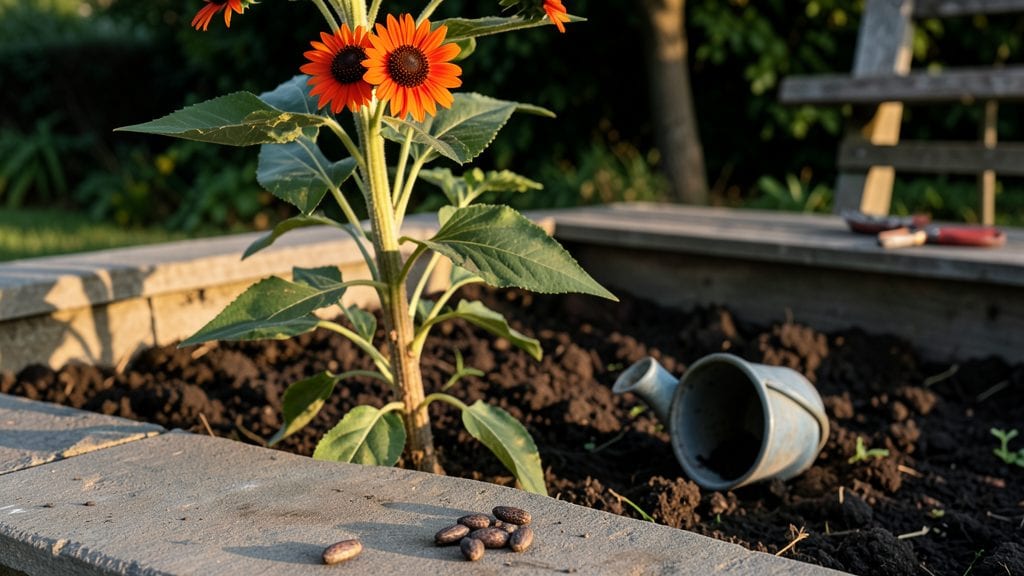
Planting Mexican sunflower seeds (Tithonia rotundifolia) is like inviting a burst of sunshine into your garden—those fiery yellow blooms appear in just 60 days if you get the timing right.
I’ve learned the hard way that these drought-loving stars need minimal fuss, but they do demand good soil and space to stretch their legs. The key is planting them deep enough so they don’t flop later, and giving them room to avoid a crowded, leggy mess.
Start with well-draining soil—these sunflowers hate soggy feet—and scatter seeds ¼ inch deep, about 12 inches apart. They’ll pop up in 7–10 days, and once they’re 6 inches tall, thin them to 18 inches apart for those showstopping stems.
Water lightly until established, then let nature take over—they’re shockingly drought-tolerant once rooted. My first batch last summer turned into a 5-foot-tall golden wall with almost no extra care.
By mid-summer, you’ll be snapping photos of bees buzzing around 3-inch-wide blooms that last for weeks. The secret? Plant them in full sun (they’ll wilt in shade) and avoid fertilizing—rich soil makes them grow leaves instead of flowers.
Even in Zone 5, they’ll rebloom all season if you deadhead spent blooms. No wonder they’re a pollinator magnet!
Pro tip: Stagger plantings every 2 weeks for nonstop color, and save seeds for next year—they’re 90% viable even after drying. Perfect for borders, cutting gardens, or even container pots if you prune them back. Ready to grow your own sunburst?
📚 In This Guide
- What you need
- Instructions
- Tips and common mistakes
- Wrapping up and next steps
What you need
- ● Mexican sunflower seeds: 50–100 seeds (adjust based on desired plant quantity). Opt for organic, non-GMO seeds for best results.
- ● Well-draining potting mix or garden soil: A blend of 60% topsoil, 30% compost, and 10% perlite works wonders. Mexican sunflowers thrive in sandy or loamy soil.
- ● Containers or garden plot: For containers: 5–7" deep pots with drainage holes (1–2 seeds per pot).
- ● For in-ground planting: A sunny spot with 6+ hours of direct sunlight daily.
- ● Watering can or hose with a gentle spray nozzle: Mexican sunflowers hate soggy roots—keep watering light but consistent.
- ○ Planting tray (optional for indoor starts): If sowing indoors, use a seed-starting tray with clear domes to retain humidity.
- ● Garden trowel or small hand shovel (for digging holes).
- ● Finger or small stick (to create seed furrows or mark planting depth).
- ● Pruning shears or scissors (for trimming dead foliage later).
- ● Gloves (to protect your hands from thorns—yes, they’ve got ‘em!).
- ● Slow-release fertilizer (e.g., 10-10-10 or compost tea) to boost growth.
- ● Mulch (straw or shredded leaves) to retain moisture and suppress weeds.
- ● Plant markers (if you’re growing multiple varieties).
- ● Sunlight meter or app (to track light exposure for fussy spots).
Step-by-Step guide to planting Mexican sunflower seeds
These vibrant bloomers thrive with minimal fuss—here’s how to get them growing strong.
Choose the Perfect Planting Location
Mexican sunflowers (Tithonia rotundifolia) demand full sun to reach their boldest yellow hues. Select a spot receiving at least 6-8 hours of direct sunlight daily, with well-draining soil. I always test drainage by digging a 6-inch hole, filling it with water, and waiting—if it drains within an hour, the site is ideal. Compacted or waterlogged soil will stunt root growth, so amend heavy clay with 2-3 inches of compost mixed into the top 12 inches of soil.
These plants grow 4-6 feet tall with 3-foot spreads, so space them 18-24 inches apart in rows 2 feet apart. If planting in containers, use at least 15-gallon pots—smaller pots restrict root development and reduce bloom quantity. Container-grown plants also need daily watering during dry spells, while in-ground plants establish deeper roots faster.
Prepare Seeds and Soil for Optimal Germination
Mexican sunflower seeds have a hard outer shell, so I soak them in warm water for 12-24 hours before planting to soften the coating and speed up germination. Plant seeds ½ inch deep—deeper planting delays emergence as seedlings struggle to reach light. The soil should feel moist but not soggy at planting time; if it’s dry, water lightly until the top 2 inches are damp.
After sowing, gently firm the soil around seeds with your fingers to ensure good seed-to-soil contact. Avoid compacting too heavily, as this can suffocate emerging roots. In cooler climates, wait until after the last frost date and soil temperatures reach at least 65°F—cold soil slows germination to 2-3 weeks instead of the usual 7-10 days. Mulch lightly with 1 inch of straw to retain moisture and regulate soil temperature.
Water and Fertilize for Strong Stems
Keep the soil consistently moist but never waterlogged during the first 4-6 weeks—this is when roots establish. Water deeply once a week if rainfall is insufficient, aiming for 1-1.5 inches of water per week. Overwatering causes root rot, while underwatering leads to weak stems that flop under heavy blooms. You’ll know moisture is right when the soil 1 inch below the surface feels damp but not wet.
After the first true leaves appear (not the initial seed leaves), apply a balanced 10-10-10 fertilizer at half strength. These sunflowers are heavy feeders, so repeat every 4-6 weeks during the growing season. Too much nitrogen results in lush foliage but few blooms—watch for dark green leaves with sparse flowers as a sign to reduce fertilizer. Once stems reach 12-18 inches tall, they’ll need staking or support to prevent toppling under the weight of blooms.
Prune and Maintain for Continuous Blooms
Deadhead spent blooms by snipping stems ¼ inch above a leaf node to encourage new flowers. I do this every 2-3 days during peak bloom—neglecting this step shifts energy to seed production instead of more vibrant blooms. Prune leggy growth in early summer to promote bushier, fuller plants. Always use clean, sharp pruners to avoid tearing stems, which invites disease.
Watch for aphids or spider mites, common pests that thrive on stressed plants. A strong spray of water usually dislodges them, but severe infestations may require neem oil applied in the evening. These sunflowers are drought-tolerant once established, but wilting leaves signal it’s time to water. Mulch annually with 2-3 inches of organic matter to retain moisture and improve soil structure over time.
Harvest Seeds and Extend the Season
To collect seeds, leave some blooms on the plant until they turn brown and papery. Cut the dried flower heads and hang them upside down in a paper bag for 2-3 weeks—seeds will drop into the bag when fully dry. Store them in a cool, dark place for up to 2 years. For a second flush of blooms, cut back stems by half their height after the first frost. While not as prolific, this often yields a small autumn bloom before winter.
Mexican sunflowers make stunning cut flowers—harvest stems when buds are just opening for the longest vase life. Cut at a 45-degree angle and place immediately in lukewarm water to prevent air bubbles from blocking the stem. These blooms last 7-10 days in arrangements, adding a bold pop of yellow to any bouquet. With proper care, your plants will reward you with continuous blooms from midsummer to frost.
Tips & tricks for perfect Mexican sunflower planting
These vibrant bloomers are easier to grow than you might think—once you know the right tricks to maximize their bold yellow color and vigorous growth.
Soil Preparation Secret: In Step 1, when you're testing drainage, I recommend digging your 6-inch hole in multiple spots—especially if your yard has slopes or low areas. Poor drainage in just one section can cause root rot that spreads to healthy plants. For heavy clay soils, mix in 2-3 inches of compost not just at the surface, but work it into the top 12 inches of soil. This creates ideal aeration for those deep roots that will anchor your 4-6 foot tall plants.
Seed Soaking Strategy: For Step 2, don't just soak your seeds for the minimum 12 hours—the extra 12 hours can make a dramatic difference in germination speed. Place them in a bowl of warm water (not hot) and let them sit overnight. The next morning, drain and rinse them before planting. This softens the hard outer shell and can cut germination time from 7-10 days to as little as 5-7 days in warm conditions.
Container Planting Hack: If you're growing in containers as mentioned in Step 1, choose pots with drainage holes and add a 2-inch layer of gravel at the bottom before your soil mix. This prevents waterlogging while still allowing roots to access moisture. Remember, container plants need daily watering during dry spells—their smaller root systems can't reach deep water sources like in-ground plants.
Fertilizer Timing Tip: In Step 3, when applying your 10-10-10 fertilizer at half strength, I've found that splitting the dose into two applications—once when true leaves appear and again when plants reach 12-18 inches—produces stronger stems that can support those heavy blooms. Watch for those dark green leaves with sparse flowers as your warning sign of over-fertilizing with nitrogen.
Pro Tips for Plant Mexican Sunflower Seeds
- These vibrant bloomers are easier to grow than you might think—once you know the right tricks to maximize their bold yellow color and vigorous growth.
- Soil Preparation Secret: In Step 1, when you're testing drainage, I recommend digging your 6-inch hole in multiple spots—especially if your yard has slopes or low areas.
- Seed Soaking Strategy: For Step 2, don't just soak your seeds for the minimum 12 hours—the extra 12 hours can make a dramatic difference in germination speed.
Frequently asked questions
Got questions about growing Mexican sunflowers? You’re not alone! Here are answers to the most common queries to help you cultivate vibrant blooms with confidence.
When is the best time to plant Mexican sunflower seeds?
Plant seeds after the last frost when soil temperatures reach at least 60°F (15°C). For warm climates, aim for spring to early summer (March–May). In cooler zones, late spring (May–June) works best. These sun-loving flowers thrive in heat, so avoid planting too early!
How long does it take for Mexican sunflowers to grow from seed?
Expect 60–70 days from seed to full bloom—fast compared to other sunflowers! Germination takes 7–14 days in warm soil. With proper care, you’ll see cheerful yellow flowers in about 2 months. Patience pays off with bold, long-lasting blooms!
Can Mexican sunflowers grow in containers or small spaces?
These compact plants thrive in 5–10 gallon containers or small gardens. Ensure pots have drainage holes and use well-draining soil. Place containers in full sun (6+ hours/day). Just avoid overcrowding—space plants 12–18 inches apart for optimal air circulation.
Why aren’t my Mexican sunflower seeds germinating?
Check these common issues:
- Cold soil: Wait until soil is warmer than 60°F (15°C).
- Too deep: Plant seeds ½ inch deep—deeper planting delays germination.
- Poor drainage: Use lightweight, well-draining soil to prevent rot.
- Damp conditions: Keep soil moist but not soggy until sprouts appear.
Are Mexican sunflowers good for pollinators like bees and butterflies?
Yes! These flowers are pollinator magnets. Their bright yellow blooms attract bees, butterflies, and hummingbirds. Planting them supports local ecosystems while adding color and life to your garden. Bonus: They’re low-maintenance and drought-tolerant once established!
Wrapping up and next steps
Growing Mexican sunflower seeds is a rewarding journey that brings vibrant yellow blooms to your garden in just 60 days! With the right soil, sunlight, and care, you’ll enjoy their striking beauty and attract pollinators to your space.
Whether you’re a beginner or seasoned gardener, these cheerful flowers are a fantastic addition to any yard or container.
Now that you’re equipped with the knowledge, grab those seeds and get planting! 🌱 Next, watch your garden transform as these resilient blooms thrive—don’t forget to share your progress with fellow gardeners for extra motivation. Happy growing!