Flowers
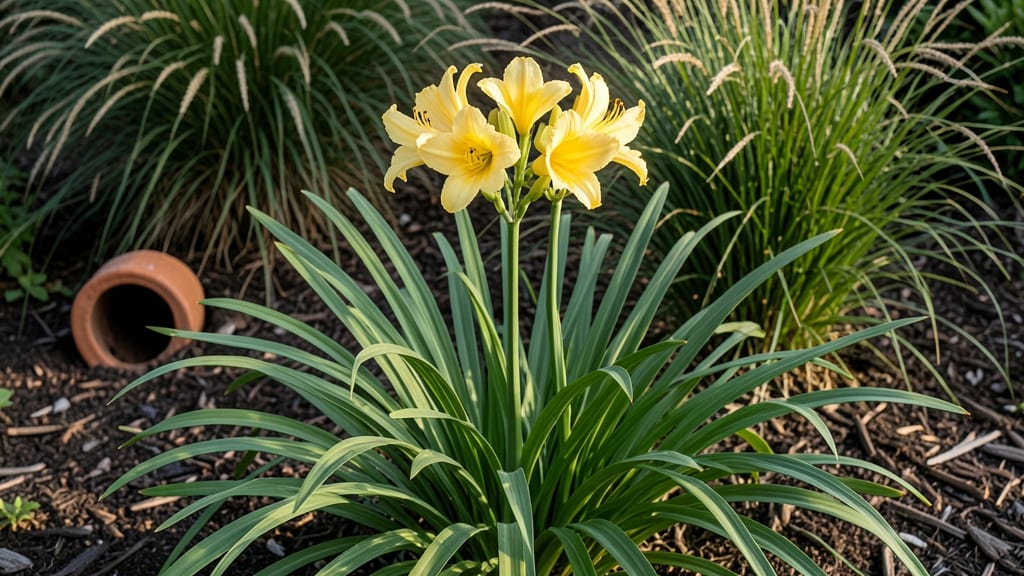
Yellow umbel flowers light up Pacific Northwest gardens with golden sunshine and buzzing pollinator life. 🌻 I’ve designed countless borders and meadows where these cheerful blooms steal the show—whether it’s the delicate fronds of Queen Anne’s lace (with caution) or the bold, architectural stems of Golden Alexanders.
The key lies in their height, texture, and timing: plant them where they’ll catch morning light and frame pathways.
Pair them with deep purples like Russian sage or silvery foliage such as lamb’s ears for contrast that pops. In containers, mix with ornamental grasses or dwarf coneflowers for a layered, textured display.
These flowers thrive in well-drained soil and partial shade to full sun, making them adaptable to borders, cottage gardens, or even wildflower meadows. Their late-spring to summer bloom ensures seasonal interest without overwhelming other plants.
What you’ll achieve is a garden that hums with life—bees, butterflies, and hummingbirds all drawn to the nectar-rich umbels. The visual impact? Sunlit drifts that feel effortless but are carefully curated. For maximum effect, stagger plantings so blooms cascade from early summer through fall, keeping the garden vibrant longer.
Even a single clump of Golden Alexanders becomes a striking focal point near patios or entryways.
Seasonal timing matters: start seeds indoors 6-8 weeks before last frost or transplant established clumps in early spring. In the PNW’s mild climate, these flowers often self-seed, creating naturalized patches over time.
For containers, choose compact varieties like sweet cicely to avoid overcrowding. The result? A low-maintenance, high-reward garden that feels alive and intentional.
📚 In This Guide
- What you need
- Instructions
- Tips and common mistakes
- Wrapping up and next steps
What you need
- ● Yellow Umbel Flower Seeds or Seedlings: 1–2 packets of seeds (e.g., Ligularia dentata, Helenium autumnale, or Rudbeckia hirta—all produce cheerful yellow umbels).
- ● OR 3–5 nursery-grown seedlings (for faster results).
- ● Well-Draining Soil: 1–2 bags of garden loam mixed with compost (1 part compost to 3 parts soil).
- ● Sunlight Spot: 6+ hours of full sun (partial shade tolerates Helenium in hot climates).
- ● Watering Can or Hose: With a gentle spray nozzle for seedlings.
- ● Organic Mulch: 2–3 inches of straw or wood chips to retain moisture.
- ● Garden Gloves (1 pair) – Protects hands from prickly stems.
- ● Hand Trowel (1) – For transplanting seedlings.
- ● Pruning Shears (1) – To trim dead blooms and encourage regrowth.
- ○ Optional: Soil pH Test Kit – Ensures slightly acidic to neutral (6.0–7.0) soil.
- ● Slow-Release Fertilizer (e.g., 10-10-10) – 1 lb per 100 sq ft.
- ● Bird Netting – If deer or rabbits are pests in your area.
- ● ✅ Timing: Plant seeds indoors 6–8 weeks before last frost or directly outdoors in spring (after soil warms to 50°F+).
- ● ✅ Space: 1–2 ft apart in borders; 3+ ft for large varieties like Ligularia.
- ● ✅ Patience: Yellow umbels may take 60–90 days to bloom from seed!
Step-by-Step guide to cultivating Pacific Northwest pollinator-friendly yellow umbel flowers
Here’s how to create a thriving pollinator magnet using native yellow umbel flowers—perfect for PNW gardens.
🌱 Step 1: Select and Prepare Your Planting Site
Choose a location with partial to full sun—yellow umbels like 6-8 hours of sunlight daily—and well-draining soil. I always test soil pH first; these flowers thrive in 6.0-7.0. If your soil is heavy clay, amend it with 2-3 inches of compost and a handful of coarse sand to improve drainage.
Clear the area of weeds and loosen the top 6 inches of soil with a garden fork. This helps roots establish quickly, especially in the PNW’s damp climate. If planting in containers, use a lightweight potting mix with perlite for aeration.
🌿 Step 2: Plant Yellow Umbel Flowers at the Right Time
For best results, plant in early spring after the last frost date or in fall for a late-season bloom. Dig holes twice as wide as the root ball but only as deep—planting too deep can suffocate roots. Space plants 18-24 inches apart to allow airflow and prevent fungal issues.
Gently remove the plant from its container and tease the roots if they’re circling. Place it in the hole, backfill with soil, and water deeply to settle everything. You’ll see new growth within 2-3 weeks if conditions are right.
☀️ Step 3: Provide Consistent Water and Light
Water newly planted flowers once a week until established, keeping the soil evenly moist but not soggy. Yellow umbels are drought-tolerant once mature, but they need consistent moisture during their first growing season. Mulch with 2 inches of wood chips to retain moisture and suppress weeds.
Ensure they get morning sun and afternoon shade if temperatures exceed 85°F. In the PNW, afternoon shade helps prevent leaf scorch while still providing enough light for strong blooms.
✂️ Step 4: Prune and Maintain for Long-Lasting Blooms
Deadhead spent flowers regularly to encourage more blooms and prevent self-seeding. Use clean, sharp pruners to cut back stems to the first set of healthy leaves. This keeps the plant focused on producing new flowers rather than seeds.
Fertilize lightly in early spring with a balanced organic fertilizer (10-10-10). Too much nitrogen leads to lush foliage but fewer flowers. I avoid fertilizing after mid-summer to let the plant prepare for dormancy.
🐝 Step 5: Support Pollinators Year-Round
Leave some seed heads on a few stems in late fall to provide food for birds and overwintering insects. Yellow umbels attract bees, butterflies, and hummingbirds, making them a pollinator powerhouse. Plant them near other native flowers for a synergistic effect.
Monitor for pests like aphids or spider mites—if you spot them, spray with neem oil or a strong stream of water to dislodge them. A healthy plant with good airflow rarely has serious issues.
Tips & tricks for perfect yellow umbel flower cultivation
These pro tips will help you create a thriving pollinator garden that attracts bees, butterflies, and hummingbirds while keeping your yellow umbels healthy and vibrant.
Soil Preparation Secret: Before amending your soil with compost and sand, conduct a simple DIY pH test using vinegar and baking soda. Mix equal parts soil and water, then add vinegar—if it fizzes, your soil is alkaline. Add baking soda to the remaining mixture; fizzing indicates acidic soil. PNW yellow umbels thrive in that 6.0-7.0 range, so adjust accordingly. This ensures optimal nutrient uptake from day one.
Timing is Everything: The 6-8 hours of sunlight requirement is non-negotiable, but timing matters too. In the PNW's unpredictable climate, plant in early spring (March-April) after the last frost date or in early fall (September) for late-season blooms. I've found that fall planting often yields more robust growth the following spring—just be sure to protect young plants from late-season frosts with row covers if needed.
Watering Wisdom: That once-a-week watering guideline works for most PNW conditions, but adjust based on rainfall. After planting, water deeply every 3-4 days until established (about 2-3 weeks) to encourage root growth. In containers, check soil moisture daily—they dry out faster. Mulching with 2 inches of wood chips helps retain moisture and keeps roots cool during our hot summer afternoons.
Pruning Pro Tip: When deadheading in Step 4, don't just cut off the spent blooms—snip the stem just above the first set of healthy leaves. This encourages bushier growth and more flowers. I also recommend sterilizing your pruners with rubbing alcohol between cuts to prevent spreading disease. And here's a bonus: leave some seed heads on a few stems for pollinators to enjoy in late fall.
Pro Tips for Yellow Umbel Flowers
- These pro tips will help you create a thriving pollinator garden that attracts bees, butterflies, and hummingbirds while keeping your yellow umbels healthy and vibrant.
- Soil Preparation Secret: Before amending your soil with compost and sand, conduct a simple DIY pH test using vinegar and baking soda.
- Timing is Everything: The 6-8 hours of sunlight requirement is non-negotiable, but timing matters too.
Frequently asked questions
Got questions about growing or using yellow umbel flowers? You’re in the right place! Here are some of the most common queries—plus quick, practical answers to help you make the most of these pollinator-friendly beauties.
What’s the best time to plant yellow umbel flowers?
For Pacific Northwest gardens, plant yellow umbel flowers in early spring (March–April) or fall (September–October). They thrive in cool, moist climates and tolerate light frost. Avoid planting in summer heat—wait until soil temps drop below 75°F (24°C) for best success.
Do yellow umbel flowers attract bees and butterflies?
These flowers are a pollinator magnet, especially for bees, butterflies, and even hummingbirds. Their flat, open blooms provide easy access to nectar and pollen. For extra buzz, pair them with native wildflowers like yarrow or lupine.
How do I keep yellow umbel flowers from flopping over?
If your umbels lean or sprawl, it’s often due to lack of support or overwatering. Stake taller varieties (like goldenrod) at planting, or interplant with grasses (e.g., Miscanthus) for natural windbreaks. Prune leggy stems in early spring to encourage bushier growth.
What’s a good alternative if I can’t grow yellow umbels?
If your climate or soil isn’t ideal, try these yellow-flowered umbel lookalikes:
- Queen Anne’s lace (Daucus carota) – Classic white umbels with yellow centers.
- Sweet cicely (Myrrhis odorata) – Fern-like foliage with delicate yellowish blooms.
- Golden marguerite (Anthemis tinctoria) – Bright yellow daisy-like flowers.
Why are my yellow umbel flowers wilting or turning brown?
Wilting or browning can signal overwatering, root rot, or pests. Check soil moisture—umbels prefer well-draining soil. If leaves yellow, test for clubroot (a fungal disease) and remove affected plants. For brown edges, reduce water and mulch to retain moisture.
Wrapping up and next steps
Yellow umbel flowers aren’t just a stunning addition to your garden—they’re a lifeline for pollinators in the Pacific Northwest! From attracting bees and butterflies to adding vibrant color to your landscape, these blooms bring both beauty and ecological benefits.
Whether you’re a seasoned gardener or just starting out, growing and using yellow umbel flowers is a rewarding way to support local ecosystems.
Ready to make a difference? Start small—plant a few in your garden this spring and watch your space transform into a buzzing, blooming haven! 🌸🐝