
Flowers
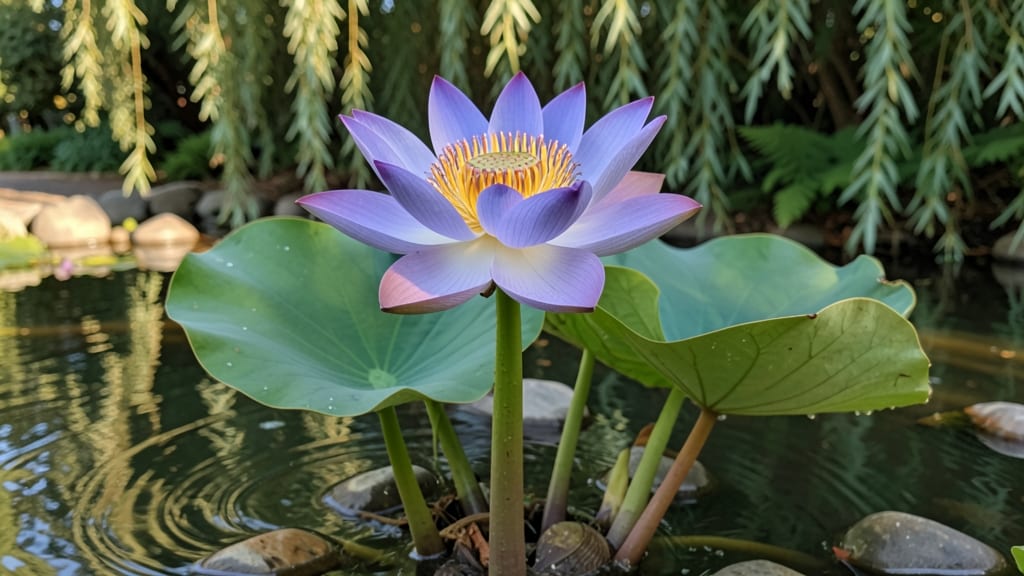
The blue gorgeous lotus flower transforms any Pacific Northwest garden into a serene sanctuary where water and elegance meet. 💙 I fell in love with these frost-resistant blooms after seeing them drift across my pond—each petal a masterpiece of delicate blue against rippling water.
They’re not just beautiful; they’re resilient, thriving where other lotuses falter in cooler climates.
These flowers bring a sense of calm and sophistication to water gardens, ponds, or even large containers. Pair them with irises, hostas, or white water lilies for a dreamy, balanced look.
Their deep blue hue contrasts beautifully with silver foliage or golden grasses, creating a striking visual focal point that feels both timeless and fresh.
Imagine waking to velvety blue blooms unfurling in the morning light, their petals glistening with dew. The lotus’s symbolic meaning—purity, enlightenment, and rebirth—adds a layer of depth to your garden’s story. Whether you’re designing a tranquil retreat or a showstopping landscape, these flowers deliver drama and grace with minimal fuss.
They work in both formal and naturalistic settings, making them incredibly versatile. For the Pacific Northwest’s cooler summers, choose the frost-hardy varieties like Nelumbo lutea or Nelumbo nucifera ‘Blue Beauty.’ With the right placement and companions, your garden will feel like a hidden Japanese garden—elegant, peaceful, and utterly captivating.
📚 In This Guide
- What you need
- Instructions
- Tips and common mistakes
- Wrapping up and next steps
What you need
- ● Lotus Flower Tubers or Seeds: Frost-resistant varieties: Choose cold-hardy cultivars like Nelumbo nucifera (hardy to USDA Zone 5-9) or Nelumbo lutea (American lotus, Zone 4-9). 1-3 tubers or 5-10 seeds per plant (spaced 3-5 feet apart).
- ● Blue-toned blooms: Opt for deep purple or blue-tinged varieties (e.g., 'Blue Lotus' or 'Kingdom of Beauty'), though true blue lotuses are rare—hybrid crosses often yield stunning blue-gorgeous hues.
- ● Well-Draining Soil Mix: 50% garden soil + 30% sand or perlite + 20% compost (lotuses hate soggy roots!).
- ● pH 6.0–7.5 (test with a soil kit if unsure).
- ○ Container or Pond Setup (Optional but Recommended): For containers: 15–20 gallon pot with drainage holes + 3–5 inches of water (lotuses thrive in shallow water or moist soil).
- ● For ponds: 3–5 feet of water depth (deeper for mature plants).
- ● Garden Tools: Trowel or spade (for transplanting tubers).
- ● Gloves (lotus rhizomes can be slippery!).
- ● Watering can or hose with gentle spray (avoid blasting roots).
- ● Frost Protection (PNW-Specific!):strong> Burlap or frost cloth (to cover young plants in Zone 4–5 during late frosts).
- ● Mulch (straw or leaves) to insulate soil in winter.
- ● Fertilizer: Balanced liquid fertilizer (10-10-10) or compost tea (apply every 4–6 weeks during growing season).
- ● Avoid high-nitrogen fertilizers (promotes foliage over blooms!).
- ● Pond Decor: Floating plants (e.g., water hyacinth) to enhance the blue aesthetic and reduce algae.
- ● Stakes or Trellis: For tall varieties (e.g., 'Kingdom of Beauty'), to support heavy blooms.
- ● Blue-Glow LED Lights: Subtle pond lighting to highlight your lotuses at night (solar-powered options work great!).
- ● Journal or App: Track bloom times, frost dates, and plant health (e.g., Gardenate for PNW-specific reminders).
Step-by-Step guide to planting frost-resistant blue lotus flowers in the Pacific Northwest
Here's how I transform my PNW garden into a serene blue lotus sanctuary—hardy enough for our damp, cool climate.
🪴 Step 1: Select the Right Location and Prepare the Soil
Blue lotus (Nelumbo nucifera 'Blue Gorgeous') thrives in 6-8 inches of water at maturity, so choose a spot with full sun (6+ hours daily) and a natural or constructed pond. The Pacific Northwest's acidic soils need amendment—mix 2 parts native soil with 1 part compost and 1 part sand to improve drainage while retaining moisture. Test your water source first; lotus prefers pH 6.0-7.5—our region's natural acidity rarely requires adjustment.
Dig a hole 12-18 inches deep and 18-24 inches wide for each plant, spacing them 3-4 feet apart to allow mature foliage to spread. The key here is root zone depth—lotus rhizomes need room to establish before they'll surface. I always plant in early spring (March-April) when soil temperatures reach 60°F, ensuring roots have the growing season to acclimate before winter.
🌱 Step 2: Plant Rhizomes Correctly for Cold Hardiness
Place the rhizome horizontally in the hole with the eyes (bud points) facing upward—this is critical for frost resistance. Cover with 2-3 inches of soil, leaving the top third exposed to light. The exposed portion will develop into the first leaves while roots establish below. In the PNW, this positioning helps rhizomes survive light frosts (25-30°F) by insulating the crown.
Gently press the soil around the rhizome to eliminate air pockets, then water deeply until the soil is saturated but not soggy. The water level should rise 1-2 inches above the rhizome—this mimics their natural habitat. I use a pond liner in my first planting season to prevent soil erosion and maintain consistent moisture levels while roots establish.
☀️ Step 3: Manage Water Levels and Fertilize Strategically
During the first growing season, maintain 2-3 inches of water over the rhizome—never let it dry out completely, but avoid standing water deeper than 8 inches. In the PNW's rainy climate, I supplement with rainwater collection during dry spells (June-September) to prevent nutrient leaching. Fertilize lightly in spring with a balanced aquatic plant fertilizer (10-10-10)—lotus are heavy feeders but sensitive to over-fertilization.
Watch for new shoots emerging in 4-6 weeks—these will develop into the iconic lotus leaves. Here's the thing: leaf color matters. Healthy PNW lotus leaves should be deep green with slight blue undertones (not yellow or purple). If you see yellowing, it's often iron deficiency—amend with chelated iron or switch to acid-loving plant fertilizer for our region's soils.
⏰ Step 4: Winterize for Pacific Northwest Freezes
As temperatures drop below 40°F, reduce water levels to 1 inch above the rhizome—this prevents winterkill from prolonged saturation. In zones 7-9 (typical PNW), lotus can survive brief frosts (25°F), but mulch heavily with 4-6 inches of straw or pond-safe mulch around the water's edge to insulate rhizomes. I've found that covering with a floating pond blanket during hard freezes (below 20°F) gives extra protection without smothering the plant.
Prune dead foliage in late winter (February) before new growth begins. Never cut below the soil line—this exposes the rhizome to cold damage. The first signs of spring readiness are tiny green shoots breaking through the water—this is your cue to gradually increase water levels back to 6-8 inches as temperatures rise above 50°F.
🌿 Step 5: Encourage Blooms and Maintain Long-Term Health
Blue lotus flowers typically bloom 60-90 days after planting, but in the PNW's cooler climate, expect first blooms in late July-August. To maximize flowers, ensure full sun exposure—our cloudy summers can trick plants into focusing on foliage. If blooms are sparse, reduce water depth to 4-5 inches for 2-3 weeks in early summer—this stress can trigger more flowering.
Divide mature plants every 3-4 years in early spring by carefully lifting rhizomes and separating sections with 3+ buds each. Replant immediately in fresh soil mix. The PNW's damp conditions mean disease pressure is higher—watch for powdery mildew on leaves and treat with neem oil at the first sign. With proper care, your blue lotus will reward you with elegant blooms for decades, thriving where many tropical plants fail.
Tips & tricks for perfect frost-resistant blue lotus planting
These practical insights will help you create a thriving blue lotus sanctuary that thrives in the Pacific Northwest's unique climate.
Soil Preparation Secret: When amending your native soil with compost and sand in Step 1, I recommend adding a handful of sulfur granules to the mix—this helps counteract any residual alkalinity in our region's soils. The goal is to create a loose, well-draining medium that mimics the lotus's natural swamp habitat. Don't compact the amended soil when filling the planting hole; instead, leave it slightly loose to encourage root penetration.
Rhizome Positioning Tip: In Step 2, the horizontal placement of the rhizome with eyes facing upward is non-negotiable for frost resistance. Here's what I've learned: if you're working with multiple rhizomes, space them 6-8 inches apart in the planting hole. This prevents overcrowding as they establish and gives each plant room to develop its own robust root system. The exposed top third should be just visible above the soil line—this ensures proper photosynthesis while protecting the crown.
Water Management Strategy: The water level requirements in Step 3 can be tricky in our rainy climate. I've found that using a clear plastic tube (like a PVC pipe cut in half) as a water level indicator works wonders. Bury it vertically next to your planting hole so you can always see the water level without disturbing the rhizome. Remember, the 2-3 inch depth during the first growing season is crucial—too little water stresses the plant, while too much can lead to root rot in our cool, damp conditions.
Winter Care Insight: When reducing water levels to 1 inch above the rhizome in Step 4, I recommend adding a layer of gravel or small pebbles around the water's edge before applying mulch. This creates a natural barrier that prevents the mulch from washing into the water during our winter rains. The 4-6 inch mulch layer should extend beyond the water's edge to create an insulating blanket that protects the entire rhizome system from temperature fluctuations.
Pro Tips for Blue Gorgeous Lotus Flower
- These practical insights will help you create a thriving blue lotus sanctuary that thrives in the Pacific Northwest's unique climate.
- Soil Preparation Secret: When amending your native soil with compost and sand in Step 1, I recommend adding a handful of sulfur granules to the mix—this helps counteract any residual alkalinity in our region's soils.
- Rhizome Positioning Tip: In Step 2, the horizontal placement of the rhizome with eyes facing upward is non-negotiable for frost resistance.
Frequently asked questions
Got questions about growing blue gorgeous lotus flowers in the Pacific Northwest?
You’re not alone! Here are some of the most common queries—plus straightforward answers to help you cultivate these frost-resistant beauties with confidence.
Can blue gorgeous lotus flowers truly survive PNW winters?
These hardy beauties thrive in USDA Zones 4-9, making them perfect for the Pacific Northwest’s chilly, wet climate. Their thick, woody stems and deep roots insulate against frost, and they often rebloom in spring with minimal damage. Just mulch heavily in late fall for extra protection.
How long does it take for blue gorgeous lotus flowers to bloom after planting?
Patience is key—expect the first blooms 2-3 years after planting from seed or division. If you start with mature plants, you might see flowers in the first growing season, especially in warm microclimates. Consistent moisture and well-draining soil speed up the process!
Are there alternatives to blue gorgeous lotus if I want similar frost-hardy flowers?
Yes! Consider these PNW-friendly options:
- Hardy Hibiscus (Hibiscus moscheutos): Thrives in zones 4-9, with bold blooms and drought tolerance.
- Russian Sage (Perovskia atriplicifolia): Drought-resistant, fragrant, and blooms late summer into fall.
- Catmint (Nepeta): Low-maintenance, deer-resistant, and attracts pollinators.
Why aren’t my blue gorgeous lotus flowers blooming this year?
Common culprits include:
- Insufficient sunlight: They need 6+ hours of direct sun daily. PNW shade? Plant in the sunniest spot possible.
- Over-fertilizing: Too much nitrogen = lush foliage, fewer blooms. Use a balanced 10-10-10 fertilizer sparingly.
- Poor drainage: Soggy roots = stress. Amend clay soil with compost or plant on a slight mound.
- Young plants: As mentioned, it takes time! Focus on establishing roots first.
Are blue gorgeous lotus flowers deer- or pest-resistant?
They’re deer-resistant thanks to their dense foliage and mild toxicity, but not pest-proof. Watch for:
- Aphids: Spray with water or neem oil if clusters form.
- Japanese beetles: Handpick or use milky spore treatment.
- Slugs/snails: Set out beer traps or use iron phosphate bait.
Wrapping up and next steps
The blue gorgeous lotus flower isn’t just a stunning addition to your Pacific Northwest garden—it’s a resilient, frost-tolerant marvel that thrives where others falter. 🌸 With the right care, you’ll enjoy its ethereal beauty year after year, turning your outdoor space into a serene sanctuary. Ready to make the leap?
Your next step? Plant one today! Start by selecting a sunny, water-friendly spot, and soon, you’ll be rewarded with breathtaking blooms that symbolize grace and strength. Happy gardening!