
Flowers
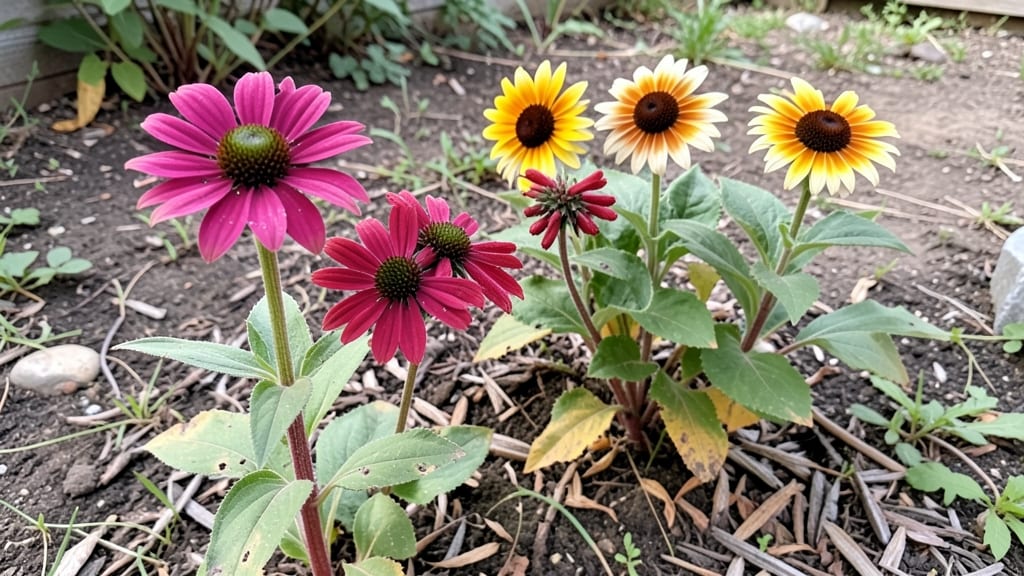
Flowers that regrow each year are the secret weapon of lazy gardeners like me—once planted, they just keep coming back, year after year. 🌸 I still remember the first time I saw my peonies push through the soil after a harsh winter, as if nothing had happened.
That’s the magic of perennials: they build roots, survive the cold, and reward you with blooms for seasons to come.
The beauty of perennials lies in their reliability—no replanting, no starting from seed every spring. You’ll find everything from hardy coneflowers that thrive in poor soil to delicate lavender that loves the heat.
They’re the backbone of a low-maintenance garden, cutting down on work while packing in color. The key? Choosing the right plants for your climate and giving them space to establish strong roots.
By summer’s end, you’ll have a garden that feels like it’s been growing for decades—vibrant, full, and effortless. Imagine waking up to purple coneflowers swaying in the breeze or salvia buzzing with bees all season long.
That’s the power of perennials: beauty that keeps giving, with almost no extra effort from you.
Whether you’re a beginner or a seasoned gardener, perennials adapt to any space—containers, borders, or wildflower meadows. Let’s dive into the best varieties, planting tips, and how to keep them thriving through every season.
📚 In This Guide
- What you need
- Instructions
- Tips and common mistakes
- Wrapping up and next steps
What you need
- ● Perennial flower seeds or plants: Choose from varieties like coneflowers, black-eyed Susans, daylilies, or lavender (5–10 plants or seed packets per variety). Opt for heirloom or disease-resistant options for best results.
- ● Well-draining soil: A mix of topsoil, compost, and perlite (equal parts, ~2 cubic yards for a 10’x10’ bed). Test soil pH (aim for 6.0–7.0 for most perennials).
- ○ Organic fertilizer: A balanced 10-10-10 or slow-release granular (1–2 lbs per 10 sq ft). Optional: Bone meal (for phosphorus) or composted manure.
- ● Mulch: 2–3 inches of wood chips, straw, or shredded leaves to retain moisture and suppress weeds.
- ● Garden trowel (for planting small seeds/transplants).
- ● Hand pruners (sharp, bypass-style for clean cuts).
- ● Garden fork (for aerating soil).
- ● Watering can or hose with adjustable nozzle (gentle spray for seedlings).
- ● Gloves (heavy-duty for digging, lightweight for delicate tasks).
- ● Measuring tape (to space plants 12–36 inches apart, depending on variety).
- ● Sunlight: 6+ hours of direct sun daily (check your perennials’ needs—some tolerate partial shade).
- ● Water source: Access to consistent watering (drip irrigation or soaker hoses work best).
- ● Patience: Perennials may take 1–2 years to reach full bloom but reward you with decades of growth!
- ● Local climate knowledge: Research USDA Hardiness Zone compatibility (e.g., lavender thrives in Zones 5–9).
How to grow perennial flowers that return year after year
Here's how to choose and cultivate perennials that reward you with bold blooms season after season.
🌱 Step 1: Select the Right Perennials for Your Climate
Start with plants that thrive in your USDA hardiness zone—this ensures they’ll survive winter and bounce back each spring. I always check the plant tag or database for zones 3-9 (most perennials cover this range). For example, coneflowers and black-eyed Susans handle full sun and dry soil, while hostas and astilbes prefer partial shade and moist conditions.
Look for labels that say "perennial" or "comes back every year." Avoid annuals, which die after one season. I like to group perennials by height—tall ones like delphiniums in the back, mid-height like daylilies in the middle, and short ground covers like creeping thyme in the front. This creates natural layers and makes maintenance easier.
☀️ Step 2: Plant at the Right Time and Depth
Plant perennials in early spring or early fall when soil temperatures are cool but not frozen. Dig holes twice as wide as the root ball but only as deep—planting too deep suffocates the crown. Gently loosen the roots if they’re circling in the container, then place the plant so the top of the root ball sits just below soil level.
Fill the hole with native soil (amended with compost if needed) and water deeply to settle it. I always firm the soil lightly with my hands to remove air pockets, but don’t pack it down like clay. Mulch with 2-3 inches of organic mulch (like shredded bark) to retain moisture and protect roots from temperature swings. Keep mulch 6 inches away from stems to prevent rot.
💧 Step 3: Water Deeply and Establish Strong Roots
Water newly planted perennials every 2-3 days for the first 2 weeks until the soil is 6 inches deep and moist. After that, water once a week (more in extreme heat) to encourage deep root growth. Shallow watering leads to weak roots that can’t sustain the plant through drought or winter.
You’ll know they’re establishing well when new leaves appear and the plant looks plump, not wilted. Avoid overhead watering after planting—it spreads soil onto leaves, inviting fungal diseases. Instead, water at the base with a soaker hose or drip irrigation. Once established, most perennials tolerate drought once their roots are deep.
✂️ Step 4: Deadhead and Prune for Longevity
Deadhead spent blooms regularly to redirect the plant’s energy into next season’s flowers instead of seed production. Use clean, sharp pruners to snip just above a set of leaves or bud. I do this every 2-3 weeks during the blooming season—it keeps perennials looking tidy and encourages more flowers.
In late fall or early winter, cut back dead or damaged foliage to 3-4 inches above ground level. This prevents pests from overwintering in dead stems and makes it easier to spot new growth in spring. Never cut into healthy green growth—you’ll stunt the plant’s ability to photosynthesize and store energy for next year.
🌿 Step 5: Feed and Divide Every 3-5 Years
Apply a balanced, slow-release fertilizer (like 10-10-10) in early spring when new growth appears. I sprinkle it around the base and water it in—this feeds the roots without burning the plant. Over-fertilizing perennials leads to lush foliage but fewer flowers, so follow package instructions closely.
Every 3-5 years, divide clump-forming perennials like daylilies, hostas, or peonies in early spring. Dig up the plant, separate the crowns with a sharp knife, and replant the healthiest divisions. This rejuvenates the plant, prevents overcrowding, and gives you free plants to share with friends. Always discard the center of the clump—it’s often woody and past its prime.
Tips & tricks for perfect perennial garden success
These simple strategies will help your perennials thrive and come back stronger every year.
Climate Matching: Double-check your USDA hardiness zone before buying plants—this is the single most important factor for winter survival. I always verify on the plant tag or a trusted database. For example, lavender thrives in zones 5-9, while bleeding hearts prefer zones 3-9. Planting outside these zones means your perennials may not return next spring.
Planting Depth Secret: In Step 2, when planting, make sure the top of the root ball sits just below soil level—never above it. I've learned this the hard way: planting too deep suffocates the crown, while planting too shallow exposes roots to drying. A good rule of thumb is to plant so the soil line on the root ball matches your garden soil level.
Watering Wisdom: The first 2 weeks after planting are critical for root establishment. Water every 2-3 days until the soil is 6 inches deep and moist. I use a moisture meter to check—if it reads dry at 6 inches, it's time to water. This deep watering encourages roots to grow downward where they'll find moisture during droughts.
Pruning Timing: When deadheading in Step 4, always snip just above a set of leaves or bud to encourage new growth. I've found that using clean, sharp pruners prevents tearing and reduces the risk of disease. For fall cleanup, wait until late winter or early spring to prune—this gives overwintering insects fewer places to hide and lets you see where new growth emerges.
Pro Tips for Flowers That Regrow Each Year
- These simple strategies will help your perennials thrive and come back stronger every year.
- Climate Matching: Double-check your USDA hardiness zone before buying plants—this is the single most important factor for winter survival.
- Planting Depth Secret: In Step 2, when planting, make sure the top of the root ball sits just below soil level—never above it.
Frequently asked questions
Got questions about keeping your garden blooming year after year? Here are some of the most common inquiries about flowers that regrow each year—plus quick, actionable answers to help you succeed!
Which flowers are the easiest for beginners to grow perennially?
Start with hardy, low-maintenance picks like coneflowers, black-eyed Susans, or daylilies. These thrive in most climates, require minimal care, and bounce back reliably. For shade lovers, try hostas or heucheras—they’re forgiving and return stronger each spring!
How long does it take for perennial flowers to establish and regrow?
Most perennials take 1–2 years to fully establish roots and bloom robustly. In the first year, focus on watering deeply (1 inch per week) and avoiding heavy pruning. Patience pays off—by year two, you’ll see lush, self-sustaining growth with minimal effort!
Can perennials survive harsh winters or drought?
Many perennials are cold-hardy (e.g., lavender, Russian sage, or sedum), but mulch helps insulate roots in freezing temps. For drought-prone areas, choose native species like blanket flower or salvia, which store water efficiently. Always check your USDA zone for local resilience tips!
When and how should I prune perennials to encourage regrowth?
Timing is key! Prune deadheading (removing spent blooms) throughout the season to redirect energy to new growth. In late fall or early spring, cut back woody stems (like peony or iris) to ground level. Avoid pruning in late summer—this can stunt next year’s blooms.
What if my perennials don’t come back after winter?
Don’t panic! Check for rodents (they love tender shoots) or fungal issues (like powdery mildew). If stems are still green at the base, they’re likely dormant—wait until spring before declaring them gone. For extra insurance, mark their spots with stakes or mulch to protect them.
Are there perennial alternatives for small spaces or containers?
Opt for compact perennials like ajuga (spreading ground cover), dwarf coneflower, or creeping thyme. Even herbs like rosemary or lavender thrive in pots. Just ensure containers have drainage holes and use well-draining soil to prevent root rot.
Wrapping up and next steps
Discovering the magic of perennial flowers means embracing nature’s gift of year-round beauty with minimal effort! These resilient plants not only return stronger each spring but also bring joy, color, and life to your garden without the annual replanting hassle.
Whether you’re a seasoned gardener or just starting, perennials are your ticket to low-maintenance, high-reward gardening.
Ready to transform your outdoor space? Start small—pick one or two perennials from our guide, plant them with care, and watch your garden thrive! 🌸 With a little patience and love, you’ll soon have a blooming oasis that keeps giving back, year after year.