
Flowers
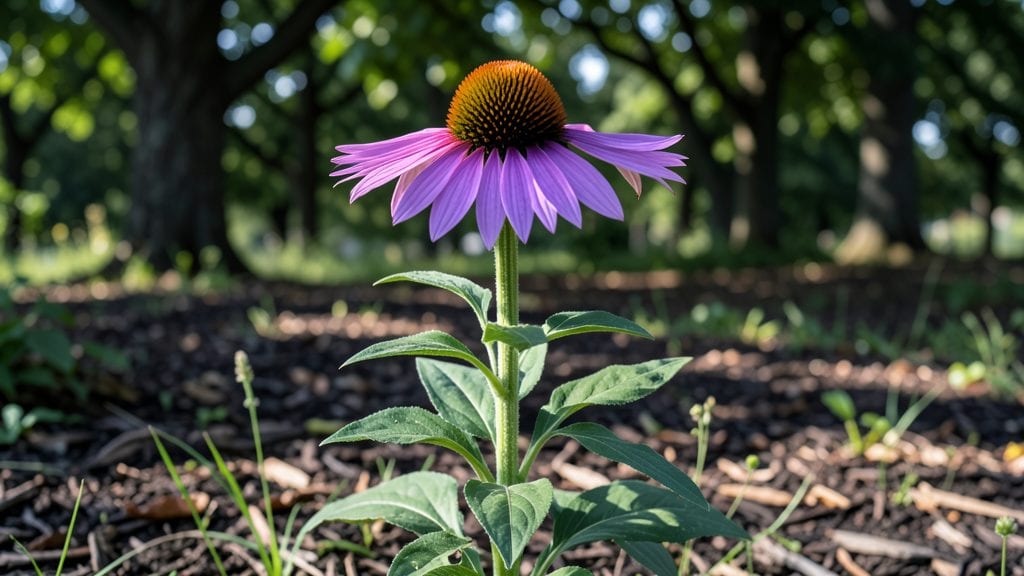
Planting perennial flowers in Zone 5 means your garden can burst into color every spring without annual replanting—just give them the right start. I remember the first time I saw my peonies return after a harsh winter, their buds already swelling in March.
That’s the magic of perennials: they come back stronger each year with proper care.
The key is choosing varieties that handle Zone 5’s 20-30°F winters and hot summers, like coneflowers, black-eyed Susans, and Russian sage. These tough plants thrive with full sun to partial shade and well-draining soil.
Once established, they’re drought-tolerant, saving you time and water. My garden’s late-summer blooms always draw neighbors who ask, “What’s your secret?”
You’ll end up with a garden that needs less work but delivers more beauty—think velvety purple salvias, golden coreopsis, and the classic romance of peonies. The best part? By year three, your perennials will spread and multiply, giving you free plants to share or replant.
Winter care is simple: a 3-inch layer of mulch keeps roots snug until spring.
This approach works for small borders, cottage gardens, or pollinator patches—no matter your space. Let’s get those roots established so you can enjoy years of effortless blooms. The first frost won’t scare you anymore.
📚 In This Guide
- What you need
- Instructions
- Tips and common mistakes
- Wrapping up and next steps
What you need
- ● Perennial flowers: Choose cold-hardy varieties like coneflowers, black-eyed Susans, daylilies, or purple coneflower (check labels for Zone 5 suitability). Pro tip: Aim for 3–5 plants per variety for a balanced look!
- ● Well-draining soil: Mix 1 part compost with 2 parts native soil (or use pre-mixed garden soil). 💡 Test soil pH—most perennials prefer 6.0–7.0.
- ● Organic mulch: 2–3 inches of shredded bark, straw, or wood chips to retain moisture and insulate roots.
- ● Watering can or hose: With a gentle spray nozzle to avoid disturbing soil.
- ● Gloves & knee pads: For comfort during planting.
- ● Hand trowel: For precise planting (6–8" length ideal).
- ● Garden fork: To loosen compacted soil before planting.
- ● Measuring tape: For spacing plants 12–24" apart (check plant tags!).
- ● Pruners: Sharp, bypass-style for trimming dead foliage.
- ○ Optional: Soil moisture meter (to track watering needs) or landscape fabric (to suppress weeds).
- ● Sunlight assessment: 6+ hours/day for most perennials (adjust for shade-lovers like hostas).
- ● Frost-free window: Monitor last frost date (typically mid-May in Zone 5) for planting timing.
- ● Patience! Perennials may take 1–2 years to reach full bloom. 🌸
How to design a low-maintenance perennial flower garden for Zone 5
Zone 5’s harsh winters and short growing season demand smart perennial choices—but the right plants reward you with years of color and resilience.
Select Cold-Hardy Perennials for Year-Round Interest
Focus on plants that thrive in Zone 5’s -20°F to -30°F winters and deliver seasonal blooms. Coneflowers (Echinacea), black-eyed Susans (Rudbeckia), and Russian sage (Perovskia) are top performers—they return reliably after winter dormancy with minimal care. For early spring color, include hellebores (Helleborus) and bleeding hearts (Dicentra).
I always check the USDA Plant Hardiness Zone map for exact matches, but a good rule of thumb is to pick natives or cultivars labeled "Zone 3-7"—they’ll handle Zone 5’s extremes. Avoid tropical perennials like cannas or dahlias unless you dig them up before frost. Group plants by bloom time (early, mid, late season) to ensure continuous color from May through October.
Prepare the Soil for Winter Resilience
Zone 5’s heavy clay or rocky soil needs improvement to support deep-rooted perennials. Amend the soil with 3-4 inches of compost mixed into the top 12 inches of soil. This boosts organic matter, which insulates roots during freeze-thaw cycles. I use a broadfork to loosen compacted soil without disturbing the root zone of existing plants.
Test your soil’s pH—most perennials prefer 6.0-7.0. If your soil is acidic, add pelletized lime in early fall; if alkaline, work in sulfur in spring. Avoid synthetic fertilizers in the first year; perennials establish better with slow-release organic matter like well-aged manure or worm castings.
Plant in Late Summer or Early Fall for Strong Root Establishment
Fall planting gives roots time to establish before winter’s first freeze. Choose a cool, overcast day to reduce transplant shock. Dig holes twice as wide as the root ball but only as deep—planting too deep suffocates roots. Space perennials 18-24 inches apart (check tags for mature size) to allow airflow and reduce disease risk.
Water deeply after planting to settle soil around roots, then mulch with 2-3 inches of shredded bark or straw. This protects roots from temperature swings and retains moisture. I avoid thick mulch layers—too much can smother plants in spring. Mark plant locations with biodegradable stakes to avoid disturbing roots when spring planting begins.
Mulch and Water Strategically for Winter Survival
In Zone 5, mulch is non-negotiable. Apply 3 inches of organic mulch (like shredded leaves or straw) in late fall after the ground freezes. This acts as insulation, preventing roots from heaving out of the soil during freeze-thaw cycles. Remove mulch in early spring to allow soil to warm and prevent fungal diseases.
Water perennials deeply once a month during the dormant season (November-March) if rainfall is less than 1 inch per week. This prevents desiccation from winter winds. In early spring, resume watering when soil 2 inches deep feels dry—this signals roots are ready to grow. Avoid overhead watering in late fall to reduce winter rot risks.
Prune and Feed for Next Year’s Blooms
Prune back dead foliage in early spring (March-April) before new growth appears. Cut stems back to 1-2 inches above the ground for most perennials, but leave seed heads on plants like coneflowers for winter interest and wildlife. I use clean, sharp shears to avoid tearing stems—this prevents disease entry points.
Fertilize lightly in early spring with a balanced 10-10-10 or low-nitrogen 5-10-10 formula. Perennials don’t need heavy feeding—they store energy in roots. Side-dress with 1 inch of compost around the base in late spring for a slow-release boost. Monitor for pests like slugs or aphids; a soapy water spray usually resolves early-season issues.
Tips & tricks for perfect year-round perennial gardens in Zone 5
A few key strategies will help you create a thriving perennial garden that survives Zone 5's winters and rewards you with stunning blooms for years to come.
Plant Selection Wisdom: When choosing perennials in Step 1, prioritize those labeled "Zone 3-7" for maximum cold hardiness. I've found that native plants like coneflowers and black-eyed Susans not only survive but thrive in Zone 5's -20°F to -30°F winters. For extra insurance, select varieties with fuzzy or hairy leaves—these natural adaptations provide additional protection against winter winds and frost. Look for plants with deep root systems like Russian sage, as they're better equipped to handle freeze-thaw cycles.
Soil Preparation Strategy: In Step 2, don't skip the soil amendment process—those 3-4 inches of compost mixed into the top 12 inches of soil create a thermal blanket for roots during winter. For clay-heavy soils, I add a handful of perlite to improve drainage while maintaining moisture retention. When testing soil pH, aim for the sweet spot of 6.0-7.0—this range supports the beneficial microbes that help perennials establish strong root systems before winter sets in.
Planting Timing Secret: The fall planting window in Step 3 is crucial—roots need 6-8 weeks of cool weather to establish before winter dormancy. I always plant on an overcast day to reduce transplant shock, and I water deeply right after planting to eliminate air pockets around roots. For container-grown plants, gently loosen the root ball before planting to encourage outward root growth into your prepared soil.
Winter Care Tips: In Step 4, that 3-inch layer of organic mulch is your best defense against winter damage. I recommend using straw over leaves—it breaks down more slowly and provides consistent insulation. For newly planted perennials, add an extra inch of mulch to give them that critical winter protection. And remember, mulch removal in early spring is just as important as application—it prevents fungal diseases that thrive in damp, cold conditions.
Pro Tips for Perennial Flowers Zone 5
- A few key strategies will help you create a thriving perennial garden that survives Zone 5's winters and rewards you with stunning blooms for years to come.
- Plant Selection Wisdom: When choosing perennials in Step 1, prioritize those labeled "Zone 3-7" for maximum cold hardiness.
- Soil Preparation Strategy: In Step 2, don't skip the soil amendment process—those 3-4 inches of compost mixed into the top 12 inches of soil create a thermal blanket for roots during winter.
Frequently asked questions
Got questions about growing perennial flowers in Zone 5? You’re not alone! Here are answers to the most common concerns—from planting tips to winter survival hacks.
What are the easiest perennials for beginners in Zone 5?
Start with coneflowers, black-eyed Susans, or daylilies—they’re tough, low-maintenance, and bloom reliably. Hostas and sedum are also great for shade and drought tolerance. These perennials handle Zone 5’s cold snaps like pros!
Do perennials in Zone 5 die in winter?
Nope! Perennials go dormant but survive underground. Their roots stay protected by mulch (2–3 inches) and snow. Come spring, they bounce back stronger. Just avoid cutting back foliage until late winter—it insulates roots!
When is the best time to plant perennials in Zone 5?
Plant in early spring (April–May) or early fall (September–October) for best results. Spring gives roots time to establish before summer heat, while fall planting avoids drought stress. Avoid planting in extreme heat or freezing temps.
How do I protect perennials from harsh Zone 5 winters?
Mulch heavily with straw, leaves, or shredded bark (3+ inches) after the ground freezes. For tender perennials, add a lightweight frost blanket or burlap wrap. Avoid over-mulching—too much can suffocate roots.
What if my perennials don’t bloom in Zone 5?
Check for deadheading spent blooms (removes spent flowers), proper sunlight (most need 6+ hours/day), and balanced fertilizer (low-nitrogen, high-phosphorus in spring). Overcrowding or poor drainage can also stunt blooms—space plants 12–24 inches apart!
Wrapping up and next steps
Choosing the right perennial flowers for Zone 5 means embracing resilience, color, and low-maintenance beauty that keeps your garden thriving season after season. 🌸 From hardy coneflowers to fragrant peonies, these plants prove that cold climates can be just as vibrant—and rewarding—as warmer regions.
With the right prep, soil care, and a little patience, you’ll soon enjoy a garden that’s as tough as it is stunning.
Ready to transform your outdoor space? Start small—pick one or two perennials to test this year, then expand as you gain confidence. Happy planting! 🌱