Flowers
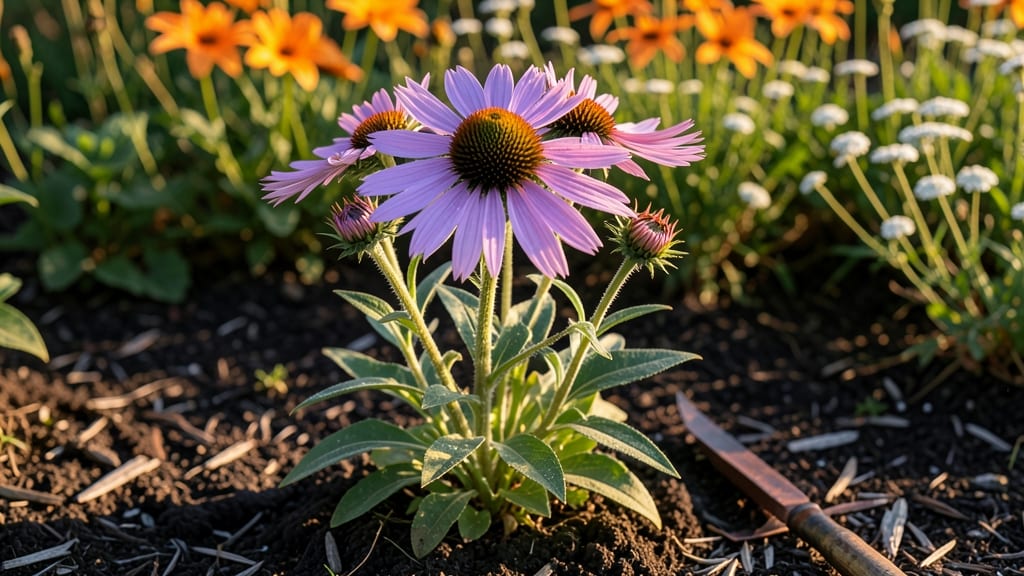
Wildflower growth in the Pacific Northwest isn’t just about pretty blooms—it’s about creating a thriving ecosystem that hums with life from spring to fall. 🌸 The key starts with choosing native perennials like Oregon sunshine, yarrow, or checkermallow, which not only survive our wet winters and dry summers but also attract bees, butterflies, and hummingbirds like magnets.
These tough, resilient plants return year after year, turning your space into a pollinator paradise without the fuss of annuals.
You’ll need minimal tools: a rake for roughing up soil, a hoe for clearing weeds, and maybe a sprinkler for the first few weeks.
Native wildflowers thrive in poor soil and need far less water than lawns or ornamentals—once established, they’ll outcompete weeds and handle our region’s unpredictable weather like champions. The real secret? Planting in full sun and letting the soil stay slightly dry after germination.
By late summer, you’ll have a meadow bursting with color and movement, where every bloom supports local wildlife. The best part? Once the roots take hold, maintenance drops to near zero—just deadhead spent flowers in fall to keep the show going next year.
This isn’t just gardening; it’s rewilding your corner of the PNW.
Whether you’re sowing seeds in spring or transplanting starts in early fall, the timing matters less than the species you choose. Coastal gardens lean toward moisture-loving flowers like lupines, while inland spots shine with drought-tolerant varieties like blanket flower.
Let’s get your wildflower patch started the right way—no guesswork, just guaranteed results for pollinators and your peace of mind.
📚 In This Guide
- What you need
- Instructions
- Tips and common mistakes
- Wrapping up and next steps
What you need
- ● Wildflower seeds: Choose Pacific Northwest-native perennials like Lupinus (lupine), Eschscholzia californica (California poppy), Achillea (yarrow), or Camassia leichtlinii (great camas). Buy 1–2 lbs per 100 sq ft for a lush meadow.
- ● Well-draining soil: Native soil or a mix of 60% topsoil, 30% compost, and 10% coarse sand (critical for PNW’s wet winters!).
- ● Sunlight: 6+ hours of direct sun daily (most wildflowers thrive here!).
- ● Water source: Hose or drip irrigation for deep watering 1–2x/week during establishment (first 3 months).
- ● Garden fork or broadfork: For aerating soil 6–12 inches deep (avoids compaction!).
- ● Rake: Bow rake to smooth seedbeds and remove debris.
- ○ Seed spreader: Hand-crank or drop spreader for even distribution (optional but highly recommended!).
- ● Mulch (straw or wood chips): 1–2 inches thick to retain moisture and suppress weeds.
- ● Native plant fertilizer: Low-phosphorus, high-nitrogen blend (e.g., fish emulsion) for early growth.
- ● Bird/bee-friendly rocks: Flat stones to create microhabitats for pollinators.
- ● Wildflower seed mix: Pre-mixed PNW blends (e.g., “Meadow Mix”) for convenience.
- ● Erosion control fabric: Temporary biodegradable netting for slopes.
Step-by-step guide to establishing a thriving wildflower meadow
Here’s how to create a low-maintenance, vibrant wildflower display that thrives year after year.
🌱 Step 1: Select and Prepare Your Site
Choose a sunny location with at least 6 hours of direct sunlight daily—wildflowers need full sun to flourish. Avoid low-lying areas where water pools, as soggy soil will stunt growth. I like to mark the space with stakes before clearing, so I don’t accidentally dig up the wrong spot. Remove existing vegetation by hand or with a hoe, being careful not to disturb the soil too deeply—wildflowers prefer loose, aerated earth.
Test your soil’s drainage by digging a 6-inch hole and filling it with water. If it drains within an hour, your site is ready. If not, amend the soil with 2-3 inches of compost or sand to improve drainage. This step ensures roots won’t suffocate, which is critical for perennials that need to establish deep systems.
🌿 Step 2: Choose the Right Wildflower Mix
For the Pacific Northwest, opt for a native perennial mix—these varieties are drought-tolerant, low-maintenance, and support local pollinators. Look for seeds labeled for your specific region, like lupine, yarrow, or blanket flower, which thrive in our climate. I always check the seed packet for hardiness zones to avoid plants that won’t survive winters here.
Sow seeds in early spring or late summer when soil temperatures are 50-70°F. Scatter seeds evenly over the prepared area, then lightly rake them into the top ¼ inch of soil. Press gently with your hand or a board to ensure good seed-to-soil contact—this prevents seeds from washing away during rain. Avoid burying them too deep, as most wildflowers need light to germinate.
💧 Step 3: Water and Maintain Through Establishment
Keep the soil consistently moist for the first 4-6 weeks—this is when seeds germinate and young plants develop roots. Water deeply 2-3 times per week, aiming for ½ inch of water per session. You’ll know you’re doing it right when the top inch of soil feels damp but not soggy. Once seedlings appear, reduce watering to once a week unless there’s no rain.
Resist the urge to thin seedlings—wildflowers thrive in dense clusters. Instead, let them grow naturally and mow back any aggressive weeds that compete for space. After the first year, your meadow will need minimal care, but I always mow back spent blooms in late fall to keep the area tidy and encourage new growth in spring.
☀️ Step 4: Encourage Long-Term Growth and Pollinator Support
By the second year, your wildflower meadow should be self-sustaining, but a few tweaks ensure it stays vibrant. Leave seed heads on some plants over winter—they provide food for birds and help reseed naturally. I also avoid fertilizing, as wildflowers prefer lean soil. If your meadow looks sparse, add a light layer of compost in early spring to boost nutrients without overwhelming the plants.
To attract more pollinators, include a mix of early, mid, and late-season bloomers like columbine, penstemon, and goldenrod. These flowers provide nectar and pollen from spring through fall, creating a buzzing ecosystem. Step back and enjoy the results—your meadow will reward you with color and life for years with almost no effort.
Tips & tricks for perfect wildflower meadow establishment
A few key tricks will help your Pacific Northwest wildflower meadow thrive from the very first season.
Sunlight Strategy: That 6 hours of daily sunlight is non-negotiable for most wildflowers, but here's the thing—morning sun is actually more important than afternoon. I've found that areas with morning sun and afternoon shade still work beautifully, especially for shade-tolerant varieties like columbine or foxglove. Just avoid deep shade areas completely, as they'll struggle to establish.
Soil Prep Secret: When amending with 2-3 inches of compost, I recommend mixing in a handful of perlite or coarse sand too. This creates tiny air pockets that help roots breathe, especially important for our region's often dense, clay-heavy soils. Think of it as giving your wildflowers a spa treatment—they'll reward you with stronger growth.
Timing Tip: The 4-6 week watering window is critical, but don't panic if you miss a week here or there. What matters most is keeping that top inch of soil consistently damp. I use a simple rain gauge to track my watering—when it reads less than ½ inch since my last watering, that's my cue to water again. This method prevents overwatering while ensuring your seeds get enough moisture to germinate.
Long-Term Maintenance: That late fall mow-back is your secret weapon for next year's blooms. I like to time it just after the first hard frost when plants have gone dormant. This removes dead growth while leaving seed heads for winter birds. Pro tip: Use a string trimmer for edges—it's faster and creates cleaner lines than a mower.
Pro Tips for Wild Flower Growth
- A few key tricks will help your Pacific Northwest wildflower meadow thrive from the very first season.
- Sunlight Strategy: That 6 hours of daily sunlight is non-negotiable for most wildflowers, but here's the thing—morning sun is actually more important than afternoon.
- Soil Prep Secret: When amending with 2-3 inches of compost, I recommend mixing in a handful of perlite or coarse sand too.
Frequently asked questions
Got questions about growing wildflowers in the Pacific Northwest?
You’re not alone! Here are some of the most common queries—and straightforward answers—to help you cultivate a thriving, low-maintenance meadow.
When is the best time to plant wildflower seeds in the PNW?
The ideal window is late summer to early fall (August–October). This timing lets seeds establish roots before winter, giving them a head start in spring. For spring planting (March–April), use a seed starter to protect tender sprouts from frost.
How much water do wildflowers really need?
Once established, most PNW wildflowers are drought-tolerant! Water deeply once a week for the first month after planting, then reduce to every 2–3 weeks. Overwatering can drown seeds or encourage weeds—let nature take over after the initial phase.
Can I grow wildflowers in partial shade?
Opt for shade-tolerant species like blue-eyed grass, sword ferns, or Pacific coast iris. Avoid full-shade spots (like under dense trees), but dappled sunlight works beautifully. Test your site: if sunlight hits for 4+ hours/day, you’re golden.
Will wildflowers attract pests like bees or rodents?
Bees? Yes—and that’s a good thing! Wildflowers support pollinators. Rodents? Rarely a problem unless you’re planting near dense seed caches. If squirrels nibble, try deer-resistant mixes (e.g., lupine or yarrow) or scatter seeds in larger areas to deter digging.
How do I keep weeds from overtaking my wildflower patch?
Weeds thrive where wildflowers struggle. Prevent them early by:
- Using mulch (straw or wood chips) to block light.
- Hand-pulling weeds before they seed (gloves help!).
- Choosing competitive wildflowers (e.g., checker mallow) that outcompete invaders.
What if my wildflowers don’t bloom the first year?
Don’t panic! Many perennials (like lupine or penstemon) focus on root growth first. Second-year blooms are often the most spectacular. Thin seedlings in spring to reduce competition, and ensure your soil has good drainage—PNW’s wet winters can smother roots.
Wrapping up and next steps
Cultivating wildflower growth in the Pacific Northwest isn’t just about adding beauty—it’s about embracing resilience, sustainability, and biodiversity right in your backyard. 🌿 From selecting the right perennials to mastering soil prep and seasonal care, these steps unlock a thriving, low-maintenance ecosystem that thrives year after year.
Whether you're a beginner or a seasoned gardener, the key is patience and observation—let nature guide you!
Ready to transform your space? Start small: pick one sunny patch this spring, gather your supplies, and plant a mix of native perennials. Before you know it, your garden will buzz with life, colors, and wildflower magic. Happy growing!