Flowers
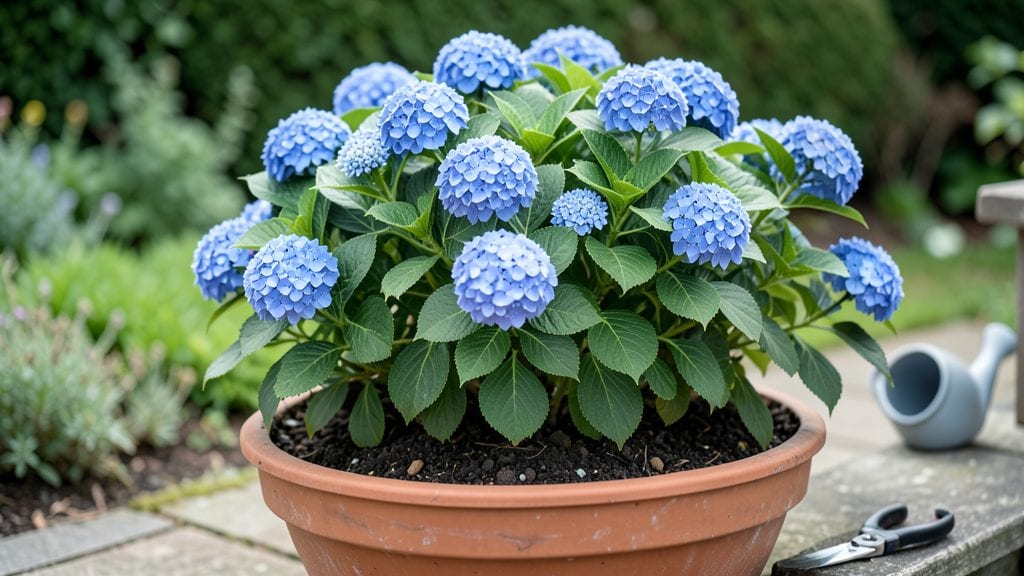
Can you grow those stunning blue hydrangeas flowers from seed in the Pacific Northwest? It’s possible—and easier than you think. 🌿 I’ve grown these frost-hardy beauties for years, and their deep blue blooms transform any garden into a cool-toned masterpiece.
The secret lies in the right soil acidity, consistent moisture, and knowing when to prune.
You’ll need well-draining soil with a pH between 5.0 and 5.5—that’s the magic for blue flowers—and a spot with morning sun and afternoon shade to prevent wilting. Watering is simple: keep the soil moist but not soggy, especially during the first growing season.
Pruning in late winter or early spring keeps them bushy and encourages vibrant blooms.
By summer, you’ll have lush clusters of true blue flowers that last all season, even through our damp Pacific Northwest summers. These hydrangeas thrive in zones 5-9, making them perfect for coastal gardens, rain gardens, or even container pots on patios.
The best part? They bounce back after frost, so winter won’t ruin your progress.
Ready to add a splash of cool color to your garden? Let’s break down the steps—from seed to stunning blooms—so you can enjoy these frost-resistant beauties year after year. The key is patience, but the payoff is worth it.
📚 In This Guide
- What you need
- Instructions
- Tips and common mistakes
- Wrapping up and next steps
What you need
- ● Hydrangea seeds: Hydrangea macrophylla or Hydrangea serrata (blue-flowering varieties). Purchase from a reputable seed supplier (e.g., blank">Baker Creek Heirloom Seeds or blank">Seeds Trust). Quantity: 10–20 seeds (germination rates vary).
- ● Seed-starting mix: Lightweight, sterile potting soil (e.g., blank">ProMix or blank">FoxFarm Seedling Mix). Quantity: 1 small tray (1020-cell) or 2–3 4-inch pots.
- ● Grow lights or sunny windowsill: Seeds need 12–16 hours of light daily. A blank">full-spectrum LED grow light (e.g., blank">Spectrum 900) works best.
- ● Spray bottle: For gentle watering (avoid over-saturating soil).
- ● Plastic wrap or humidity dome: To retain moisture during germination.
- ○ Heat mat (optional but helpful): Maintains soil temp at 70–75°F (21–24°C) for faster germination (e.g., blank">Vivosun Heat Mat).
- ● Fertilizer: blank">Fish emulsion or blank">seaweed extract (diluted to half-strength) for young seedlings.
- ● Transplant containers: 4–6 inch pots with drainage holes for seedlings.
- ● Outdoor garden space: Partial shade to full sun (morning sun, afternoon shade ideal). Soil should be acidic (pH 5.0–6.0)—test with a blank">soil pH kit.
- ● Mulch: Pine bark or compost to retain moisture and acidify soil.
- ● Seed scarification tools: Sandpaper or a knife to nick seeds (boosts germination for some varieties).
- ● Grow tent: For controlled humidity and light if starting indoors.
- ● Aluminum sulfate: To lower soil pH if needed (follow package instructions).
- ● Epsom salt (magnesium sulfate): 1 tbsp per gallon of water for blue blooms (apply monthly).
- ● Pest control: blank">Neem oil or blank">insecticidal soap for aphids/slugs.
- ● Garden journal: Track seedling progress, watering, and fertilizer dates!
Step-by-step guide to growing blue hydrangeas from seed in the Pacific Northwest
Here's how to cultivate frost-hardy blue hydrangeas from seed with a method proven in cool, wet climates.
🌱 Step 1: Stratify Seeds for Successful Germination
Blue hydrangeas (Hydrangea macrophylla 'Nikko Blue') require cold stratification to break dormancy. Place seeds in a sealed plastic bag with slightly damp peat moss and refrigerate for 8-12 weeks. Check weekly—they should feel moist but not soggy. This mimics winter's natural chilling period and dramatically improves germination rates.
I like to label the bag with the date and variety. After 8 weeks, transfer the bag to a warm spot (65-70°F) for 2-3 weeks to simulate spring warming. You'll see tiny roots emerge first—this is your cue to move to soil. Don't rush this step; proper stratification prevents seed rot and ensures strong seedlings.
🪴 Step 2: Prepare Containers and Sow Stratified Seeds
Use 4-inch diameter pots filled with a sterile seed-starting mix (never garden soil—it's too dense). Hydrangea seeds are tiny, so I sow 3-4 seeds per pot at a depth of just ¼ inch. Cover lightly with a fine layer of mix—don't press down, or you'll bury them too deep. Label each pot with the variety and date.
Mist the surface gently until evenly moist. Place pots in a humidity dome or cover with plastic wrap to retain moisture. Keep them in bright, indirect light (a north-facing window works well) at 60-65°F. Germination takes 4-8 weeks, so patience is key. You'll notice first true leaves appear as small, rounded shapes—this confirms successful sprouting.
☀️ Step 3: Provide Gradual Light and Temperature Adjustments
Once seedlings show first true leaves, remove the humidity dome and move them to bright, indirect light for 2 weeks. After this acclimation, introduce 4-6 hours of morning sun daily to harden stems. Hydrangeas are shade-tolerant but need gradual light exposure to prevent leggy growth.
When seedlings reach 3-4 inches tall, transplant them into individual 6-inch pots with a well-draining potting mix (equal parts peat moss, perlite, and compost). Keep soil consistently moist but never soggy—hydrangeas hate wet feet. Fertilize lightly with a balanced 10-10-10 formula at half strength to encourage root development.
⏰ Step 4: Harden Off and Prepare for Outdoor Planting
6-8 weeks before your last frost date, begin hardening off seedlings. Place them outside in a sheltered, shaded spot for 1-2 hours the first day, gradually increasing time over 2 weeks. This prepares them for Pacific Northwest's cool, damp climate. Watch for wilting or yellowing leaves—these are signs they're not ready yet.
Transplant outdoors after all danger of frost has passed, choosing a location with partial shade (especially in hot afternoons). Space plants 3-4 feet apart to allow for mature growth. Mulch heavily with 3-4 inches of organic mulch to retain moisture and protect roots from winter frost. Blue hydrangeas thrive in zones 5-9, making them ideal for the PNW's climate.
💧 Step 5: Maintain Soil Moisture and Fertility for Blue Blooms
Water deeply 2-3 times per week, ensuring the top 2 inches of soil stay moist—hydrangeas are thirsty plants. For blue flowers, maintain soil pH between 5.0-5.5 (use a soil test kit to monitor). If your soil is alkaline, amend with sulfur or peat moss to acidify it gradually. You'll see vibrant blue blooms develop best in these conditions.
Fertilize monthly during spring and summer with a hydrangea-specific fertilizer high in phosphorus. Prune in late winter (before new growth starts) to remove dead wood and shape the plant. Avoid heavy pruning—hydrangeas bloom on old wood, so you'll sacrifice next year's flowers if you cut too aggressively.
Tips & tricks for growing Pacific Northwest frost-resistant blue hydrangeas
These essential strategies will help you navigate the unique challenges of growing blue hydrangeas from seed in the Pacific Northwest's cool, wet climate.
Stratification Timing: The 8-12 week cold stratification period is non-negotiable for breaking hydrangea seed dormancy. I recommend starting this process in late summer or early fall so your seeds complete the cold treatment naturally as winter approaches. If you begin in summer, use a refrigerator to simulate winter conditions. Remember, the 8-week minimum is crucial—any less time significantly reduces germination rates.
Light Exposure Mastery: During the critical 2 weeks of gradual light adjustment (Step 3), position your seedlings where they receive bright, indirect light for most of the day. A north-facing window works perfectly, but avoid direct afternoon sun which can scorch tender seedlings. After the 2-week acclimation, those 4-6 hours of morning sun become essential for strengthening stems without causing stress. The key is gradual exposure—think of it like sunbathing after winter hibernation!
Harden Off Strategically: When beginning the hardening off process 6-8 weeks before your last frost date, pay close attention to the 1-2 hour daily increments. The Pacific Northwest's unpredictable weather means you might need to adjust this timeline. If you notice wilting or yellowing leaves, it's a clear sign your seedlings aren't ready for more exposure. I've found that starting with just 1 hour on day one and increasing by 30 minutes every 2-3 days works best for our climate.
Soil pH Management: Maintaining that crucial pH range of 5.0-5.5 for blue blooms requires consistent monitoring. If your soil test reveals a pH above 6.0, don't panic—hydrangeas can tolerate up to 6.5, but you'll sacrifice vibrant blue color. For true blue blooms, amend with sulfur or peat moss gradually over several months. I've seen dramatic color changes within just a few weeks of proper pH adjustment!
Pro Tips for Blue Hydrangeas Flowers
- These essential strategies will help you navigate the unique challenges of growing blue hydrangeas from seed in the Pacific Northwest's cool, wet climate.
- Stratification Timing: The 8-12 week cold stratification period is non-negotiable for breaking hydrangea seed dormancy.
- Light Exposure Mastery: During the critical 2 weeks of gradual light adjustment (Step 3), position your seedlings where they receive bright, indirect light for most of the day.
Frequently asked questions
Got questions about growing stunning blue hydrangeas in the Pacific Northwest? You’re not alone! Here are answers to the most common queries—from soil secrets to frost survival tips.
Why aren’t my hydrangeas turning blue?
Blue hydrangeas (like Hydrangea macrophylla) need acidic soil (pH 5.0–5.5) and aluminum to bloom blue. Test your soil—if it’s alkaline, amend with sulfur, peat moss, or coffee grounds. Check your pH here for step-by-step guidance!
Are blue hydrangeas frost-resistant in the PNW?
Yes! Most Pacific Northwest-hardy varieties (like ‘Nikko Blue’ or ‘Endless Summer’) tolerate zones 4–9. Mulch heavily in winter (3–4 inches of straw or wood chips) to protect roots. Young plants may need burlap wraps in harsh freezes.
How long does it take for hydrangea seeds to bloom?
Patience is key! From seed, expect 3–5 years before blooms appear. For faster results, buy established plants (1–2 years old) from PNW nurseries. Pro tip: Start seeds indoors 10–12 weeks before last frost for a head start!
Can I grow blue hydrangeas in containers?
Choose large pots (15+ gallons) with drainage holes and use acidic potting mix. Container-grown hydrangeas dry out faster—water deeply 2–3x/week and fertilize monthly with hydrangea-specific food. Bonus: Move pots to partial shade in summer to prevent leaf scorch.
What pests or diseases should I watch for in the PNW?
Common issues include:
- Slugs/snails: Use beer traps or diatomaceous earth.
- Powdery mildew: Improve airflow; spray with neem oil.
- Aphids: Blast off with water or use insecticidal soap.
Quick Troubleshooting Table
| Problem | Solution |
|---|---|
| Yellow leaves | Check for overwatering or nutrient deficiency (add iron or chelated fertilizer). |
| No blooms | Prune last year’s stems in late winter or adjust soil pH. |
| Drooping flowers | Water at soil level (not leaves) and stake tall varieties. |
Wrapping up and next steps
Growing blue hydrangeas in the Pacific Northwest isn’t just possible—it’s a rewarding journey that brings vibrant color to your garden year after year! 🌿 With the right soil, patience, and care, you’ll soon enjoy those stunning frost-resistant blooms.
Now that you’re armed with all the tips and tricks, why not plant your seeds or cuttings today? Whether you’re a seasoned gardener or just starting out, every step you take brings you closer to a breathtaking blue hydrangea display. Happy gardening!