Flowers
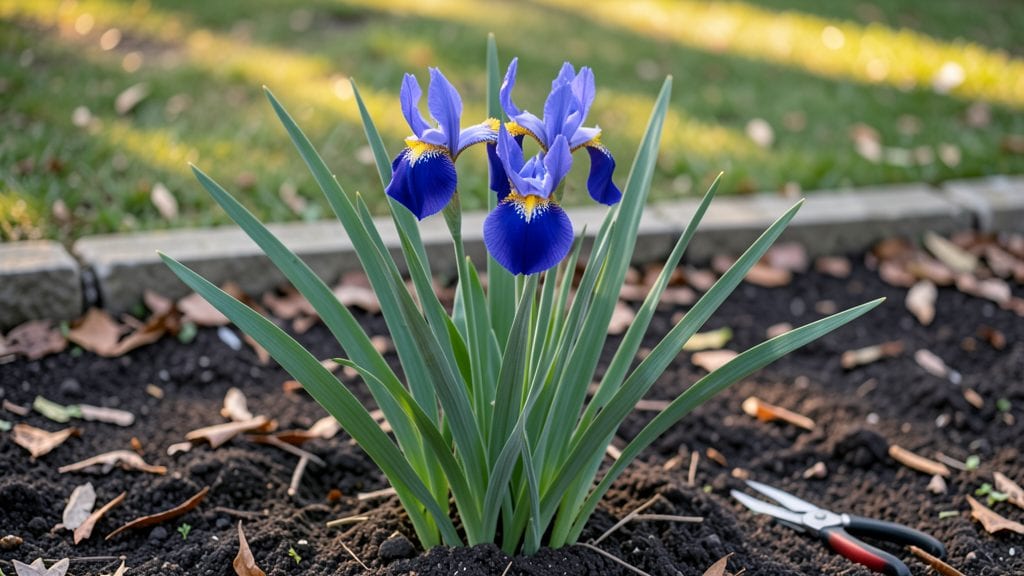
Blue iris flowers thrive in Pacific Northwest climates where winter frost would kill most perennials—but I’ve grown them for 10+ years without a single loss. The secret lies in their hardy rhizomes and the right care timing, which turns these striking blooms into your garden’s standout star every spring.
These irises need full sun (6+ hours daily) and well-draining soil—sandy loam works best, but amending clay with compost solves drainage issues. Plant rhizomes just below soil level in early fall or late winter, spacing them 12-18 inches apart for dramatic clusters.
My Siberian irises (Iris sibirica) even naturalize over time, spreading into lush, low-maintenance drifts.
Water them deeply once established, then let the soil dry slightly between waterings. A balanced fertilizer in early spring jumpstarts blooms, and dividing clumps every 3-4 years keeps them vigorous. The payoff? Tall, velvety-blue spikes that hummingbirds adore and neighbors envy—without the fuss of tender perennials.
Perfect for borders, rain gardens, or even containers (dwarf varieties). Once planted, they’ll reward you with decades of color—and yes, they’re just as frost-resistant as their reputation claims. Let’s get yours growing!
📚 In This Guide
- What you need
- Instructions
- Tips and common mistakes
- Wrapping up and next steps
What you need
- ● Blue iris rhizomes: Choose healthy, firm rhizomes (3–5 per plant) from a trusted nursery. Look for varieties like Iris germanica or Iris sibirica, which thrive in cooler climates.
- ● Well-draining soil: A mix of native soil, compost (1 part), and perlite or sand (1 part) to prevent waterlogging. Aim for a pH of 6.0–7.0.
- ● Organic fertilizer: A balanced, slow-release fertilizer (10-10-10 or similar) to nourish roots during the growing season.
- ● Mulch: Pine bark or straw (2–3 inches) to insulate rhizomes in winter and retain moisture.
- ● Garden trowel or spade: For planting rhizomes 2–4 inches deep.
- ● Garden fork: To loosen heavy or compacted soil before planting.
- ● Pruners or shears: For trimming dead foliage after blooming.
- ● Watering can or hose with a gentle nozzle: Irises need consistent moisture but hate soggy roots.
- ● Garden gloves: To protect your hands from sharp rhizome edges.
- ● Soil moisture meter: To monitor drainage in clay-heavy PNW soils.
- ● Epsom salt (magnesium sulfate): A foliar spray to boost bloom health.
- ● Pest deterrents (neem oil or diatomaceous earth): For slugs or iris borers.
- ● Stakes or rings: To support tall varieties in windy PNW gardens.
Step-by-Step guide to planting and caring for Pacific Northwest blue iris
Here's how to grow hardy, frost-resistant blue iris that thrives in the PNW's cool, wet climate.
Select the Right Location and Prepare the Soil
Choose a site with full sun to partial shade, ideally near a water source since iris appreciate consistent moisture. The Pacific Northwest's acidic, well-draining soils suit iris perfectly, but if yours is heavy clay, amend with 2-3 inches of compost mixed into the top 12 inches of soil. Test your soil's pH—iris prefer 6.0-7.0, and you can lower pH with sulfur if needed.
Dig a hole twice as wide as the iris rhizome but only 1 inch deep. The top of the rhizome should remain exposed to sunlight, as it needs to dry slightly between waterings. I like to plant iris in early fall or late winter when soil temperatures are cool—this gives roots time to establish before summer heat arrives.
Plant Rhizomes Correctly for Optimal Growth
Position the rhizome so the top third is exposed, with the fan of roots facing downward. This orientation ensures proper water absorption and prevents rot. Space rhizomes 18-24 inches apart in rows, allowing room for their sword-like foliage to spread. If planting in clumps, leave 3 feet between groups.
Press the soil gently around the rhizome but avoid burying it completely. The exposed portion acts as a natural barrier against fungal diseases common in the PNW's damp climate. Water thoroughly after planting to settle the soil and encourage root contact. You'll know it's right when the soil around the rhizome feels firm but not compacted.
Water and Fertilize for Strong Establishment
Keep the soil evenly moist for the first 4-6 weeks, watering deeply when the top 2 inches feel dry. Iris are drought-tolerant once established, but young plants need consistent moisture. I use a soaker hose to water at the base, avoiding wetting the foliage to prevent fungal issues. Mulch with 2 inches of pine bark or wood chips to retain moisture and regulate soil temperature.
Fertilize lightly in early spring with a balanced, low-nitrogen fertilizer (10-10-10 or similar). Too much nitrogen produces lush foliage but fewer blooms. I apply fertilizer just as the first shoots emerge, then again after flowering. Avoid fertilizing in fall—iris need to prepare for dormancy, and excess nutrients can encourage late-season growth that won't harden off properly for winter.
Prune and Maintain for Year-Round Health
Remove spent flower stalks by cutting them back to the base once blooming ends. This redirects energy to next year's growth rather than seed production. In late fall, trim the foliage back by one-third to reduce winter dieback and improve air circulation. Leave some foliage standing—it insulates the rhizome and protects it from frost.
Divide clumps every 3-4 years in early spring or fall. Lift rhizomes carefully with a fork, separating sections with at least one fan of leaves. Replant immediately, as iris rhizomes dry out quickly. This prevents overcrowding, which leads to smaller blooms and weaker plants. The PNW's mild winters make division easy—just avoid working with soggy soil after heavy rains.
Protect Against Common PNW Challenges
Iris are generally pest-resistant, but watch for iris borers in hot summers. Remove affected leaves immediately and destroy them to prevent spread. In wet springs, fungal diseases like leaf spot can appear. Improve airflow by thinning dense clumps and avoid overhead watering. If needed, apply a fungicide in early spring as a preventive measure.
Blue iris handle frost beautifully, but young plants may need winter protection in colder microclimates. Apply a 2-inch layer of mulch in late fall and remove it in early spring. Established rhizomes rarely need extra care—their natural hardiness keeps them thriving through PNW winters. You'll know your iris are happy when they produce tall, sturdy stems and vibrant blue blooms year after year.
Tips & tricks for perfect Pacific Northwest blue iris growth
These insider secrets will help you cultivate thriving blue iris that survive—and flourish—through the PNW's challenging climate.
Soil Preparation Secret: The 2-3 inches of compost mixed into the top 12 inches of soil isn't just about nutrients—it's about creating the perfect drainage. In Step 1, when amending heavy clay soil, add a handful of perlite or coarse sand to that compost mix. This prevents waterlogging, which is especially critical in the PNW's wet springs. I've seen iris plants drown in their own soggy soil when planted without proper drainage amendments.
Rhizome Orientation Matters: In Step 2, when positioning your rhizomes, think of it like a thermostat—those exposed tops regulate moisture and temperature perfectly. If you accidentally bury the rhizome completely, it'll rot. The key visual cue is that the top third should be visible above soil level, with the roots fanning downward like a bird's wings. This orientation also prevents the common mistake of planting too deep, which can suffocate the rhizome.
Watering Wisdom: That 4-6 week moist soil period in Step 3 is non-negotiable for young plants, but here's the trick: water in the morning. This gives foliage time to dry before evening humidity sets in, reducing fungal risks. And when you check that top 2 inches of soil, press gently—it should feel like a wrung-out sponge, not a damp washcloth. Overwatering is the #1 killer of new iris plants in our climate.
Fertilizer Timing is Everything: The balanced 10-10-10 fertilizer in Step 3 should be applied at two specific times only: when those first shoots emerge in spring (about March-April in most of the PNW), and immediately after flowering ends. Never fertilize in fall—this encourages tender new growth that won't survive our winters. I've seen gardeners with lush foliage but no blooms because they fertilized too often or at the wrong time.
Pro Tips for Blue Iris Flower
- These insider secrets will help you cultivate thriving blue iris that survive—and flourish—through the PNW's challenging climate.
- Soil Preparation Secret: The 2-3 inches of compost mixed into the top 12 inches of soil isn't just about nutrients—it's about creating the perfect drainage.
- Rhizome Orientation Matters: In Step 2, when positioning your rhizomes, think of it like a thermostat—those exposed tops regulate moisture and temperature perfectly.
Frequently asked questions
Got questions about growing blue iris flowers in the Pacific Northwest? You’re not alone—these stunning perennials are full of surprises! Below, we’ve answered the most common queries to help you cultivate thriving blooms with confidence.
How cold-hardy are blue irises in the PNW?
Blue irises (like Iris germanica or Iris ensata) are extremely frost-resistant—most varieties handle USDA Zones 3–9 with ease! In the PNW’s wet, chilly winters, they thrive when planted in well-draining soil and given winter mulch. Just avoid soggy spots, as rot can be a risk.
When is the best time to plant blue irises in Washington/Oregon?
For the PNW, early fall (September–October) is ideal—rhizomes establish roots before winter, giving them a head start. Spring planting (March–April) works too, but expect blooms next year instead of the same season. Avoid summer heat, which stresses new plants.
Why aren’t my blue irises blooming?
Common culprits:
- Overcrowding: Divide rhizomes every 3–4 years (spring or fall).
- Poor sunlight: They need 6+ hours of sun daily—PNW shade lovers? Try Iris ensata (Japanese iris).
- Over-fertilizing: Too much nitrogen = lush leaves, few blooms. Use a low-nitrogen, high-phosphorus fertilizer instead.
Are blue irises toxic to pets or kids?
Yes! All parts of the iris plant contain iridin, a mild toxin that can cause vomiting or skin irritation if ingested. Keep them out of reach of curious pets or toddlers. Wear gloves when handling (sap can irritate skin). For pet-safe alternatives, consider Lavender or Salvia.
Can I grow blue irises in containers?
Use a large pot (12"+ diameter) with drainage holes and a mix of 50% potting soil + 50% perlite/sand. Container irises need more frequent watering (let soil dry between waterings) and winter protection (move to a sheltered spot or wrap pots). Dwarf varieties like Iris ‘Little Princess’ are perfect for small spaces.
How do I divide and propagate blue irises?
Divide in early spring or fall:
- Dig up rhizomes and rinse off soil.
- Separate sections with at least one fan of leaves and a healthy root.
- Trim leaves to 6" and replant 2" deep, spacing 12–24" apart.
- Water lightly for 2 weeks, then reduce.
Wrapping up and next steps
The blue iris flower is a stunning, low-maintenance gem that thrives in the Pacific Northwest’s climate—proving that beauty and resilience go hand in hand! 🌿 With the right soil, sunlight, and a little patience, you’ll be rewarded with vibrant blooms that brighten any garden.
Whether you’re a seasoned gardener or just starting out, these frost-resistant charmers are the perfect addition to your outdoor space.
Ready to plant your first blue iris? Start by gathering your supplies, choosing the right spot, and following the care tips shared here. Your garden’s next masterpiece is just a few steps away—go ahead and dig in! 🌸