Flowers
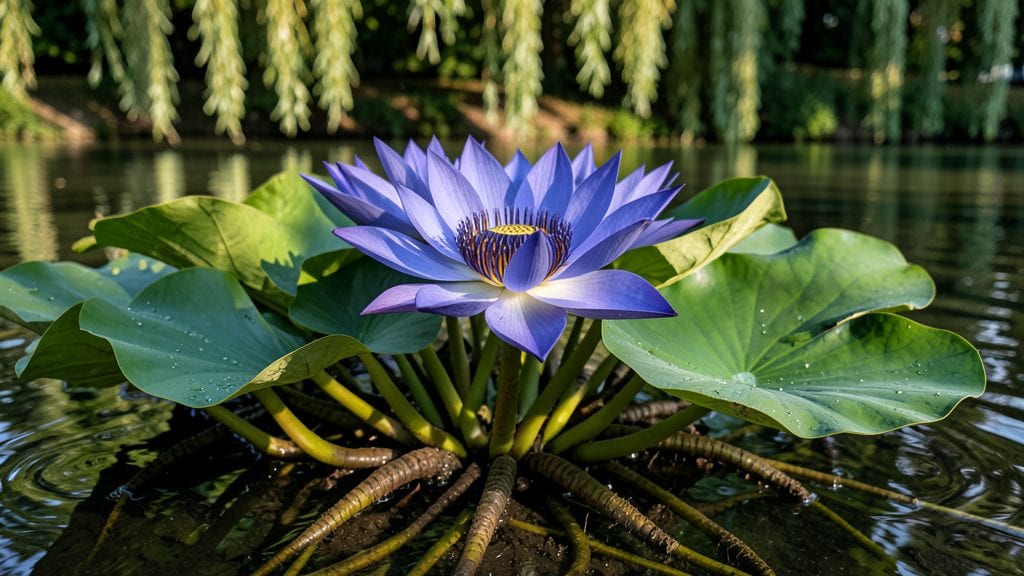
Growing a blue lotus flower in the Pacific Northwest is like bringing a slice of Egypt to your pond—its deep blue blooms and velvety petals are worth every challenge. 🌿 I’ve nurtured mine through our damp summers and chilly winters, and the secret isn’t just patience—it’s mimicking its natural tropical humidity without drowning it.
The key? A balance of still water, rich soil, and just enough shade to keep it thriving where other lotuses would struggle.
This isn’t your average water lily. The blue lotus (Nymphaea caerulea) demands 3–6 inches of water depth and soil that’s equal parts organic matter and clay to anchor its rhizomes.
Sunlight needs shift with the seasons—full sun in summer, partial shade in winter—but the real magic happens when you replicate its native Mediterranean climate.
Even in our rainy region, a humidity tray or pebble-filled tray beneath the pot can make all the difference, preventing the wilting that plagues so many gardeners.
By late summer, you’ll be rewarded with vibrant blue blooms that open at dawn and close by noon, their scent lingering like a secret. The rhizomes multiply over time, creating a self-sustaining colony, and the plant’s drought tolerance means it handles our occasional dry spells better than most.
Plus, its historical uses—from ancient Egyptian rituals to modern herbal remedies—add a layer of intrigue that turns gardening into storytelling.
Whether you’re a seasoned water gardener or a curious beginner, this lotus adapts surprisingly well to our climate with the right care. The trickiest part? Avoiding slugs and yellowing leaves by keeping the water clean and the soil slightly acidic.
But once it’s established, it’s nearly impossible to kill—and the payoff is blooms that feel like a tropical vacation in your own backyard.
📚 In This Guide
- What you need
- Instructions
- Tips and common mistakes
- Wrapping up and next steps
What you need
- ● Blue lotus tubers (Nelumbo nucifera): 3–5 healthy, firm tubers (size: 2–4 inches in diameter). Look for ones with visible "eyes" (growth nodes). Pro tip: Choose organic or heirloom varieties for better adaptability!
- ○ Large containers or pond trays: 2–3 containers (18–24 inches deep, 12+ inches wide) with drainage holes. Optional: A small koi pond or water garden setup for a natural look.
- ● High-quality aquatic soil or potting mix: 1–2 bags of a blend designed for water plants (e.g., 50% peat moss, 30% perlite, 20% compost). DIY hack: Mix garden soil with coconut coir for better moisture retention.
- ● Water source: A garden hose with a gentle spray nozzle or a submersible pump (for containers). Note: Use dechlorinated water (let tap water sit for 24 hours or use a water conditioner).
- ● Garden trowel or small shovel: For planting tubers gently.
- ● Gloves: Heavy-duty gardening gloves (lotus tubers can be slippery!).
- ● Thermometer: A soil/water thermometer to monitor temps (ideal range: 70–85°F for tubers). PNW tip: Use a greenhouse or cold frame in early spring!
- ● Floating row covers or plastic wrap: To create a mini greenhouse effect during cooler months (remove once sprouts appear).
- ● Fertilizer: Balanced liquid fertilizer (e.g., 10-10-10) for early growth.
- ● Organic aquatic plant fertilizer (e.g., fish emulsion) for blooming season.
- ○ Mulch (optional): Straw or shredded leaves to insulate tubers in winter (if growing outdoors).
- ● Portable grow lights: LED grow bulbs (12–14 hours/day) to supplement sunlight during cloudy stretches.
- ● Insulated pond liner: If using a container, add a layer of foam insulation to retain warmth.
- ○ Heat mat (optional): A small, low-wattage heat mat (70°F setting) for tubers during germination.
Step-by-Step instructions for growing blue lotus in Pacific Northwest conditions
Here's how to create the perfect tropical haven for blue lotus—even in our cooler, damp climate.
🪴 Step 1: Select the Right Container and Soil Mix
Blue lotus thrives in 6-8 gallon containers with drainage holes—these plants hate soggy roots. I use unglazed clay pots because they breathe and help regulate moisture. Fill the bottom third with pebbles or coarse sand to create a drainage layer that prevents waterlogging.
For soil, blend 2 parts peat moss with 1 part perlite and 1 part coconut coir. This lightweight mix mimics the waterlogged but airy conditions of their natural habitat. Avoid garden soil—it compacts and suffocates roots. Pre-moisten the mix until it feels like a wrung-out sponge, not dripping.
☀️ Step 2: Position for Maximum Humidity and Indirect Light
Blue lotus needs bright, indirect light—think filtered sunlight through sheer curtains. A south-facing window with afternoon shade works best in the PNW. If growing outdoors, place in a sheltered spot that gets morning sun but afternoon shade, especially during summer when temperatures can spike.
Here's the thing—humidity is everything. Place your container on a tray filled with 1-2 inches of pebbles and water. As the water evaporates, it creates a microclimate with 60-80% humidity, just like their tropical home. Mist the leaves daily with room-temperature water to maintain that tropical feel.
💧 Step 3: Establish a Consistent Watering Routine
Blue lotus loves water but despises soggy roots. Water when the top 1-2 inches of soil feel dry to touch. I check this by sticking my finger in—if it comes out clean, it's time to water. Use lukewarm, dechlorinated water (let tap water sit out for 24 hours first) to prevent shock.
During summer, you'll water every 2-3 days. In cooler months, stretch it to 4-5 days. Always water until it drains freely from the bottom. Empty the saucer after 10 minutes to prevent root rot—this is where most growers go wrong.
🌿 Step 4: Fertilize Lightly During Growing Season
Feed your blue lotus once a month during spring and summer with a balanced liquid fertilizer (10-10-10) diluted to half strength. Over-fertilizing burns delicate roots. I mix mine in with the watering can and apply it in the morning so the plant can absorb nutrients before the heat of day.
In fall and winter, cut back to every 8-10 weeks. Blue lotus goes semi-dormant in cooler months, so it needs less food. Watch the leaves—if they yellow between feedings, that's your signal to reduce fertilizer. Always water thoroughly after feeding to prevent salt buildup in the soil.
✂️ Step 5: Prune and Encourage Blooming
Deadhead spent blooms by snipping the stem 1 inch above the next leaf node. This redirects energy to new growth and encourages more flowers. I do this every morning after checking for new buds—it's like giving your plant a little nudge to keep producing.
If stems grow leggy, trim them back by one-third to encourage bushier growth. Do this in early spring before new growth begins. Never prune in winter—blue lotus needs all its energy to survive our cooler months. After pruning, give the plant a light feeding to support recovery.
Tips & tricks for perfect blue lotus flower cultivation
Creating that perfect tropical microclimate for blue lotus in the Pacific Northwest takes a few key strategies—here's what I've learned the hard way.
Container Selection: In Step 1, I can't stress enough how crucial those drainage holes are. If you're using a decorative pot without holes, drill them yourself or use a cache pot system where the outer pot has drainage. I've seen too many growers skip this and end up with root rot. Also, unglazed clay pots work best because they allow moisture to evaporate through the sides, mimicking the plant's natural habitat.
Soil Mix Secret: When blending your soil mix in Step 1, don't skip the pre-moistening step. That "wrung-out sponge" texture is crucial—it gives your blue lotus the airy, waterlogged conditions it craves without drowning the roots. Pro tip: Add a handful of aquarium gravel to your mix for extra drainage if you're in particularly rainy PNW weather.
Humidity Hack: For Step 2, I've found that doubling up on humidity tricks works wonders. Place your pebble tray under the pot AND add a small humidifier nearby for those dry winter months. You can also group your blue lotus with other tropical plants to create a shared humid microclimate. The goal is to maintain that 60-80% humidity range consistently—especially important when our PNW winters bring dry indoor air.
Watering Wisdom: That 24-hour dechlorination time in Step 3 is non-negotiable. I've ruined multiple batches by using tap water straight from the faucet—the chlorine can burn those delicate roots. Also, consider investing in a moisture meter to check that top 1-2 inches of soil. Blue lotus is particular about its moisture balance—too dry and it wilts, too wet and it rots.
Pro Tips for Blue Lotus Flower
- Creating that perfect tropical microclimate for blue lotus in the Pacific Northwest takes a few key strategies—here's what I've learned the hard way.
- Container Selection: In Step 1, I can't stress enough how crucial those drainage holes are.
- Soil Mix Secret: When blending your soil mix in Step 1, don't skip the pre-moistening step.
Frequently asked questions
Got questions about growing the stunning blue lotus flower in your Pacific Northwest garden? You’re not alone! Here are some of the most common queries—and their answers—to help you navigate this tropical beauty’s quirks.
Can I grow a blue lotus flower outdoors in the PNW?
The short answer? Not reliably. Blue lotus (Nymphaea caerulea) thrives in tropical climates (USDA Zones 9-12) with year-round warmth and humidity. In the PNW (Zones 7-9), grow it as a container plant and overwinter indoors or in a greenhouse. If you’re set on outdoor growth, opt for hardier water lilies like Nymphaea ‘Helvola’ (yellow) or N. ‘James Brydon’ (pink).
How long does it take for a blue lotus to bloom?
Patience is key! Under ideal conditions, blue lotus plants can take 2–5 years to produce their first blooms. Factors like water temperature (75–85°F), sunlight (6+ hours/day), and nutrient-rich soil accelerate growth. In cooler PNW summers, blooms may be sporadic—expect 1–2 flowers per plant per season once mature.
What’s the best way to keep my blue lotus water clean?
Stagnant water = algae, pests, and rot. Here’s how to keep your pond pristine:
- Partial water changes: Replace 10–20% weekly to remove debris.
- Add a small fountain or aerator to improve oxygen flow.
- Use barley straw or beneficial bacteria (like Microbe-Lift) to prevent algae.
- Avoid overfeeding—blue lotus needs low-nitrogen fertilizer (e.g., 5-5-5) to prevent murky water.
My blue lotus leaves are yellowing—what’s wrong?
Yellow leaves usually signal nutrient deficiency, poor water quality, or stress. Check these fixes:
- Light issue: Move to a sunnier spot (or supplement with grow lights).
- Root health: Gently inspect roots for rot (trim mushy areas with sterilized scissors).
- Fertilizer: Switch to a water-soluble bloom booster (like 10-30-20) every 4–6 weeks.
- Water temp: Keep water above 65°F—cooler temps slow growth.
Are there PNW-friendly alternatives to blue lotus?
If the blue lotus seems too finicky, try these hardy, humidity-loving water plants for PNW gardens:
Plant
Bloom Color
Zone Hardiness
Care Level
Nymphaea ‘Pygmaea Helvola’ (Dwarf Yellow Water Lily)
Golden yellow
3–9
Easy
Nuphar lutea (Yellow Pond Lily)
Yellow-brown
3–11
Very easy
Lotus ‘Americanus’ (Hardy Water Lotus)
Pink/white
4–9
Moderate
Houttuynia cordata (Golden Thread Plant)
Yellow-green
5–9
Easy (bog/moist soil)
For a blue hue, try Iris versicolor (blue flag iris) in moist soil or Lobelia cardinalis (cardinal flower) near water edges.
Wrapping up and next steps
The blue lotus flower may seem like a tropical dream, but with the right techniques—like mimicking its native humidity and warmth—you can grow it even in the Pacific Northwest! 🌿 By focusing on well-draining soil, consistent moisture, and smart seasonal adjustments, you’ll unlock its stunning blooms. Don’t let challenges discourage you—every gardener starts somewhere, and your blue lotus garden could be the next stunning talk of the neighborhood.
Ready to take the next step? Start small with a single plant, experiment with care tips, and soon, you’ll be sharing your tropical oasis with pride. Happy growing! 🌸