Flowers
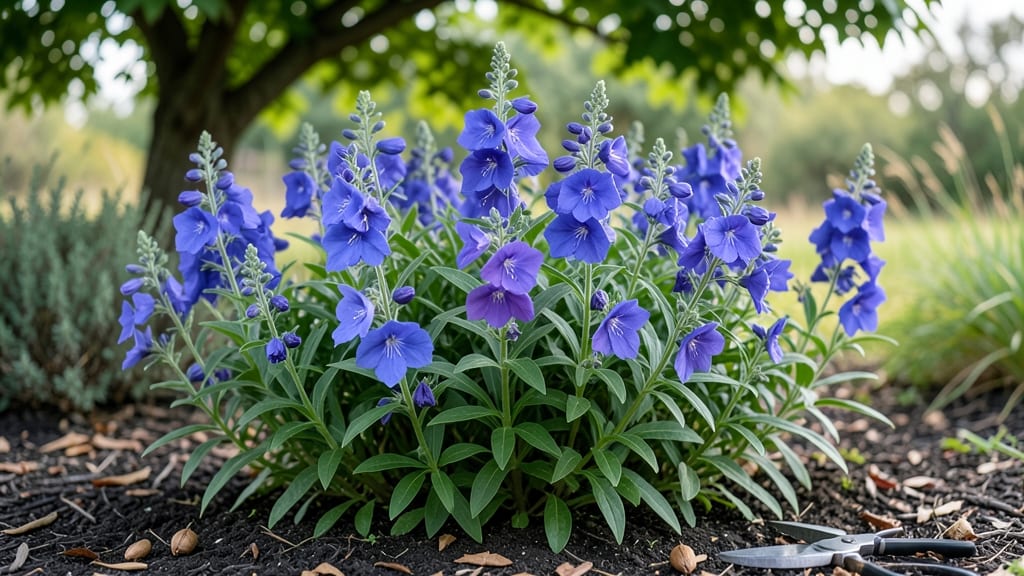
Blue phlox flowers turn your Pacific Northwest garden into a hummingbird magnet with their sky-blue blooms that last from summer through fall. 🌿 The second I planted mine three years ago, I knew they’d be the star—how could anything so vibrant not steal the show?
Their delicate petals and clusters of tiny blossoms create a soft, airy curtain that hummingbirds can’t resist, especially when paired with other pollinator favorites.
These flowers thrive in partial shade, making them perfect for understory plantings, woodland gardens, or even as a border along walkways where their height (18–36 inches) adds vertical interest.
The key to their visual impact is spacing: plant them in loose drifts of 3–5 plants rather than tight rows, so their blooms spill naturally. Mix them with ferns, astilbes, or white columbines for a dreamy, cottage-garden effect that keeps color going until frost.
You’ll love how they bring life to containers too—just pair them with trailing lobelia or purple heuchera for a striking blue-and-purple combo that pops in pots. Their long stems make them excellent cut flowers, lasting up to a week in a vase with a spritz of floral preservative.
Plus, they’re low-maintenance: deadhead spent blooms to encourage more flowers, and they’ll reward you with season-long color with minimal effort.
For extra drama, try planting them near a water feature or along a fence where hummingbirds can swoop in for easy feeding. In my own garden, they’ve become the backbone of my pollinator-friendly zone, drawing in bees and butterflies alongside the hummingbirds.
The best part? They multiply over time, creating more color with each passing year—nature’s way of saying, “Keep it simple, and let beauty take care of itself.”
📚 In This Guide
- What you need
- Instructions
- Tips and common mistakes
- Wrapping up and next steps
What you need
- ● Blue phlox plants or seeds: Choose Phlox paniculata (garden phlox) for tall, showy blooms or Phlox subulata (creeping phlox) for ground cover. Opt for blue or purple varieties like ‘Blue Paradise,’ ‘David,’ or ‘Sherwood Purple.’
- ● Quantity: 3–5 plants per 10 sq ft for full coverage (or 10–20 seeds per sq ft if starting from seed).
- ● Well-draining potting mix: 1–2 bags (1.5–2 cubic feet each) for containers or in-ground planting. Mix with compost (50%) for nutrient-rich soil.
- ● Organic fertilizer: 10-10-10 or a slow-release bloom booster (e.g., Osmocote 14-14-14). Use 1–2 tbsp per plant at planting and mid-season.
- ● Mulch: 2–3 inches of pine bark or shredded leaves to retain moisture and suppress weeds.
- ● Gardening gloves (1 pair) – Protect your hands from thorns (especially in Phlox paniculata).
- ● Trowel or hand shovel – For planting seeds or small transplants.
- ○ Garden fork – Loosen soil in garden beds (optional but helpful for drainage).
- ● Watering can or hose with a gentle spray nozzle – Phlox prefers consistent moisture but hates soggy roots.
- ● Pruning shears – Trim dead blooms to encourage season-long flowers.
- ○ Stakes or cages (optional) – Tall varieties (like ‘Blue Paradise’) may need support in windy areas.
- ● Sunlight: Full sun (6+ hours/day) for optimal blooms. Partial shade (4–6 hours) works in hot climates.
- ● Hardiness zone: Plant in Zones 3–8. Blue phlox thrives in the Pacific Northwest’s cool, moist climate!
- ● Spacing: Phlox paniculata: 18–24 inches apart.
- ● Phlox subulata: 12–18 inches apart.
- ● Hummingbird-friendly location: Place near feeders or other nectar plants (e.g., bee balm, columbine) for a buzzing garden!
- ● Hummingbird feeder – Place 3–5 feet away from phlox to attract pollinators.
- ● Slow-release watering system (e.g., drip irrigation) – Keeps soil evenly moist with minimal effort.
- ● Epsom salt (1 tbsp per gallon of water) – Boosts magnesium for brighter blooms (apply monthly).
- ● Companion plants: Pair with salvia, lavender, or Russian sage for a low-maintenance pollinator garden.
Step-by-Step guide to planting and maintaining blue phlox flowers
Here's how to create a vibrant Pacific Northwest garden that hummingbirds will adore all season.
🌱 Step 1: Choose the Perfect Location for Your Blue Phlox
Blue phlox thrives in partial shade to full sun—ideal for Pacific Northwest gardens where afternoon shade protects delicate blooms. I always select a spot with morning sun and afternoon dappled light, especially in hotter microclimates. The soil should drain well, but phlox tolerates moist conditions better than many flowers.
Test your spot by digging a small hole—if water pools after 30 minutes, amend the soil with 2-3 inches of compost to improve drainage. Blue phlox also loves slightly acidic soil, so a sprinkle of sulfur-based fertilizer (if your soil tests high pH) gives them that perfect Northwest-friendly environment.
🪴 Step 2: Plant Blue Phlox at the Right Depth and Spacing
Dig holes twice as wide as the root ball but only as deep as the container's base. This prevents burying the crown too deeply, which can cause rot. Gently loosen the roots if they're circling in the container—phlox hates being root-bound when planted.
Space plants 18-24 inches apart for full, lush blooms. I like to arrange them in odd-numbered clusters of 3 or 5 for natural, hummingbird-friendly groupings. Water deeply right after planting to settle the soil and eliminate air pockets around the roots.
☀️ Step 3: Water and Feed for Continuous Blooms
Keep the soil consistently moist but never soggy—blue phlox wilt quickly if drought-stressed. Water 1-2 inches per week, more during dry spells. I check moisture by sticking my finger 2 inches deep; if it feels dry, that's your watering cue.
Feed with a balanced, slow-release fertilizer (like 10-10-10) at planting time, then again in mid-summer. Deadhead spent blooms regularly—this encourages season-long flowering and keeps the plant focused on producing more vibrant blue flowers instead of seeds.
✂️ Step 4: Prune and Protect for Long-Term Health
After the first flush of blooms fades, cut back one-third of the plant to promote a second round of flowers. I do this in early July, just as the blooms start to wilt. This also prevents the plant from getting leggy and flopping over.
In late fall, trim back half the plant to 4-6 inches tall. This prevents disease buildup in old growth and keeps the crown healthy for next year. Mulch with 2-3 inches of shredded bark to protect roots from winter freeze-thaw cycles.
🌿 Step 5: Encourage Hummingbirds and Extend the Season
Blue phlox is a hummingbird magnet—plant near seating areas or pathways so you can watch them feed. I like to add native companion plants like salmonberry or Oregon grape to create a full Northwest pollinator ecosystem.
For even longer blooms, plant early, mid, and late-season varieties together. This ensures continuous color from June through September, giving hummingbirds a reliable food source as they migrate through the Pacific Northwest.
Tips & tricks for perfect blue phlox flowers
A few simple tricks will help you create a thriving Pacific Northwest garden that hummingbirds will flock to all season long.
The Soil Test Trick: That 30-minute water test in Step 1 is your secret weapon. If water pools after this time, you're dealing with poor drainage, which can rot phlox roots. I always add 2-3 inches of compost and a handful of coarse sand to the hole before planting—this creates the perfect balance between moisture retention and drainage that blue phlox loves. For extra insurance, mix in a bit of perlite to keep roots happy in our rainy climate.
Root Loosening Technique: When you plant in Step 2, gently tease apart any circling roots with your fingers—don't cut them. This mimics how roots would naturally spread in the wild. I've seen phlox plants that were planted with tightly bound roots struggle to establish, while those with loosened roots thrived and bloomed more vigorously. Think of it as giving your plants a head start on their garden adventure!
Deadheading Strategy: The key to continuous blooms isn't just removing spent flowers in Step 3—it's timing. I always deadhead in the morning when the blooms are still fresh. Use clean, sharp pruners to cut just above a set of healthy leaves. This encourages new growth and keeps your phlox looking its best. Plus, those removed blooms make wonderful cut flowers for your home!
Winter Protection Hack: That 2-3 inches of mulch in late fall isn't just for looks—it's a lifesaver for your phlox. I like to add a layer of shredded cedar bark because it not only insulates roots but also repels pests that might otherwise overwinter in the garden. This simple step has kept my phlox thriving through even our coldest winters.
Pro Tips for Blue Phlox Flowers
- A few simple tricks will help you create a thriving Pacific Northwest garden that hummingbirds will flock to all season long.
- The Soil Test Trick: That 30-minute water test in Step 1 is your secret weapon.
- Root Loosening Technique: When you plant in Step 2, gently tease apart any circling roots with your fingers—don't cut them.
Frequently asked questions
Got questions about growing and enjoying blue phlox flowers? You’re in the right place! Here are some of the most common queries from gardeners and hummingbird lovers alike.
When is the best time to plant blue phlox?
For Phlox divaricata (wild blue phlox), plant in early spring or fall when soil temperatures are cool (50–60°F). Garden phlox (Phlox paniculata) thrives when planted in late spring after the last frost. Avoid transplanting during extreme heat or cold to reduce stress on roots.
Do blue phlox flowers attract hummingbirds?
Blue phlox is a top hummingbird magnet in the Pacific Northwest. Their tubular blooms are perfect for long beaks, and the nectar-rich flowers provide fuel for migrating birds. Plant in sunny to partially shaded spots near feeders for maximum visits.
How do I keep blue phlox blooming all season?
Deadhead spent blooms regularly to encourage continuous flowering. Use balanced fertilizer (10-10-10) in early spring and mid-summer. Water deeply but avoid soggy soil—phlox hates root rot. Mulch with organic matter (like compost) to retain moisture and protect roots.
Why aren’t my blue phlox flowers opening?
Several factors could be at play:
- Too much shade: Phlox needs 4–6 hours of sunlight daily.
- Overcrowding: Thin plants if they’re too close together.
- Nutrient deficiency: Add phosphorus-rich fertilizer (like bone meal) to boost blooms.
- Pests/disease: Check for aphids or powdery mildew (treat with neem oil or fungicide).
What are some great alternatives to blue phlox?
If you love hummingbird-friendly, blue blooms, try these PNW-friendly swaps:
Flower
Color
Bloom Time
Delphinium (Larkspur)
Blue, purple
Summer–fall
Salvia (Sage)
Blue, violet
Spring–fall
Lobelia
Blue, white
Summer–frost
All three are low-maintenance and hummingbird approved!
Wrapping up and next steps
Blue phlox flowers aren’t just a Pacific Northwest treasure—they’re a hummingbird magnet and a season-long burst of color that brightens any garden.
Whether you’re drawn to their delicate blooms, their low-maintenance charm, or their ability to support local wildlife, these flowers prove that beauty and function go hand in hand. 🌸
Ready to transform your garden? Start small—plant a few Phlox divaricata or Phlox douglasii this spring, and watch your space thrive with vibrant hues and buzzing visitors. Happy gardening! 🌿