
Flowers
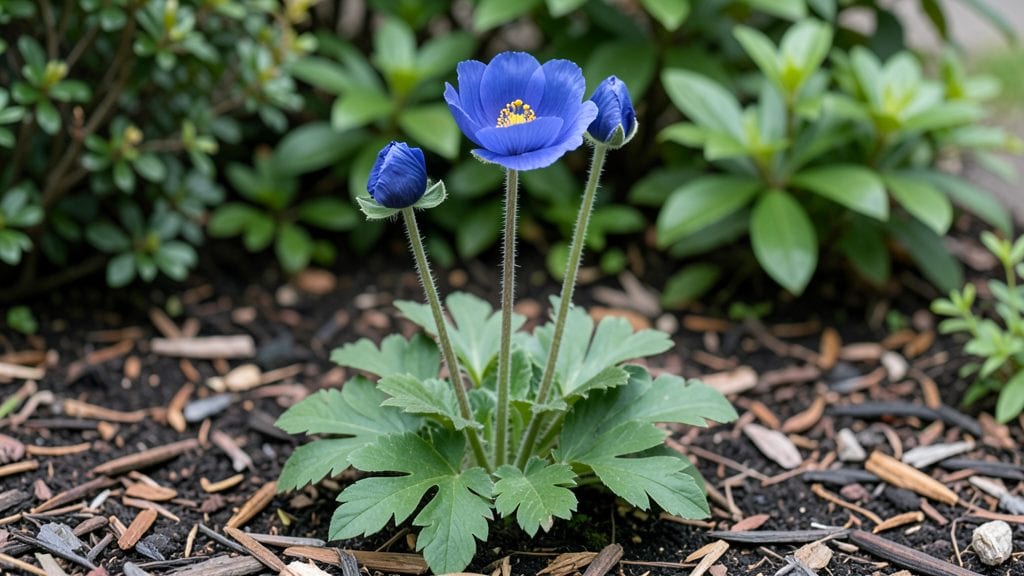
The blue poppies flowers—those ethereal, cobalt-blue blooms—are the Pacific Northwest’s secret weapon for summer gardens that feel like a dream. 🌿 I first fell for them in a misty Seattle garden where they stood out against lush greenery, their delicate petals catching... the light like scattered sapphires.
These aren’t just flowers; they’re a statement, a splash of cool elegance that thrives even after late frosts, making them perfect for gardeners who love drama without the fuss.
The magic of blue poppies lies in how they pair effortlessly with other plants. Try them alongside silver foliage like lamb’s ears or dusty miller for a striking contrast, or nestle them near deep purples like salvia or irises to create a jewel-toned border.
In containers, they shine when mixed with trailing plants like lobelia or sweet alyssum, adding height and a cascading effect that’s impossible to ignore. Their airy stems also work beautifully in loose, wild-style arrangements for a garden that feels both structured and free.
What you’ll end up with is a garden that feels like it belongs in a storybook—cool blues against rich greens, soft petals swaying in the breeze, and that quiet satisfaction of knowing these flowers can handle the region’s unpredictable weather.
The best part? They bloom just when summer’s heat starts to settle in, giving you weeks of effortless beauty without the high-maintenance upkeep of tropical plants. Let’s talk about how to make them the star of your space.
Whether you’re designing a cottage-style border, a modern container garden, or a wildflower meadow, blue poppies adapt beautifully. They work in full sun or light shade, making them versatile enough for almost any spot in your yard.
The key is giving them well-draining soil and a little space to stretch their legs—once they’re happy, they’ll reward you with blooms that turn heads and conversations.
📚 In This Guide
- What you need
- Instructions
- Tips and common mistakes
- Wrapping up and next steps
What you need
- ● Seeds or seedlings: 10–20 Meconopsis betonicifolia or Meconopsis cambrica seeds (blue poppy varieties)
- ● OR 3–5 nursery-grown seedlings (hardier for PNW climates)
- ● Well-draining soil: 50% peat moss or coco coir (for moisture retention)
- ● 30% perlite or pumice (for aeration)
- ● 20% compost (for nutrients)
- ● Containers or garden bed: 6–8 inch pots (for seedlings, 3–5 per pot)
- ● Partial shade spot (dappled sunlight, 4–6 hours/day)
- ○ Elevated beds (optional, to prevent waterlogging)
- ● Watering tools: Spray bottle (for seedlings)
- ● Watering can with rose nozzle (gentle watering)
- ● Fertilizer: Balanced 10-10-10 fertilizer (1 tsp per pot or sq. ft.)
- ○ Slow-release granules (optional, for long-term growth)
- ● Mulch: Pine needles or shredded bark (1–2 inches) to retain moisture and deter weeds.
- ● Cold frame or cloche: For seedlings in early spring (PNW’s chilly starts!).
- ● Pest deterrents: Neem oil or diatomaceous earth (if slugs or snails appear).
- ● Support stakes: Tall varieties may need bamboo stakes (3–4 ft) for windy PNW days.
Step-by-Step guide to growing Pacific Northwest frost-resistant blue poppies
Here’s how to cultivate these stunning blue blooms that thrive in cool climates and bring summer drama to your garden.
🌱 Step 1: Choose the Right Location and Soil
Blue poppies (Meconopsis cambrica) love cool, moist conditions—perfect for the Pacific Northwest. Pick a spot with partial shade (morning sun, afternoon shade) to prevent scorching. I always test the soil first: these flowers hate soggy roots but need consistent moisture, so aim for well-draining, slightly acidic soil (pH 6.0-7.0). Amend heavy clay with compost or peat moss to improve aeration.
If your soil drains poorly, raise beds slightly or plant in containers with drainage holes. I’ve seen blue poppies wilt in compacted soil, so take the time to loosen the top 12 inches of ground. A little extra effort here means fewer wilting stems later.
🌿 Step 2: Plant Seeds or Transplants at the Right Time
Sow seeds indoors 8-10 weeks before your last frost (around February-March in the PNW) for early blooms. Press seeds lightly into moist seed-starting mix—they need light to germinate, so don’t bury them. Cover with a humidity dome and keep soil at 60-65°F until sprouts appear (2-3 weeks).
For transplants, wait until late spring (after frost risk passes) to move them outdoors. Harden off seedlings by placing them outside for 1-2 hours daily for 7-10 days before full transition. I always plant mine in clumps of 3-5—they self-seed poorly, so grouping ensures a fuller look.
☀️ Step 3: Water and Fertilize for Strong Growth
Blue poppies need consistent moisture but hate soggy feet. Water deeply 1-2 times weekly, aiming for 1 inch of water per week. Let the top 1-2 inches of soil dry slightly between waterings—this prevents root rot. Mulch with 2-3 inches of straw to retain moisture and suppress weeds.
Feed lightly with a balanced fertilizer (10-10-10) at planting and again when buds form. Too much nitrogen makes them floppy and leafy. I’ve seen poppies bolt (flower too early) when over-fertilized, so play it safe with half-strength applications.
✂️ Step 4: Deadhead and Protect for Next Season
Once blooms fade, snip spent flowers just above the first set of leaves to encourage more blooms. Blue poppies often self-seed, but their seedlings are delicate. If you want more plants, let a few seed pods mature and collect seeds for next year.
In fall, cut back foliage to 2 inches tall and add a 2-inch layer of compost to the soil. These perennials (in mild climates) or biennials (in colder zones) benefit from winter protection. I’ve grown them through light frosts with no issues, but a thick mulch layer helps in harsher winters.
🌱 Step 5: Watch for Pests and Adjust Care
Blue poppies rarely face pests, but slugs and aphids can be a problem in damp climates. Handpick slugs at night (they’re most active then) or use beer traps (bury a shallow dish filled with beer—slugs crawl in and drown). For aphids, spray with soapy water (1 tsp mild soap per quart of water).
If leaves yellow, it’s usually overwatering or nutrient deficiency. Adjust your watering schedule and add a low-nitrogen fertilizer to revive them. I’ve seen poppies recover quickly when given the right care—don’t give up if they look stressed!
Tips & tricks for perfect blue poppies in the Pacific Northwest
These simple tricks will help you grow stunning blue poppies that thrive in cool climates and bring summer drama to your garden.
Soil Preparation Secret: Before planting, mix 1 part compost with 3 parts native soil to create the ideal well-draining mix. I've found that adding a handful of perlite to the planting hole prevents waterlogging, which is critical for these moisture-sensitive flowers. The goal is to mimic their natural habitat in the Himalayan mountains where they grow.
Timing Tip for Seedlings: When hardening off seedlings in Step 2, gradually increase their outdoor time by 30 minutes daily instead of the full 1-2 hours immediately. This prevents shock—especially important in our unpredictable PNW weather. I've seen seedlings wilt dramatically when moved too quickly from indoor warmth to outdoor chill.
Watering Wisdom: The 1-2 inches of soil dry slightly guideline in Step 3 is key, but how do you know when that is? Stick your finger about 1 inch deep—if it feels dry but not bone-dry, that's perfect. Overwatering is the #1 killer of blue poppies, so err on the side of slightly drier rather than soggy. A moisture meter helps if you're unsure.
Frost Protection Hack: For those light frosts mentioned in Step 4, I've had great success using frost cloth (not plastic) draped over plants. It creates a microclimate that protects the delicate blooms while still allowing air circulation. Remove it during the day when temperatures rise above freezing—this prevents heat buildup that can scorch the leaves.
Pro Tips for Blue Poppies Flowers
- These simple tricks will help you grow stunning blue poppies that thrive in cool climates and bring summer drama to your garden.
- Soil Preparation Secret: Before planting, mix 1 part compost with 3 parts native soil to create the ideal well-draining mix.
- Timing Tip for Seedlings: When hardening off seedlings in Step 2, gradually increase their outdoor time by 30 minutes daily instead of the full 1-2 hours immediately.
Frequently asked questions
Are blue poppies (Meconopsis) truly frost-resistant?
Yes! Native to the Himalayas and high-altitude regions, many blue poppy varieties (like Meconopsis betonicifolia or Meconopsis baileyi) can tolerate light frosts, especially when established. However, young seedlings are delicate—plant them in spring after the last frost to avoid cold damage. Pro tip: Mulch with straw or bark to protect roots in early fall or late winter.
When is the best time to plant blue poppies?
For optimal results, plant blue poppies in early spring (March–April) or late summer (August–September). This gives roots time to establish before winter. Avoid planting in hot summer months—they prefer cooler temperatures (50–65°F) and can struggle in intense heat. Troubleshooting: If planted too late, use shade cloth until roots stabilize.
How often should I water blue poppies?
Keep soil consistently moist but not soggy—especially during the first growing season. Water deeply 1–2 times per week, adjusting for rain. Once established, they’re drought-tolerant but may not rebloom as vigorously. Warning: Overwatering can cause root rot, so ensure well-draining soil (add perlite or sand if needed).
Why aren’t my blue poppies blooming?
Common reasons include:
- Insufficient sunlight: They need partial shade to full sun (morning sun + afternoon shade works best).
- Temperature stress: Too much heat or cold can delay blooms. Ideal temps: 50–70°F.
- Young plants: First-year poppies often focus on root growth. Patience! They may bloom in their second year.
Can I grow blue poppies in containers?
Use a 12–18-inch pot with well-draining soil (mix potting soil with perlite). Choose a container with drainage holes and place it in a spot with morning sun and afternoon shade. Water regularly and fertilize lightly with a balanced, water-soluble fertilizer every 4–6 weeks. Bonus: Container-grown poppies are easier to protect from pests and harsh weather.
What pests or diseases should I watch for?
Blue poppies are generally pest-resistant, but keep an eye out for:
- Aphids or slugs: Wipe off aphids with soapy water or handpick slugs at night.
- Powdery mildew: Avoid overhead watering and ensure good airflow. Treat with neem oil if needed.
- Root rot: Caused by overwatering. Ensure pots/containers drain well and soil isn’t waterlogged.
Wrapping up and next steps
Blue poppies are a true gem of the Pacific Northwest—easy to grow, stunning to behold, and resilient against frost. Whether you're a seasoned gardener or a beginner, these vibrant blooms bring a splash of color and joy to any space. 🌸
Ready to transform your garden? Start by planting a few seeds or bulbs this season—your future summer spectacle awaits! For extra tips, check out our FAQ section or explore more frost-resistant flowers to diversify your garden.