
Flowers
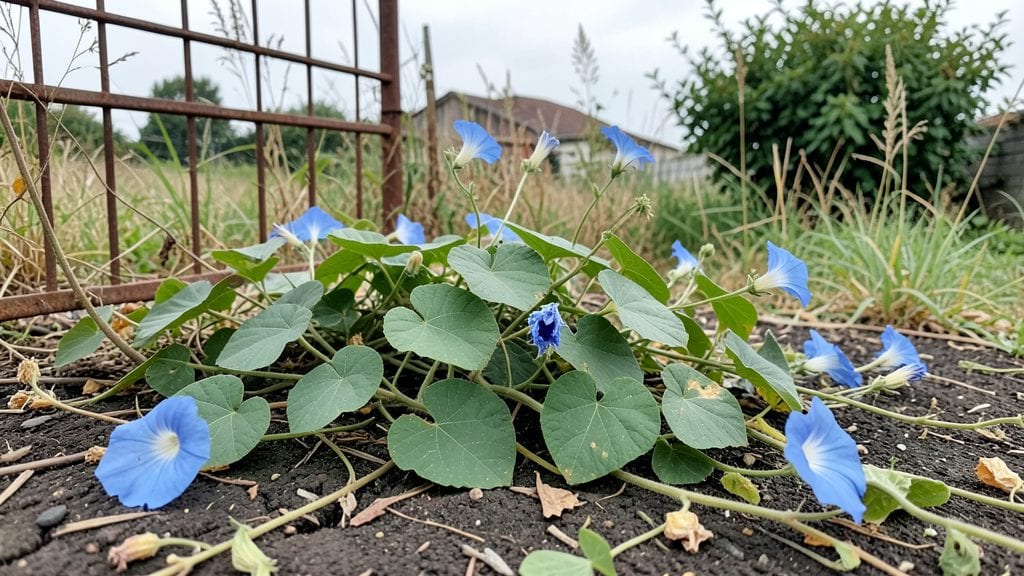
The blue skyflower vine thrives in the Pacific Northwest’s damp, mild winters better than any other tropical climber I’ve tried. 🌿 Its velvety blue-green leaves and delicate sky-blue flowers make it a standout even when most vines sleep through winter.
The key to growing this vine isn’t just about soil or sunlight—it’s about embracing its love for humidity and consistent moisture, which mimics its native tropical forests.
You’ll need a sturdy trellis or fence to support its rapid growth, as this vine can climb 15-20 feet in a single season. Well-draining soil mixed with compost is a must—it hates soggy roots but drinks up water like a thirsty traveler.
In the PNW’s cooler summers, it appreciates partial shade to prevent leaf scorch, though it’ll tolerate full sun if kept well-watered. The real magic happens when you let it climb, where its cascading blooms transform bare walls into living art.
Once established, this vine is nearly maintenance-free, producing flowers year-round in mild climates. The secret to keeping it lush? A light pruning after blooms fade to encourage new growth, and occasional fertilizing with a balanced feed.
It’s the kind of plant that rewards patience—start with a cutting in spring, and by next year, you’ll have a living tapestry of blue-green foliage and sky-blue flowers that never stops blooming.
Perfect for coastal gardens, patios, or even indoor climbs near sunny windows. If you’ve ever wanted a tropical feel without the fuss, this is your vine. Let’s get it growing—your trellis won’t know what hit it.
📚 In This Guide
- What you need
- Instructions
- Tips and common mistakes
- Wrapping up and next steps
What you need
- ● Blue skyflower vine: 1–3 nursery-grown plants (6–12 inches tall, potted) or
- ● Seeds (5–10 per packet, fresh for best germination) or
- ● Healthy cuttings (4–6 inches long, from a mature vine)
- ● Growing containers or garden bed: 5–10 gallon pots (with drainage holes) or
- ● Well-draining garden soil (amend with compost if needed)
- ● Potting mix: 1–2 bags of well-draining, peat-based mix (or coconut coir for sustainability)
- ● Support structure: Trellis, arbor, or obelisk (at least 6–8 feet tall for full growth)
- ● Sturdy twine or garden ties (if training the vine manually)
- ● Fertilizer: Balanced 10-10-10 or 20-20-20 (water-soluble, diluted to half-strength)
- ● Mulch: 2–3 inches of organic mulch (straw, bark, or shredded leaves)
- ● Basic gardening tools: Trowel or small shovel
- ● Pruning shears (sterilized)
- ○ Gloves (optional but recommended)
- ● Watering can or hose with gentle spray nozzle
- ○ pH testing kit (optional but helpful)—ideal soil pH: 6.0–7.0
- ● Sunlight assessment: Confirm your space gets full sun (6+ hours/day) or partial shade (morning sun)
- ● Winter prep (PNW-specific): Burlap or frost cloth (for young plants in cold snaps)
- ● Insulated pots (if container-growing in Zone 7–8)
- ● 🌡️ Temperature: Start seeds indoors 8–10 weeks before last frost (PNW: ~March–April).
- ● 💧 Watering: Keep soil consistently moist but not soggy—skyflower vines hate "wet feet."
- ● ✨ Bonus: Deadhead spent blooms to encourage non-stop summer-to-fall flowering!
How to plant and maintain blue skyflower vine for year-round color
This Pacific Northwest favorite thrives with minimal fuss—just follow these simple steps for lush, vibrant growth.
🌱 Step 1: Choose the Perfect Location for Your Vine
Blue skyflower vine (Ipomoea indica) loves sun but tolerates partial shade, making it ideal for fences, trellises, or arbors. In the Pacific Northwest's mild climate, it grows best in full sun to partial shade—at least 6 hours of sunlight daily for peak blooms. I always plant mine near a south-facing fence where it gets morning sun and afternoon shade in summer.
Check the soil drainage before planting. Blue skyflower hates soggy roots, so if your yard stays wet, raise the planting area with a 6-inch mound of amended soil. The vine’s roots need oxygen to thrive, so avoid low spots where water pools. A quick test: Dig a hole, fill it with water, and wait. If it drains in under an hour, you’re good to go.
🪴 Step 2: Plant Your Vine at the Right Time and Depth
Spring is the best time to plant blue skyflower vine in the Pacific Northwest—after the last frost but before summer heat sets in. Dig a hole twice as wide as the root ball but only as deep as the container’s base. This prevents burying the stem, which can cause rot. Gently remove the vine from its pot and loosen any circling roots with your fingers.
Place the vine in the hole, backfill with native soil mixed with 1 part compost, and water deeply to settle everything. Press the soil lightly around the base—just enough to eliminate air pockets but not compact it. I like to add a 2-inch layer of mulch (like cedar chips) around the base to retain moisture and suppress weeds, but keep it 6 inches away from the stem to prevent rot.
☀️ Step 3: Water and Feed for Strong, Continuous Growth
Water your blue skyflower vine once a week during the first growing season, giving it 1 gallon per plant each time. After establishment, it’s drought-tolerant but still needs deep watering every 10-14 days in dry spells. You’ll know it’s thirsty when the leaves start to droop slightly—water deeply until it runs out the drainage holes, then let the soil dry slightly before watering again.
Feed with a balanced, slow-release fertilizer (like 10-10-10) in early spring and again in midsummer. I skip fertilizer in fall and winter—this vine is tough enough to handle the Pacific Northwest’s mild winters without extra nutrients. If you notice pale leaves, that’s your cue to feed lightly with a half-strength liquid fertilizer to avoid burning the roots.
✂️ Step 4: Prune and Train for Year-Round Blooms
Prune blue skyflower vine in early spring before new growth starts. Cut back any dead or weak stems to 6 inches from the base—this encourages bushier, healthier growth. During the growing season, trim back leggy vines after flowering to keep the plant compact and promote more blooms. I also pinch off spent flowers regularly to encourage continuous blooming throughout the season.
Train the vine along its support structure (trellis, fence, or arbor) by gently tying the main stems with soft plant ties or old fabric strips. Avoid wire or plastic ties—they can cut into the stems as the vine grows. In winter, you can leave the vine on its support or let it trail along the ground; it’s hardy enough to handle both. Just brush off any debris in early spring to prevent disease.
🌿 Step 5: Overwinter Like a Pro for Next Year’s Growth
Blue skyflower vine is one of the hardiest climbers for the Pacific Northwest, but a little winter prep ensures it thrives for years. In late fall, cut back any dead or damaged growth, but leave healthy stems intact—they’ll provide next year’s blooms. Mulch the base of the plant with 3-4 inches of shredded bark or leaves to insulate the roots from freezing temperatures.
If you’re in a colder microclimate (like the Cascades foothills), wrap the vine’s support structure with burlap to protect it from windburn. Most years, though, it just needs to be left alone—this vine is built to handle snow and rain without fuss. Come spring, remove the mulch and ties, and you’ll see fresh growth within weeks.
Tips & tricks for perfect blue skyflower vine growth
Here's what nobody tells you about getting your Pacific Northwest vine to thrive year after year.
Location is Everything: In Step 1, when choosing your spot, pay attention to the microclimate. While blue skyflower loves sun, the Pacific Northwest's afternoon summer heat can be intense. If you're planting near a west-facing wall, consider adding temporary shade cloth during peak heat hours to prevent leaf scorch. I've seen vines near concrete walls struggle even with full sun exposure.
Soil Drainage Test: Before planting, I learned the hard way that not all soil looks well-draining. The simple water test in Step 1 is your best friend—if water pools for more than an hour, you need to amend that soil. Mix in 20% sand or perlite with your native soil to improve drainage. This vine's roots will thank you by staying healthy and vibrant all season long.
Pruning for More Blooms: When you're pruning in Step 4, don't just cut back dead stems. Look for any stems growing inward—they'll crowd each other and reduce air circulation. Cut these back to the main stem to encourage outward growth. I also like to prune just above a leaf node where new growth can emerge, which gives me bushier plants with more blooms.
Winter Protection Hacks: For that extra protection in colder microclimates mentioned in Step 5, I've found that wrapping the support structure with burlap isn't just about wind protection—it also creates a microclimate that retains heat. Add a layer of straw around the base of the vine for additional insulation. This simple step can make all the difference in those rare cold snaps we get in the Cascades.
Pro Tips for Blue Skyflower Vine
- Here's what nobody tells you about getting your Pacific Northwest vine to thrive year after year.
- Location is Everything: In Step 1, when choosing your spot, pay attention to the microclimate.
- Soil Drainage Test: Before planting, I learned the hard way that not all soil looks well-draining.
Frequently asked questions
Got questions about growing and caring for blue skyflower vine (Thunbergia grandiflora)? You're not alone! Here are some of the most common queries from gardeners in the Pacific Northwest and beyond—plus straightforward answers to help you keep this stunning climber thriving year-round.
Is blue skyflower vine really frost-hardy in the PNW?
The blue skyflower vine is one of the few year-round climbers that tolerates light frosts (down to 20°F/-7°C) when established. However, young plants or those in exposed areas may need winter protection like burlap wraps or mulch. In Zone 8-10, it thrives outdoors year-round, while colder zones (like parts of Oregon/Washington) may require container growing or moving it indoors during harsh winters.
How fast does blue skyflower vine grow, and when will I see flowers?
This vine is a fast grower—expect 10-15 feet per season with proper support! With ideal conditions (full sun to partial shade, moist but well-draining soil), you’ll see vibrant blue-purple blooms as early as late spring, peaking in summer. Deadheading spent flowers encourages continuous blooming until frost.
Can I grow blue skyflower vine in containers, or does it need a garden bed?
This vine thrives in containers—just choose a large pot (15+ gallons) with drainage holes and a trellis or obelisk for support. Use a well-draining potting mix (add perlite or sand) and water when the top inch of soil dries. Container-grown vines are easier to winter-protect by moving them to a garage or sheltered porch.
Are there pests or diseases I should watch for with blue skyflower vine?
While generally low-maintenance, watch for aphids (especially on new growth) and spider mites in dry conditions. Treat with neem oil or insecticidal soap. Overwatering can lead to root rot, so ensure well-draining soil. Fungal issues (like powdery mildew) are rare but can occur in humid, shady spots—improve airflow and avoid wetting foliage.
What’s a good alternative if blue skyflower vine isn’t available locally?
If you’re struggling to find Thunbergia grandiflora, try these hardy, frost-tolerant climbers for the PNW:
- Clematis (e.g., Clematis armandii – evergreen, blooms early spring)
- Honeysuckle (Lonicera periclymenum – fragrant, attracts pollinators)
- Star jasmine (Trachelospermum jasminoides – drought-tolerant, white flowers)
- Climbing hydrangea (Hydrangea petiolaris – lush foliage, large blooms)
Wrapping up and next steps
The Blue Skyflower Vine is a true gem for Pacific Northwest gardeners—hardy, vibrant, and effortlessly beautiful year-round! 🌿 With its low-maintenance charm and stunning blue-purple blooms, it’s the perfect way to add color and life to your outdoor spaces.
Whether you’re a seasoned gardener or just starting, this resilient climber offers endless possibilities for creativity and connection with nature.
Ready to transform your garden? Start small—plant a single vine in a sunny spot, experiment with trellises, or share tips with fellow plant lovers. Your future garden (and pollinators!) will thank you. 🌸