
Flowers
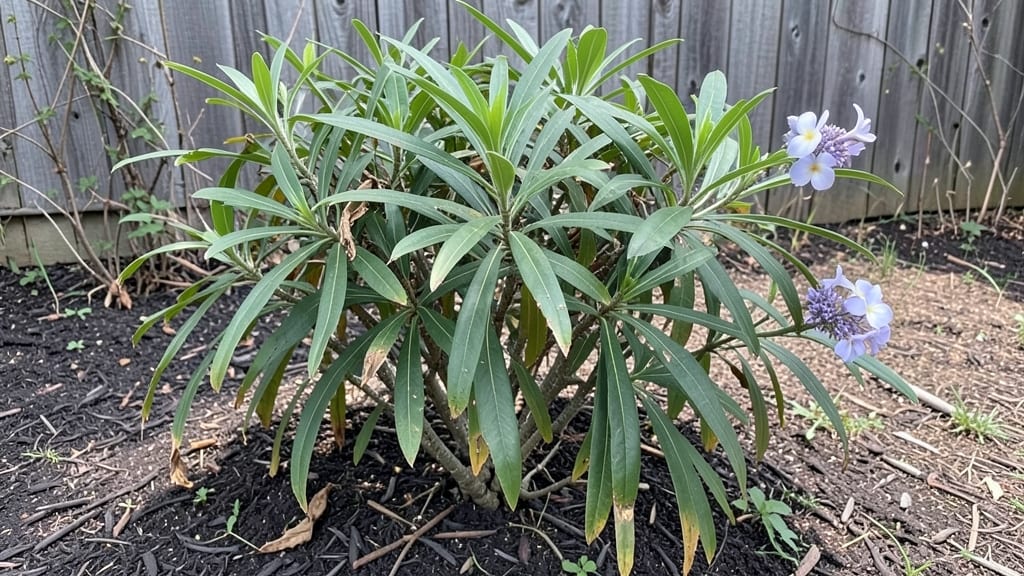
Blue plumeria flowers aren’t just rare—they’re the Pacific Northwest’s secret tropical treasure. 💙 These frost-resistant beauties bring velvety blue blooms and intoxicating fragrance to gardens that normally struggle with tender tropicals. I’ve seen them transform sun-drenched patios into lush, fragrant retreats where neighbors stop to admire the unusual color.
Their versatility makes them perfect for containers, garden beds, or even as striking cut flowers. Pair them with silver foliage plants like dusty miller or chartreuse coleus to make the blue pop even more dramatically.
In mixed borders, they anchor tropical-themed designs while thriving in zones where most plumeria would freeze.
Imagine cutting a bouquet of these in summer—each bloom heavy with scent, each petal edged in delicate white. They’ll perfume your home for days and bring a touch of Hawaii to your garden without the usual fuss.
The key is placing them where they get full sun and shelter from late frosts, and you’ll have blooms from June through September.
Whether you’re designing a patio paradise or adding a splash of unexpected color to your landscape, blue plumeria delivers drama with minimal effort. Their hardiness means you can enjoy them year after year, and their fragrance makes every stroll through the garden feel like a vacation.
Let’s make your space unforgettable!
📚 In This Guide
- What you need
- Instructions
- Tips and common mistakes
- Wrapping up and next steps
What you need
- ● Plumeria plants: Frost-resistant varieties like Plumeria rubra ‘Acutifolia’ or Plumeria obtusa (ensure they’re labeled "blue-tinged" or "lavender-blue" if available). Quantity: 1–3 plants (for small gardens) or 5+ (for borders/landscapes).
- ● Well-draining soil mix: 60% potting soil + 40% perlite/pumice (critical for PNW’s wet winters!). Quantity: 5–10 gallons per plant.
- ● Containers or garden beds: Containers: 15–20 gallon pots with drainage holes (for frost protection). Quantity: 1 per plant.
- ● Garden beds: Raised beds or slopes (to prevent waterlogging). Size: 3’x3’ minimum per plant.
- ● Mulch: Pine bark or straw (3–4 inches thick) to insulate roots in winter.
- ● Fertilizer: Balanced 10-10-10 or low-nitrogen tropical plant food (e.g., Dr. Earth). Quantity: 1–2 tbsp per plant, monthly (spring–fall).
- ● Frost cloth: Lightweight, breathable fabric (for sudden cold snaps). Size: Large enough to cover entire plant.
- ● Grow lights: LED full-spectrum bulbs (12–14 hrs/day) for indoor propagation or winter care.
- ● Pruning shears: Sharp, sterilized shears for shaping (after flowering).
- ● Blue-tinted flower food: Preserves petal color in cut arrangements (if you love bouquets!).
How to grow frost-resistant plumeria with stunning blue blooms
Here's how I've learned to cultivate these tropical beauties in cooler climates—no greenhouse required.
🌱 Step 1: Select the Right Variety and Planting Site
Choose a frost-resistant Plumeria variety like 'Blue Hawaiian' or 'Maui Blue'—these tolerate brief dips to 28°F. Plant in full sun for at least 6 hours daily, but protect from harsh afternoon winds that can scorch delicate blooms. The Pacific Northwest's mild summers make morning sun ideal, so face your planting south or southwest.
Test your site's drainage first: dig a 12-inch deep hole and fill it with water. If it drains in under 30 minutes, your soil is suitable. Plumerias hate soggy roots, so amend heavy clay with 3 inches of coarse sand or perlite mixed into the top 6 inches of soil. I always add a 5-gallon bucket of compost to the hole before planting—this gives the roots a nutrient boost while improving drainage.
☀️ Step 2: Plant at the Correct Depth and Mulch Strategically
Dig a hole twice as wide as the root ball but only as deep as the container's base. Plumerias grow best when planted no deeper than they were in their nursery pot—burying the stem too far encourages rot. Gently remove the plant, loosen any circling roots, and place it in the hole so the top of the root ball sits level with the surrounding soil. Fill gaps with native soil, tamping lightly to eliminate air pockets.
Water deeply after planting to settle the soil, then apply a 3-inch layer of mulch (pine bark or wood chips work best) around the base, keeping it 6 inches away from the trunk. This mimics their natural forest floor habitat while protecting roots from winter chill. I always water again after mulching to help it settle properly against the soil.
💧 Step 3: Water and Fertilize for Maximum Bloom Production
Plumerias need consistent moisture but despise soggy conditions. Water deeply once a week during summer, letting the soil dry out 2-3 inches down between waterings. You'll know it's time when the top layer feels dry to the touch. In winter, reduce watering to every 3-4 weeks unless we get heavy rain—overwatering is the #1 killer of these tropical plants in cooler climates.
Feed with a balanced 10-10-10 fertilizer every 4-6 weeks from spring through summer. I mix in 1 tablespoon of Epsom salt monthly during bloom season (May through September) to boost magnesium levels—this gives the blue flowers their signature intensity. Always water before fertilizing to prevent root burn, and flush the soil with 1 inch of water after each feeding to prevent salt buildup.
✂️ Step 4: Prune and Protect for Winter Survival
Prune in late winter (February) before new growth begins. Cut back one-third of the plant's height to a strong outward-facing bud, removing any dead, diseased, or crossing branches. This encourages bushier growth and prevents winter damage. I always sterilize my pruners with rubbing alcohol between cuts to prevent bacterial spread—plumerias are sensitive to infections.
For true frost resistance, wrap young plants in burlap or frost cloth when temperatures dip below 32°F. Mature plants can handle brief frosts, but new growth is vulnerable. I've found that mulching heavily (6-8 inches) around the base provides 5-10°F of extra protection—think of it as a natural blanket. Remove winter protection in early spring once daytime temperatures consistently stay above 45°F to prevent rot from trapped moisture.
🌿 Step 5: Encourage Continuous Blooming Through the Season
Plumerias bloom best when they experience temperature fluctuations between day and night. In cooler climates, this means moving plants to a protected location (like a covered patio) when nighttime temps drop below 55°F. The contrast between warm days and cooler nights triggers more abundant flowering—this is why they perform so well in the Pacific Northwest's maritime climate.
Deadhead spent blooms by cutting the stem just above a leaf node (where leaves emerge). This redirects the plant's energy into producing new flowers rather than seed pods. I also rotate my plants quarter-turn weekly to ensure even sun exposure all around—you'll notice blooms appear more uniformly distributed after just a few weeks of this simple habit.
Tips & tricks for perfect plumeria blue flowers
A few simple strategies can make all the difference when growing these stunning tropical bloomers in cooler climates.
Sunlight Strategy: While Step 1 mentions full sun, I've found that in the Pacific Northwest's cloudy summers, supplementing with a grow light for 4-6 hours daily during overcast periods can prevent leggy growth. Position the light to mimic morning sun from the south or southwest—this helps maintain that compact, bushy shape we all love.
Soil Science: The 30-minute drainage test in Step 1 is crucial, but I've learned to go one step further: mix in 1 part coconut coir to your amended soil for even better moisture retention without compacting. This helps prevent the soil from drying out too quickly during our dry summer months while still providing excellent drainage.
Winter Protection Hacks: When temperatures dip below 32°F as mentioned in Step 4, I double up on protection by first applying 6-8 inches of mulch then wrapping the base with bubble wrap before adding frost cloth. The bubble wrap creates an insulating air pocket that adds that extra 5-10°F of protection without trapping too much moisture.
Bloom Boost: For those intense blue flowers, I've found that adding 1 tablespoon of liquid seaweed extract to the monthly Epsom salt treatment in Step 3 enhances the color even more. The seaweed provides natural growth hormones that work synergistically with the magnesium from the Epsom salt—you'll notice the blue hue deepen within just a few weeks.
Pro Tips for Plumeria Blue Flowers
- A few simple strategies can make all the difference when growing these stunning tropical bloomers in cooler climates.
- Sunlight Strategy: While Step 1 mentions full sun, I've found that in the Pacific Northwest's cloudy summers, supplementing with a grow light for 4-6 hours daily during overcast periods can prevent leggy growth.
- Soil Science: The 30-minute drainage test in Step 1 is crucial, but I've learned to go one step further: mix in 1 part coconut coir to your amended soil for even better moisture retention without compacting.
Frequently asked questions
Got questions about growing plumeria blue flowers in your Pacific Northwest garden? You’re not alone!
Here are answers to the most common concerns—from frost worries to care tips—so you can enjoy these tropical beauties with confidence.
Can plumeria blue flowers really survive PNW winters?
While plumeria are tropical, blue-flowered varieties (like ‘Blue Paradise’) can tolerate brief chills down to 28°F (-2°C) if dormant. For PNW gardens, dig up pots in fall, mulch roots, and store them in a cool, dry place. In mild microclimates (e.g., near heat-retaining walls), they may survive outdoors with heavy mulching and frost cloth.
How long does it take for a plumeria to bloom blue flowers?
Expect 1–3 years for mature blooms, depending on growing conditions. Young plants focus on root/foliage growth first. To speed things up:
- Full sun (6+ hours/day) is non-negotiable.
- Well-draining soil (mix in perlite/pumice).
- Prune lightly after blooms to encourage bushier growth.
Are there blue plumeria alternatives for colder climates?
If frost is a dealbreaker, try these hardier blue-hued flowers for PNW gardens:
Plant
USDA Zone
Blue Notes
Agapanthus (‘Blue Ensign’)
6–10
Drought-tolerant, true blue blooms in summer.
Delphinium (‘Pacific Giant’)
3–9
Tall spires of vibrant blue (annual or perennial).
Lobelia (‘Crystal Palace’)
2–11
Trailing sky-blue flowers for containers.
For plumeria-like fragrance, Gardenia (Zone 10+) or Jasmine (Zone 7+) are great substitutes.
Why aren’t my plumeria leaves yellowing or dropping?
Yellow leaves or leaf drop usually signal overwatering, poor drainage, or pests. Check these fixes:
- Water only when soil is dry 2–3 inches down—plumeria hate soggy roots.
- Repot if soil is compacted (use a mix of cactus soil + perlite).
- Inspect for spider mites (white webbing on undersides). Treat with neem oil if needed.
- Cold stress can cause leaf drop—move plants indoors if temps dip below 50°F (10°C).
Pro tip: Fertilize lightly in spring (balanced 10-10-10) to encourage healthy foliage.
Can I dye plumeria flowers blue naturally?
Plumeria flowers don’t change color after harvesting, but you can enhance their blue hues with post-harvest treatments:
- Soak cut stems in cool water with a drop of blue food coloring (temporary tint).
- Use blue-tinted floral preservatives for vases.
- Pair with white or lavender blooms to create a “blue” visual effect in arrangements.
For permanent blue flowers, stick to grafting or purchasing Blue Hawaiian or Blue Paradise varieties—they’re the real deal!
Wrapping up and next steps
Discovering plumeria blue flowers opens a world of tropical beauty—even in cooler climates like the Pacific Northwest! 🌸 With the right care and frost-resistant varieties, you can enjoy their fragrant elegance year-round.
Whether you're a gardening novice or a seasoned pro, these stunning blooms are a rewarding addition to any outdoor space.
Ready to bring home your own plumeria? Start by researching frost-hardy varieties and local nurseries, then gather your supplies. With patience and love, your garden will soon be filled with vibrant blue plumeria blooms that turn heads—and fill the air with intoxicating perfume!