Pruning
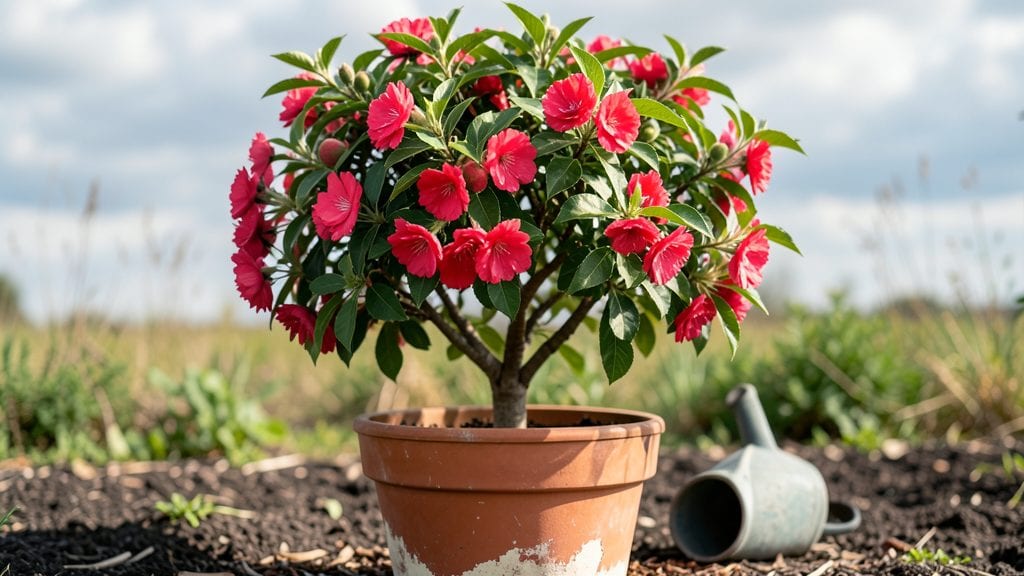
The Bonfire flowering peach tree brings blushing pink blooms to Pacific Northwest winters when most gardens are asleep. 🌸 I planted mine last fall, and this spring’s frost-resistant flowers proved it’s the perfect cold-hardy showstopper for our damp climate.
The key isn’t just the planting—it’s the pruning that keeps it blooming year after year.
This tree thrives in full sun with well-draining soil, and its dwarf size makes it ideal for small spaces or container growing. Most gardeners struggle with peach trees in our region, but Bonfire’s hardiness and disease resistance make it a game-changer.
You’ll need basic pruning tools and a little winter prep to protect those delicate blossoms.
By late summer, you’ll have a tree covered in vibrant pink flowers that last through frost, followed by edible (though small) peaches. The scent alone makes it worth the care—imagine that fragrance wafting through your yard in March.
With the right approach, this tree will reward you for years with minimal effort.
Whether you’re pruning for winter or shaping for spring blooms, the techniques here adapt to any Pacific Northwest yard. Let’s get your Bonfire tree thriving—it’s easier than you think, and the payoff is stunning.
📚 In This Guide
- What you need
- Instructions
- Tips and common mistakes
- Wrapping up and next steps
What you need
- ● Pruning shears – Bypass pruners (sharp, 6-8" blades) for clean cuts on small branches.
- ● Loppers – 10-14" bypass loppers for thicker branches (up to 2" diameter).
- ● Pruning saw – Curved-tooth saw for branches thicker than 2".
- ● Gloves – Heavy-duty, cut-resistant gloves (PNW thorns are no joke!).
- ● Disinfectant – 70% isopropyl alcohol or bleach solution (1 part bleach to 9 parts water) to sterilize tools between cuts.
- ○ Pruning sealant – Optional but helpful for large cuts (3"+ diameter) to prevent disease.
- ● Ladder or step stool – Sturdy and tall enough to reach upper branches safely.
- ● Heavy-duty trash bags – For collecting pruned branches (PNW wildlife loves them!).
- ● Cold-weather gear – Layers, gloves, and a hat if pruning in early spring or late fall (chilly PNW mornings happen!).
- ● Rain gear – Waterproof jacket and boots (because PNW weather is unpredictable 🌧️).
- ● Local regulations check – Confirm if your area requires permits for firewood removal (some PNW regions restrict it).
- ● Handheld leaf blower – Clears debris from the work area faster.
- ● Tree wound dressing – For aesthetic appeal (not always necessary for healing).
- ● Camera or phone – Capture before/after shots to track progress!
Step-by-step pruning guide for your Bonfire flowering peach tree
Here’s how to coax those stunning year-round blooms from your Pacific Northwest Bonfire peach—without sacrificing cold hardiness.
✂️ Step 1: Time Your Pruning for Late Winter Dormancy
Prune 2-4 weeks before your last frost date, when the tree is still dormant but the ground isn’t frozen. In the PNW, this usually falls between mid-February and early March. The goal is to shape the tree before new growth begins, which encourages strong, cold-resistant branches.
I like to prune on a dry, overcast day—this reduces stress on the tree and prevents sap from bleeding excessively. Use sharp, clean pruners (sterilized with rubbing alcohol) to make cuts at a 45-degree angle, just above a bud or lateral branch. Avoid cutting into old wood or leaving stubs—these invite disease.
🌿 Step 2: Remove Dead, Diseased, or Crossing Branches First
Start by identifying dead wood (branches that snap when bent or have no green bark underneath) and diseased branches (blackened, oozing, or fungal spots). Cut these out completely at the branch collar—the swollen area where the branch meets the trunk. This prevents pathogens from spreading to healthy growth.
Next, look for crossing or rubbing branches—these compete for sunlight and damage each other over time. Remove one of the two branches where they intersect, always cutting back to a healthy bud. You’ll see the tree’s natural structure emerge as you work, with stronger branches taking shape.
☀️ Step 3: Thin the Canopy for Light and Airflow
Bonfire peaches thrive on open, airy canopies—this prevents fungal diseases like peach leaf curl, which loves damp, shaded conditions. Aim to remove 20-30% of the tree’s total branches, focusing on:
- Suckers (shoots growing from the base or trunk)
- Water sprouts (fast-growing vertical shoots with no buds)
- Overcrowded branches (those growing too close together)
Step back frequently to visualize the tree’s shape. You want a rounded, vase-like form with branches spaced 8-12 inches apart. This spacing ensures sunlight reaches all blooms and fruit, even in the PNW’s shorter growing season. Avoid "lion-tailing"—cutting back all branches to a single point—which weakens the tree.
⏰ Step 4: Shape for Cold Hardiness and Bloom Display
Since Bonfire peaches are bred for cold hardiness, prioritize cuts that maintain a low, sturdy center of gravity. Remove any branches growing inward or downward—they’ll weigh the tree down in winter storms and block airflow. Instead, encourage horizontal branches by pruning upward-growing limbs back to a lateral bud.
For year-round blooms, avoid heavy summer pruning—this triggers new growth that won’t harden off before winter. Instead, do a light cleanup in early fall, removing only dead or diseased wood. The tree’s natural dormancy period (late fall to early spring) is when it rebuilds energy for next year’s flowers.
🪴 Step 5: Post-Pruning Care for Strong Recovery
After pruning, water deeply to help the tree recover—especially important in the PNW’s often-dry late winter. Apply a 2-3 inch layer of mulch (wood chips or straw) around the base, keeping it 6 inches away from the trunk to prevent rot. This insulates roots and retains moisture for spring growth.
Finally, avoid fertilizing immediately—pruning stresses the tree, and fresh fertilizer can burn roots. Wait until early spring, when you see new leaf buds swelling, to apply a balanced 10-10-10 fertilizer. This timing ensures the tree directs energy to healing, not just foliage.
Tips & tricks for perfect Bonfire flowering peach tree pruning
Pruning your Bonfire peach tree is all about timing, technique, and understanding the tree's natural growth patterns. These insights will help you maintain that stunning year-round bloom display while keeping your tree healthy and cold-hardy.
Timing Tip: The 2-4 week window before your last frost date is critical—this ensures the tree has time to heal before winter storms hit. In the PNW, I've found that pruning in late February or early March gives the tree just enough time to recover before spring growth begins. If you're unsure about your frost date, check your local agricultural extension service or use a frost date calculator for your specific zip code. This timing prevents new growth from being damaged by late frosts, which can be devastating to tender new shoots.
Equipment Essentials: Never skip sterilizing your pruners with rubbing alcohol between cuts—this prevents spreading fungal diseases like peach leaf curl, which can devastate your tree's blooms. I also recommend using a sharp bypass pruner rather than anvil pruners, as they create cleaner cuts that heal faster. For larger branches, a pruning saw with a fine-toothed blade will give you more control. Always make your cuts at the branch collar, that swollen area where the branch meets the trunk—this is where the tree's natural healing begins.
Structural Vision: When thinning the canopy to that 20-30% target, step back every few minutes to visualize the tree's shape. The goal is a rounded, vase-like form with branches spaced 8-12 inches apart. I've learned this the hard way—once I pruned too aggressively and ended up with what's called "lion-tailing," where all the branches were cut back to a single point. This weakens the tree structurally and reduces bloom potential. Think of it like sculpting: you're removing material to reveal the tree's natural beauty, not just hacking away randomly.
Seasonal Strategy: That light cleanup in early fall is often overlooked, but it's crucial for maintaining year-round blooms. Focus only on removing dead or diseased wood—avoid making any structural cuts that could stimulate new growth. The tree needs this dormant period to rebuild energy reserves. I've seen trees that were heavily pruned in summer struggle with weak blooms the following year because the new growth didn't have time to harden off before winter. Think of fall pruning as giving your tree a gentle nudge rather than a major overhaul.
Pro Tips for Bonfire Flowering Peach Tree
- Pruning your Bonfire peach tree is all about timing, technique, and understanding the tree's natural growth patterns.
- Timing Tip: The 2-4 week window before your last frost date is critical—this ensures the tree has time to heal before winter storms hit.
- Equipment Essentials: Never skip sterilizing your pruners with rubbing alcohol between cuts—this prevents spreading fungal diseases like peach leaf curl, which can devastate your tree's blooms.
Frequently asked questions
When is the best time to prune a Bonfire Flowering Peach Tree in the Pacific Northwest?
The ideal time to prune is late winter to early spring (February–March), just before new growth begins. This timing helps avoid frost damage while encouraging strong blooms. Avoid pruning in fall, as late cuts may stimulate tender growth vulnerable to cold. Pro tip: If you must prune in summer, do it after flowering to protect next year’s blooms!
How cold-hardy is the Bonfire Flowering Peach Tree, and does it need winter protection?
The Bonfire variety is one of the most cold-hardy flowering peaches, tolerating zones 5–8. In the Pacific Northwest’s mild winters (especially zones 7–8), it usually thrives without extra protection. However, in colder microclimates (like inland valleys), mulch the base with 2–3 inches of wood chips and wrap the trunk with burlap if temps dip below 10°F.
How much can I prune back a mature Bonfire Flowering Peach Tree?
Aim to remove 20–30% of the canopy annually to maintain airflow and shape. For mature trees, never cut back more than 1/3 of the branches in a single year—this stresses the tree. Focus on dead, crossing, or overcrowded branches first. Pro tip: Use sharp pruners to make clean cuts just outside the branch collar!
Why aren’t my Bonfire Flowering Peach Tree’s blooms lasting long?
Short-lived blooms often signal over-pruning, poor nutrition, or pests. Check for:
- Pruning timing: Late spring cuts remove next year’s flower buds.
- Fertilizer: Apply balanced 10-10-10 in early spring.
- Pests: Inspect for aphids or spider mites (spray with neem oil if needed).
- Watering: Drought stress shortens bloom life—keep soil moist but not soggy.
Can I grow a Bonfire Flowering Peach Tree in a container, or does it need to be planted in the ground?
While possible in large containers (20+ gallons), Bonfire trees thrive best in the ground due to their spreading root system. If container-grown:
- Use well-draining soil mixed with compost.
- Repot every 2–3 years to prevent root bind.
- Move containers indoors (unheated garage) in winter if temps drop below 20°F.
Warning: Container trees may produce fewer blooms than ground-planted ones.
Wrapping up and next steps
Ready to transform your bonfire flowering peach tree into a stunning, cold-hardy showstopper? With the right pruning techniques—like thinning for airflow, shaping for structure, and protecting against winter chill—you’ll enjoy year-round blooms that brighten the Pacific Northwest’s skies. 🌸❄️
Start small: tackle one pruning session this season, then build confidence as you master the art. Before you know it, your tree will be the envy of the neighborhood—and you’ll be the gardener who made it happen!
💡 Next step: Mark your calendar for late winter (just before buds swell) and grab those pruners—your tree’s blooming future starts now!