
Flowers
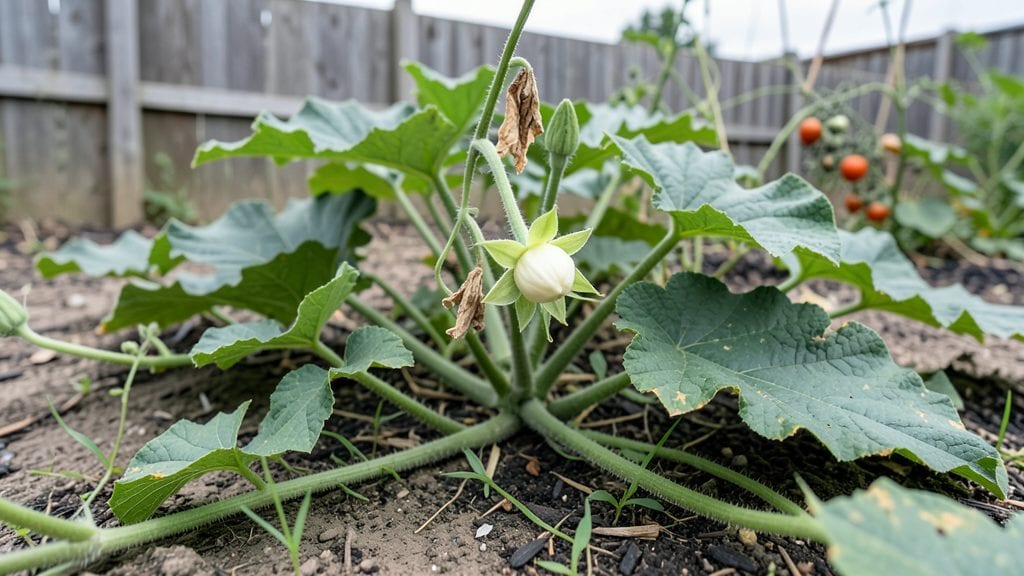
The first time I saw bottle gourd female flowers, I thought they were just odd-looking blooms—until I tasted one steeped in honey tea. 🌸 These delicate blossoms aren’t just pretty; they’re edible, fragrant, and packed with nutrients, making them a gardener’s secret weapon for both the plate and the pantry.
The key to unlocking their full potential starts with knowing how to spot them among the male flowers, which look almost identical but serve a very different purpose.
Female flowers stand out because they have a tiny, swollen ovary at their base—like a little bulb where the fruit will eventually form. Male flowers, on the other hand, have long, slender stems with no swelling.
Pruning strategically (removing some male flowers) and ensuring your plants get enough phosphorus-rich fertilizer can shift the balance toward more female blooms, which means more fruit and more edible flowers for you to harvest.
Once you master the identification, you’ll notice your bottle gourd plants transforming. Female flowers appear more frequently after a warm morning, and with consistent care, you’ll soon have a steady supply of blossoms ready for tea, salads, or even fritters.
The best part? These flowers taste subtly sweet and earthy, with a texture that’s almost like a cross between a squash blossom and a delicate herb.
If your plants aren’t fruiting as expected, check for environmental stressors—like inconsistent watering or poor pollination—and adjust accordingly. With the right approach, your bottle gourds will reward you with both an abundance of fruit and a harvest of these unexpected, edible blooms that turn every season into a culinary adventure.
📚 In This Guide
- What you need
- Instructions
- Tips and common mistakes
- Wrapping up and next steps
What you need
- ● Fresh bottle gourd female flowers – Harvest only the fully bloomed, pale-yellow flowers (avoid green buds). Aim for 10–15 flowers for a small batch of tea or garnishes.
- ● Organic bottle gourd plant – If growing your own, ensure the vine is healthy and pesticide-free (bottle gourds thrive in warm climates with full sun).
- ● Sharp scissors or pruning shears – For clean harvesting (sterilize with rubbing alcohol to prevent contamination).
- ○ Strainer or fine-mesh sieve – For rinsing delicate petals (optional but recommended for tea).
- ● Chef’s knife and cutting board – To trim stems and separate petals.
- ● Food-grade storage container – Airtight for short-term storage (use within 24–48 hours for peak freshness).
- ● Drying rack or paper towels – To pat dry petals before storage or use.
- ● Citric acid or lemon juice – Preserves color in floral teas (add a pinch to water).
- ● Honey or sweetener – For infusing floral tea (if not using fresh).
- ● Gloves (nitrile) – If you’re sensitive to plant sap (rare but possible).
How to identify and harvest bottle gourd female flowers
Here’s how to spot, harvest, and use these delicate edible blooms at their peak.
🌿 Step 1: Recognize Female Flowers on the Vine
Bottle gourd female flowers grow directly from the main stem or leaf axils, unlike male flowers that appear on long, slender tendrils. Look for a small, round, swollen ovary at the base of the bloom—this is your key identifier. The flowers themselves are pale yellow with five petals and a slightly larger, more robust shape than male blossoms.
Check the vine daily in the morning, as female flowers typically open early and wilt by midday. The ovary will feel firm and slightly fuzzy to the touch. If you see a flower without this swelling, it’s male—save those for pollination instead.
✂️ Step 2: Harvest at the Right Stage
Pick female flowers when they’re fully open but still fresh, usually in the early morning hours. Use clean, sharp pruning shears or scissors to snip the stem about 1 inch below the flower. This prevents damaging the vine and encourages more blooms to form.
Handle the flowers gently—petals bruise easily and lose flavor. Avoid harvesting when rain is forecast, as moisture can cause them to spoil quickly. Store harvested flowers in a paper towel-lined container in the fridge for up to 3 days to preserve freshness.
💧 Step 3: Prepare for Culinary or Tea Use
Rinse the flowers gently under cool water to remove any dirt or pests, then pat dry with a soft cloth. For tea, separate the petals carefully and lay them flat on a clean surface to dry completely—this takes about 24 hours in a warm, shaded spot. Once dry, store petals in an airtight jar away from light.
For immediate culinary use, dip the flowers in lightly beaten egg (to coat) and dredge in seasoned flour or cornmeal. Fry in hot oil for 1-2 minutes until golden—this enhances their natural sweetness. You’ll know they’re ready when the edges crisp slightly and the petals hold their shape.
☀️ Step 4: Encourage More Blooms on the Vine
After harvesting, fertilize the vine with a balanced 10-10-10 liquid fertilizer diluted to half-strength. Water deeply at the base to avoid wetting leaves, which can attract fungal diseases. Prune any yellowed or damaged leaves to redirect the plant’s energy toward new growth.
Bottle gourds thrive in full sun and warm temperatures (75-90°F). If your climate dips below 60°F, cover the vine with frost cloth at night to protect emerging buds. Consistent blooms mean more opportunities for harvest—aim for 3-4 flowers per vine weekly during peak season.
Tips & tricks for perfect bottle gourd female flowers
Here's what nobody tells you about harvesting and preparing these delicate edible blooms—trust me, these little details make all the difference.
Timing is Everything: The early morning is your best window for harvesting—female flowers open just before sunrise and often wilt by midday. I always check my vines at dawn when the flowers are at their freshest. If you miss this window, the petals lose their delicate texture and flavor.
Handle with Care: Bottle gourd petals bruise easily, so use a gentle touch when harvesting and preparing. I like to use a small bowl to catch the flowers as I cut them, rather than trying to hold them directly. For drying, lay petals flat on a clean, dry towel rather than stacking them—this prevents moisture buildup that can cause mold.
Storage Wisdom: The 3-day fridge storage limit is strict—these flowers don't keep like hardier produce. For longer storage, drying is your best option. I've found that spreading petals on a wire rack in a warm, shaded spot (like a sunny windowsill with sheer curtain) dries them perfectly in exactly the 24 hours mentioned. Once dry, store in airtight containers away from light to preserve their color and flavor.
Frying Technique: When frying those delicate petals for 1-2 minutes, maintain consistent oil temperature at around 350°F. I use a candy thermometer to monitor this—too hot and they'll burn, too cool and they'll absorb too much oil. The moment they turn golden is when you know they're ready. Remove them immediately to prevent sogginess.
Pro Tips for Bottle Gourd Female Flowers
- Here's what nobody tells you about harvesting and preparing these delicate edible blooms—trust me, these little details make all the difference.
- Timing is Everything: The early morning is your best window for harvesting—female flowers open just before sunrise and often wilt by midday.
- Handle with Care: Bottle gourd petals bruise easily, so use a gentle touch when harvesting and preparing.
Frequently asked questions
Got questions about harvesting and using bottle gourd female flowers? You’re not alone! Here are some of the most common queries—and their answers—to help you navigate this edible delicacy with ease.
How do I identify female bottle gourd flowers?
Female bottle gourd flowers have a small, swollen ovary at the base of the bloom (about the size of a pea). This ovary will eventually grow into the fruit. Male flowers lack this swelling and have a slender stem. Pro tip: Check for this tiny bump early in the morning when flowers are fresh!
When is the best time to harvest female bottle gourd flowers?
Harvest female flowers before they fully open—typically in the early morning (5–7 AM) when they’re still in bud form. This ensures tender petals and prevents the ovary from developing into a fruit. Use them within 24 hours for peak flavor and texture.
Can I use bottle gourd female flowers in tea? How much should I use?
Simmer 3–5 fresh flowers (or 1–2 dried) in 1 cup of water for 5–10 minutes. Strain and enjoy as a soothing, mild tea. Note: The flavor is subtle—pair with honey or lemon for depth. Avoid overbrewing to prevent bitterness.
What if my bottle gourd plant isn’t producing female flowers?
Several factors may cause this:
- Insufficient sunlight: Ensure 6+ hours of direct sun daily.
- Poor pollination: Hand-pollinate by transferring pollen from male to female flowers with a brush.
- Nutrient deficiency: Add compost or a balanced fertilizer (high in phosphorus).
- Young plant: Female flowers appear 4–6 weeks after flowering begins.
If issues persist, check for pests (like aphids) or fungal diseases.
Are there alternatives to bottle gourd flowers for cooking?
Yes! Try these edible flower substitutes with similar mild, slightly sweet flavors:
- Chive blossoms (onion-family flavor)
- Nasturtium flowers (peppery kick)
- Squash blossoms (hearty and savory)
- Dandelion petals (earthy, lemony)
Caution: Always confirm edibility and avoid flowers treated with pesticides.
Wrapping up and next steps
Exploring bottle gourd female flowers opens up a world of culinary and wellness possibilities—from fragrant teas to vibrant dishes! These delicate blossoms are not just edible but also packed with nutrients and unique flavors.
Whether you’re a gardener eager to harvest or a foodie ready to experiment, their versatility makes them a must-try.
Ready to dive in? Start by growing your own bottle gourd plants or visit local markets to source fresh female flowers. With a little creativity, you can turn these edible blooms into delicious treats—your taste buds (and health) will thank you! 🌸🍵