
Flowers
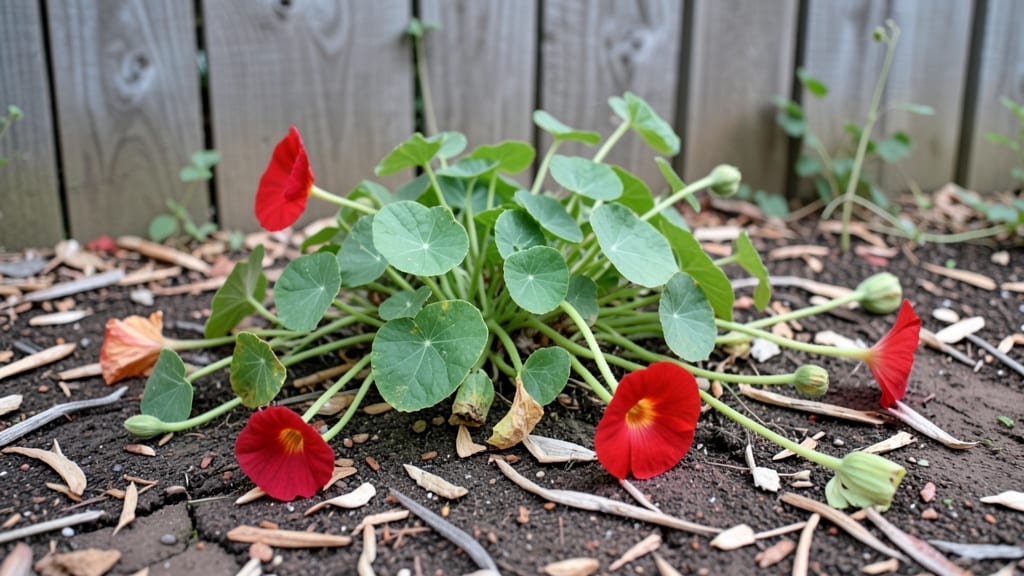
The boldest red nasturtium flowers transform any garden into a burst of fiery charm. 🌸 I’ve seen them turn tired borders into eye-catching displays and even dress up simple containers with their peppery-spiced blooms. Their vibrant hue demands attention, while their trailing vines soften edges and invite pollinators to linger.
These edible flowers thrive in full sun or partial shade, making them perfect for cottage gardens, hanging baskets, or edible landscapes. Pair them with lavender for contrast or basil to enhance their peppery flavor—both plants love the same growing conditions.
Their versatility means they’ll shine whether tucked into a formal border or spilling over a rustic wooden planter.
By midsummer, your garden will buzz with bees and butterflies drawn to their bright petals, while you enjoy fresh garnishes for salads or cocktails. The leaves add a spicy kick to dishes, too, so every plant becomes a dual-purpose star.
Plant them now, and you’ll harvest beauty and flavor all season long.
Whether you’re designing a pollinator-friendly border or adding a pop of color to a balcony, nasturtiums deliver effortless impact. Their carefree nature means even beginner gardeners can grow them with confidence—just give them space to trail and watch the magic unfold.
📚 In This Guide
- What you need
- Instructions
- Tips and common mistakes
- Wrapping up and next steps
What you need
- ● Red nasturtium seeds: 20–50 seeds (choose a variety like Tropaeolum majus for bold red blooms).
- ● Well-draining potting mix or garden soil: 1–2 cubic feet (avoid heavy clay; amend with compost if needed).
- ● Containers or garden bed: Containers: 6–12-inch pots with drainage holes (1–2 plants per container).
- ● Garden bed: Full sun (6+ hours/day) or partial shade (3–6 hours).
- ● Watering can or hose with a gentle spray nozzle.
- ○ Balanced fertilizer (optional): 5-10-5 or organic options like fish emulsion (use sparingly, 1–2 times during growth).
- ● Hand trowel or small shovel: For planting seeds (¼–½ inch deep).
- ● Pruning shears or clean scissors: For harvesting blooms (sterilize with rubbing alcohol).
- ○ Gloves (optional): To protect hands from mild sap irritation (though rare).
- ○ Mulch (optional): Straw or shredded leaves to retain moisture and deter weeds.
- ○ Bee-friendly companion plants (optional): Marigolds, borage, or dill to attract pollinators and boost yields.
- ● Patience! Nasturtiums germinate in 7–14 days (keep soil consistently moist until sprouts appear).
- ● Knowledge of hardiness zones 2–11 (annual in most climates; self-seeds easily).
- ● Awareness of allergy risks: While edible, nasturtiums are part of the Brassicaceae family—test a small amount first if sensitive to mustards or radishes.
Step-by-step instructions for growing vibrant red nasturtiums
Here's how to grow these cheerful, edible flowers that thrive in containers or garden beds.
🌱 Step 1: Choose the Perfect Planting Spot
Nasturtiums love full sun—at least 6 hours daily—but they tolerate partial shade in hot climates. I plant mine in a spot where they'll get morning sun and afternoon shade if temperatures regularly exceed 85°F. They also need good air circulation to prevent mildew, so avoid tight spaces between plants.
If growing in containers, place them where they'll catch the most light, like on a sunny patio or balcony. You'll notice their leaves start to droop if they're not getting enough sun—this is their way of telling you to move them to a brighter location.
🪴 Step 2: Prepare Soil and Plant Seeds
Nasturtiums grow best in well-draining soil with a slightly acidic to neutral pH (around 6.0-7.0). Mix 1 part compost into the top 6 inches of your garden bed or container soil to improve drainage and fertility. These plants hate soggy roots, so if your soil stays wet for more than a day after rain, consider planting in raised beds or containers.
Sow seeds directly into the garden after the last frost date, pressing them just ½ inch deep into the soil. Nasturtium seeds are large and easy to handle—I like to plant them 12-18 inches apart for bush varieties or 8-12 inches apart for trailing types. Water gently after planting to settle the soil around the seeds.
☀️ Step 3: Provide Consistent Water and Light
Keep the soil evenly moist but never soggy during germination, which typically takes 7-14 days. Once seedlings emerge, reduce watering slightly—nasturtiums are drought-tolerant once established. Water at the base of the plants in the morning to allow foliage to dry quickly, preventing fungal issues.
If you notice leaves curling or flowers wilting, it's usually a sign of either underwatering or too much water. The key is to let the top 1 inch of soil dry out between waterings. You'll see healthy growth when the plants have vibrant green leaves and start producing buds within 6-8 weeks.
✂️ Step 4: Encourage Blooms and Harvest Flowers
Deadhead spent flowers regularly by pinching them off just above a set of leaves. This encourages more blooms and keeps your plants looking tidy. I also trim back leggy growth in early summer to promote bushier plants—just snip the stems back by about ⅓ of their length. Nasturtiums are self-cleaning, so you won't need to do this often.
Harvest flowers by gently twisting them off the stem in the morning when they're fully open. You can also pick leaves for their peppery flavor—just snip them with clean scissors. The more you harvest, the more your plants will produce. Store harvested flowers in a cool, dry place for up to 5 days.
🌿 Step 5: Manage Pests and Overwintering
Nasturtiums are generally pest-resistant, but watch for aphids or whiteflies, which occasionally attack the leaves. Blast them off with a strong spray of water or introduce ladybugs for natural control. These plants also act as trap crops, drawing pests away from your other garden vegetables.
In colder climates, nasturtiums die back in frost but often reseed themselves for next year. If you want to extend the season, bring container-grown plants indoors before the first frost and place them in a sunny window. They'll keep producing flowers until temperatures drop below 40°F.
Tips & tricks for perfect red nasturtium growth
A few simple strategies that'll help your red nasturtiums thrive from seed to harvest.
Sunlight Strategy: While nasturtiums tolerate partial shade, the vibrant red color fades dramatically in lower light conditions. If you're planting in containers, rotate them every few days to ensure even sun exposure. I've seen plants in partial shade produce flowers, but they're more pale pink than true red. For that rich, deep color, stick with the 6 hours of full sun recommendation—especially in cooler climates where sunlight is less intense.
Soil Preparation Tip: Don't just add compost—amend your soil properly. I like to mix in a handful of sand or perlite when planting in containers to improve drainage, since nasturtiums hate soggy roots. For garden beds, create small mounds about 6 inches high to ensure water runs away from the roots. This simple elevation trick prevents the common problem of root rot that can kill your plants before they even bloom.
Germination Hack: Nasturtium seeds are large and easy to handle, but they sometimes struggle to break through compacted soil. After planting, gently press a thin layer of vermiculite over the seeds—this helps maintain moisture while allowing sunlight to reach them. The seeds typically germinate within 7-14 days, but this layer keeps them from drying out during the waiting period. Once sprouted, remove the vermiculite to prevent fungal issues.
Harvesting Technique: When harvesting flowers in the morning, always cut the stem at a slight angle just above a leaf node. This encourages branching and more flowers to form. For leaves, harvest the younger, more tender ones from the top of the plant—this prevents the peppery flavor from becoming too strong. I've found that harvesting every 3-4 days keeps the plants producing continuously throughout the growing season.
Pro Tips for Red Nasturtium Flowers
- A few simple strategies that'll help your red nasturtiums thrive from seed to harvest.
- Sunlight Strategy: While nasturtiums tolerate partial shade, the vibrant red color fades dramatically in lower light conditions.
- Soil Preparation Tip: Don't just add compost—amend your soil properly.
Frequently asked questions
Got questions about growing, using, or caring for red nasturtium flowers? You’re not alone! Here are answers to the most common queries—from planting tips to culinary hacks.
When is the best time to plant red nasturtium seeds?
Plant red nasturtium seeds in early spring after the last frost (when soil temps hit 50°F/10°C) or in late summer for a fall harvest. They thrive in cool weather and even tolerate light frosts! For faster blooms, start seeds indoors 4–6 weeks before the last frost.
How do I use red nasturtium flowers in cooking?
These peppery blooms add a spicy kick to salads, garnishes, or omelets! Snip petals fresh (avoid pesticides) and toss into dishes like caprese salads, pasta, or even cocktails. Pro tip: Harvest in the morning for the boldest flavor.
Are red nasturtiums good for pollinators?
They’re a pollinator magnet, attracting bees, butterflies, and hummingbirds. Plant them near veggies to boost your garden’s biodiversity. Bonus: Their bright color makes them a standout in containers or borders.
What should I do if my nasturtiums look yellow or wilted?
Yellow leaves often signal overwatering or nutrient deficiency (try a balanced fertilizer). Wilting? Check for underwatering or pests (like aphids). Ensure well-draining soil and prune leggy stems to encourage bushier growth.
Can I grow red nasturtiums in containers?
Yes! They’re perfect for pots, hanging baskets, or vertical gardens. Use a 5-inch-deep container with drainage holes and a mix of potting soil and compost. Place in full sun to partial shade for best results.
Wrapping up and next steps
Red nasturtium flowers aren’t just a feast for the eyes—they’re a versatile, peppery-spiced addition to your garden and kitchen! 🌸 Whether you’re luring pollinators, adding a pop of color to dishes, or experimenting with edible arrangements, these hardy blooms make gardening (and eating) even more exciting. Ready to dive deeper?
Your next step? Grab a pair of scissors and start harvesting! Try swapping nasturtiums for store-bought garnishes in your next salad, or plant a few in your garden to attract bees and butterflies. The possibilities—and flavors—are endless! 🌱