
Flowers
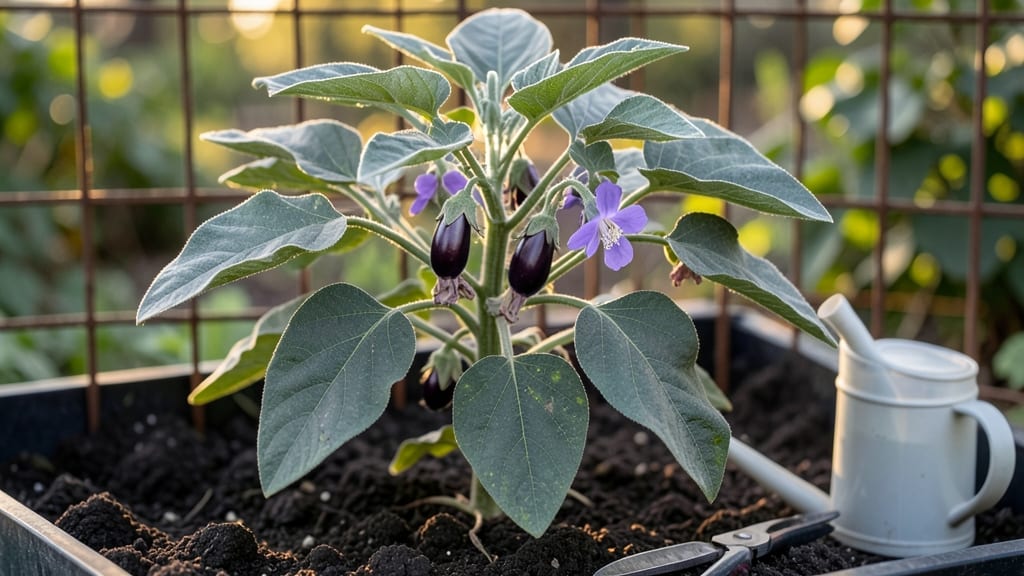
The transformation from brinjal flower to fruit happens faster than you think—within 2-3 weeks if you nail the pollination process. 🌿 I’ve watched my eggplants go from delicate white blooms to glossy purple fruits just by paying attention to a few key details, and I’m sharing exactly how to make it happen reliably every season.
Most gardeners overlook the fact that brinjals are self-pollinating but need a little help—gentle vibrations or hand-pollination boosts fruit set dramatically. The right conditions—warm days, consistent water, and no sudden temperature swings—turn those flowers into plump, firm fruits instead of dropping off.
My first year, I lost half my blooms to poor pollination, but now I get bushels.
You’ll recognize successful pollination by the way flowers wilt and drop within 24 hours, leaving behind a tiny fruit bump. Within weeks, those bumps swell into the eggplants you’ll harvest—smooth, glossy, and full of flavor—that store-bought versions can’t match.
The secret isn’t complicated, but skipping these steps means empty vines and wasted potential.
Works for all brinjal varieties, from long Japanese types to small round ones. Whether you’re growing in pots or garden beds, these same principles apply—just adjust for your climate. Let’s get those flowers turning into harvests!
📚 In This Guide
- What you need
- Instructions
- Tips and common mistakes
- Wrapping up and next steps
What you need
- ● Brinjal (Eggplant) Plant: A healthy, flowering brinjal plant (preferably with visible buds or flowers). Choose varieties like Pusa Purple Round or Long Purple for best results.
- ● Well-Draining Soil: 5–10 gallons of nutrient-rich, slightly acidic soil (pH 6.0–6.8). Mix in compost or organic matter for optimal growth.
- ● Watering Can or Hose: A gentle spray nozzle to avoid damaging flowers or buds.
- ● Fertilizer: A balanced organic fertilizer (e.g., 10-10-10 NPK ratio) or compost tea to nourish the plant during fruiting.
- ● Pruning Shears: Sharp, sterilized shears to trim excess foliage or dead flowers (if needed).
- ● Handheld Magnifying Glass: For closely observing flower structures and early fruit development.
- ● Garden Journal/Notebook: To track pollination dates, fruit growth stages, and plant health.
- ● Pollination Aid (e.g., Soft Paintbrush or Cotton Swab): If hand-pollinating (helpful in greenhouses or poor weather).
- ● Pest Control Spray (Neem Oil or Insecticidal Soap): To deter pests like aphids or fruit borers.
- ● Support Stakes or Trellis: If your brinjal plant is tall or heavy with fruit (e.g., 3–4 ft bamboo stakes).
- ● A sunny location with 6–8 hours of direct sunlight daily (brinjals are sun-lovers!).
- ● Warm temperatures (70–85°F / 21–29°C) for optimal pollination and fruit set.
- ● Patience! The transformation from flower to fruit takes 2–4 weeks, depending on conditions.
Step-by-step guide to encouraging brinjal fruit set after pollination
Here's how I ensure every brinjal bloom becomes a healthy fruit—no wasted flowers.
🌱 Step 1: Identify and Support Healthy Flowers
Brinjal flowers open in the morning and must be pollinated within 24 hours to set fruit. Focus on flowers with fully opened petals and bright yellow stamens—these are ready for pollination. Remove any flowers with discolored petals or drooping stamens since they won’t produce fruit.
Gently shake the plant near the flowers in the early morning when humidity is high. This mimics natural pollination by bees. If your plant is indoors, use a small paintbrush to transfer pollen from one flower’s stamens to another’s stigma. I like to do this between 8-10 AM when flowers are freshest.
☀️ Step 2: Maintain Optimal Conditions for Fruit Development
Once pollinated, brinjal fruits need consistent warmth and bright, indirect light to develop properly. Keep daytime temperatures between 75-85°F—below 65°F, flowers may drop without setting fruit. If your plant is in a cooler climate, use a grow light positioned 12-18 inches away for 14-16 hours daily.
Water the base of the plant deeply every 2-3 days, ensuring the top 2 inches of soil feel dry before watering again. Overwatering causes blossom-end rot, while underwatering leads to flower drop. I always check soil moisture by inserting my finger—if it’s damp but not soggy, I hold off.
💧 Step 3: Monitor and Protect Developing Fruits
Within 7-10 days, you’ll see small green bumps where flowers were pollinated—this is the fruit starting to form. Remove any fruits that appear yellowed or shriveled early on, as they won’t mature properly and divert energy from healthier ones. Leave 4-6 fruits per plant (the rest can be harvested as baby brinjals if desired).
Watch for aphids or spider mites, which love new growth. A neem oil spray applied weekly prevents infestations without harming the plant. If you notice whitefly damage (sticky residue on leaves), wipe leaves with a damp cloth and increase airflow around the plant.
⏰ Step 4: Harvest at Peak Ripeness
Brinjals are ready to harvest when they reach full size but before the skin toughens. For glossy black varieties, this is when they’re deep purple-black and firm to the touch. For long varieties, harvest when they’re 6-8 inches long and still slightly soft. Twist gently to remove fruits—don’t cut them, as this can damage the stem.
If left too long, brinjals become woody and bitter. I always harvest in the morning when fruits are coolest and store them in a paper bag in the fridge for up to 2 weeks. For immediate use, cook them within 3-5 days for the best flavor.
Tips & tricks for perfect brinjal fruit development
Here's what nobody tells you about turning those delicate blooms into plump, flavorful brinjals.
Timing is Everything: The 24-hour window for pollination is non-negotiable—after that, flowers begin to wilt and drop. I've learned this the hard way after watching dozens of blooms fall to the ground when I missed the morning window. If you're working with indoor plants, set a reminder for 8-10 AM sharp, as that's when flowers are at peak readiness. The bright yellow stamens should be fully extended and firm to the touch, like tiny trumpets ready to play.
Light and Temperature Secrets: Maintaining that 75-85°F range during fruit development is crucial, but here's the trick: if your thermometer dips below 65°F, even for a few hours, you risk flower drop. I keep a small space heater near my indoor plants during cooler evenings, positioned just below the leaves—not too close, or you'll scorch them. For grow lights, I've found that positioning them 12-18 inches away provides just the right intensity without overheating the plants. Think of it as creating a mini greenhouse environment.
Pollen Transfer Technique: When using a paintbrush for indoor pollination, I've discovered that collecting pollen from at least three different flowers gives you a more robust transfer. Gently tap the brush against the stamens first, then stroke it across the stigma of another flower. The key is to be thorough but gentle—too much pressure can damage delicate structures. I keep a small jar of brushes handy so I can quickly move between plants without losing momentum.
Early Detection System: Those 7-10 days after pollination are critical for spotting problems early. I've trained myself to do a quick visual inspection every morning, looking for the telltale green bumps that indicate successful fruit formation. If I notice any yellowing or shriveled areas within the first 3-4 days, I remove them immediately. This might seem harsh, but it prevents the plant from wasting energy on fruits that won't mature properly. Think of it as pruning your expectations along with your plant.
Pro Tips for Brinjal Flower To Fruit
- Here's what nobody tells you about turning those delicate blooms into plump, flavorful brinjals.
- Timing is Everything: The 24-hour window for pollination is non-negotiable—after that, flowers begin to wilt and drop.
- Light and Temperature Secrets: Maintaining that 75-85°F range during fruit development is crucial, but here's the trick: if your thermometer dips below 65°F, even for a few hours, you risk flower drop.
Frequently asked questions
Got questions about watching your brinjal (eggplant) flowers turn into delicious fruit? You’re not alone! Here are some of the most common queries—and their answers—to help you grow like a pro.
How long does it take for a brinjal flower to turn into fruit?
A brinjal flower typically transforms into a small fruit in 7–10 days under ideal conditions (warmth, consistent watering, and proper pollination). If the flower wilts or falls off without setting fruit, it may not have been pollinated—check for bees or hand-pollinate if needed!
Why are my brinjal flowers falling off before fruiting?
This usually happens due to poor pollination, temperature stress (too hot or cold), or overwatering. Ensure flowers are pollinated (gently shake plants or use a brush), avoid extreme temps, and water at the base—not the leaves—to prevent fungal issues.
Can I eat brinjal flowers like I see in some recipes?
Brinjal flowers are edible and delicious—often used in Indian, Thai, and Mediterranean dishes. Harvest them in the morning when fully open but before they wilt. Remove the stamen (male part) for a cleaner taste, then sauté, stuff, or batter them for fritters!
What’s the best way to hand-pollinate brinjal flowers?
If you’re in a low-bee area, use a soft paintbrush or cotton swab to transfer pollen from the stamen (male part) to the pistil (center of the flower). Do this in the morning when flowers are fresh. Repeat for 2–3 days to maximize fruit set.
Do brinjal plants need special care after flowering to ensure fruiting?
Yes! After flowers appear, reduce nitrogen-heavy fertilizers (they promote leaves over fruit) and switch to a phosphorus-potassium blend to support fruiting. Prune excess leaves to improve airflow, and avoid overwatering—consistent moisture is key, not soggy soil.
| Quick Troubleshooting Guide |
|---|
|
Wrapping up and next steps
Watching a brinjal flower transform into a plump, nutritious fruit is one of nature’s most rewarding processes—and now, you’ve got the know-how to guide it! Whether you’re a gardening enthusiast or a curious beginner, understanding this journey from bloom to harvest unlocks a world of fresh, homegrown goodness. 🌱
Ready to take the next step? Start by planting your own brinjal seeds or seedlings and observe the magic unfold. Share your progress with fellow gardeners, experiment with organic fertilizers, and soon, you’ll be enjoying homegrown brinjals straight from your garden. Happy growing! 🌿