Pruning
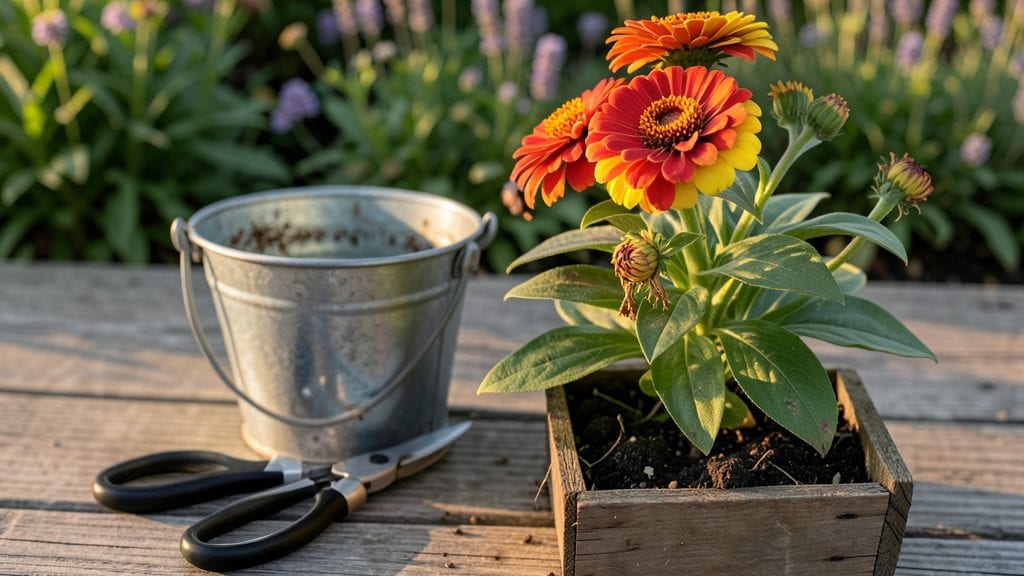
When July heat turns your garden into a wilting mess, deadheading flowers in July is the secret weapon that keeps your blooms coming. 🌸 I’ve seen gardens go from sparse and faded to bursting with color just by spending 15 minutes a week with a pair of pruners—no fancy tools or horticulture degree required.
The real magic happens when you cut back spent blooms before they form seeds. This tricks the plant into redirecting energy toward new flowers instead of seed production.
Roses, zinnias, and marigolds respond especially well, but even annuals like petunias and geraniums will thank you with a second wave of blooms by late summer.
You’ll end up with a garden that stays vibrant through the dog days, not just in early July. The flowers stay fuller, the colors pop brighter, and you’ll avoid the sad, leggy look that signals a plant has given up on blooming.
Plus, fewer spent blooms mean less seed spread—which keeps your garden tidy and focused on the flowers you planted.
Works for everything from container gardens to full sun borders, though humidity-heavy climates may need more frequent checks. Just avoid over-pruning—never cut into old wood or you’ll stunt next year’s growth. Here’s how to do it right the first time.
📚 In This Guide
- What you need
- Instructions
- Tips and common mistakes
- Wrapping up and next steps
What you need
- ● Pruning shears or scissors – Opt for bypass pruners (sharp, clean blades) for a precise cut. A small handheld pair (4–6 inches) works best for delicate blooms.
- ● Gloves – Wear gardening gloves (nitrile or leather) to protect hands from thorns (e.g., roses) or sap.
- ○ Disinfectant (optional but recommended) – A 70% isopropyl alcohol wipe or diluted bleach solution (1 part bleach to 9 parts water) to sterilize tools between cuts and prevent disease.
- ● Trash bag or bucket – A durable 5-gallon bucket or heavy-duty trash bag for spent blooms and debris.
- ● Watering can or hose – A light spray nozzle to rinse tools and refresh plants post-pruning.
- ● Knee pad or stool – For low-growing plants or long sessions (e.g., ergonomic kneeling pad or foldable garden stool).
- ● Plant markers – If you’re deadheading new varieties, use biodegradable labels to track progress.
- ● Compost bin access – Skip the trash bag and toss spent blooms directly into compost for nutrient recycling!
- ● Sunscreen & hat – July sun is no joke—broad-spectrum SPF 30+ and a wide-brimmed hat keep you safe.
How to deadhead flowers in July for longer, healthier blooms
Here's the easy method I use to keep my garden bursting with color all summer long.
🌿 Step 1: Identify and Remove Spent Blooms
Start by scanning your plants for blooms that have faded or developed brown centers—the classic signs a flower has finished its life cycle. I like to work in the early morning when flowers are still crisp, making it easier to spot spent blooms against fresh ones. Use your thumb and forefinger to gently pinch off the faded flower head between your fingers, being careful not to tug on the stem below.
For flowers with multiple blooms on a single stem (like hydrangeas or coneflowers), look for the individual spent blossoms rather than cutting the whole stem. This encourages more flowers to develop from the same growth point. You'll know you're doing it right when you see fresh, vibrant buds beginning to open within a few days.
✂️ Step 2: Use the Right Cutting Technique
When deadheading stems with multiple blooms, make your cut just above a set of healthy leaves or a leaf node where new growth can emerge. I always look for a small bump or growth point on the stem—this is where new flowers will develop. If you cut too close to the base, you remove potential blooms; if you cut too high, you leave behind dead growth.
For single-stem flowers like dahlias or snapdragons, cut back to the first set of strong leaves below the bloom. Use clean, sharp pruners to make a clean cut at a 45-degree angle—this prevents water from pooling on the cut surface and causing rot. You'll notice new side shoots beginning to form within a week or two of proper cutting.
☀️ Step 3: Stimulate New Growth with Proper Care
After deadheading, give your plants a light watering to help them recover from the minor stress of pruning. Focus on the base of the plant rather than overhead watering, which can spread disease. I always water in the early morning so any moisture on the leaves has time to dry before evening. This simple step helps prevent fungal issues that can develop in warm July humidity.
Watch your plants closely in the days following deadheading. You should see fresh new growth emerging from the leaf nodes within 7-10 days, signaling that the plant is responding well to the pruning. For heavy bloomers like roses or zinnias, you might need to deadhead every 3-5 days to maintain continuous flowering throughout July's heat.
Tips & tricks for perfect flower deadheading in July
Here's what I've learned after years of keeping my garden vibrant—these tricks make all the difference in July's heat.
Timing is Everything: I've found that early morning deadheading (before 9 AM) gives you the clearest view of spent blooms and prevents wilting from midday sun. July's heat can make flowers fade faster, so check your garden every 3-5 days for heavy bloomers like roses. The key is catching those brown centers before they set seed—this redirects the plant's energy to fresh blooms instead.
Tool Smart: Don't underestimate your tools! I keep a pair of clean, sharp pruners in my gardening belt for single-stem flowers, but for most deadheading, my fingers work perfectly. The trick is to pinch just above the leaf node—look for that little bump where new growth emerges. If you're using scissors, sterilize them with rubbing alcohol between cuts to prevent spreading disease.
Post-Deadheading Care: After you've removed spent blooms, give your plants a gentle shake to encourage air circulation around the stems. This helps prevent fungal issues that thrive in July's humidity. I've noticed that plants I deadhead in the morning and water lightly in the evening recover much faster—it's like giving them a spa day after the pruning stress.
Seasonal Watch: July's intense sun can stress plants, so keep an eye out for signs of over-pruning. If you see yellowing leaves or stunted growth after deadheading, you might have cut too aggressively. Remember, the goal is to remove only the spent blooms, not the plant's energy source. For drought-sensitive plants, water deeply after deadheading to help them recover.
Pro Tips for Deadheading Flowers In July
- Here's what I've learned after years of keeping my garden vibrant—these tricks make all the difference in July's heat.
- Timing is Everything: I've found that early morning deadheading (before 9 AM) gives you the clearest view of spent blooms and prevents wilting from midday sun.
- Tool Smart: Don't underestimate your tools!
Frequently asked questions
Got questions about deadheading in July? You’re not alone! Here are some of the most common concerns—plus quick, actionable answers to keep your garden thriving.
Why should I deadhead in July if flowers are still blooming?
Deadheading in July isn’t just about tidiness—it’s about encouraging more blooms! Many annuals and perennials (like zinnias, petunias, and roses) produce energy for seed development instead of new flowers if left unattended. By snipping spent blooms, you redirect that energy back into longer, fuller flowering—especially critical for late-summer heat stress.
How often should I deadhead in July’s heat?
Frequency depends on your plants, but a general rule is to check weekly and deadhead as needed. For heavy bloomers like lantana or cosmos, you might need to do it every 3–5 days during peak bloom. In extreme heat (above 90°F), prioritize morning or evening deadheading to avoid shocking plants.
What if I cut too much by mistake—will my plant die?
Don’t panic! Over-pruning is rare with deadheading, but if you accidentally trim into leafy growth or stems, your plant may take a brief pause. Most perennials and annuals are resilient—just water deeply and monitor for new growth. For woody plants (like roses), avoid cutting into old wood; stick to spent blooms only.
Are there any flowers I shouldn’t deadhead in July?
Yes! Skip deadheading on seed-producing plants you want to harvest (like dill, poppies, or coneflowers) or native flowers supporting pollinators (leave black-eyed Susans or milkweed alone). Also, avoid deadheading evergreen shrubs (like boxwood) or plants with woody stems—they bloom on old wood.
What’s the best tool for deadheading in July’s humidity?
Damp conditions can rust scissors, so opt for stainless steel or coated pruners (like Felco or Fiskars). For large batches, bypass pruners are gentler than anvil types. Pro tip: Wipe tools with rubbing alcohol between cuts to prevent bacterial spread, especially on roses or tomatoes.
Wrapping up and next steps
Deadheading flowers in July isn’t just about tidying up your garden—it’s a game-changer for extending blooms, boosting plant health, and keeping your yard vibrant all season long! 🌸 By following these simple steps, you’ll encourage more flowers, prevent pests, and enjoy a stunning garden that turns heads (and maybe even your neighbors’ envy).
Ready to take your gardening skills to the next level? Grab your pruners and get started! And if you’re feeling inspired, try experimenting with deadheading techniques on other plants—your garden will thank you! 🌿