Flowers
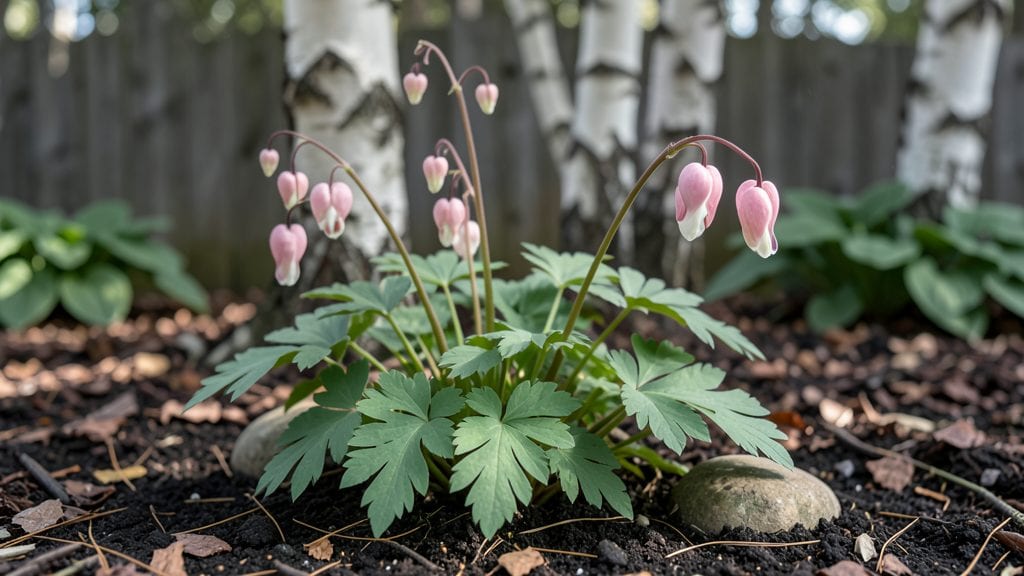
Those broken-heart flowers—with their pink and white lace-like blooms—turn your Pacific Northwest garden into a living watercolor painting. 💚 I planted mine under a towering fir last spring, and now it’s the first thing guests notice—even in winter when the foliage stays lush and evergreen.
The secret to making them shine lies in their neighbors. Pair them with ferns for texture, hellebores for early spring color, or astilbes for summer height.
In woodland gardens, they blend seamlessly with native shrubs like Oregon grape or salal, while cottage-style beds love their whimsical charm paired with peonies or columbines. The key? Plant them where they’ll get morning sun and afternoon shade—they’ll reward you with blooms from late spring through summer.
What you’ll love most is how they transform a shady corner into a star. The blooms attract hummingbirds, the foliage stays vibrant even in damp climates, and by fall, the seed pods add unexpected texture.
My garden’s most photographed spot? The bleeding hearts spilling over a stone wall, framed by hostas and a touch of ivy. It’s the kind of beauty that makes passersby stop and smile—no effort required.
Works equally well in containers for patios or as a border plant along walkways. The only rule? Don’t crowd them—they need space to spread their graceful habit. For Pacific Northwest gardeners, these are the ultimate low-maintenance divas that deliver year-round interest with almost no fuss.
📚 In This Guide
- What you need
- Instructions
- Tips and common mistakes
- Wrapping up and next steps
What you need
- ● Broken heart flower plants: 1–3 nursery-grown Dicentra spectabilis (pink or white varieties) in 4-inch pots or bare-root.
- ○ Optional: Seeds for long-term propagation (requires patience—germination can take 2–3 weeks!).
- ● Soil: 2–3 bags (1 cubic foot each) of moisture-retentive, well-draining potting mix (e.g., FoxFarm Ocean Forest or Black Gold Natural & Organic).
- ● Amendment: 1 part peat moss or coconut coir to improve moisture retention.
- ● Location: Partial to full shade (dappled sunlight is ideal for PNW’s humid climate).
- ● Protect from hot afternoon sun to prevent leaf scorch.
- ● Watering tools: A watering can with a fine rose (to avoid disturbing roots).
- ○ Drip irrigation hose (optional, for consistent moisture).
- ● Garden tools: Trowel (6-inch stainless steel for planting).
- ● Pruning shears (bypass-style for deadheading).
- ● Gloves (to protect from Dicentra's mild toxicity—keep away from pets/kids!).
- ● Mulch: 2–3 inches of wood chips or shredded bark (to retain moisture and suppress weeds).
- ● Support structures (for climbing varieties or dramatic displays): Small obelisks or trellises (if training vines).
- ● Decorative stakes (for arranging cut stems in bouquets).
- ○ Fertilizer (optional): Balanced 10-10-10 fertilizer (apply once in early spring).
- ● Compost tea (for organic boosts).
How to create a stunning broken heart flower display
These striking plants thrive in the Pacific Northwest's climate—here's how to make them the star of your garden.
🌱 Step 1: Choose the Right Location and Soil
Broken heart flowers (Dicentra spectabilis) adore partial shade with morning sun and afternoon shade—ideal for the PNW's mild, damp climate. Pick a spot with dappled light where the soil stays consistently moist but not soggy. I always test drainage first by digging a hole, filling it with water, and waiting to see if it drains within 2-3 hours.
Amend your native soil with 2-3 inches of compost to improve fertility and drainage. These plants hate compacted soil, so work in a handful of perlite or coarse sand if your native soil feels heavy when squeezed. The roots will thank you with vigorous growth and those signature heart-shaped leaves.
☀️ Step 2: Plant at the Correct Depth and Spacing
Dig holes twice as wide as the root ball and 1 inch deeper than the container. Gently remove the plant from its pot and tease the roots outward if they're circling. This prevents root-bound shock and encourages outward growth. Place the plant in the hole so the top of the root ball sits ½ inch below soil level—this helps prevent crown rot.
Space plants 18-24 inches apart for a lush, natural look. Broken heart flowers spread slowly but steadily, so give them room to mature. Backfill with native soil mixed with compost, pressing gently to remove air pockets. Water deeply right after planting to settle the soil and eliminate gaps.
💧 Step 3: Water Consistently and Mulch Well
Keep the soil evenly moist for the first 2-3 weeks—water when the top 1-2 inches of soil feel dry. These plants love humidity but won't tolerate drought. I like to water in the morning so the foliage dries quickly, reducing fungal risks. Once established, they handle our PNW's frequent rain well.
Spread 2-3 inches of organic mulch (like shredded bark or leaf mold) around the base, keeping it 2 inches away from the stems to prevent rot. Mulch conserves moisture, regulates soil temperature, and keeps weeds at bay. Refresh the mulch annually in early spring to maintain its protective layer.
✂️ Step 4: Prune and Divide for Long-Term Health
After the first flush of blooms fades, cut back the stems to ½ their height to encourage a second, often more prolific flowering. I always use clean, sharp pruners to avoid tearing the stems. Deadhead spent blooms regularly to redirect energy into leaf and root growth.
Every 3-4 years, divide clumps in early spring when new shoots appear. Dig up the plant, separate the sections with a sharp knife, and replant the healthiest divisions. This rejuvenates growth and prevents overcrowding. Broken heart flowers handle division well, so don't be shy—more plants mean more of those stunning heart-shaped leaves.
🌿 Step 5: Protect and Enjoy Year-Round
In winter, the foliage may die back, but the roots stay active. A 3-inch layer of mulch protects them from freezing temperatures. These plants are deer-resistant, which is a bonus in our region. Watch for slugs—they adore young leaves, so I set out beer traps nearby when new growth appears.
Broken heart flowers shine in containers too—just use a large pot with drainage and keep it consistently moist. They pair beautifully with ferns, hostas, and other shade-loving perennials. With proper care, they'll reward you with dramatic, year-round interest and those iconic heart-shaped leaves that make them a PNW favorite.
Tips & tricks for perfect broken heart flower displays
Here's what nobody tells you about making these plants truly shine in your Pacific Northwest garden.
Drainage is Everything: That 2-3 hour drainage test in Step 1 is non-negotiable. Poor drainage leads to root rot, which can kill your plants within weeks. I've seen beautiful broken heart flowers wilt dramatically after just one heavy rain when planted in soggy soil. If your soil drains slower than 2-3 hours, consider planting in a raised bed or amending with more perlite or coarse sand.
Root Care Makes All the Difference: When teasing roots outward in Step 2, be gentle but thorough. I learned this the hard way after planting a clump with tightly circling roots—it took two years for that plant to recover properly. The goal is to encourage outward growth, not damage delicate roots. If you see any brown or mushy roots, trim them away before planting.
Mulch Like a Pro: That 2-3 inch mulch layer in Step 3 isn't just decoration—it's protection against our unpredictable PNW weather. In winter, the extra 3-inch layer mentioned in Step 5 creates an insulating blanket that prevents freeze-thaw cycles from damaging roots. I always use leaf mold because it breaks down slowly and improves soil structure over time.
Pruning Secret: When cutting back stems to half their height in Step 4, don't just hack at them. Make clean cuts just above a leaf node using sharp pruners. This encourages bushier growth and more prolific second flushes of blooms. I've seen plants that were pruned haphazardly produce only sparse regrowth compared to those with proper cuts.
Pro Tips for Broken Heart Flowers
- Here's what nobody tells you about making these plants truly shine in your Pacific Northwest garden.
- Drainage is Everything: That 2-3 hour drainage test in Step 1 is non-negotiable.
- Root Care Makes All the Difference: When teasing roots outward in Step 2, be gentle but thorough.
Frequently asked questions
What are broken heart flowers, and why are they called that?
These flowers, scientifically known as Dicentra spectabilis (bleeding heart) or Lamprocapnos spectabilis, earned their name from their unique heart-shaped blooms that dangle like tiny, delicate broken hearts. Their fern-like foliage and arching stems make them a standout in gardens, especially in the PNW’s lush, shaded landscapes.
How long do broken heart flowers bloom, and when is the best time to plant them?
Broken heart flowers typically bloom in early to mid-spring (March–May), with some varieties offering a second, lighter flush in fall. For best results, plant them in early spring or fall, ensuring they have well-draining soil and partial shade. They thrive in the PNW’s mild, wet climate but may need winter mulch in colder regions.
Where can I buy broken heart flowers, and are they available year-round?
While you can find potted broken heart flowers at local nurseries in spring, they’re often sold as bare-root plants in fall (a cost-effective option!). For year-round access, check PNW specialty growers like Swansons or Willamette Valley Nursery. Seed packets are also available, but germination can be slow—patience is key!
What should I do if my broken heart flowers aren’t blooming?
No blooms? Don’t worry—these plants often take 2–3 years to establish and flower. Ensure they’re in partial shade (too much sun = fewer blooms) and rich, moist soil. Over-fertilizing can also reduce flowering, so use a balanced, low-nitrogen fertilizer in early spring. If the plant looks leggy, prune it back after blooming to encourage bushier growth.
Are there alternatives to broken heart flowers for similar shade-loving blooms?
If you love the romantic, woodland vibe of broken hearts, try these PNW-friendly swaps:
- Japanese anemone (Anemone × hybrida) – Late-summer blooms with delicate, pink or white flowers.
- Astilbe (Astilbe spp.) – Feathery plumes in soft pinks, whites, and reds; thrives in shade.
- Hellebore (Helleborus niger) – Winter-blooming “Christmas rose” with nodding flowers.
- Lungwort (Pulmonaria spp.) – Unique spotted leaves and early spring blooms.
All of these handle the PNW’s damp, cool conditions beautifully!
Wrapping up and next steps
Broken heart flowers—with their striking, heart-shaped blooms—are more than just a Pacific Northwest beauty; they’re a symbol of resilience and natural wonder. Whether you’re drawn to their bold colors or their year-round appeal, these flowers remind us that even in rugged landscapes, life finds a way to thrive. 🌿
Ready to bring a touch of the PNW into your space? Start by researching local nurseries or trusted online plant sellers to find your perfect broken heart flower. Or, if you’re feeling inspired, sketch out a garden design featuring these stunning blooms—your future floral masterpiece awaits! ✨