
Flowers
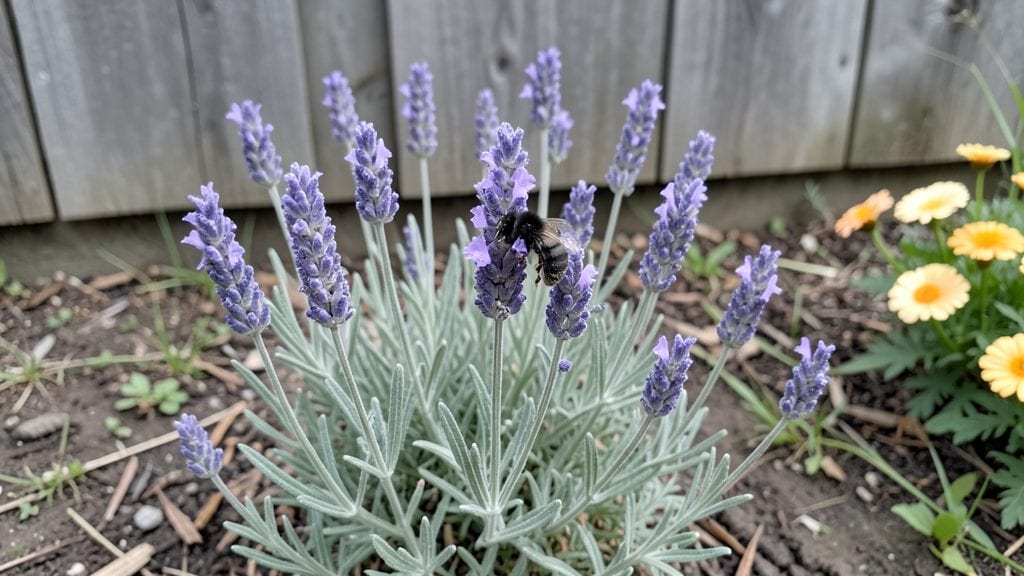
My Pacific Northwest garden buzzes with life thanks to these busy bee flowers—lavender, sunflowers, and coneflowers that turn my yard into a pollinator paradise. 🌸 The secret isn’t just planting pretty blooms; it’s creating a thriving ecosystem where bees can’t resist stopping by.
I’ve learned that the right mix of native and hardy varieties keeps them coming back season after season, even through our rainy winters.
Start with three must-have flowers: lavender for its fragrant purple spikes, sunflowers for their towering yellow centers, and coneflowers for their long-lasting blooms. These aren’t just pretty—they’re packed with nectar and pollen that keep bees well-fed.
Pair them with clover and bee balm for extra buzz, and you’ll have a garden that hums with activity from spring to fall. The best part? These plants thrive in our damp climate, so they’re low-maintenance and reliable.
Imagine a border bursting with color where bees dart from bloom to bloom, their wings a blur of motion. Your garden won’t just look stunning—it’ll become a lifeline for local pollinators, helping them thrive while you enjoy the show.
The scent of lavender on a summer evening, the golden glow of sunflowers catching the afternoon light, and the deep purple of coneflowers standing tall—it’s a sensory experience that keeps me coming back to the garden every day.
This approach works for any space, from small urban yards to sprawling meadows. Whether you’re designing a pollinator-friendly border or a full garden, these flowers deliver beauty and purpose. Let’s get your garden buzzing with life—your bees will thank you!
📚 In This Guide
- What you need
- Instructions
- Tips and common mistakes
- Wrapping up and next steps
What you need
- ● Native flowering plants (5–10 varieties recommended): Oregon grape (Mahonia aquifolium) – 3–5 plants
- ● Pacific dogwood (Cornus nuttallii) – 1–2 mature trees/shrubs
- ● Sword fern (Polystichum munitum) – 3–5 clumps (for habitat)
- ● Yarrow (Achillea millefolium) – 5–10 plants (perennial)
- ● Bee balm (Monarda spp.) – 3–5 plants (red/purple blooms)
- ● Lupine (Lupinus spp.) – 5–10 seeds/plants (early spring blooms)
- ● Salal (Gaultheria shallon) – 3–5 shrubs (ground cover)
- ● Soil amendments (if needed): Compost (1–2 cubic yards for garden beds)
- ○ Peat moss or coconut coir (optional, for acidic-loving plants)
- ● Basic gardening tools: Trowel or hand shovel
- ● Pruners (bypass pruners for clean cuts)
- ● Garden fork (for aerating soil)
- ● Wheelbarrow or bucket (for transporting soil/amendments)
- ○ Optional (but helpful!): Soil pH tester (PNW soil is often acidic; aim for 5.0–6.5 for most natives)
- ● Drip irrigation system or soaker hoses (water efficiency!)
- ● Mulch (wood chips or straw, 2–3 inches deep)
- ● Knee pads or gardening stool (for comfort)
- ● Location: Choose a spot with partial shade to full sun (most PNW natives tolerate shade). Avoid windy areas.
- ● Water source: Ensure easy access for initial watering (drought-tolerant once established!).
- ● Timing: Fall planting (Sept–Nov) for perennials/shrubs.
- ● Spring (March–April) for seeds (e.g., lupine).
- ● 💡 Pro Tip: Group plants by water needs to simplify maintenance. For example, Oregon grape and salal thrive in moist, shady spots, while yarrow and bee balm prefer drier conditions.
How to plant and maintain busy bee flowers in the Pacific Northwest
Here's how I create a thriving pollinator haven that keeps bees buzzing all season long.
🌱 Step 1: Select the Right Bee-Friendly Varieties
Focus on native PNW plants like beebalm (Monarda), yarrow (Achillea), lupine (Lupinus), and salvia—these are proven workhorses for local bees. I always include at least three types to provide continuous bloom times from early spring through fall. Check your local nursery for organic, disease-resistant varieties specifically grown for your region.
Plant in full sun to partial shade (6+ hours of sunlight daily). Bees prefer flat, open flowers they can land on easily—avoid double-petaled hybrids that block nectar access. I like to group plants in 3-5 plant clusters to create visible "landing pads" for pollinators.
🪴 Step 2: Prepare Soil and Plant Correctly
Amend your garden soil with 2 inches of compost and a handful of sand if your native soil is heavy clay (common in PNW). Busy bee flowers thrive in well-draining soil—waterlogged roots will kill them quickly. Mix in a slow-release organic fertilizer (like fish emulsion) to give plants a nutrient boost without burning roots.
Dig holes twice as wide as the root ball but only as deep. Place each plant so the top of the root ball sits level with the surrounding soil—burying too deep suffocates stems. Space plants 18-24 inches apart (check individual variety spacing). Water deeply right after planting to settle soil around roots.
☀️ Step 3: Provide Consistent Water and Sunlight
Water deeply 2-3 times per week until plants establish roots (4-6 weeks). After that, let soil dry slightly between waterings—bees prefer plants with dry foliage (not soggy). I water in the early morning to reduce fungal diseases from evening moisture.
Ensure 6+ hours of direct sunlight daily—bees need plants producing maximum nectar. If your site gets afternoon shade, supplement with reflective surfaces (like white garden markers) to bounce light onto flowers. You'll see bees most active between 10am-4pm when flowers are fully open.
✂️ Step 4: Prune and Maintain for Continuous Bloom
Deadhead spent blooms weekly to encourage new flower production. For perennials like beebalm, cut back one-third of the plant in early spring to promote bushier growth. I always leave a few seed heads for overwintering bees—these provide crucial shelter during cold months.
Apply a 2-inch layer of mulch (straw or shredded bark) around plants to retain moisture and suppress weeds. Replenish mulch annually in early spring. Watch for aphids or powdery mildew—treat immediately with neem oil spray to protect both plants and pollinators.
🐝 Step 5: Create a Bee-Friendly Habitat
Leave some bare soil in garden beds—ground-nesting bees need open spaces to establish nests. Add a small water source like a shallow dish with pebbles (bees can't swim!). I also plant early spring bloomers (like crocus) and late-season flowers (like asters) to extend the pollinator season.
Resist the urge to "tidy up" too aggressively. Bees collect pollen from various plants—diverse foliage means more successful pollination. By late summer, you'll see bumblebees, honeybees, and native solitary bees working your garden like a bustling city.
Tips & tricks for perfect busy bee flower gardens
Creating a bee-friendly garden isn't just about planting flowers—it's about crafting a thriving ecosystem. Here's what I've learned to make my PNW pollinator garden truly buzz with life.
Variety is Key: While the instructions mention beebalm, yarrow, lupine, and salvia, I always add one more native plant to my mix—like oreganum or lavender. This extra diversity ensures continuous nectar sources throughout the season. In Step 1, when selecting varieties, look for plants that bloom at different times—this creates a "buffet" for bees that lasts from spring through fall.
Soil Secrets: In Step 2, when amending your soil with 2 inches of compost, I like to add a handful of worm castings too. The worms help aerate the soil naturally, which is especially important in our heavy PNW clay. For container gardening, use a mix of potting soil and perlite (50/50) to ensure excellent drainage—waterlogged roots will kill even the hardiest bee plants.
Watering Wisdom: Step 3's watering instructions are spot-on, but here's my extra tip: Install a drip irrigation system on a timer for early morning watering. This ensures consistent moisture without wetting the foliage (which can lead to fungal issues). If you're using a hose, water at the base of plants rather than overhead to keep leaves dry and prevent disease.
Pest Prevention: The instructions mention neem oil for aphids, but I've found that introducing ladybugs to my garden actually prevents most pest problems naturally. Release them in the morning when they're most active, and they'll keep aphid populations in check without chemicals. This works especially well when you're maintaining your garden in Step 4.
Pro Tips for Busy Bee Flowers
- Creating a bee-friendly garden isn't just about planting flowers—it's about crafting a thriving ecosystem.
- Variety is Key: While the instructions mention beebalm, yarrow, lupine, and salvia, I always add one more native plant to my mix—like oreganum or lavender.
- Soil Secrets: In Step 2, when amending your soil with 2 inches of compost, I like to add a handful of worm castings too.
Frequently asked questions
What’s the best time to plant Busy Bee flowers in the PNW?
For Busy Bee flowers (like Echinacea or Lavandula), aim for early spring (March–April) or early fall (September–October). This gives roots time to establish before summer heat or winter frost. If starting from seeds, sow indoors 8–10 weeks before the last frost for a head start!
How long does it take for Busy Bee flowers to bloom?
Most varieties bloom within 60–90 days after planting, depending on the species. Echinacea (coneflower) often blooms in mid-to-late summer, while Lavandula (lavender) may take slightly longer. Patience pays off—once established, they’ll reward you with seasons of color!
Can I grow Busy Bee flowers in containers?
Many pollinator-friendly flowers (like Salvia or Gaillardia) thrive in containers. Use well-draining soil, a pot with drainage holes, and place them in full sun. Just ensure containers are large enough (12–18 inches deep) to support root growth. Pro tip: Add a slow-release fertilizer to keep blooms vibrant!
What pests should I watch for with Busy Bee flowers?
Common culprits include aphids, Japanese beetles, and spider mites. For mild infestations, spray with water or use neem oil. Lavender deters many pests naturally! If slugs are a problem, set out beer traps or diatomaceous earth. Remember: A few pests are normal—they’re food for birds and beneficial insects!
Do Busy Bee flowers need extra watering in the PNW’s rainy season?
While PNW’s damp climate helps, avoid soggy soil—these flowers prefer moderate moisture. Water deeply 1–2 times per week (less in winter) and ensure pots/containers drain well. Drought-tolerant varieties like Sedum or Yarrow need even less! Mulch around plants to retain moisture and suppress weeds.
What’s a great alternative if Busy Bee flowers don’t thrive in my garden?
Try native PNW pollinators like Oregon Sunshine (Lupinus), Pacific Coast Iris, or Sword Fern (for shade). Even clover or bee balm attract bees! Check your garden’s sun/shade and soil type to match plants to their happy place.
Wrapping up and next steps
Discovering the busy bee flowers of the Pacific Northwest isn’t just about adding beauty to your garden—it’s about creating a thriving ecosystem that supports our buzzing friends! 🐝 From sun-loving lavender to shade-tolerant asters, these hardy blooms prove that pollinator-friendly gardening is both rewarding and impactful.
Whether you're a seasoned gardener or just starting out, every flower planted makes a difference.
Ready to take action? Start small—pick one or two of these bee-loved varieties and plant them this season. Watch as your garden becomes a buzzing hub of life, and share your success with fellow gardeners. Your green thumb can inspire others to join the pollinator revolution!